Salvia Dorrii (Desert Sage): A Complete Guide
Salvia dorrii, commonly known as Desert Sage, is a beautiful and versatile plant that is native to the sagebrush steppe of the western United States. This plant has been valued for centuries for its ornamental, medicinal, and cultural uses. In this comprehensive guide, we will explore the various aspects of Salvia dorrii, including its cultural requirements, uses, propagation methods, and tips for maintaining a healthy and vibrant plant.
What is Salvia dorrii (Desert Sage)?
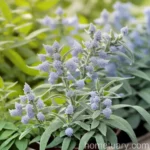
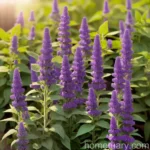
Salvia dorrii is a flowering perennial plant that belongs to the Lamiaceae family. It is characterized by its woody stems, aromatic leaves, and striking purple flowers. This plant is well-adapted to the arid and semi-arid environments of the western United States, making it an excellent choice for xeriscape gardens and landscapes with low water availability.
Key Takeaways – Salvia dorrii (Desert Sage)
Before delving into the specifics of Desert Sage, here are some key takeaways about this remarkable plant:
- Botanical Name: Salvia dorrii
- Common Name: Desert Sage
- Family: Lamiaceae
- Native Habitat: Western United States
- Flowering Season: Late spring to early summer
- Water Requirements: Drought-tolerant
- Sunlight: Full sun
- Soil Preferences: Well-drained, sandy or gravely soil
- Height and Spread: 1-2 feet tall and 1-2 feet wide
- Uses: Ornamental, medicinal, and cultural
- Fragrance: Aromatic, sage-like scent
Now that we have an overview of Desert Sage, let’s explore the various aspects of its care, uses, and cultivation.
Cultivation of Salvia dorrii
Cultivating Salvia dorrii successfully requires an understanding of its specific cultural requirements, including water, sunlight, soil, and fertilizer needs. Proper care and maintenance are essential for promoting healthy growth and abundant flowering. Here are the key cultivation aspects to consider:
Water
One of the most remarkable attributes of Salvia dorrii is its remarkable drought tolerance. This plant is well-adapted to dry environments and requires minimal supplemental irrigation once established. Overwatering can be detrimental to the health of Desert Sage, as it is susceptible to root rot in excessively moist soil. When watering your Salvia dorrii, it’s essential to allow the soil to dry out between waterings. During periods of prolonged drought, occasional deep watering can help support the plant’s vitality.
Sunlight
Desert Sage thrives in full sunlight and requires at least 6-8 hours of direct sunlight per day to perform at its best. When selecting a planting location for Salvia dorrii, choose a spot that receives ample sunlight throughout the day. In shaded or partially shaded areas, the plant may become leggy and produce fewer flowers.
Fertilizer
Salvia dorrii is not a heavy feeder and generally thrives in nutrient-poor soils. Excessive fertilization can lead to excessive foliage growth at the expense of flower production. If you choose to fertilize your Desert Sage, apply a balanced, slow-release fertilizer in the early spring when new growth begins. Avoid high-nitrogen fertilizers, as they can promote lush foliage at the expense of flowers.
Soil
The ideal soil for Salvia dorrii is well-drained, sandy or gravely soil that mimics its natural habitat in the sagebrush steppe. Avoid heavy clay soils, as they can retain too much moisture and lead to root rot. Amending the soil with gravel or coarse sand can improve drainage and create a hospitable growing environment for Desert Sage.
Pruning
Pruning Salvia dorrii is essential for maintaining its compact shape and promoting a prolific display of flowers. In late winter or early spring, prune the previous year’s growth back to a few inches above the ground to encourage vigorous new growth and abundant flowering. Deadheading spent blooms throughout the growing season can prolong the flowering period and encourage the development of new flower buds.
Propagation of Salvia dorrii
Propagation of Salvia dorrii can be achieved through several methods, including seed propagation, division of mature plants, and taking stem cuttings. Each method has its advantages and considerations, allowing gardeners to propagate Desert Sage to expand their plantings or share with fellow gardening enthusiasts.
Seed Propagation
Propagation of Salvia dorrii from seeds is a straightforward and rewarding method that allows for the generation of new plants with genetic diversity. To propagate Desert Sage from seeds, follow these essential steps:
- Collect mature seed heads from the plant when the seeds are fully developed and beginning to dry.
- Gently crush the seed heads to release the small, dark seeds.
- Sow the seeds in a well-drained seed-starting mix, pressing them lightly into the soil surface.
- Water the seeds gently and place the tray in a warm, bright location.
- Seeds should germinate within 2-3 weeks, and the resulting seedlings can be transplanted into individual pots once they develop several sets of true leaves.
Division
Dividing mature Salvia dorrii plants is an effective method of propagation that allows gardeners to rejuvenate older plants and create new ones. Here’s how to propagate Desert Sage through division:
- In early spring, carefully dig up a mature Salvia dorrii plant, ensuring you disturb the root system as little as possible.
- Using a clean, sharp garden knife, divide the plant into several sections, ensuring that each division has a healthy portion of roots and shoots.
- Replant the divisions into prepared soil, water them thoroughly, and provide appropriate care as they become established in their new location.
Stem Cuttings
Taking stem cuttings from healthy, vigorous Salvia dorrii plants is an excellent way to propagate new individuals while preserving the characteristics of the parent plant. Follow these steps to propagate Desert Sage from stem cuttings:
- Select a healthy, non-flowering shoot from the parent plant and use a clean, sharp pair of garden shears to take a 4-6 inch cutting, ensuring it includes several sets of leaves.
- Remove the lower set of leaves from the cutting and dip the freshly cut end in rooting hormone powder to encourage root development.
- Plant the cutting in a well-draining rooting medium, such as a mix of perlite and peat moss, and water it gently to settle the medium around the cutting.
- Place the cutting in a warm, humid environment with bright, indirect light and mist it regularly to maintain high humidity around the cutting.
- Roots should develop within 4-6 weeks, at which point the cutting can be transplanted into a larger pot or directly into the garden.
Uses of Salvia dorrii
Salvia dorrii has a long history of use for a wide range of purposes, including ornamental, medicinal, and cultural applications. Understanding the various uses of Desert Sage can provide valuable insight into its significance and versatility. Let’s explore the diverse uses of Salvia dorrii:
Ornamental Uses
As an ornamental plant, Salvia dorrii is highly prized for its vibrant, purple flowers, aromatic foliage, and drought-tolerant nature. It is commonly used in xeriscape gardens, rock gardens, and dryland landscapes to add color, texture, and fragrance. Desert Sage’s compact growth habit and low-maintenance requirements make it a popular choice for water-wise landscaping and sustainable gardening practices. Additionally, the flowers of Salvia dorrii are attractive to pollinators, including bees, butterflies, and hummingbirds, making it a valuable addition to wildlife-friendly gardens.
Medicinal Uses
Salvia dorrii has a rich history of use in traditional Native American medicine, where it was valued for its various therapeutic properties. Infusions made from the leaves and flowers of Desert Sage were used to treat ailments such as colds, sore throats, fever, and digestive issues. The aromatic foliage of Salvia dorrii was also burned as a fragrant smudge to purify and cleanse the air during rituals and ceremonies. While it is essential to approach the medicinal use of Salvia dorrii with caution and respect for traditional knowledge, it is fascinating to explore the plant’s historical significance and potential modern applications.
Cultural Uses
In addition to its ornamental and medicinal uses, Salvia dorrii holds cultural significance for various indigenous communities in the western United States. The plant’s aromatic leaves were traditionally used in ceremonial practices and as an offering to the spirits of the land. Understanding the cultural importance of Desert Sage provides a deeper appreciation for the plant and its role in traditional practices and belief systems.
Common Diseases and Pests
Salvia dorrii is relatively resilient to diseases and pests, particularly when grown in suitable growing conditions and provided with proper care. However, like all plants, it can be susceptible to specific issues that can compromise its health and vitality. Here are some common diseases and pests that may affect Desert Sage:
Common Diseases
-
Powdery Mildew: In humid and poorly ventilated conditions, Salvia dorrii may be susceptible to powdery mildew, a fungal disease that appears as a white, powdery coating on the leaves. To prevent powdery mildew, provide good air circulation, avoid overhead watering, and remove any affected plant material.
-
Root Rot: Excessive soil moisture can lead to root rot in Salvia dorrii, causing the plant to wilt and decline. To prevent root rot, ensure that the soil is well-drained and allow it to dry out between waterings. Planting Desert Sage in raised beds or mounds can also improve drainage and reduce the risk of root rot.
Disease Diagnosis
When identifying and addressing diseases in Salvia dorrii, it is essential to closely inspect the plant for symptoms, such as discolored or distorted leaves, abnormal growth, or the presence of fungal or bacterial growth. Proper diagnosis of plant diseases can help guide effective treatment and prevention strategies to protect the overall health of Desert Sage.
Common Pests
-
Aphids: These small, soft-bodied insects can infest Salvia dorrii, sucking sap from the plant and causing leaf distortion and yellowing. Regularly inspect the plant for aphid infestations and use a strong stream of water or insecticidal soap to dislodge and control the pests.
-
Spider Mites: These tiny arachnids can cause stippling and webbing on the foliage of Salvia dorrii, leading to reduced plant vigor. Increase humidity around the plant, regularly rinse the foliage, and consider using horticultural oil to manage spider mite populations.
Botanist’s Tips for Growing Salvia dorrii
As a plant scientist with a passion for Desert Sage, I have gathered several tips and recommendations to ensure the successful cultivation and enjoyment of Salvia dorrii. These insights are based on years of experience studying and growing this remarkable plant, and they aim to provide practical guidance for gardeners and enthusiasts. Here are some botanist’s tips for growing Salvia dorrii:
-
Select Well-Drained Soil: Choose a planting location with well-drained, sandy or gravely soil to mimic the natural habitat of Salvia dorrii and reduce the risk of root rot.
-
Limit Fertilization: Avoid excessive fertilization of Desert Sage, as it can lead to excessive foliage growth at the expense of flowers. A balanced, slow-release fertilizer applied in moderation is sufficient to support the plant’s needs.
-
Prune Regularly: Practice regular pruning of Salvia dorrii to maintain its compact shape, promote abundant flowering, and rejuvenate older plants. Pruning also helps prevent the plant from becoming overly woody and encourages vigorous new growth.
-
Provide Full Sun: Ensure that Salvia dorrii receives ample sunlight, as it thrives in full sun and requires direct sunlight to flourish and produce an abundance of flowers.
-
Respect Cultural Uses: Acknowledge and respect the cultural significance of Salvia dorrii for indigenous communities and traditional practices. Understanding the plant’s cultural uses adds depth to its overall value and importance.
-
Encourage Wildlife: Embrace the role of Salvia dorrii as a wildlife-friendly plant by attracting pollinators and beneficial insects to the garden. The presence of bees, butterflies, and hummingbirds contributes to the ecological diversity and health of the garden ecosystem.
Fun Facts about Salvia dorrii
To round out our exploration of Salvia dorrii, here are some fascinating and delightful fun facts about Desert Sage:
-
Aromatic Foliage: The leaves of Salvia dorrii emit a delightful, sage-like fragrance when crushed or brushed, adding to its sensory appeal in garden settings.
-
Drought Tolerance: Salvia dorrii is incredibly resilient to drought and is capable of thriving in arid conditions with minimal water availability.
-
Cultural Significance: Desert Sage holds cultural significance for various indigenous communities in the western United States, demonstrating the plant’s historical and spiritual importance.
-
Wildlife Attraction: The flowers of Salvia dorrii attract a diverse array of pollinators, including bees, butterflies, and hummingbirds, contributing to the ecological vitality of the garden.
-
Medicinal Traditions: Traditional Native American medicine recognized the therapeutic properties of Salvia dorrii, utilizing the plant for various health and wellness purposes.
Links to External Resources
For further exploration and in-depth information about Salvia dorrii, Desert Sage, and related topics, I recommend the following external resources:
- Wildflower.org – Salvia dorrii
- USDA Plants Database – Salvia dorrii
- Xerces Society – Pollinator Conservation Resource Center
- United Plant Savers – Medicinal Plant Conservation
Conclusion
In conclusion, Salvia dorrii, or Desert Sage, is a remarkable and versatile plant with a rich history of cultural, ornamental, and medicinal uses. Its resilience in arid environments, vibrant flowering display, and ecological value make it a valuable addition to gardens, landscapes, and conservation efforts. By understanding and appreciating the diverse aspects of Salvia dorrii, we can cultivate, preserve, and celebrate this extraordinary plant, ensuring its continued beauty and significance for generations to come.
I hope that this comprehensive guide has provided you with valuable insights into the cultivation, uses, and significance of Salvia dorrii. Whether you are a gardener, botany enthusiast, or nature lover, exploring the world of Desert Sage can inspire a deeper connection to the natural world and the remarkable plants that enrich our lives.
Remember, the resilience, beauty, and cultural significance of Salvia dorrii make it a plant worth celebrating and safeguarding for future generations.
Happy Gardening!