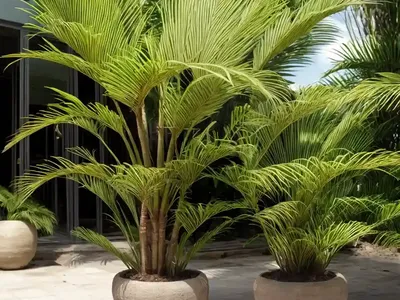
Cycas Revoluta (Sago Palm)
As a plant scientist, my passion lies in exploring the intricate details of various plant species, understanding their unique characteristics, and.
Introduction to Cycas revoluta (Sago Palm)
As a plant scientist, my passion lies in exploring the intricate details of various plant species, understanding their unique characteristics, and uncovering the best practices for their cultivation. In this comprehensive guide, we will delve into the captivating world of Cycas revoluta, commonly known as the Sago Palm.
Cycas revoluta is a striking and resilient plant that has captured the fascination of plant enthusiasts and horticulturists alike. It is not a true palm, but rather a primitive cycad that has been thriving on Earth for millions of years. The Sago Palm is native to the subtropical and tropical regions of Japan, where it is revered for its ornamental value and versatile uses.
This guide will provide a wealth of information on the care, cultivation, and unique attributes of the Sago Palm, addressing various aspects such as culture, uses, maintenance requirements, propagation, and much more. Whether you’re a novice gardener or an experienced horticulture aficionado, this guide aims to equip you with the knowledge and skills to cultivate and appreciate Cycas revoluta to its fullest potential.
Key Takeaways – Cycas revoluta (Sago Palm)
Sago Palm Care Essentials
The cultivation of Cycas revoluta requires meticulous attention to its specific care requirements, ensuring optimal growth and vitality. Below are the key takeaways for effectively caring for the Sago Palm:
- Water: Proper watering practices are essential for the Sago Palm, balancing moisture levels to prevent both dryness and waterlogging.
- Sunlight: Cycas revoluta thrives in bright, indirect sunlight and requires protection from intense midday sun.
- Fertilizer: Regular and balanced fertilization is vital for the Sago Palm’s growth, providing essential nutrients for its vibrant foliage.
- Soil: Well-draining and nutrient-rich soil is crucial for Sago Palm cultivation, supporting its root health and overall vigor.
- Pruning: Careful pruning of dead or damaged fronds is necessary, maintaining the Sago Palm’s aesthetic appeal and encouraging new growth.
- Propagation: Understanding the propagation methods enables enthusiasts to propagate new Sago Palm plants with a high success rate.
- Container: Growing Cycas revoluta in containers demands attention to proper sizing, drainage, and soil management for optimal growth.
- Common Diseases and Pests: Identification and preventive measures against diseases and pests ensure the Sago Palm’s long-term health and resilience.
Now, let’s explore each of these elements in detail, unraveling the intricacies of Sago Palm care and cultivation.
Culture of Cycas revoluta (Sago Palm)
Understanding the cultural requirements of Cycas revoluta is paramount for ensuring its successful growth and development. From its historical uses to its significance in modern landscapes, the cultural aspects shed light on the Sago Palm’s versatile characteristics and adaptability.
Historical Significance and Uses
The Sago Palm, despite its name, is not a true palm but belongs to the ancient group of plants known as cycads. Cycas revoluta has a rich historical background, with a prominent presence in Japanese culture and landscaping practices. In Japan, it is commonly referred to as “sotetsu” and has been revered for centuries as an iconic ornamental plant.
Botanical Significance
From a botanical perspective, Cycas revoluta holds immense significance as an ancient plant species that has survived for millions of years. Its evolutionary resilience and unique reproductive structures make it a subject of fascination for plant scientists and botanists worldwide.
Landscape and Garden Aesthetics
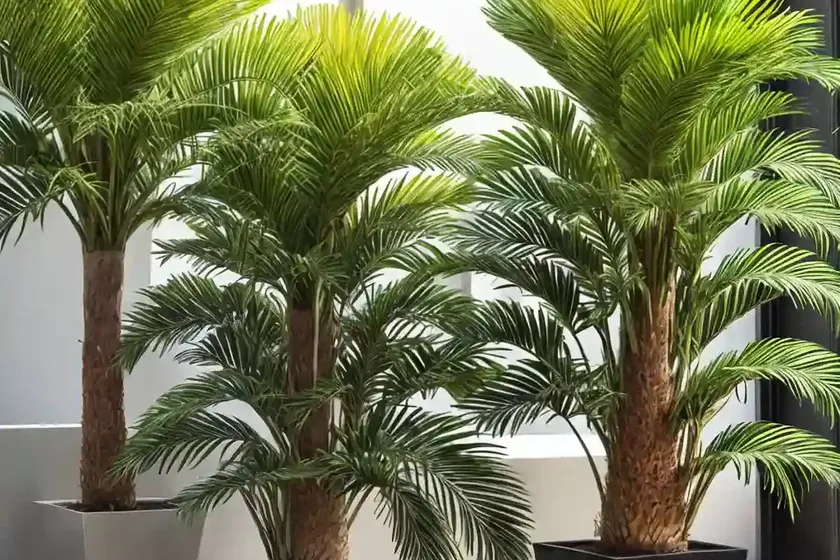
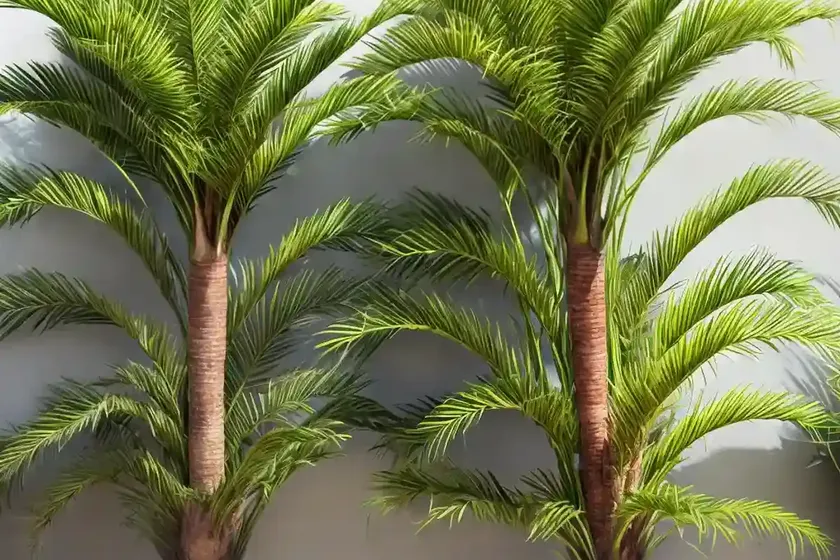
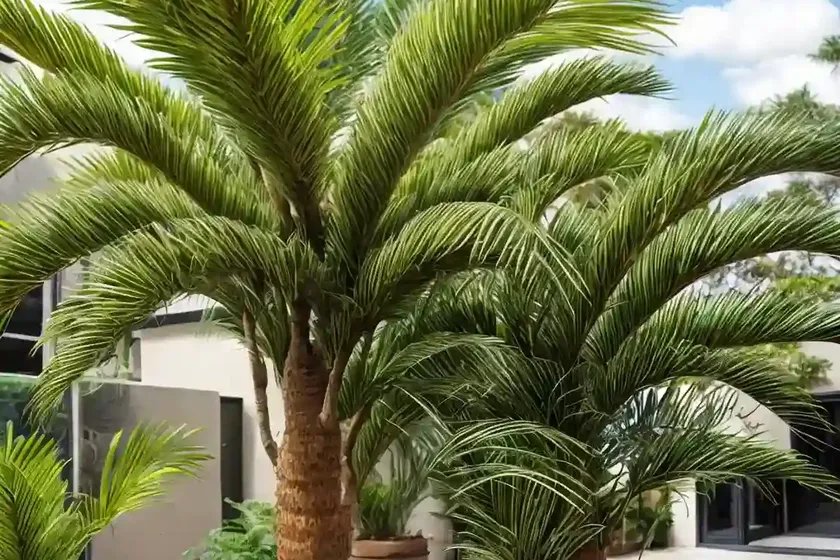
The ornamental value of Cycas revoluta is undeniable, with its striking, fern-like fronds and symmetrical growth habit. As a landscaping element, the Sago Palm adds a touch of exotic allure to gardens, parks, and indoor spaces, enriching the visual appeal with its evergreen foliage.
Uses of Cycas revoluta (Sago Palm)
The uses of Cycas revoluta extend far beyond its ornamental charm, encompassing cultural, culinary, and horticultural applications that highlight its versatility and practical value.
Cultural Significance
In Japanese culture, the Sago Palm holds symbolic significance and is often associated with themes of longevity, strength, and resilience. It is a popular choice for ornamental plantings in temple gardens, residential landscapes, and ceremonial settings.
Culinary Applications
While the seeds of Cycas revoluta contain toxins and must be carefully processed to remove them, in some cultures, especially in the Asia-Pacific region, the extracted starch from the seeds has been traditionally used as a food source after thorough detoxification. However, it’s crucial to note that consuming unprocessed or improperly prepared parts of the Sago Palm can be extremely toxic.
Horticultural and Medicinal Uses
Apart from its aesthetic appeal, Cycas revoluta has captured the interest of horticulturists and plant enthusiasts due to its adaptability as an indoor and outdoor ornamental plant. Furthermore, in traditional medicine, certain parts of the Sago Palm have been used in various remedies and treatments, emphasizing its cultural and medicinal significance.
Sago Palm Care: A Comprehensive Guide
To cultivate Cycas revoluta successfully, it’s essential to provide optimal care in key areas such as watering, sunlight, fertilization, soil, pruning, propagation, and container management. Let’s dive into the specifics of each of these crucial aspects of Sago Palm care.
Watering Needs of Sago Palm
Proper watering is critical for the overall health and vitality of Cycas revoluta. It is important to strike a balance to prevent both drought stress and waterlogging, ensuring the Sago Palm’s root system remains healthy and stable.
Watering Guidelines
- Frequency: During the growing season, water the Sago Palm deeply and allow the top inch of the soil to dry out between waterings. In winter, reduce the frequency of watering to prevent overhydration.
- Water Quality: Use tepid, non-chlorinated water to avoid shocking the roots. Rainwater or distilled water is ideal for maintaining optimal soil conditions.
Water Storage Adaptation
Cycas revoluta possesses a remarkable ability to store water within its trunk and roots, contributing to its resilience in arid conditions. This characteristic makes it well-suited for environments where consistent watering may be a challenge.
Sunlight Requirements for Cycas revoluta
Sago Palm flourishes in bright, indirect sunlight and displays optimal growth when provided with the appropriate light conditions. Understanding its sunlight preferences is crucial for maintaining its robust foliage and overall vigor.
Sunlight Guidelines
- Optimal Placement: Position the Sago Palm in a location that receives bright, filtered sunlight for a significant portion of the day. Avoid direct, intense sunlight, especially during the hottest hours.
Indoor Lighting Considerations
For indoor cultivation, ensure that the Sago Palm receives sufficient natural light by placing it near a bright window or providing supplemental lighting, especially during the darker months of the year.
Fertilization Tips for Sago Palm
Proper fertilization is essential for promoting the growth and vibrancy of Cycas revoluta, providing the necessary nutrients for its lush foliage and overall vigor.
Fertilizer Recommendations
- Balanced Formula: Use a balanced, slow-release fertilizer designed for palms and cycads to provide essential nutrients without the risk of over-fertilization.
- Application Frequency: Apply fertilizer during the growing season, typically from spring to early autumn, following the manufacturer’s guidelines for the proper dosage.
Nutrient Requirements
Understanding the specific nutritional needs of Cycas revoluta is crucial for tailoring a fertilizer regimen that supports its growth habits and prevents nutrient deficiencies.
Soil Requirements for Cycas revoluta
The right soil composition is paramount for the successful cultivation of Cycas revoluta, providing a well-draining and nutrient-rich medium for its root system to thrive.
Soil Composition
- Drainage: Ensure the soil mix has excellent drainage properties to prevent waterlogging, a common issue that can compromise the Sago Palm’s root health.
- Nutrient Content: Incorporate organic matter and a balanced mix of essential nutrients to support the Sago Palm’s nutritional requirements.
Pruning Techniques for Sago Palm
Pruning is an essential aspect of Sago Palm maintenance, promoting a tidy appearance and eliminating dead or damaged fronds to encourage new growth.
Pruning Guidelines
- Sanitary Practices: Use clean, sharp pruning tools to trim dead or yellowing fronds, minimizing the risk of introducing infections to the plant.
- Aesthetic Considerations: Regular pruning helps maintain the Sago Palm’s elegant appearance, removing any unsightly or declining foliage.
Propagation Methods for Cycas revoluta
Understanding the various propagation techniques enables enthusiasts to propagate Cycas revoluta with a high success rate, expanding their plant collection and sharing the beauty of this unique species.
Propagation Techniques
- Seeds: Propagation from seeds allows for the introduction of new genetic variations and is an option for patient gardeners willing to wait for the slow growth of seed-grown plants.
- Offsets and Pups: Propagating from offsets or pups, which are smaller, naturally occurring plants that emerge from the base of mature Cycas revoluta, provides a quicker method for obtaining new specimens.
Container Gardening with Sago Palm
Growing Cycas revoluta in containers requires careful attention to several factors, including container size, soil, and drainage, to ensure the plant’s health and vitality.
Container Size and Design
- Adequate Space: Select a container that provides ample room for the Sago Palm’s root system to expand, promoting robust growth and stability.
- Drainage Holes: Ensure the container has sufficient drainage holes to prevent water accumulation, promoting a healthy root environment.
Common Diseases of Sago Palm and Prevention
Understanding the common diseases that affect Cycas revoluta and implementing preventive measures are essential for safeguarding the plant’s long-term health and resilience.
Disease Prevention Strategies
- Fungal Infections: Provide proper air circulation and avoid overwatering to prevent the development of fungal diseases such as root rot and leaf spot.
- Pest Vigilance: Regularly inspect the Sago Palm for signs of pest infestations, addressing any issues promptly to prevent disease transmission.
Sago Palm Pest Control Measures
The resilience of Cycas revoluta can be challenged by various pest species, necessitating vigilant monitoring and proactive measures to prevent infestations and minimize damage.
Common Pests
- Scale Insects: These small, immobile pests can infest the Sago Palm’s fronds and stems, draining sap and weakening the plant.
- Mealybugs: Mealybug infestations can lead to the formation of white, cottony masses on the Sago Palm’s foliage, compromising its overall health.
Integrated Pest Management
Implementing integrated pest management (IPM) techniques, such as biological controls and targeted pesticide applications, can effectively manage pest populations while minimizing environmental impact.
Botanist’s Tips for Sago Palm Care and Cultivation
To further enhance the cultivation experience and optimize the growth of Cycas revoluta, here are some insightful tips from a botanist’s perspective:
- Temperature Considerations: Sago Palms prefer moderate to warm temperatures and are sensitive to cold extremes. Protect them from frost and low temperatures, especially in regions prone to chilly winters.
- Air Circulation: Ensure adequate air movement around the Sago Palm to prevent humidity-related issues and promote overall plant health.
- Soil Moisture Monitoring: Regularly assess soil moisture levels to prevent both drought stress and overwatering, maintaining a balanced moisture regime for the Sago Palm.
Fun Facts about Cycas revoluta
Dive into the intriguing world of Cycas revoluta with these captivating fun facts:
- Living Fossils: Cycads, including Cycas revoluta, are often referred to as “living fossils” due to their ancient lineage, with a history dating back to the prehistoric era.
- Toxicity Warning: While prized for their ornamental value, parts of the Sago Palm, including the seeds and foliage, contain toxins that can be harmful or even fatal if ingested by humans and animals.
- Cultural Symbolism: In addition to its aesthetic allure, the Sago Palm holds symbolic significance in Japanese culture, representing longevity, strength, and endurance.
- Ancient Reproductive Structures: The reproductive structures of the Sago Palm, including its cone-like structures, showcase the fascinating evolutionary adaptations of this ancient plant species.
Links to External Resources
Explore the following resources for more in-depth information on Cycas revoluta and Sago Palm care:
- Royal Horticultural Society: Cycas revoluta
- University of Florida IFAS Extension: Sago Palm Care Guide
- Missouri Botanical Garden: Sago Palm Profile
- American Society for the Prevention of Cruelty to Animals (ASPCA): Toxic Plants for Pets
Conclusion
Cycas revoluta exemplifies the timeless allure of ancient plant species, standing as a testament to resilience, adaptability, and aesthetic appeal. As we’ve embarked on this botanical journey, we’ve uncovered the nuances of Sago Palm care, delved into its cultural significance, and gained a deeper appreciation for its enduring presence in both traditional and modern landscapes.
By embracing the insights and guidelines presented in this comprehensive guide, enthusiasts and horticulture professionals can cultivate Cycas revoluta with confidence, nurturing its captivating foliage and showcasing its ornamental charm in a variety of indoor and outdoor settings. With careful attention to watering, sunlight, soil, and pest management, the Sago Palm’s timeless elegance can thrive, enriching the botanical tapestry of diverse horticultural spaces and captivating the imagination of all who behold it.