Safflower (Carthamus Tinctorius): A Comprehensive Guide
Safflower, scientifically known as Carthamus tinctorius, is a highly versatile and valuable plant that has been cultivated for centuries. It has a wide range of uses, including culinary, medicinal, and industrial applications. In this comprehensive guide, we will explore the various aspects of safflower, including its cultural requirements, uses, common diseases, and propagation techniques. Additionally, we will delve into its historical significance, folklore beliefs, and ecological impact. Whether you are a gardening enthusiast, a botanical researcher, or simply curious about this fascinating plant, this guide will provide you with a rich understanding of safflower and its many facets.
What is Safflower (Carthamus Tinctorius)?
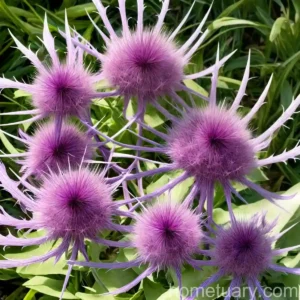
Safflower, Carthamus tinctorius, is a member of the Asteraceae family and is native to regions of the Middle East and Asia. It is an annual, thistle-like plant that is prized for its vibrant and long-lasting flowers, as well as its seeds, which are a source of valuable oil. The plant has been cultivated for thousands of years, primarily for the extraction of safflower oil, which has numerous culinary, medicinal, and industrial uses.
In addition to its economic significance, safflower has a rich cultural and historical background, with its uses extending to traditional medicine, dye production, and folklore beliefs. The plant’s versatility and adaptability have made it a valuable resource in various cultures around the world.
Key Takeaways – Safflower (Carthamus Tinctorius)
In this section, we will provide a concise overview of the key takeaways related to safflower, emphasizing its cultural requirements, uses, common diseases, pests, and propagation techniques.
Culture
- Safflower, Carthamus tinctorius, is an annual flowering plant that requires well-drained soil and a sunny location for optimal growth.
- It can tolerate drought conditions, making it suitable for arid and semi-arid regions.
- Safflower is grown for both its ornamental value and its commercially valuable seeds.
Uses
- Safflower seeds are a source of high-quality oil, commonly used in cooking and food preparation.
- The oil extracted from safflower seeds has medicinal properties and is used in traditional medicine and skincare products.
- Safflower is also cultivated for its vibrant flowers, which have ornamental and decorative applications.
Water
- Safflower plants require minimal water once established and are well-suited to dry and arid environments.
- Overwatering should be avoided, as it can lead to root rot and other moisture-related issues.
Sunlight
- Safflower thrives in full sunlight and requires at least 6-8 hours of direct sunlight per day for optimal growth and flower production.
- Insufficient sunlight can result in leggy growth and reduced flowering.
Fertilizer
- Safflower has moderate fertilization needs and can benefit from a balanced fertilizer application during the growing season.
- Organic fertilizers, such as compost or well-rotted manure, can be beneficial for enhancing soil fertility.
Soil
- Well-drained, loamy soil is ideal for safflower cultivation, as it helps prevent waterlogging and root suffocation.
- Safflower is adaptable to different soil types, including sandy and clay soils, as long as drainage is adequate.
Pruning
- Minimal pruning is required for safflower plants, primarily for deadheading spent flowers to encourage continuous blooming.
- Regular deadheading can also prevent self-seeding and maintain a tidy appearance in the garden.
Propagation
- Safflower can be propagated from seeds, which should be sown directly in the garden after the last frost date in spring.
- Germination typically occurs within 7-14 days under optimal conditions, and seedlings can be thinned to allow for proper spacing.
Container Popularity
- Safflower can be successfully grown in containers, provided that the containers are large enough to accommodate the plant’s root system.
- Container-grown safflower can be a valuable addition to patios, balconies, and small gardens.
Container Common Diseases
- While safflower is relatively resistant to many diseases, container-grown plants may be susceptible to root rot and fungal infections if overwatered.
Disease Diagnosis
- Common diseases that may affect safflower include powdery mildew, stem rot, and damping-off.
- Proper diagnosis and timely intervention are crucial for managing and preventing disease outbreaks.
Common Pests
- Aphids, caterpillars, and spider mites are among the common pests that may affect safflower plants.
- Regular monitoring and the use of natural predators or organic pest control methods can help manage pest infestations.
Botanist’s Tips
- When cultivating safflower, be mindful of not overcrowding the plants, as adequate spacing promotes air circulation and reduces the risk of diseases.
- Safflower can be an attractive addition to wildlife-friendly gardens, as its flowers are known to attract pollinators such as bees and butterflies.
Fun Facts
- Safflower has been cultivated for over 4,000 years, with its origins traced back to ancient civilizations in the Middle East and Egypt.
- The plant’s flowers have been used as a natural dye for textiles, producing vibrant shades of yellow, orange, and red.
Links to External Resources
USDA Natural Resources Conservation Service – Safflower Plant Guide
National Center for Biotechnology Information – Carthamus Tinctorius
Now, let’s delve deeper into the various aspects of safflower, exploring its uses, historical significance, and ecological impact in greater detail.
Safflower (Carthamus Tinctorius) Cultivation
Safflower, known by its scientific name Carthamus tinctorius, is a versatile and hardy plant that can be cultivated for its vibrant flowers, oil-rich seeds, and economic significance. Whether grown in home gardens, agricultural fields, or as a source of natural dyes, safflower offers a range of benefits and applications. In this section, we will explore the cultural requirements, cultivation techniques, and potential uses of safflower.
Safflower Plant Benefits
Safflower offers a range of benefits due to its diverse applications and adaptability to varying environmental conditions. Some key benefits of cultivating safflower include:
- A source of high-quality oil: Safflower seeds contain oil that is low in saturated fats and rich in linoleic acid, making it a valuable component in cooking oils and health products.
- Ornamental value: Safflower’s bright and long-lasting flowers make it an attractive addition to gardens and landscapes, adding vibrant colors and pollinator-friendly blooms.
- Drought tolerance: Safflower is well-suited to arid and semi-arid regions, where its ability to withstand drought conditions makes it a valuable crop for water-stressed environments.
- Cultural and historical significance: Safflower has been an integral part of various cultures and traditions, with uses ranging from traditional medicine to dye production.
Carthamus Tinctorius Uses
Safflower Oil Production
One of the primary uses of safflower is the production of safflower oil, which serves various culinary, medicinal, and industrial purposes. Safflower oil is extracted from the seeds of the plant and is known for its high smoke point, making it suitable for cooking at high temperatures. The oil is also used in salad dressings, margarine, and as a base for skincare products due to its moisturizing properties.
Safflower Cultivation Tips
Soil and Sunlight Requirements
When cultivating safflower, it is important to consider the soil and sunlight requirements for optimal growth. Safflower thrives in well-drained, loamy soil with a pH range of 6.0-7.5. It is also crucial to provide the plants with full sunlight, as they require at least 6-8 hours of direct sunlight per day for robust growth and flowering.
Watering and Fertilization
Safflower is relatively tolerant of drought conditions, but adequate moisture during the germination and flowering stages is essential. Once established, safflower plants require minimal watering, making them suitable for water-efficient cultivation. Additionally, a balanced fertilizer application can support healthy growth and seed production.
Temperature Considerations
Safflower is sensitive to frost, and its cultivation should align with the appropriate growing season for a given region. Planting after the last frost date in spring allows the plants to establish before the onset of intense summer heat, promoting strong root development and flower formation.
Carthamus Tinctorius Varieties
Safflower comes in various cultivars and varieties, each with unique characteristics and growth habits. Some common safflower varieties include:
- Meghdoot: Known for its high oil content and adaptability to diverse climatic conditions.
- Bhima: A high-yielding safflower variety with good resistance to pests and diseases.
- S-525: Safflower cultivar known for its oil quality and stability under different environmental conditions.
Safflower Plant Care
Proper care is essential for healthy and productive safflower plants. Key aspects of safflower plant care include:
- Pest and disease management: Regular monitoring for pests such as aphids, caterpillars, and mites is crucial, along with timely intervention to prevent infestations. Disease-resistant varieties can also be selected to minimize the risk of fungal infections and other common diseases.
- Mulching: Applying a layer of organic mulch around safflower plants helps conserve soil moisture, suppress weed growth, and maintain a stable root zone temperature.
- Harvesting techniques: Safflower seeds are typically harvested when the plants have matured and the seed heads have dried. Proper timing and harvesting methods are vital for preserving the quality of the seeds and maximizing yield.
Health Benefits of Safflower (Carthamus Tinctorius)
Safflower offers a range of health benefits, thanks to its oil-rich seeds and potential medicinal properties. Some notable health benefits of safflower include:
- Cardiovascular health: Safflower oil is known for its high linoleic acid content, which may contribute to cardiovascular health by reducing LDL cholesterol levels.
- Skincare: The moisturizing and emollient properties of safflower oil make it a popular ingredient in skincare products, providing hydration and promoting skin health.
Safflower for Skincare
Safflower oil’s skincare benefits extend to its ability to nourish and moisturize the skin, making it a valuable addition to various skincare formulations. It is particularly well-suited for dry and sensitive skin types, offering hydration and improving skin texture.
Medicinal Uses of Carthamus Tinctorius
In traditional medicine systems, safflower has been used to address various health concerns, including:
- Pain relief: Safflower has been employed as a natural remedy for pain relief, with its anti-inflammatory properties being of particular interest in traditional medicinal practices.
- Digestive health: Safflower seeds have been used to promote digestive well-being and alleviate digestive discomfort.
Growing Safflower (Carthamus Tinctorius) at Home
For gardening enthusiasts, growing safflower at home can be a rewarding experience, offering the satisfaction of nurturing a versatile and valuable plant. When growing safflower at home, consider the following tips:
- Select a sunny location: Choose a spot in your garden that receives ample sunlight, as safflower thrives in full sun conditions.
- Provide well-drained soil: Ensure that the soil is well-drained and fertile, providing the necessary growing medium for healthy safflower plants.
- Water sparingly: Once established, safflower plants require minimal watering, making them well-suited to low-maintenance gardening.
Safflower Oil Extraction Process
The process of extracting safflower oil involves several key steps, including seed cleaning, pressing, and refining. The extraction process yields a high-quality oil that is desirable for culinary and industrial applications. The production of safflower oil contributes to the plant’s economic significance and value as a versatile crop.
Safflower Dyes and Pigments
Safflower has historically been used as a source of natural dyes and pigments, providing vibrant colors for textiles, foods, and artistic materials. The flowers of safflower yield shades of yellow, orange, and red, offering a natural and sustainable alternative to synthetic dyes.
Carthamus Tinctorius in Traditional Medicine
Safflower holds a significant place in traditional medicine systems, where it has been utilized for its potential health-promoting properties. In traditional medicine, safflower has been associated with:
- Anti-inflammatory effects: Safflower is believed to possess anti-inflammatory properties, which have been valued in addressing various health conditions.
- Circulatory support: The cardiovascular benefits of safflower oil have been recognized in traditional medicinal practices, contributing to its medicinal uses.
Types of Safflower (Carthamus Tinctorius)
Safflower encompasses various types and cultivars, each with distinct characteristics and applications. Common types of safflower include:
- Oilseed safflower: Cultivated primarily for the extraction of oil-rich seeds, which are used in cooking oils, health products, and industrial applications.
- Ornamental safflower: Grown for its decorative and vibrant flowers, which add color and visual interest to gardens and landscapes.
Organic Farming of Safflower
Safflower cultivation can align with organic farming practices, emphasizing sustainability and environmental stewardship. Organic safflower farming involves:
- Organic soil management: Implementing organic soil amendments and natural fertilizers to support soil health and fertility.
- Integrated pest management: Employing natural predators, beneficial insects, and cultural practices to manage pests and minimize the need for chemical interventions.
- Conservation practices: Emphasizing water conservation, biodiversity enhancement, and ecological balance in safflower cultivation.
Safflower Seeds and Their Uses
Safflower seeds are a valuable component of the plant, with diverse uses and applications, including:
- Oil production: Safflower seeds are pressed to extract high-quality oil, which serves as a staple ingredient in cooking, baking, and food preparation.
- Bird feed: Safflower seeds are a popular choice for bird feed, attracting a variety of bird species to gardens and bird feeding stations.
Carthamus Tinctorius as a Natural Dye
The historical use of safflower as a natural dye has made it a renowned source of vibrant and long-lasting colors. Its application as a natural dye encompasses:
- Textiles: Safflower has been used to dye fabrics and textiles, imparting shades of yellow, orange, and red to various materials.
- Arts and crafts: Artists and craftspeople have utilized safflower-based dyes for painting, pottery, and other creative pursuits.
Safflower Tea Benefits
Safflower tea, made from the plant’s dried flowers, offers a range of potential health benefits, including:
- Antioxidant properties: Safflower tea contains antioxidants that may support overall well-being and promote cellular health.
- Digestive support: Some traditional medicinal practices have incorporated safflower tea as a digestive aid, helping to alleviate digestive discomfort.
Safflower Supplements and Health Products
The nutritional and health-enhancing properties of safflower have led to its incorporation into various supplements and health products, including:
- Dietary supplements: Safflower oil supplements are available as a source of essential fatty acids and may contribute to overall nutritional wellness.
- Health products: Safflower oil is a common ingredient in skincare, hair care, and wellness products, offering moisturizing and nourishing effects.
Carthamus Tinctorius as a Food Colorant
Safflower has been utilized as a natural food colorant, adding vibrant hues to a variety of culinary creations. Its uses as a food colorant encompass:
- Baking and confectionery: Safflower-based colors have been employed in baking, confectionery, and dessert preparation, providing natural and non-synthetic color options.
- Culinary applications: Safflower has been used to impart color to beverages, soups, and savory dishes, offering a natural and plant-derived alternative to synthetic dyes.
Safflower Plant History and Origins
The history and origins of safflower trace back thousands of years, with its cultivation and uses being deeply intertwined with various cultures and civilizations. Key aspects of safflower’s history include:
- Ancient civilizations: Safflower cultivation can be traced to ancient civilizations, including those in the Middle East and Egypt, where it held cultural and economic significance.
- Global spread: Over time, safflower cultivation spread to other regions, adapting to diverse climates and becoming valued for its multiple uses.
Safflower as a Companion Plant
Safflower has been recognized for its potential as a companion plant, offering benefits to neighboring plants and contributing to overall garden health. As a companion plant, safflower can:
- Attract pollinators: Safflower flowers are known to attract pollinators such as bees, butterflies, and beneficial insects, supporting the ecological balance of garden ecosystems.
- Soil improvement: Safflower’s deep taproot can help break up compacted soil and enhance soil structure, benefiting nearby plants with improved aeration and nutrient uptake.
Carthamus Tinctorius as Livestock Feed
In addition to its human uses, safflower has been incorporated into livestock feed, offering a nutritious and valuable component in animal diets. Safflower as livestock feed provides:
- High protein content: Safflower meal, a byproduct of oil extraction, contains significant protein levels, contributing to balanced and nutritious animal rations.
- Animal health benefits: Safflower meal has been recognized for its potential to support animal health and well-being, serving as a valuable ingredient in livestock feed formulations.
Safflower Plant Symbolism
Safflower holds cultural and symbolic significance in various traditions and belief systems, representing concepts such as:
- Vitality and endurance: The resilience of safflower plants and their ability to thrive in challenging environments have led to associations with vitality and endurance.
- Purity and beauty: Safflower’s vibrant and luminous flowers have been linked to notions of purity, beauty, and prosperity in different cultural contexts.
Safflower Plant in Mythology
Safflower has appeared in mythological narratives and folklore, where it carries symbolic and narrative significance. Safflower in mythology represents:
- Love and passion: In some cultural myths, safflower is associated with themes of love, passion, and emotional intensity, reflecting the plant’s vibrant and arresting flowers.
- Transformation and growth: Safflower’s life cycle, from seed to bloom, has been emblematic of themes related to transformation, growth, and renewal in mythological contexts.
Carthamus Tinctorius in Traditional Chinese Medicine
Traditional Chinese medicine has recognized safflower for its potential health-promoting properties and therapeutic applications. In traditional Chinese medicine, safflower is utilized for:
- Circulatory support: Safflower has been valued for its potential to promote healthy circulation and alleviate discomfort related to circulatory imbalances.
- Wellness maintenance: Traditional Chinese medicine incorporates safflower into wellness and health maintenance practices, utilizing its natural properties in various formulations.
Safflower Plant Diseases and Pests
While safflower is relatively resilient, it is not immune to diseases and pests that can affect its health and productivity. Common safflower plant diseases and pests include:
- Powdery mildew: A fungal infection that can affect safflower leaves and stems, leading to reduced vigor and unsightly foliage.
- Stem rot: