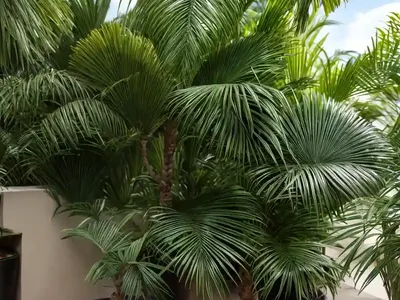
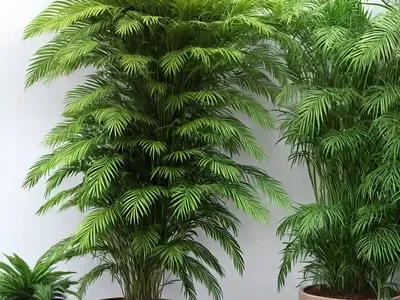
Sabal Minor (Dwarf Palmetto)
Plants are a fascinating aspect of our natural world, playing critical roles in ecological balance, providing sustenance, and offering aesthetic appeal. As.
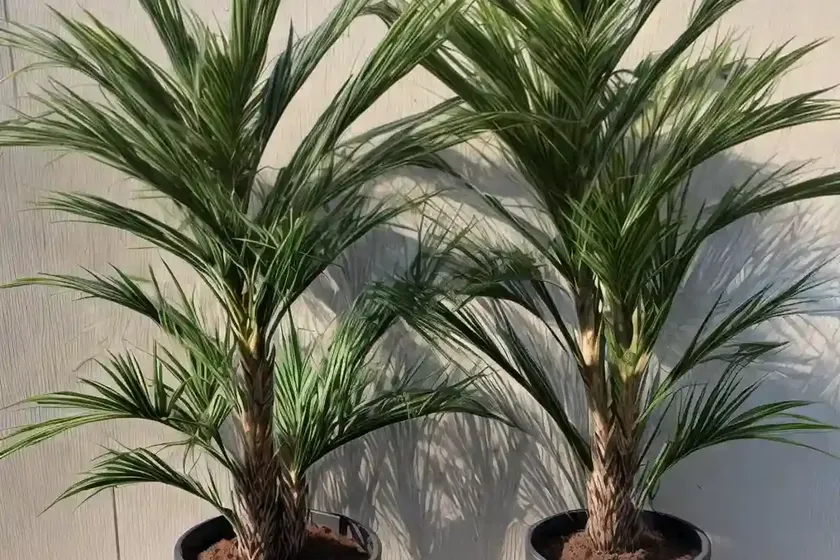
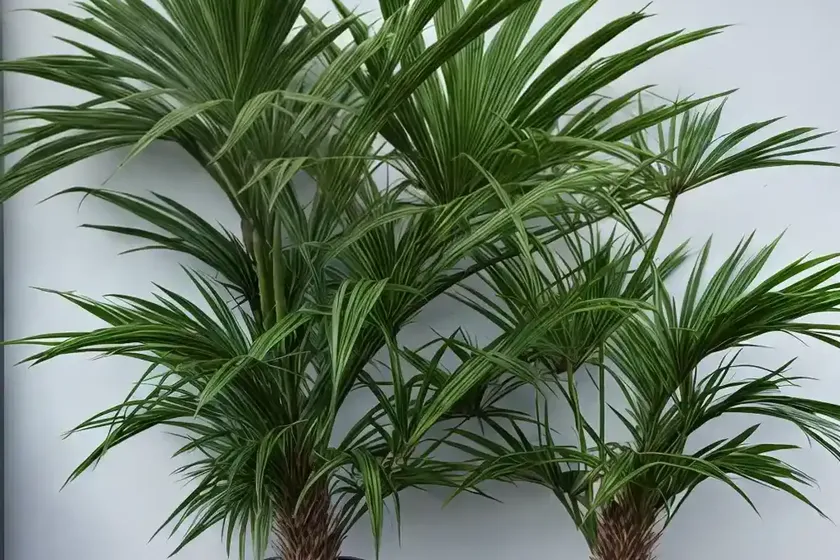
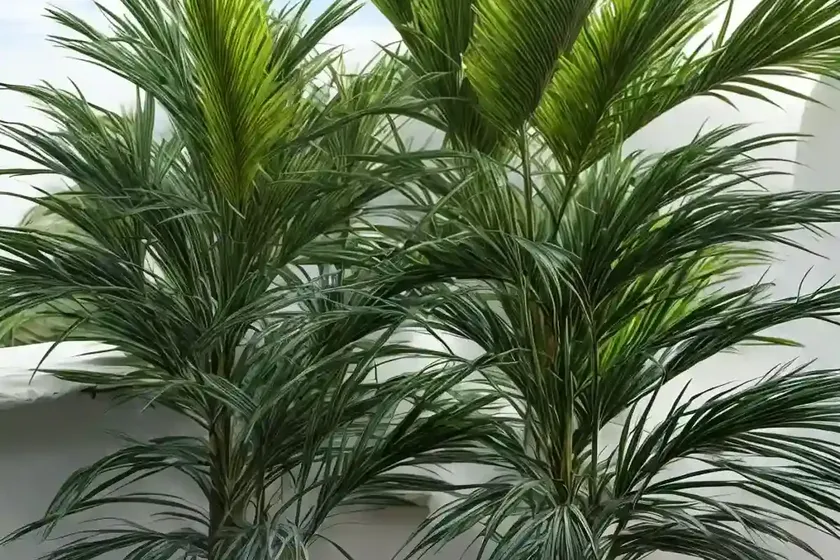
Plants are a fascinating aspect of our natural world, playing critical roles in ecological balance, providing sustenance, and offering aesthetic appeal. As a plant scientist, I have had the opportunity to study diverse plant species and appreciate their unique characteristics and contributions. In this blog post, I aim to delve into the world of Sabal minor, commonly known as the Dwarf Palmetto, and explore its cultivation, characteristics, and significance in landscaping and natural habitats.
What is Sabal minor (Dwarf Palmetto)?
Sabal minor is a species of palm native to the southeastern United States and northeastern Mexico. It is part of the Arecaceae family and is characterized by its small size, making it ideal for various landscaping applications. This hardy palm is well-suited for temperate and subtropical regions, where it thrives in a range of environmental conditions.
Key Takeaways – Sabal minor (Dwarf Palmetto)
- Scientific Name: Sabal minor
- Common Name: Dwarf Palmetto
- Family: Arecaceae
- Native Range: Southeastern United States, northeastern Mexico
- Characteristics: Small size, palmate leaves, drought tolerance
- Cultivation: Low maintenance, adaptable to different soil types
- Significance: Landscaping, wildlife habitat, historical uses
In the following sections, we will explore the cultivation, uses, and unique characteristics of Sabal minor in detail.
Culture
Dwarf Palmettos have a rich cultural significance, particularly in regions where they are native. The Native American tribes of the southeastern United States, such as the Seminole and Miccosukee, have historically utilized various parts of the Sabal minor plant for food, shelter, and craft-making. The heart of the Dwarf Palmetto, also known as “swamp cabbage,” is a traditional source of sustenance for indigenous communities. Additionally, the leaves have been used for weaving baskets and thatching roofs, showcasing the plant’s versatility and cultural importance.
Uses
Historical and Cultural Uses
- Food Source: The heart of the Dwarf Palmetto is harvested as a traditional food resource in certain communities.
- Craft Material: Leaves are used for crafting baskets, mats, and thatched roofs in Native American traditions.
- Medicinal Purposes: In traditional medicine, various parts of the plant have been used for their potential medicinal properties.
Contemporary Landscaping and Horticulture
- Ornamental Planting: Sabal minor is widely used in landscaping and horticulture for its attractive appearance and low maintenance requirements.
- Wildlife Habitat: The plant provides valuable habitat and food sources for native wildlife, including birds and small mammals.
Water
The water requirements of Sabal minor make it an excellent choice for landscaping in a variety of settings. While it thrives in moist to wet soils, it is also remarkably tolerant of drought conditions once established. This adaptability to a range of moisture levels makes it a valuable asset in landscaping projects, particularly in areas with fluctuating water availability.
Water Requirements
- Establishment Phase: During the initial establishment period, regular watering is essential to promote healthy root development.
- Mature Plants: Once established, Dwarf Palmettos are highly tolerant of drought, requiring minimal supplemental irrigation in most cases.
- Soil Considerations: Well-draining soils are recommended to prevent waterlogging, especially in locations with heavy or clay-rich soils.
Every effort should be made to avoid overwatering, as this can lead to root rot and other water-related issues. When considering the use of Sabal minor in landscaping, its water-wise characteristics make it a valuable addition to water-efficient garden designs and xeriscapes.
Sunlight
Proper sunlight exposure is crucial for the healthy growth of Sabal minor plants. As a sun-loving species, it thrives in bright, direct sunlight and is well-adapted to open, sunny landscapes. Its ability to tolerate full sun makes it a versatile choice for a variety of outdoor environments.
Sunlight Preferences
- Full Sun: Sabal minor is ideally suited to locations with ample sunlight, where it can exhibit optimal growth and vitality.
- Partial Shade: While it prefers full sun, it can also tolerate partial shade, particularly in regions with intense summer heat or prolonged periods of sun exposure.
When incorporating Dwarf Palmettos into landscaping designs, it is essential to consider their sunlight requirements and ensure that they are positioned in areas that receive adequate light for their growth and aesthetic appeal.
Fertilizer
The fertilizer needs of Sabal minor are relatively minimal, owing to its adaptability to various soil types and its ability to thrive in nutrient-poor conditions. However, under specific circumstances, such as those involving poor soil quality or inadequate nutrient availability, supplemental fertilization can help enhance the plant’s vigor and overall health.
Fertilization Guidelines
- Soil Testing: Before applying fertilizers, it is advisable to conduct a soil test to assess the existing nutrient levels and pH of the soil.
- Balanced Fertilizers: In cases where soil deficiencies are identified, a balanced, slow-release fertilizer designed for palms and other tropical plants can be applied according to the manufacturer’s recommendations.
- Frequency: If fertilization is deemed necessary, it is generally carried out once or twice a year, typically in the spring and fall, to provide essential nutrients for healthy growth.
It is important to exercise caution when applying fertilizers to Sabal minor plants, as excessive or improper use can lead to nutrient imbalances and potential harm to the plant’s root system.
Soil
The adaptability of Sabal minor to a variety of soil types makes it a valuable addition to diverse landscapes. From sandy, well-drained soils to heavier, clay-based substrates, this hardy palm exhibits impressive resilience and adaptability, making it a versatile choice for a wide range of planting scenarios.
Soil Preferences
- Well-Drained Soil: While it can tolerate a range of soil types, Sabal minor thrives in well-drained soils, particularly those with good drainage properties.
- Soil pH: It can grow in neutral to slightly acidic soils, with a preference for pH levels in the range of 5.0 to 7.5.
- Soil Amendments: In cases where soil quality is poor or drainage is inadequate, incorporating organic matter and improving soil structure can enhance the plant’s performance.
By understanding the soil preferences of Sabal minor, landscape designers and gardeners can select suitable planting locations and implement soil management practices to promote healthy growth and longevity.
Pruning
Proper pruning is an essential aspect of Sabal minor maintenance, particularly in landscaping and horticultural settings. While this palm species generally requires minimal pruning, routine removal of old or damaged fronds, as well as maintenance of a neat, tidy appearance, is beneficial for its overall health and aesthetic appeal.
Pruning Considerations
- Dead Frond Removal: Regular removal of dead or yellowing fronds helps maintain the plant’s appearance and prevents potential pest and disease issues.
- Cautionary Measures: When conducting pruning activities, care should be taken to avoid unnecessary damage to the trunk or healthy fronds.
- Pruning Frequency: Pruning is typically performed on an as-needed basis, with a focus on maintaining a balanced and visually pleasing palm canopy.
By adhering to best practices for palm pruning and exercising diligence in the maintenance of Sabal minor plants, gardeners and landscapers can ensure that these palms continue to flourish and contribute to the visual appeal of their surroundings.
Propagation
The propagation of Sabal minor can be achieved through various methods, allowing for the expansion of its presence in horticultural and landscaping contexts. While seed propagation is the most commonly employed technique, division and offshoot propagation can also be successful under the right conditions.
Propagation Methods
Seeds
- Seed Collection: Collecting mature seeds from existing Sabal minor specimens is the initial step in seed propagation.
- Germination Requirements: Seeds require appropriate humidity, warmth, and well-draining substrate for successful germination.
- Nursery Propagation: Sowing seeds in controlled nursery environments can facilitate the establishment of young Sabal minor plants for subsequent transplanting.
Division and Offshoots
- Mature Clumps: Established clumps of Sabal minor can be divided or separated to produce new, independent plants.
- Offshoot Removal: Carefully removing offshoots from parent plants and replanting them can yield viable new specimens.
- Propagation Conditions: Adequate moisture and protection from extreme environmental conditions are essential for successful division and offshoot propagation.
By exploring the various methods of Sabal minor propagation, horticultural enthusiasts and professionals can expand the availability of this palm species and contribute to its preservation and dissemination in diverse landscapes.
Container Popularity
The popularity of Sabal minor in container gardening is on the rise, owing to its compact size, attractive foliage, and adaptability to confined spaces. Dwarf Palmettos make an excellent choice for container plantings in both indoor and outdoor settings, serving as versatile ornamental features that add a touch of tropical elegance to their surroundings.
Benefits of Container Cultivation
- Space Efficiency: Sabal minor plants are well-suited to container cultivation, making them suitable for urban gardens, patios, and small outdoor spaces.
- Versatile Aesthetics: Container-grown Dwarf Palmettos can enhance the visual appeal of decks, balconies, and indoor living areas with their lush, palmate leaves.
- Portability: Containers offer the flexibility to move Sabal minor plants to different locations as needed, allowing for seasonal adjustments and design versatility.
The increasing popularity of Sabal minor as a container plant underscores its adaptability and ornamental value in diverse horticultural and landscaping contexts.
Common Diseases
Sabal minor is generally resistant to many diseases, thanks to its hardy nature and resilience to environmental stressors. However, certain fungal and bacterial pathogens can pose risks to the health of these palms, particularly under conditions of poor drainage, excessive moisture, or inadequate air circulation.
Disease Susceptibility
- Phytophthora Root Rot: Excessive soil moisture can create conditions conducive to Phytophthora infection, leading to root rot and decline.
- Bud Rot: Prolonged periods of high humidity and poor air circulation can contribute to the development of bud rot, affecting the growing tips and emerging fronds.
- Ganoderma Butt Rot: This fungal disease can cause significant damage to the lower trunk of Sabal minor palms, leading to structural instability and decline.
In order to manage disease risks and protect the health of Dwarf Palmettos, it is essential to maintain favorable growing conditions, promote good drainage, and implement proper cultural practices to minimize the likelihood of infection.
Disease Diagnosis
Common Symptoms
- Leaf Browning: Discoloration and browning of fronds, often starting at the tips or margins, can indicate various disease issues.
- Stunted Growth: Slowed or abnormal growth patterns in new fronds and leaf development may be indicative of underlying health concerns.
- Trunk Lesions: The presence of lesions or discoloration on the trunk can signify potential disease or pathogen activity.
Diagnostic Steps
- Visual Inspection: Regular monitoring of the palm’s foliage, trunk, and overall appearance can reveal telltale signs of disease.
- Laboratory Analysis: In cases of uncertain diagnosis, obtaining professional laboratory testing or consulting with plant health experts can provide valuable insights.
By promptly identifying and addressing disease symptoms in Sabal minor palms, gardeners and horticultural professionals can take proactive measures to safeguard the health and vitality of these valuable landscape specimens.
Common Pests
While Sabal minor is relatively resistant to pest infestations, certain insect pests can still pose challenges to the health and aesthetics of these palms. Rapid detection and appropriate intervention are crucial in preventing pest-related damage and fostering optimal growth.
Pest Identification
- Palmetto Weevils: These destructive insects can cause severe damage to Sabal minor palms, particularly targeting the growing tips and central meristem of the plant.
- Spider Mites: Infestations of spider mites can lead to stippling, discoloration, and decreased vigor in Sabal minor foliage.
- Scale Insects: Insect scales can affect the leaves and stems of Dwarf Palmettos, draining essential nutrients and compromising plant health.
Implementing proactive pest monitoring and employing targeted pest management strategies are crucial for mitigating risks and preserving the health and aesthetics of Sabal minor specimens.
Botanist’s Tips
As a plant scientist with expertise in palm species, I have compiled a set of practical tips to guide enthusiasts and professionals in the successful cultivation and maintenance of Sabal minor.
Best Practices
- Soil Preparation: Prior to planting, ensure that the soil is well-drained and of suitable quality for palm growth.
- Pruning Care: Exercise caution during pruning activities to avoid unnecessary damage to the plant and maintain a tidy appearance.
- Pest and Disease Monitoring: Regularly inspect Sabal minor palms for signs of pests and diseases, intervening promptly if issues are detected.
- Water Management: Practice mindful irrigation to prevent overwatering and maintain optimal soil moisture levels.
- Cultural Adaptability: Leverage the adaptability of Sabal minor to diversify its usage in landscaping and horticulture, exploring its potential in various settings and design schemes.
By incorporating these botanist’s tips into their horticultural practices, enthusiasts and professionals can optimize the cultivation and care of Sabal minor palms, harnessing their unique characteristics for both functional and aesthetic purposes.
Fun Facts
Sabal minor is not only a valuable landscape plant but also a species with intriguing natural and historical significance. Here are some lesser-known fun facts about this fascinating palm:
- Salt Tolerance: Sabal minor exhibits remarkable salt tolerance, making it suitable for coastal landscapes and environments with saline soil conditions.
- Wildlife Habitat: The fruit of the Dwarf Palmetto serves as a food source for various bird species, contributing to its role in supporting native wildlife populations.
- Historical Significance: The presence of Sabal minor in historical landscapes and indigenous uses underscores its enduring cultural and ecological importance.
These fun facts offer a deeper insight into the distinctive attributes and ecological roles of Sabal minor in both natural and cultivated settings.
Links to External Resources
- Sabal minor: A Valuable Palm for Coastal Landscapes
- Native Florida Palms: Sabal minor and Serenoa repens
- Palm Diseases and Nutritional Problems: A Quick Reference Guide for Field Diagnosis
- Insect Management in Commercial Palm Plantings
- Landscape Plant Propagation Information Page: Sabal minor
By leveraging the insights and information provided by these external resources, enthusiasts and professionals can expand their knowledge of Sabal minor, its cultivation requirements, and its diverse applications in horticulture and landscape design.
As a plant scientist, it is my hope that this comprehensive exploration of Sabal minor has shed light on its cultivation, uses, and significance. Whether in landscaping, ecological restoration, or horticultural experimentation, Sabal minor stands as a testament to the adaptability and allure of palm species, enriching our natural and cultural landscapes through its remarkable attributes.
The information provided in this blog post is intended for educational and informational purposes only. It is not a substitute for professional horticultural or botanical advice. Readers and practitioners engaging in the cultivation and care of Sabal minor are encouraged to consult with local horticultural experts, extension services, and botanical resources for specific guidance tailored to their unique environmental and cultural contexts.