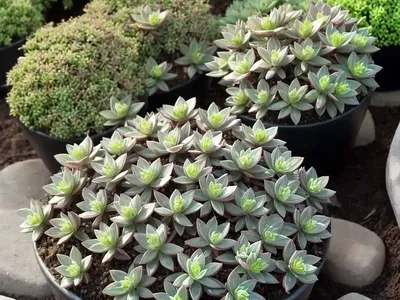
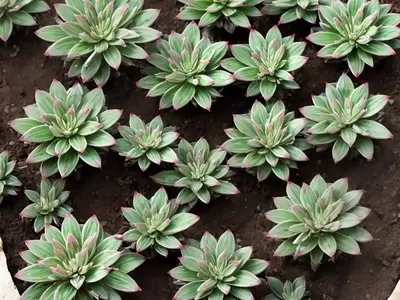
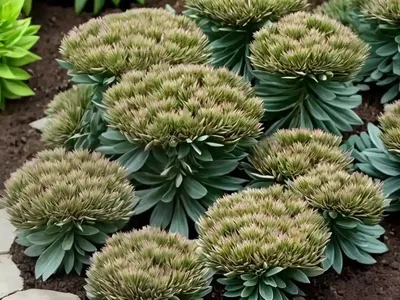
Ruffled Echeveria (Echeveria ‘Ruffles’)
Ruffled Echeveria, scientifically known as Echeveria ‘Ruffles’, is a stunning succulent plant renowned for its distinctive ruffled leaves and attractive.
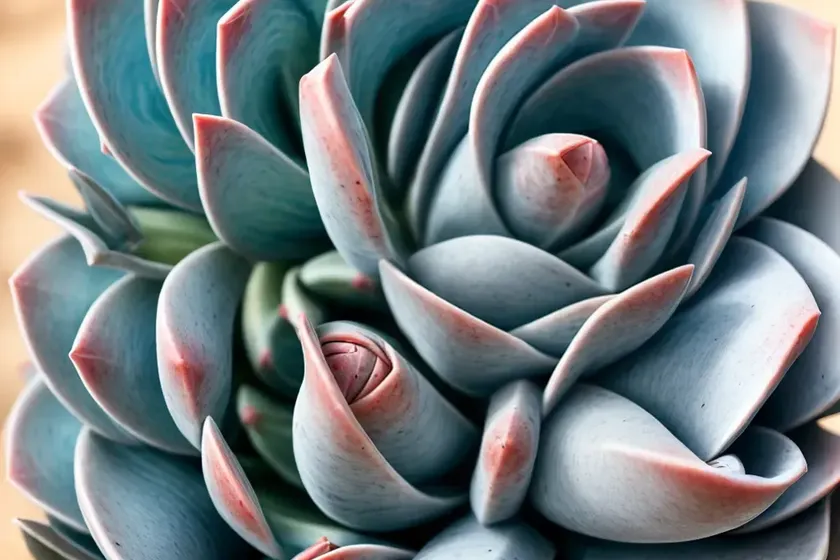
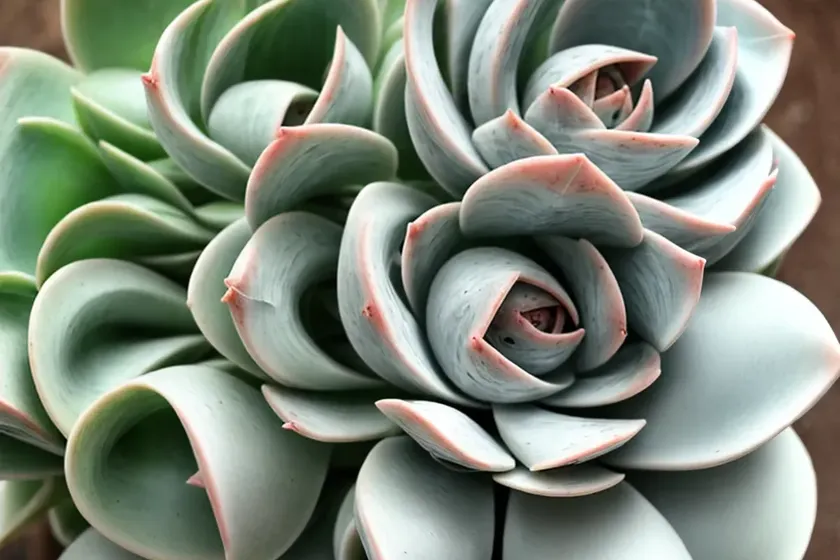
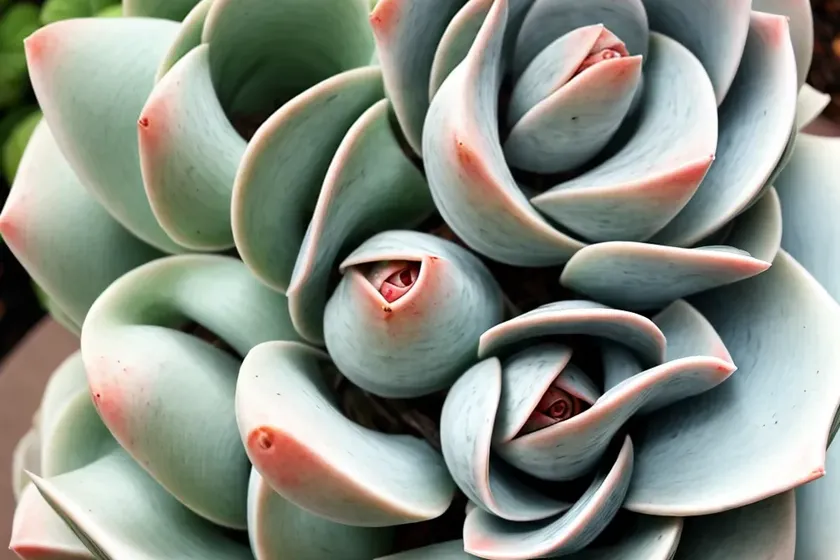
Ruffled Echeveria, scientifically known as Echeveria ‘Ruffles’, is a stunning succulent plant renowned for its distinctive ruffled leaves and attractive rosette formation. As a plant scientist with a passion for succulents, I am excited to delve into the nuances of the Ruffled Echeveria, encompassing its culture, uses, maintenance, and various propagation methods. Throughout this comprehensive guide, we will explore the essential care requirements, propagation techniques, common diseases, and botanist’s tips, which will enable you to cultivate and appreciate this gorgeous succulent to its fullest potential.
What is Ruffled Echeveria (Echeveria ‘Ruffles’)?
Ruffled Echeveria, known by its botanical name Echeveria ‘Ruffles’, is a beautiful succulent that belongs to the family Crassulaceae. This plant is a cultivar of the Echeveria genus and is especially cherished for its striking appearance. Its leaves have undulating margins, giving them a wavy, ruffled, and somewhat curly appearance, which sets it apart from other Echeveria varieties. Native to the semi-desert regions of Central America, specifically Mexico, Echeveria ‘Ruffles’ has gained immense popularity among succulent enthusiasts and gardeners worldwide due to its remarkable aesthetics and relatively low maintenance requirements.
Key Takeaways – Ruffled Echeveria (Echeveria ‘Ruffles’)
Before we delve into the specifics of caring for Ruffled Echeveria, let’s summarize its key takeaways:
- Scientific Name: Echeveria ‘Ruffles’
- Family: Crassulaceae
- Native Region: Central America, primarily Mexico
- Distinctive Feature: Ruffled, undulating leaves
- Popular Cultivar: Valued for its striking appearance and low maintenance requirements
Now, let’s embark on an exploration of the culture, uses, and key care requirements for this captivating succulent.
Culture
Uses
Ruffled Echeveria, as a prized succulent cultivar, serves various horticultural and aesthetic purposes. Its uses include:
- Garden Landscaping: Echeveria ‘Ruffles’ is often utilized in garden landscapes, rock gardens, and xeriscapes due to its drought-tolerant nature and ornamental appeal.
- Container Gardening: It thrives in containers, making it an excellent choice for indoor decor, patio arrangements, and succulent gardens.
- Ground Cover: Due to its rosette-forming growth habit, it can be used as ground cover in suitable climates.
Water
Echeveria ‘Ruffles’ falls into the category of succulent plants, indicating its ability to store water in its leaves and stems. When it comes to watering this succulent, it is crucial to understand its specific requirements to avoid overwatering, which can lead to root rot and other issues. The following points highlight the essential considerations for watering Ruffled Echeveria:
- Frequency: Water Echeveria ‘Ruffles’ deeply but infrequently. It is crucial to allow the soil to dry out almost completely between waterings, especially during the plant’s dormant period.
- Seasonal Variations: Adjust the watering frequency based on seasonal changes. Decrease watering during the winter months when the plant is generally less active.
- Watering Technique: Water at the base of the plant, aiming to keep the foliage dry to prevent rot and fungal diseases.
Sunlight
The sunlight requirements of Echeveria ‘Ruffles’ are integral to its growth and overall well-being. Adequate sunlight ensures proper coloration, compact growth, and the development of vibrant rosettes. Here are the key considerations for providing the right amount of sunlight:
- Full Sun Exposure: Echeveria ‘Ruffles’ thrives in bright, indirect sunlight or partial to full sun conditions. When grown indoors, place it near a south-facing window to ensure it receives ample sunlight.
- Sunlight Intensity: While it thrives in bright light, protection from intense, direct sunlight during the hottest hours of the day is essential to prevent sunburn and leaf damage.
Fertilizer
Proper fertilization is vital for the healthy growth of Ruffled Echeveria, ensuring vibrant foliage and robust overall plant development. Adopting a balanced approach to fertilizing will contribute to the longevity and visual appeal of this captivating succulent. Consider the following fertilizer guidelines for Echeveria ‘Ruffles’:
- Fertilizer Type: Use a balanced, water-soluble fertilizer formulated for succulent plants. An NPK ratio of 20-20-20 or 10-10-10 is generally suitable.
- Application Frequency: Fertilize Echeveria ‘Ruffles’ sparingly during the growing season, typically in spring and summer, at half the recommended strength.
- Avoid Overfertilization: Refrain from overfertilizing, as excessive nutrients can lead to leggy growth and potential damage to the plant.
Soil
The right soil type is crucial for the proper growth and development of Ruffled Echeveria, as it directly influences drainage, root health, and overall plant vigor. Building a well-draining and nutrient-rich soil environment is essential for the success of Echeveria ‘Ruffles’. Consider the following soil recommendations:
- Well-Draining Mix: Plant your Echeveria ‘Ruffles’ in a well-draining succulent or cactus potting mix, ensuring that excess water can easily escape the root zone.
- Additional Amendments: Incorporate perlite or coarse sand into the potting mix to enhance drainage and aeration. This aids in preventing waterlogged soil conditions.
- Avoid Water-Retentive Soils: Refrain from using heavy, moisture-retentive soils, as they can lead to root rot and other moisture-related issues.
Pruning
Pruning plays a crucial role in maintaining the shape, health, and visual appeal of Ruffled Echeveria. As the plant grows, occasional pruning and maintenance become necessary to remove dead foliage, promote new growth, and manage its overall appearance. Here are the key pruning considerations for Echeveria ‘Ruffles’:
- Remove Dead Leaves: Regularly remove dried, withered, or dead leaves from the base of the plant to prevent rot and maintain a tidy appearance.
- Pruning for Shape: If your Echeveria ‘Ruffles’ starts to lose its compact shape, prune back leggy growth or stretched stems to encourage a more desirable form.
Propagation
Propagating Ruffled Echeveria is an exciting aspect of succulent cultivation, enabling enthusiasts to expand their plant collection and share the beauty of this cultivar with others. Echeveria ‘Ruffles’ can be propagated through various methods, providing flexibility and opportunity for propagation success. Consider the following propagation techniques for Echeveria ‘Ruffles’:
- Leaf Cuttings: Echeveria ‘Ruffles’ can be propagated from individual leaves, making sure to allow the cut ends to callus before placing them on a well-draining substrate for root development.
- Offshoot Division: If your Echeveria ‘Ruffles’ produces offsets or “pups,” carefully remove them and transplant them into their individual containers.
- Stem Cuttings: In addition to leaf propagation, stem cuttings can be taken and rooted to create new plants, providing an alternative method of propagation.
Container Popularity
The versatility and striking appearance of Echeveria ‘Ruffles’ make it highly popular among gardeners and succulent enthusiasts for container gardening. Its adaptability to various container sizes, beautiful rosettes, and low maintenance needs contribute to its widespread popularity as a container plant.
Container Common Diseases
The susceptibility of Echeveria ‘Ruffles’ to certain diseases, especially those related to excessive moisture and poor soil conditions, necessitates attention and proactive measures to prevent or mitigate potential issues. Common diseases that may affect Ruffled Echeveria include:
- Root Rot: This disease is often the result of overwatering or poorly draining soil, leading to the decay of the plant’s roots. Preventive measures such as proper watering and well-draining soil are crucial in mitigating the risk of root rot.
- Fungal Infections: Excess moisture can also lead to fungal infections, causing issues such as powdery mildew or stem and leaf rot. Maintaining proper air circulation and ensuring the foliage remains dry during watering can help prevent fungal diseases.
Disease Diagnosis
Diagnosing diseases in Echeveria ‘Ruffles’ involves careful observation of the plant’s appearance, foliage, and overall health. Symptoms such as wilting, discoloration, and unusual growth patterns can provide valuable insights into potential diseases affecting the plant. Prompt diagnosis is crucial for implementing targeted remedies and preventing the spread of diseases to other plants.
Common Pests
Despite its resilience, Ruffled Echeveria may encounter certain common pests that can affect its health and appearance. Vigilance and proactive pest management practices are essential to safeguard the plant from potential infestations. Common pests that may affect Echeveria ‘Ruffles’ include:
- Mealybugs: These small, cottony insects can cluster on the leaves and stems, sapping the plant’s vitality. Control measures involve physically removing the pests and utilizing natural predators such as ladybugs.
- Aphids: These tiny, sap-sucking pests can distort new growth and cause yellowing of foliage. Effective control methods include spraying the plant with a forceful stream of water and applying insecticidal soap if necessary.
Botanist’s Tips
As a plant scientist deeply acquainted with succulents, including Echeveria ‘Ruffles’, I am pleased to share some valuable tips to optimize the care and cultivation of this exquisite succulent. These tips encompass various aspects of care, maintenance, and propagation, enabling you to cultivate and enjoy your Ruffled Echeveria to its fullest potential:
- Attention to Watering: Exercise caution with watering, allowing the soil to dry out substantially between waterings to prevent issues such as root rot.
- Sunlight Balance: Find a balance in providing sufficient sunlight without subjecting the plant to intense, direct sunlight, which can result in sunburn.
- Proactive Disease Management: Emphasize preventive measures such as well-draining soil and proper air circulation to mitigate the risk of diseases.
- Pruning Regularity: Regularly prune and remove dead foliage to maintain the plant’s health and aesthetic appeal.
Fun Facts
Delving into the realm of fun facts about Echeveria ‘Ruffles’ sheds light on the unique and intriguing aspects of this captivating succulent. Here are some notable fun facts about Ruffled Echeveria:
- Rosette Formation: Echeveria ‘Ruffles’ has a remarkable natural ability to form stunning, symmetrical rosettes, creating a striking visual presence in gardens and containers.
- Drought Tolerance: In its native habitat and beyond, Echeveria ‘Ruffles’ exhibits exceptional drought tolerance, a characteristic that aligns with its classification as a resilient succulent.
- Leaf Propagation: The leaves of Echeveria ‘Ruffles’ have the potential to produce new plants through propagation, contributing to its propagation versatility and appeal to enthusiasts.
Links to External Resources
For further insights and detailed information on cultivating and appreciating Echeveria ‘Ruffles’, refer to the following external resources:
- Succulent Plant Care: Tips & Techniques
- Propagation Methods for Succulents
- Disease Management in Succulent Plants
In conclusion, the allure of Ruffled Echeveria (Echeveria ‘Ruffles’) extends far beyond its striking appearance, encompassing its resilience, adaptability, and potential for propagation. By embracing the guidelines and insights shared in this comprehensive guide, you can cultivate and appreciate this exquisite succulent with confidence and enthusiasm, fostering its growth and vibrancy within your own botanical collection.
By embracing the guidelines and insights shared in this comprehensive guide, you can cultivate and appreciate this exquisite succulent with confidence and enthusiasm, fostering its growth and vibrancy within your own botanical collection.