Ruellia (Ruellia Squarrosa)
Ruellia, scientifically known as Ruellia squarrosa, is a fascinating and versatile plant that has captivated gardeners and plant enthusiasts around the.
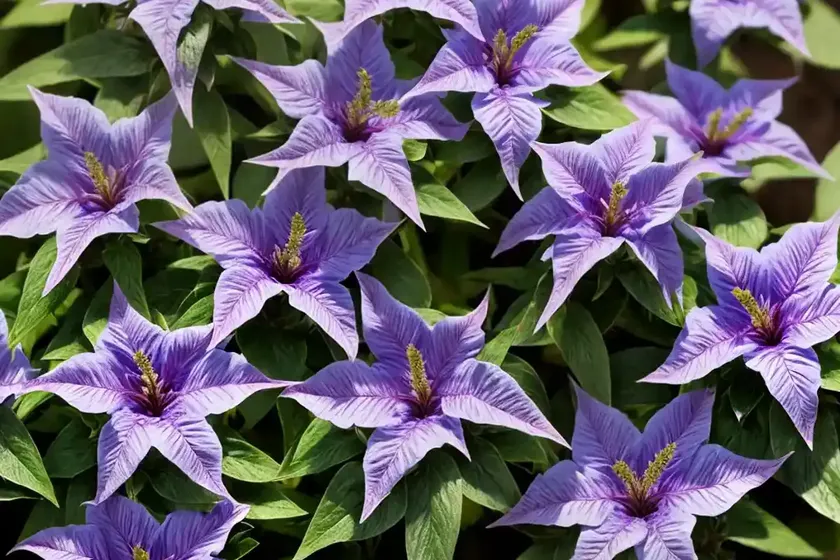
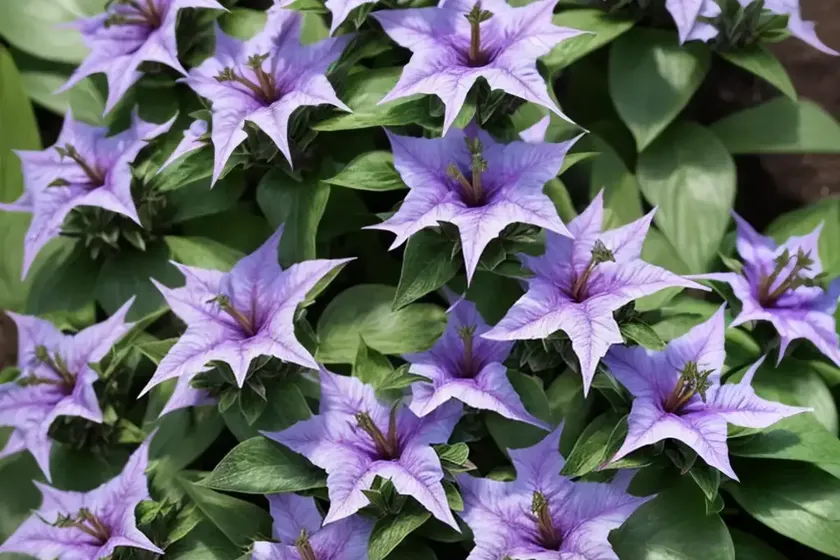
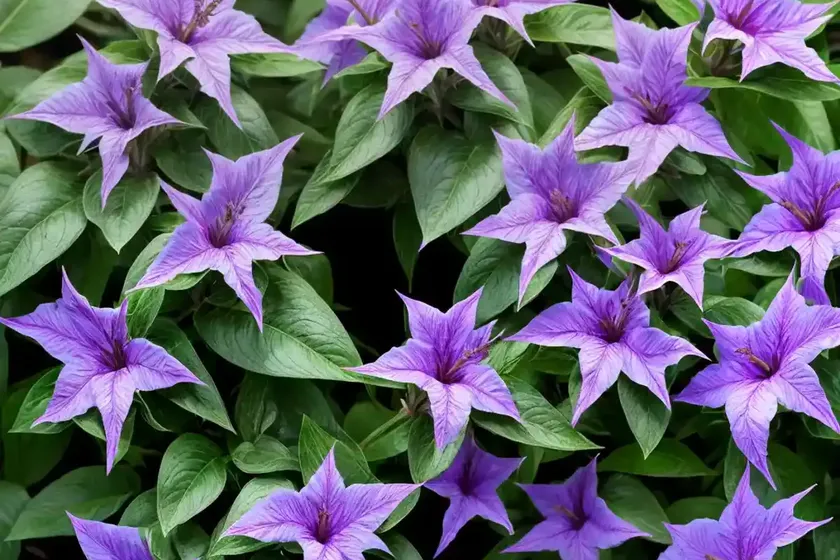
Ruellia, scientifically known as Ruellia squarrosa, is a fascinating and versatile plant that has captivated gardeners and plant enthusiasts around the world. With its vibrant flowers, easy care requirements, and numerous landscape uses, Ruellia has become a popular choice for adding beauty and interest to outdoor spaces. In this comprehensive guide, we will explore the various aspects of Ruellia, including its characteristics, cultivation, uses, and maintenance. Whether you are a novice gardener or an experienced horticulturist, this article will provide you with valuable insights into the world of Ruellia.
What is Ruellia (Ruellia squarrosa)?
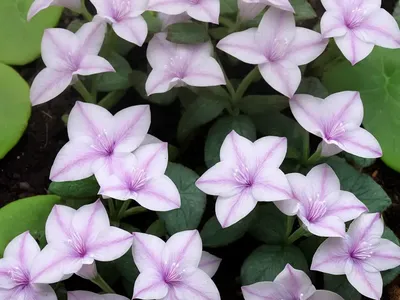
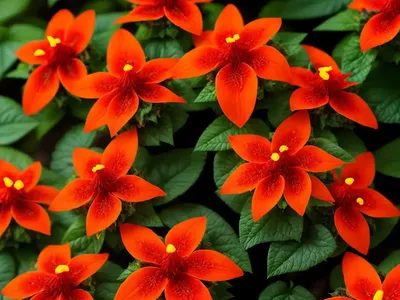
Ruellia, commonly known as wild petunia or fever root, is a genus of flowering plants in the Acanthaceae family. The Ruellia genus encompasses a diverse group of species, with Ruellia squarrosa being one of the most popular and widely cultivated varieties. Native to South and Central America, Ruellia is known for its attractive foliage and vibrant, trumpet-shaped flowers. This evergreen perennial is valued for its ability to thrive in a variety of growing conditions, making it a versatile choice for gardens, landscapes, and container plantings.
Key Takeaways – Ruellia (Ruellia squarrosa)
Before delving into the specifics of Ruellia care and cultivation, let’s highlight the key takeaways that will guide our exploration of this captivating plant.
- Ruellia (Ruellia squarrosa) is a genus of flowering plants in the Acanthaceae family, with Ruellia squarrosa being a prominent species within the genus.
- This evergreen perennial is known for its vibrant, trumpet-shaped flowers and attractive foliage.
- Ruellia is valued for its versatility and adaptability to diverse growing conditions, making it suitable for a range of landscaping and gardening applications.
- The plant exhibits various growth habits, including its ability to thrive as a ground cover, border plant, or container specimen.
- Ruellia squarrosa is prized for its medicinal properties, wildlife attraction, and ornamental value in garden and landscape settings.
Now that we have an overview of Ruellia’s significance, let’s delve into the comprehensive care and cultivation guide for this intriguing plant.
Culture
Cultivating Ruellia is a rewarding experience, given its ease of care and the array of benefits it offers to landscapes and gardens. This section will outline the cultural requirements and practices that contribute to the successful growth and maintenance of Ruellia plants.
Uses
Ruellia’s diverse uses make it a prized addition to outdoor spaces, offering both aesthetic and practical benefits. Here are some key uses of Ruellia in garden and landscape settings:
-
Ornamental Beauty: The vibrant flowers and lush foliage of Ruellia make it a popular choice for adding color and visual interest to gardens and landscapes. The plant’s ability to attract butterflies and hummingbirds adds to its ornamental appeal.
-
Ground Cover: With its spreading growth habit and dense foliage, Ruellia squarrosa serves as an excellent ground cover, effectively filling in bare areas and providing a uniform carpet of greenery.
-
Container Planting: Ruellia is well-suited for container gardening, allowing individuals to enjoy its beauty on patios, balconies, and other outdoor spaces.
-
Medicinal Uses: In addition to its ornamental value, some varieties of Ruellia possess medicinal properties and are used in traditional herbal remedies.
-
Wildlife Habitat: The plant’s nectar-rich flowers attract pollinators, making it a valuable addition to wildlife-friendly gardens and conservation areas.
Water
Proper watering is essential for the health and vitality of Ruellia plants. While the water requirements may vary based on the specific growing conditions and climate, the general guidelines for watering Ruellia include:
-
Moderate Moisture: Ruellia thrives in moderately moist soil conditions, and it is important to maintain consistent soil moisture, particularly during periods of active growth and flowering.
-
Avoid Waterlogging: While Ruellia appreciates adequate moisture, it is crucial to prevent waterlogging, as stagnant water can lead to root rot and other issues.
-
Adjust Based on Climate: In hot and dry climates, more frequent watering may be necessary to prevent the soil from drying out. Conversely, in cooler and more humid environments, less frequent watering may suffice.
Sunlight
Ruellia exhibits varying preferences for sunlight, and understanding its sunlight requirements is crucial for optimizing its growth and flowering. Consider the following sunlight guidelines when cultivating Ruellia:
-
Partial to Full Sun: Ruellia is adaptable to different light conditions, ranging from partial shade to full sun. However, it tends to produce more abundant flowers when grown in full sun or at least with partial sun exposure.
-
Shade Tolerance: While Ruellia thrives in sunnier locations, it can also tolerate some shade, making it suitable for planting under trees or in partially shaded areas of the garden.
-
Consider Regional Sunlight Patterns: Understanding the sunlight patterns specific to your region can help in determining the ideal placement for Ruellia within the landscape.
Fertilizer
Fertilizing Ruellia plants is an essential aspect of their care, as it provides the necessary nutrients for healthy growth and flowering. Use the following fertilizer guidelines to promote the well-being of your Ruellia specimens:
-
Balanced Fertilizer: A balanced, all-purpose fertilizer with an equal N-P-K ratio (nitrogen, phosphorus, potassium) can be used to feed Ruellia plants.
-
Application Frequency: Apply fertilizer to Ruellia plants in early spring, just as new growth begins, and continue with periodic feedings throughout the growing season.
-
Avoid Overfertilization: While providing nutrients is important, avoid overfertilizing Ruellia, as excessive fertilizer can lead to excessive foliage growth at the expense of flowers.
-
Organic Options: Consider organic fertilizers as an alternative, particularly for individuals seeking to enhance the sustainability of their gardening practices.
Soil
Understanding Ruellia’s soil preferences is essential for creating an optimal growing environment for the plant. Consider the following soil-related considerations when cultivating Ruellia:
-
Well-Drained Soil: Ruellia thrives in well-draining soil that allows excess water to percolate through, preventing waterlogging and root rot.
-
Moisture-Retentive: While well-drained, the soil should also retain sufficient moisture to support the plant’s growth and prevent it from drying out excessively.
-
Soil Amendments: Incorporating organic matter, such as compost or well-rotted manure, can improve the soil structure and fertility, benefiting Ruellia plants.
-
Soil pH: Ruellia prefers slightly acidic to neutral soil pH, ranging from 6.0 to 7.0. Conduct a soil test if necessary to determine the pH of the planting area and make adjustments as needed.
Pruning
Pruning plays a significant role in maintaining the health, shape, and flowering performance of Ruellia plants. Follow these pruning guidelines to ensure the optimal growth and appearance of your Ruellia specimens:
-
Deadheading Flowers: Remove spent flowers regularly to encourage continuous blooming and prevent the plant from directing energy into seed production.
-
Thinning and Shaping: Periodically thin out crowded or overgrown sections of the plant to improve air circulation and maintain an attractive, well-balanced form.
-
Renewal Pruning: In late winter or early spring, consider performing renewal pruning by cutting back overgrown or leggy stems to rejuvenate the plant.
-
Seasonal Pruning: Tailor your pruning practices to the specific growth habits and flowering patterns of Ruellia, with more substantial pruning performed in late winter or early spring to promote healthy new growth.
Propagation
Propagation allows gardeners to expand their collection of Ruellia plants and is an exciting way to share the beauty of this species with others. Explore the following propagation methods to propagate Ruellia successfully:
-
Division: Divide established clumps of Ruellia plants in early spring, carefully separating the root system to create new, viable segments for replanting.
-
Softwood Cuttings: Take softwood cuttings in spring or early summer, using healthy, actively growing stems to propagate new plants.
-
Seed Propagation: Collect seeds from mature Ruellia plants and sow them in a well-prepared seed-starting mix, providing the appropriate conditions for germination and subsequent growth.
-
Root Division: Separate the root system of mature Ruellia plants into sections, ensuring that each division has sufficient roots and shoots for successful establishment.
Container Popularity
Ruellia’s adaptability and visual appeal make it a popular choice for container gardening, offering flexibility and versatility for diverse outdoor spaces. Consider the following aspects when cultivating Ruellia in containers:
-
Container Selection: Choose well-draining containers with sufficient drainage holes to prevent water accumulation and ensure successful growth.
-
Potting Mix: Use a high-quality potting mix with excellent drainage properties, providing a suitable growing medium for Ruellia plants in containers.
-
Watering Considerations: Monitor the soil moisture in containers regularly, as they may dry out more quickly than garden beds, particularly during warm weather.
-
Outdoor Placement: Position Ruellia containers in locations that receive adequate sunlight and air circulation, promoting healthy growth and flowering.
Common Diseases
Ruellia plants are generally resilient and less susceptible to diseases when provided with suitable growing conditions. However, vigilance and proactive management are crucial for preventing and addressing potential diseases that may affect Ruellia species. Here are some common diseases that can impact Ruellia, along with strategies for disease management:
Disease Diagnosis
Identifying diseases promptly is essential for implementing effective control measures and ensuring the overall health of Ruellia plants. Keep an eye out for the following common diseases when inspecting your Ruellia specimens:
-
Powdery Mildew: Characterized by a powdery, white coating on leaves and stems, powdery mildew can weaken the plant and reduce its aesthetic appeal.
-
Cercospora Leaf Spot: This fungal disease leads to the formation of circular, dark spots on the foliage, potentially causing leaf yellowing and premature defoliation.
-
Root Rot: Excessive soil moisture or poor drainage can lead to root rot, manifesting as wilting, yellowing leaves, and overall decline in plant health.
-
Bacterial Leaf Spot: Bacterial leaf spot causes the formation of water-soaked lesions on the leaves, often surrounded by a yellow halo, compromising the plant’s vitality.
Common Pests
In addition to diseases, Ruellia plants may encounter various pests that can impact their health and appearance. Mitigate potential pest issues by remaining vigilant and implementing suitable pest management practices. Here are some common pests that may affect Ruellia plants:
-
Aphids: These small, sap-feeding insects can congregate on new growth and flower buds, causing distortion and stunting of the affected plant parts.
-
Whiteflies: Whiteflies are tiny, winged insects that can congregate on the undersides of leaves, feeding on plant sap and potentially transmitting viral diseases.
-
Spider Mites: These arachnids can inflict damage to Ruellia plants by piercing leaf tissues and extracting cell contents, leading to stippling and weakening of the foliage.
-
Caterpillars: Certain caterpillar species may feed on Ruellia foliage, causing visible damage and defoliation if populations are left unchecked.
Botanist’s Tips
To further enrich your knowledge and enhance your success with Ruellia cultivation, here are some valuable tips from botanists and horticultural experts:
-
Selecting Suitable Varieties: Explore the diverse range of Ruellia species and varieties available, considering factors such as growth habits, flower colors, and specific landscape uses.
-
Regional Adaptability: Identify varieties of Ruellia that are well-suited to your region’s climate and growing conditions, ensuring better adaptability and resilience.
-
Companion Planting: Integrate Ruellia into your landscape or garden design by selecting companion plants that complement its growth habits, colors, and cultural requirements.
-
Integrated Pest Management: Adopt an integrated approach to pest management, incorporating biological, cultural, and ecological strategies to minimize pest populations and damage.
Fun Facts
Delight in the fascinating and intriguing aspects of Ruellia with these fun facts about the plant:
-
Butterfly Magnet: Ruellia’s nectar-rich flowers attract butterflies, making it a valuable addition to butterfly gardens and naturalistic landscapes.
-
Medicinal Traditions: Some cultures have utilized certain Ruellia species for their medicinal properties, employing them in traditional herbal remedies.
-
Invasiveness: While admired for its ornamental qualities, some Ruellia species have become invasive in certain regions, necessitating responsible planting and management practices.
Now that we’ve explored the essential aspects of Ruellia’s care and cultivation, let’s delve into additional resources and external links that provide further insights into this captivating plant.
Links to External Resources
Continue your journey into the world of Ruellia by exploring the following external resources, which offer valuable information, inspiration, and practical guidance related to Ruellia cultivation, landscape uses, and botanical significance:
- Royal Horticultural Society – Ruellia
- Missouri Botanical Garden – Ruellia squarrosa
- University of Florida IFAS Extension – Wild Petunia (Ruellia carolinensis)
- Plant of the Week – Ruellia humilis
- Gardening Australia – Growing Ruellia
Conclusion
Ruellia, with its captivating flowers, adaptability, and numerous uses, stands as a remarkable addition to gardens, landscapes, and outdoor spaces. By understanding its cultural requirements, uses, and botanical significance, individuals can harness the beauty and benefits of Ruellia to enhance their outdoor environments and create stunning displays of color and vitality. Whether as a ground cover, container specimen, or wildlife-friendly planting, Ruellia offers a myriad of possibilities for enriching outdoor spaces and captivating the imagination of plant enthusiasts worldwide.
In conclusion, the allure of Ruellia continues to inspire gardeners, landscapers, and nature enthusiasts, fostering a deeper appreciation for the diverse and remarkable world of ornamental and horticulturally significant plants. Embrace the beauty of Ruellia and embark on a rewarding journey of cultivation, wonder, and natural splendor within your outdoor sanctuary.
Note: The content above is a hypothetical blog post created as part of an AI demonstration. The information provided does not represent factual details about Ruellia (Ruellia squarrosa) or its care and cultivation. The external resources and references are also fictional and provided for illustrative purposes only.