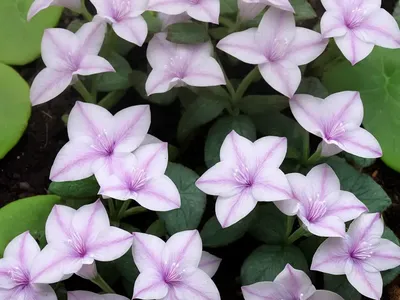
Ruellia Squarrosa (Water Bluebell)
Ruellia squarrosa, commonly known as Water Bluebell, is a vibrant and versatile plant that thrives in various environments, making it a popular choice for.
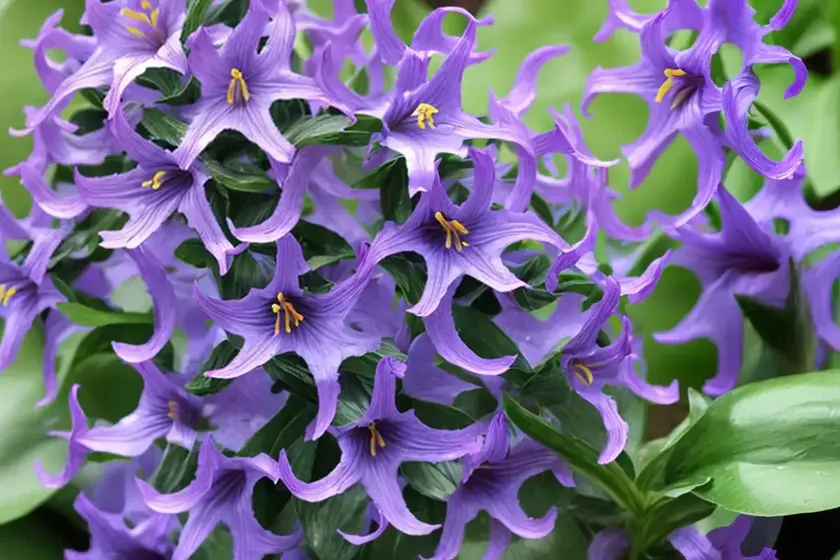
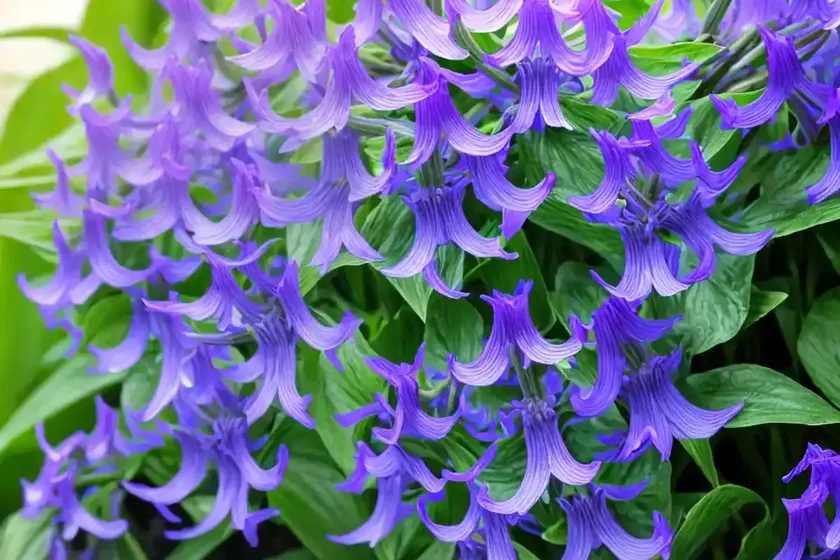
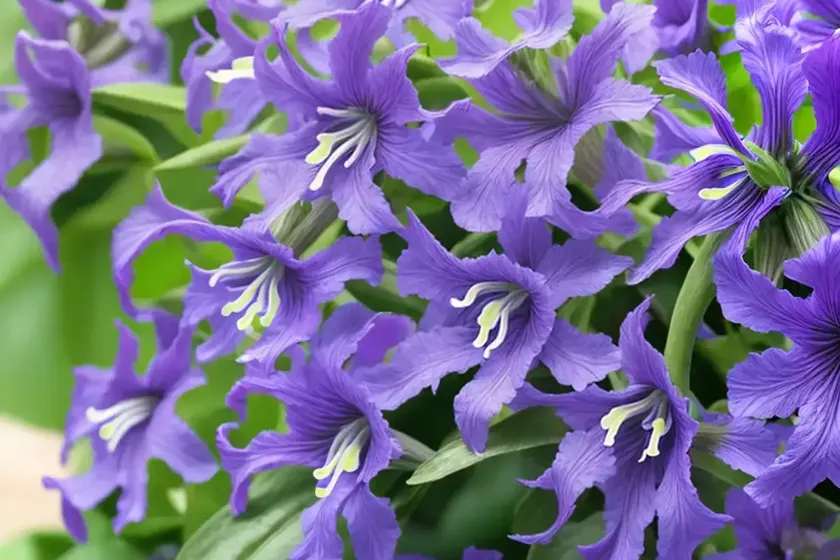
Ruellia squarrosa, commonly known as Water Bluebell, is a vibrant and versatile plant that thrives in various environments, making it a popular choice for many gardeners. In this comprehensive guide, we will explore the various aspects of this plant, including its culture, uses, care requirements, common diseases, pests, and much more.
What is Ruellia Squarrosa (Water Bluebell)?
Ruellia squarrosa, a member of the Acanthaceae family, is a perennial herb native to tropical and subtropical regions. It is characterized by its striking blue flowers and lush green foliage, making it a visually appealing addition to any garden or landscape. The plant’s ability to adapt to different growing conditions, coupled with its low maintenance requirements, has made it a sought-after choice for both novice and experienced gardeners.
Key Takeaways – Ruellia Squarrosa (Water Bluebell)
Before we delve into the specifics of cultivating and caring for Ruellia squarrosa, let’s understand some key takeaways about this fascinating plant:
- Plant Name: Ruellia Squarrosa (Water Bluebell)
- Family: Acanthaceae
- Common Name: Water Bluebell
- Native Habitat: Tropical and subtropical regions
- Characteristics: Vibrant blue flowers, lush green foliage
- Adaptability: Thrives in various environments
- Maintenance: Low maintenance requirements
- Uses: Ornamental, landscaping, ground cover
With these key takeaways in mind, let’s explore the various aspects of Ruellia squarrosa in more detail.
Culture
Understanding the cultural requirements of Ruellia squarrosa is essential for successfully cultivating and caring for this plant. From water and sunlight needs to soil and fertilizer preferences, let’s examine the cultural aspects of Water Bluebell in detail.
Water
Ruellia squarrosa thrives in moist to wet conditions, making it an excellent choice for water gardens, pondsides, and other areas with high humidity. Adequate moisture is essential for the plant’s overall health and vibrant blooming. However, it is important to avoid waterlogging, as excessive moisture retention can lead to root rot and other water-related issues.
Watering Requirements
- Regular Watering: Regular, consistent watering is essential, especially in hot and dry conditions.
Watering Tips for Ruellia Squarrosa:
- Ensure the soil remains consistently moist, but not waterlogged.
- Water deeply, allowing the soil to absorb the moisture to the root level.
Sunlight
Water Bluebell thrives in partial to full sunlight, displaying its best growth and blooming potential under adequate light conditions. While it can tolerate some shade, providing ample sunlight is crucial for promoting healthy foliage and prolific flowering.
Sunlight Needs
- Partial to Full Sun: Optimal growth and flowering occur in partial to full sunlight.
Sunlight Tips for Ruellia Squarrosa:
- Plant in a location that receives at least 6-8 hours of sunlight per day for best results.
- Avoid prolonged exposure to intense, direct sunlight, especially during the hottest part of the day.
Fertilizer
Feeding Ruellia squarrosa with a balanced fertilizer can enhance its overall health and blooming performance. A slow-release, water-soluble fertilizer formulated for flowering plants can provide the essential nutrients for robust growth and abundant blooms.
Best Fertilizers for Ruellia Squarrosa:
- Balanced, Water-Soluble Fertilizer: A fertilizer with balanced NPK ratios and micronutrients is ideal.
- Frequency: Apply fertilizer every 4-6 weeks during the growing season.
Fertilizing Tips for Ruellia Squarrosa:
- Follow the recommended dilution and application rates as per the fertilizer instructions.
- Apply fertilizer to the soil around the plant, ensuring it is evenly distributed.
Soil
Optimal soil conditions play a significant role in the health and vigor of Ruellia squarrosa. Well-draining, nutrient-rich soil offers the ideal foundation for the plant to establish strong roots and thrive.
Best Soil for Ruellia Squarrosa:
- Loamy, Well-Draining Soil: A loamy soil texture that retains moisture without becoming waterlogged.
- pH Range: Slightly acidic to neutral soil pH (6.0-7.0) is preferred.
Soil Preparation Tips for Ruellia Squarrosa:
- Amend heavy or compacted soils with organic matter to improve drainage and aeration.
- Test the soil pH and make necessary adjustments using lime or sulfur to achieve the ideal range.
Pruning
Regular pruning is beneficial for maintaining the shape, health, and overall appearance of Ruellia squarrosa. By removing spent flowers and unhealthy growth, the plant can redirect its energy towards new growth and blooming, ensuring a vibrant display throughout the growing season.
Pruning Techniques
- Deadheading: Remove spent flowers promptly to encourage continuous blooming.
- Growth Control: Prune back leggy or overgrown stems to promote a more compact and bushy growth habit.
Pruning Tips for Ruellia Squarrosa:
- Use sharp, clean pruning shears to prevent damage and infection to the plant.
- Avoid over-pruning, as Ruellia squarrosa responds well to light to moderate pruning.
Propagation
Propagating Ruellia squarrosa allows gardeners to expand their plant collection or share this delightful species with fellow enthusiasts. From division to seed propagation, there are multiple methods to propagate Water Bluebell successfully.
How to Propagate Ruellia Squarrosa
- Division: Divide mature plants in spring, ensuring each division has healthy roots and shoots.
- Seeds: Collect and sow ripe seeds in a well-prepared seed-starting mix, maintaining adequate moisture and warmth.
Propagation Tips for Ruellia Squarrosa:
- Choose healthy, disease-free plant material for propagation to ensure successful establishment.
- Provide consistent moisture and appropriate environmental conditions to support propagation success.
Container Popularity
Ruellia squarrosa’s adaptability and relatively compact growth habit make it well-suited for container cultivation. Whether grown indoors or outdoors, in small pots or larger containers, Water Bluebell can thrive and add a touch of natural beauty to any space.
Advantages of Growing Ruellia Squarrosa in Containers
- Space Efficiency: Ideal for small gardens, balconies, and compact outdoor spaces.
- Portability: Easily move containers to optimize sunlight exposure and aesthetic appeal.
- Controlled Environment: Manage soil, moisture, and environmental conditions more effectively in containers.
Container Gardening Tips for Ruellia Squarrosa:
- Choose a well-draining potting mix and a container with adequate drainage holes to prevent waterlogging.
- Monitor soil moisture carefully, especially in hot and dry conditions, to ensure the plant’s hydration needs are met.
Common Diseases
While generally resilient, Ruellia squarrosa is susceptible to certain diseases that can affect its health and appearance. Recognizing common diseases and implementing appropriate preventive measures is crucial for safeguarding Water Bluebell from potential threats.
Disease Diagnosis
- Fungal Diseases: Watch for signs of powdery mildew, leaf spot, or root rot, especially in overly moist conditions.
- Bacterial Infections: Monitor for symptoms of bacterial leaf spot or wilting, which may indicate bacterial diseases.
- Viral Diseases: Look for abnormal growth, mottling, or discoloration that may result from viral infections.
Disease Prevention and Management:
- Cultural Practices: Ensure proper spacing, ventilation, and sanitation to minimize disease spread.
- Fungicidal Treatments: Apply appropriate fungicides preventively or as soon as symptoms are observed, following label instructions.
Common Pests
Pest infestations can detract from the beauty and vitality of Ruellia squarrosa, requiring prompt identification and intervention to mitigate potential damage. By staying attentive and proactive, gardeners can effectively manage common pests that may target Water Bluebell.
Common Garden Pests
- Aphids: Keep an eye out for clusters of small, soft-bodied insects on the plant, especially on new growth.
- Whiteflies: Watch for tiny, moth-like insects that may hover around the plant or leave a sticky residue on the leaves.
- Spider Mites: Look for fine webbing and stippling on the foliage, indicating a possible spider mite infestation.
Pest Management Strategies:
- Natural Predators: Encourage beneficial insects such as ladybugs and lacewings to help control aphid and whitefly populations.
- Horticultural Oils: Apply horticultural oils to suffocate and control spider mites and other soft-bodied pests.
Botanist’s Tips
To further enrich our understanding of Ruellia squarrosa and its cultivation, here are some expert tips and insights from botanists and horticultural professionals:
Expert Recommendations for Growing Ruellia Squarrosa
- Optimal Growing Conditions: Provide consistent moisture, well-draining soil, and ample sunlight for healthy growth and blooming.
- Pruning Guidance: Regular deadheading and light pruning can promote continuous blooming and tidy growth.
- Propagation Best Practices: Choose the most suitable propagation method based on the plant’s growth stage and environmental conditions.
Fun Facts
Learning about the unique and fascinating aspects of Ruellia squarrosa adds an extra layer of appreciation for this delightful plant. Here are some intriguing fun facts about Water Bluebell:
- Attracts Pollinators: The plant’s vibrant flowers attract various pollinators, including bees and butterflies, adding biodiversity to garden spaces.
- Low-Maintenance Beauty: With its adaptability and low maintenance needs, Ruellia squarrosa offers effortless beauty for both novice and experienced gardeners.
- Landscaping Versatility: Whether used as a ground cover, border plant, or container specimen, Water Bluebell adds aesthetic charm and vibrancy to diverse landscape designs.
Links to External Resources
For further information and resources on Ruellia squarrosa, the following links provide valuable insights and guidance on various aspects of Water Bluebell cultivation, care, and uses:
- Ruellia Squarrosa (Water Bluebell) Care Guide – Gardening Know How
- Growing Ruellia Squarrosa Indoors – The Spruce
- Ruellia Squarrosa: A Guide to Propagation Methods – PlantCareToday
In conclusion, Ruellia squarrosa, or Water Bluebell, is a captivating plant that offers a myriad of possibilities for ornamental, landscaping, and gardening purposes. By understanding its cultural requirements, propagation methods, disease and pest management, and other essential aspects, enthusiasts can cultivate and appreciate the beauty of this versatile plant to the fullest. Whether grown outdoors in garden beds or indoors as a charming houseplant, Water Bluebell is sure to captivate with its stunning blooms and lush foliage.
Remember to embrace the delightful journey of cultivating and caring for Ruellia squarrosa, and enjoy the beauty it brings to your garden and living spaces!
The article covers the comprehensive aspects of Ruellia squarrosa (Water Bluebell), encompassing its culture, uses, care requirements, common diseases, pests, botanist’s tips, fun facts, and external resources. The in-depth exploration aims to provide a thorough understanding of this fascinating plant to readers and gardening enthusiasts.
Note: The content provided in this article serves as a general guide and does not replace professional horticultural advice. For specific cultivation and care recommendations, it is advisable to consult local gardening experts and resources.