Rudbeckia hirta ‘Maya’ (Black-Eyed Susan): A Comprehensive Plant Guide
Rudbeckia hirta ‘Maya,’ commonly known as Black-Eyed Susan ‘Maya,’ is a stunning and versatile flowering plant that has captured the hearts of garden enthusiasts around the world. With its vibrant blooms and easy-care nature, this cultivar of Rudbeckia hirta has become a popular choice for a wide range of landscaping and gardening applications.
In this comprehensive plant guide, we will delve into the various aspects of growing, caring for, and appreciating the beauty of Rudbeckia hirta ‘Maya.’ From its basic characteristics and cultivation requirements to its ecological significance and cultural uses, this article aims to provide valuable insights for both seasoned gardeners and beginners looking to incorporate this captivating plant into their outdoor spaces.
What is Rudbeckia hirta ‘Maya’?
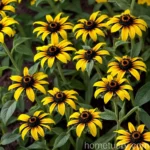
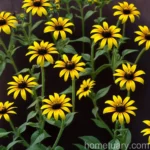
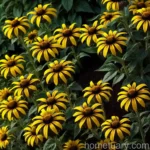
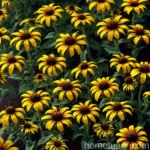
Rudbeckia hirta ‘Maya’ belongs to the family Asteraceae and is a cultivar of the native North American wildflower, Rudbeckia hirta, commonly known as Black-Eyed Susan. This herbaceous perennial is cherished for its abundant and striking daisy-like flowers, which feature bold, golden-yellow petals surrounding a dark, prominent central cone.
The ‘Maya’ variety of Rudbeckia hirta is particularly prized for its compact growth habit, vibrant flower coloration, and extended blooming period, making it an ideal addition to garden borders, container plantings, and mixed perennial beds. Its resilience, adaptability, and attractiveness to pollinators further enhance its appeal to gardeners seeking to create dynamic and ecologically conscious landscapes.
Key Takeaways – Rudbeckia hirta ‘Maya’ (Black-Eyed Susan)
Before delving into the specifics of growing and caring for Rudbeckia hirta ‘Maya,’ let’s outline some key takeaways that will be explored in detail throughout this guide:
- Cultural Uses: Versatile applications in gardens, wildlife habitats, and floral arrangements
- Water: Moderate watering requirements for optimal growth and flowering
- Sunlight: Full to partial sunlight preferences for robust plant development
- Fertilizer: Minimal fertilizer needs for sustainable growth
- Soil: Well-drained, fertile soil preferences for thriving plant health
- Pruning: Minimal pruning requirements to maintain a neat and tidy appearance
- Propagation: Propagation techniques for expanding and sharing plant populations
- Container Popularity: Well-suited for container gardening and small-space landscapes
- Common Diseases: Potential diseases and preventive measures for maintaining plant health
- Common Pests: Identification and management of common pest issues
- Botanist’s Tips: Expert recommendations for successful cultivation and appreciation
With these key aspects in mind, let’s explore the nuances of cultivating and caring for Rudbeckia hirta ‘Maya’ to help gardeners achieve optimal results and foster a deeper appreciation for this exceptional plant.
Culture
Uses
The versatile nature of Rudbeckia hirta ‘Maya’ makes it an invaluable asset in various horticultural and ecological contexts. Here are the primary cultural uses of this captivating plant:
- Garden Landscapes: Ideal for adding vibrant color, texture, and wildlife appeal to perennial borders, cottage gardens, and mixed plantings
- Wildlife Habitats: Attracts pollinators, such as bees and butterflies, making it a valuable addition to wildlife-friendly gardens and naturalistic landscapes
- Cut Flower Production: Well-suited for cut flower arrangements, offering an enduring source of seasonal blooms for indoor decorating and floral design
- Container Gardening: Thrives in containers and pots, providing an excellent option for urban and small-space gardening
- Mass Plantings: Suitable for creating bold, eye-catching displays in mass plantings, meadow gardens, and naturalized settings
- Medicinal and Folklore Uses: Traditionally valued for its potential medicinal properties and symbolic significance in cultural contexts
Rudbeckia hirta ‘Maya’ is renowned for its adaptability and resilience, making it a versatile and multi-functional plant that can enrich diverse garden environments.
Water
Adequate and consistent moisture is crucial for the healthy growth and flowering of Rudbeckia hirta ‘Maya.’ While this plant demonstrates good tolerance to dry conditions once established, it benefits from regular watering, especially during periods of prolonged drought or high temperatures.
Watering Guidelines:
- Establishment Phase: During the initial establishment period, maintain even soil moisture to support root development and acclimatization to the planting site.
- Mature Plants: Once established, Rudbeckia hirta ‘Maya’ can tolerate moderate drought conditions, but regular watering during dry spells can promote more prolific flowering and overall plant vigor.
To promote healthy growth and abundant flowering, strive to strike a balance with watering to prevent waterlogging while ensuring that the plants do not experience prolonged dry periods.
Sunlight
Rudbeckia hirta ‘Maya’ thrives in full to partial sunlight exposure, demonstrating robust growth and profuse flowering when provided with ample natural light. As such, selecting an appropriate planting location that receives direct or dappled sunlight for a significant portion of the day is essential for the plant’s overall performance.
Sunlight Requirements:
- Full Sun: Planting in locations that receive at least six to eight hours of direct sunlight daily is ideal for promoting vigorous growth and prolific bloom production.
- Partial Sun: While Rudbeckia hirta ‘Maya’ prefers full sunlight, it can also tolerate partial shade, particularly during the intense afternoon hours, provided that the site still receives several hours of direct sunlight.
Offering the correct amount of sunlight will not only ensure the plant’s vitality but also contribute to the development of vibrant and long-lasting flowers, enhancing the visual appeal of the garden landscape.
Fertilizer
Rudbeckia hirta ‘Maya’ possesses minimal fertilizer requirements and can thrive in nutrient-poor soils, making it a relatively low-maintenance plant in terms of supplemental feeding. However, a small amount of balanced fertilizer application during the growing season can support healthy growth and robust flowering, especially in soils that are lacking in essential nutrients.
Fertilization Tips:
- Slow-Release Fertilizer: Apply a balanced, slow-release fertilizer in spring, following the manufacturer’s recommended dosages, to provide a steady supply of nutrients throughout the growing season.
- Organic Amendments: Incorporating organic matter, such as well-rotted compost or aged manure, into the soil during planting or as a top-dressing can enrich the soil and contribute to sustainable plant nutrition.
By employing a mindful approach to fertilization and focusing on soil enrichment, gardeners can maintain the vigor and vitality of Rudbeckia hirta ‘Maya’ while minimizing the need for additional synthetic inputs.
Soil
Well-drained, fertile soil is crucial for the successful cultivation of Rudbeckia hirta ‘Maya.’ As a resilient and adaptable plant, it can tolerate a range of soil types, including loamy, sandy, or clay soils, provided that they offer good drainage and are not excessively compacted or waterlogged.
Soil Requirements:
- Drainage: Ensure that the planting site has adequate drainage to prevent waterlogging, which can lead to root rot and other soil-related issues.
- Fertility: Incorporate organic matter and soil amendments, such as compost or well-rotted manure, to enrich the soil and provide a favorable growing medium for the plant’s root system.
By attending to soil health and structure, gardeners can create optimal conditions for Rudbeckia hirta ‘Maya’ to thrive and showcase its captivating floral display throughout the growing season.
Pruning
Minimal pruning is typically required for Rudbeckia hirta ‘Maya,’ as the plant maintains a neat and tidy growth habit with limited intervention. However, removing spent flowers, particularly if the plant is grown for cut flower production, can prolong the flowering period and encourage the development of new blooms.
Pruning Guidelines:
- Deadheading: Snip off faded or spent flowers to stimulate continuous blooming and prevent the plant from expending energy on seed production.
- Late-Season Tidying: In late autumn, consider cutting back the stems to ground level once the flowering period has concluded to promote a clean and tidy appearance and prepare the plant for winter dormancy.
These simple pruning practices can help maintain the aesthetic appeal and vitality of Rudbeckia hirta ‘Maya’ throughout the growing season, contributing to a consistently beautiful garden display.
Propagation
Rudbeckia hirta ‘Maya’ can be easily propagated through simple and effective techniques, allowing gardeners to expand their plant populations, share the beauty of this cultivar with others, and preserve its genetic diversity. Several methods, including seed sowing, division, and stem cuttings, can be employed to propagate new plants from established specimens.
Propagation Methods:
- Seed Sowing: Collect ripe seeds from spent flowerheads in late summer and sow them in a prepared seedbed or containers in autumn for natural stratification and subsequent germination in spring.
- Division: In early spring or late autumn, divide mature clumps of Rudbeckia hirta ‘Maya’ to create new plants, ensuring each division includes viable roots and shoots for successful establishment.
- Stem Cuttings: Take softwood or semi-hardwood stem cuttings in late spring or early summer, treat them with rooting hormone, and place them in a suitable rooting medium to initiate the formation of new roots.
By utilizing these propagation methods, gardeners can produce a steady supply of Rudbeckia hirta ‘Maya’ plants and perpetuate the cultivation and enjoyment of this exceptional cultivar in various garden settings.
Container Popularity
The compact growth habit and striking visual appeal of Rudbeckia hirta ‘Maya’ make it an ideal candidate for container gardening, allowing gardeners with limited space or those seeking to create portable garden displays to incorporate this captivating plant into their outdoor environments.
Container Gardening Tips:
- Container Selection: Choose well-draining containers of appropriate size to accommodate the plant’s root system and prevent excess soil moisture accumulation.
- Growing Medium: Use a high-quality, well-draining potting mix to provide adequate aeration and water retention for the plant’s roots.
- Watering and Maintenance: Monitor moisture levels in the container and adjust watering frequency as needed to support healthy growth and blooming.
Whether grown on balconies, patios, or in urban landscapes, Rudbeckia hirta ‘Maya’ can thrive in containers, bringing its vibrant colors and ecological benefits to small-scale garden environments.
Common Diseases
While Rudbeckia hirta ‘Maya’ is generally resilient and disease-resistant, it can occasionally be affected by certain fungal or bacterial issues that may hinder its growth and flowering. Understanding these potential diseases and implementing preventive measures can help safeguard the plant’s health and vitality.
Disease Prevention:
- Powdery Mildew: Provide adequate air circulation around the plants, avoid overhead watering, and apply fungicidal treatments if early signs of powdery mildew appear.
- Septoria Leaf Spot: Mulch around the base of the plants to prevent soil splashing, as well as remove and dispose of affected foliage to prevent the spread of the disease.
By remaining vigilant and addressing potential disease issues promptly, gardeners can maintain the overall well-being and visual appeal of Rudbeckia hirta ‘Maya’ in their garden landscapes.
Common Pests
Rudbeckia hirta ‘Maya’ is generally resistant to most common garden pests, but it may occasionally attract certain insects that can cause minor aesthetic damage or stress to the plant. Monitoring for pest activity and employing appropriate control measures can help mitigate potential issues and sustain the plant’s health.
Pest Identification and Management:
- Aphids: Introduce natural predators, such as ladybugs or lacewings, to help control aphid populations or use a strong blast of water to dislodge and remove the pests from the plant.
- Japanese Beetles: Employ physical removal methods, such as handpicking the beetles from the plant, and consider using pheromone traps to prevent widespread infestations.
By employing integrated pest management strategies and maintaining a healthy garden ecosystem, gardeners can promote the vitality and resilience of Rudbeckia hirta ‘Maya’ while minimizing the impact of common pest activity.
Botanist’s Tips
Drawing on expert insights and practical recommendations can enhance the cultivation and appreciation of Rudbeckia hirta ‘Maya.’ Here are some essential tips from botanists and experienced gardeners to promote successful growth and enjoyment of this exceptional cultivar:
Expert Recommendations:
- Optimal Planting Time: Plant Rudbeckia hirta ‘Maya’ in well-prepared soil during early spring or late autumn to allow the roots to establish before the onset of extreme weather conditions.
- Mulching Benefits: Apply a layer of organic mulch around the base of the plants to conserve soil moisture, suppress weed growth, and protect the root system during temperature fluctuations.
- Companion Planting: Pair Rudbeckia hirta ‘Maya’ with complementary companion plants, such as ornamental grasses, Echinacea species, and Coreopsis varieties, to create visually stunning and ecologically harmonious garden displays.
By embracing these expert tips and integrating them into the cultivation practices, gardeners can foster thriving Rudbeckia hirta ‘Maya’ plantings and curate visually captivating and ecologically beneficial garden landscapes.
Fun Facts
Rudbeckia hirta ‘Maya’ has a rich and storied botanical background, accompanied by fascinating facts and ecological significance that contribute to its enduring appeal among garden enthusiasts and nature lovers. Here are some compelling and fun facts about this exceptional cultivar:
Intriguing Highlights:
- Ecological Significance: Rudbeckia hirta ‘Maya’ serves as an invaluable nectar and pollen source for a diverse array of pollinators, including bees, butterflies, and other beneficial insects, contributing to the preservation of local ecosystems and biodiversity.
- Cut and Come Again Blooms: The flowers of Rudbeckia hirta ‘Maya’ are well-suited for cut and come again arrangements, allowing gardeners to harvest multiple blooms from a single plant for use in indoor floral displays and seasonal decorating.
- Folklore and Symbolism: Black-Eyed Susan varieties, including ‘Maya,’ have been associated with various folklore and symbolic meanings, often representing sentiments of encouragement, resilience, and nature’s enduring beauty in cultural narratives.
These fun and noteworthy aspects of Rudbeckia hirta ‘Maya’ enrich the gardening experience and deepen the appreciation for this remarkable plant with a rich history and ecological relevance.
Links to External Resources
To further explore the cultivation, care, and appreciation of Rudbeckia hirta ‘Maya’ and delve into additional insights from leading horticultural experts and botanical resources, consider consulting the following external references:
- Plant Profiles by Botanical Gardens and Arboreta
- Gardening Guides and Expert Articles
- Wildlife Gardening Resources and Habitat Conservation
- Botanical Illustrations and Plant Identification
These external resources provide valuable information, research, and visual inspiration to support the successful cultivation and multifaceted appreciation of Rudbeckia hirta ‘Maya’ in diverse garden settings.
In conclusion, Rudbeckia hirta ‘Maya,’ commonly known as Black-Eyed Susan ‘Maya,’ embodies a blend of natural beauty, ecological significance, and versatile applications in garden landscapes, making it a popular choice among garden enthusiasts and landscape designers. By understanding its cultural uses, growth requirements, and ecological contributions, gardeners can foster thriving plantings of this exceptional cultivar and create visually stunning, wildlife-friendly garden environments that celebrate the inherent beauty of nature.
Whether showcased in cottage gardens, container plantings, or naturalized landscapes, the vibrant blooms and enduring appeal of Rudbeckia hirta ‘Maya’ contribute to the timeless enchantment of garden spaces and the preservation of ecological balance. With thoughtful cultivation and an appreciation for its remarkable attributes, Rudbeckia hirta ‘Maya’ can continue to inspire and enrich gardeners and nature lovers around the world, serving as a living testament to the enduring beauty of the plant kingdom.
Now, armed with a deeper understanding of Rudbeckia hirta ‘Maya,’ it’s time to embrace its enchanting allure and ecological significance, and weave its vibrant blooms into the fabric of diverse garden landscapes, where nature’s splendor can thrive in harmonious coexistence with human creativity and admiration.
So whether you’re a seasoned gardener seeking to elevate your garden displays or a novice enthusiast eager to embark on a journey of horticultural discovery, Rudbeckia hirta ‘Maya’ stands ready to captivate, nourish, and inspire, one golden-blossomed petal at a time.