Plant Scientist’s Guide to Rudbeckia hirta ‘Denver Daisy’ (Black-Eyed Susan)
Rudbeckia hirta ‘Denver Daisy,’ commonly known as Black-Eyed Susan, is a charismatic and resilient flowering plant that is adored by gardeners and nature enthusiasts alike. With its vibrant yellow petals and dark, eye-catching centers, the Denver Daisy is a perennial favorite in gardens, landscapes, and naturalized areas.
As a plant scientist with a passion for understanding and promoting the growth of various plant species, I am excited to delve into the world of Rudbeckia hirta ‘Denver Daisy.’ In this comprehensive guide, we will explore the intricate characteristics, cultural requirements, propagation techniques, common diseases, and maintenance tips for this beloved plant. Whether you are a seasoned horticulturist or a budding gardening enthusiast, this guide will equip you with the knowledge and skills to cultivate and appreciate the beauty of Rudbeckia hirta ‘Denver Daisy.’
What is Rudbeckia hirta ‘Denver Daisy’?
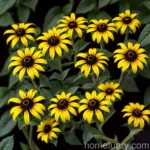
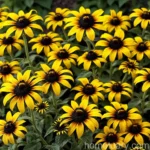
Rudbeckia hirta, belonging to the Asteraceae family, is a species of flowering plant native to North America. The ‘Denver Daisy’ cultivar is a specific variety of Rudbeckia hirta, celebrated for its striking appearance and robust growth habits. The Black-Eyed Susan is characterized by its golden yellow petals that surround a prominent dark brown or black center, resembling a “black eye.” This classic daisy-like bloom adds warmth and cheer to any landscape and attracts pollinators, making it a valuable addition to pollinator gardens.
Key Takeaways – Rudbeckia hirta ‘Denver Daisy’
Before we delve into the detailed aspects of Rudbeckia hirta ‘Denver Daisy,’ let’s highlight the key takeaways that will be covered in this guide:
- Culture
- Uses
- Water
- Sunlight
- Fertilizer
- Soil
- Pruning
- Propagation
- Container Popularity
- Common Diseases
- Disease Diagnosis
- Common Pests
- Botanist’s Tips
- Fun Facts
- Links to External Resources
Now, let’s proceed with exploring each of these aspects in detail to gain a holistic understanding of Rudbeckia hirta ‘Denver Daisy.’
Culture
Understanding the cultural requirements of Rudbeckia hirta ‘Denver Daisy’ is essential for successful growth and maintenance. Let’s explore the key cultural aspects that influence the health and vigor of this versatile plant.
Uses
The uses of Rudbeckia hirta ‘Denver Daisy’ extend beyond its ornamental value in gardens and landscapes. Here are some common uses of this charismatic plant:
- Ornamental Beauty: The bright and cheerful blooms of the Black-Eyed Susan make it a popular choice for adding color and visual interest to flower beds, borders, and naturalized areas.
- Pollinator Attraction: The nectar-rich flowers of Rudbeckia hirta ‘Denver Daisy’ attract bees, butterflies, and other beneficial pollinators, contributing to the ecological balance of the garden.
- Cut Flowers: The long stems and vibrant blooms of the Denver Daisy make it an excellent choice for cut flower arrangements, adding a touch of natural elegance to indoor spaces.
- Naturalized Landscapes: Due to its adaptability, Rudbeckia hirta ‘Denver Daisy’ is suitable for naturalized landscapes, meadows, and wildflower gardens, where it can thrive in diverse environmental conditions.
Water
Proper watering is crucial for maintaining the health and vitality of Rudbeckia hirta ‘Denver Daisy.’ Understanding the water requirements of this plant is essential for preventing moisture-related issues and promoting healthy growth.
- Watering Needs: Rudbeckia hirta ‘Denver Daisy’ prefers moderately moist soil during its active growing season. However, it exhibits good drought tolerance once established and can withstand periods of reduced water availability.
- Watering Frequency: While young plants require more frequent watering to establish strong root systems, mature Black-Eyed Susans generally thrive with reduced watering, especially in well-draining soils.
- Optimal Watering Practices: To promote healthy growth, it is recommended to water Rudbeckia hirta ‘Denver Daisy’ deeply but infrequently, allowing the soil to partially dry out between watering sessions.
Sunlight
As with many flowering plants, sunlight plays a pivotal role in the growth and blooming of Rudbeckia hirta ‘Denver Daisy.’ Understanding its sunlight requirements is essential for optimizing its performance in the garden.
- Sun Exposure: The Denver Daisy thrives in full sun to partial shade, preferring at least 6 hours of direct sunlight per day for prolific blooming and sturdy growth.
- Shade Tolerance: While Rudbeckia hirta ‘Denver Daisy’ prefers ample sunlight, it can tolerate some degree of partial shade, especially in regions with intense afternoon sun or during exceptionally hot periods.
- Optimal Placement: When selecting a planting location, choose a site that receives adequate sunlight and provides the Denver Daisy with the light conditions it needs to thrive and express its full beauty.
Fertilizer
Supplemental fertilization can enhance the growth, blooming, and overall vigor of Rudbeckia hirta ‘Denver Daisy.’ Understanding the appropriate fertilizer practices is crucial for promoting the plant’s health and floral abundance.
- Fertilizer Type: When fertilizing Rudbeckia hirta ‘Denver Daisy,’ opt for a balanced, all-purpose fertilizer with a formulation such as 10-10-10 or 20-20-20, which provides essential macronutrients in a balanced ratio.
- Application Timing: Apply fertilizer in early spring as new growth emerges and again in midsummer to support the plant’s flowering and sustained growth throughout the season.
- Application Method: Gently broadcast the fertilizer around the base of the plant, being careful to avoid direct contact with the foliage, and water the area thoroughly to facilitate nutrient uptake.
Soil
Understanding the soil preferences of Rudbeckia hirta ‘Denver Daisy’ is crucial for establishing a suitable growing environment and ensuring the plant’s overall health and vigor. Let’s explore the key considerations related to soil for this delightful flowering species.
- Well-Draining Soil: Rudbeckia hirta ‘Denver Daisy’ thrives in well-draining soil that allows excess water to percolate away from the root zone, preventing waterlogged conditions that can lead to root rot.
- Soil pH: The Denver Daisy prefers slightly acidic to neutral soil with a pH range of 6.0 to 7.0, although it can tolerate a broader pH range with proper cultural care.
- Soil Amendment: Incorporating organic matter such as compost or well-rotted manure into the soil during planting can improve its structure, fertility, and moisture retention, creating an ideal growing medium for Rudbeckia hirta ‘Denver Daisy.’
Pruning
Pruning plays a crucial role in maintaining the neat and tidy appearance of Rudbeckia hirta ‘Denver Daisy’ and promoting its overall health and blooming prowess. Let’s explore the key principles of pruning this charismatic perennial.
- Deadheading: Regular deadheading of faded flowers promotes continuous blooming and prevents the plant from directing energy into seed production, encouraging the development of new flower buds.
- Pruning Timing: Engage in light pruning in early spring to remove any winter-damaged or dead stems and encourage the emergence of fresh, healthy growth.
- Pruning Height: When deadheading or conducting maintenance pruning, trim back the spent flower stems to just above a healthy set of leaves or lateral shoot to encourage bushier growth and the development of new blooming stalks.
Propagation
The ability to propagate Rudbeckia hirta ‘Denver Daisy’ through various methods allows for the expansion of its presence in the garden and the sharing of its beauty with fellow gardening enthusiasts. Let’s explore the primary propagation techniques for this beloved plant.
- Seed Propagation: Rudbeckia hirta ‘Denver Daisy’ can be easily propagated from seeds, which can be collected from mature flower heads and sown directly in prepared seedbeds or containers.
- Division: Mature clumps of Rudbeckia hirta ‘Denver Daisy’ can be divided in early spring or autumn, with divisions planted in new locations or shared with other gardeners to expand the plant’s presence.
Container Popularity
The adaptable nature and aesthetic appeal of Rudbeckia hirta ‘Denver Daisy’ make it a popular choice for container gardening, allowing it to thrive in diverse settings such as patios, balconies, and urban landscapes. Let’s explore the key considerations for cultivating the Denver Daisy in containers.
- Container Selection: Choose a well-draining container with ample drainage holes to prevent waterlogging and provide adequate aeration to the plant’s root system. Consider the size of the mature plant when selecting the container to accommodate its growth.
- Potting Medium: Select a high-quality potting mix with excellent drainage properties and a balanced blend of organic matter, such as peat moss or compost, to support the growth of Rudbeckia hirta ‘Denver Daisy’ in containers.
- Watering and Maintenance: Container-grown Denver Daisies may require more frequent watering during periods of hot weather to prevent the potting mix from drying out excessively. Regular monitoring of moisture levels and performing maintenance tasks such as deadheading and fertilization are essential for promoting healthy growth in containers.
Common Diseases
While Rudbeckia hirta ‘Denver Daisy’ is known for its resilience, it is still susceptible to certain diseases that can impact its health and vigor. Understanding common diseases and their management is crucial for maintaining the plant’s vitality. Let’s explore some of the prevalent diseases that may affect the Denver Daisy.
- Powdery Mildew: This fungal disease manifests as a powdery white coating on the foliage, impacting the plant’s aesthetics and potentially weakening its overall health. Ensuring proper air circulation, avoiding overhead watering, and utilizing fungicidal treatments as needed can help manage powdery mildew.
- Septoria Leaf Spot: Characterized by the appearance of dark spots with light centers on the foliage, septoria leaf spot can impact the Denver Daisy’s visual appeal and weaken the plant. Addressing garden sanitation, maintaining proper spacing between plants, and applying fungicidal treatments can aid in managing this disease.
- Root Rot: Overly moist or poorly draining soil can lead to the development of root rot, which can affect the plant’s ability to uptake water and nutrients, leading to wilting and decline. Ensuring well-draining soil, avoiding overwatering, and addressing drainage issues are essential for preventing root rot in Rudbeckia hirta ‘Denver Daisy.’
Disease Diagnosis
Diagnosing diseases affecting Rudbeckia hirta ‘Denver Daisy’ involves careful observation, understanding of common disease symptoms, and timely intervention to address the issues at hand. Let’s explore the key diagnostic considerations for identifying and managing diseases in the Denver Daisy.
- Symptomatic Observation: Regularly inspect the plant for any signs of abnormal discoloration, spotting, or texture changes on the foliage, as well as unusual wilting or stunted growth, which may indicate a potential disease issue.
- Consulting Resources: Referring to reputable gardening guides, plant disease compendiums, and local agricultural extensions can provide valuable insights into diagnosing and addressing potential diseases affecting the Denver Daisy.
- Seeking Professional Assistance: In cases of severe or persistent disease issues, seeking the guidance of a horticulture or plant pathology professional can aid in accurately diagnosing and managing diseases affecting Rudbeckia hirta ‘Denver Daisy.’
Common Pests
Pests can pose a threat to the health and beauty of Rudbeckia hirta ‘Denver Daisy,’ requiring vigilance and appropriate management strategies to mitigate their impact. Let’s explore some common pests that may affect the Denver Daisy and methods for addressing these issues.
- Aphids: These small, sap-sucking insects can congregate on the tender growth of Rudbeckia hirta ‘Denver Daisy,’ causing distortion of new leaves and potentially transmitting viral diseases. Utilizing insecticidal soaps or horticultural oils can effectively manage aphid infestations.
- Thrips: Thrips are tiny, slender insects that can cause stippling, discoloration, and distortion of the foliage of the Denver Daisy. Employing natural predators, such as predatory mites, and utilizing reflective mulches to deter thrips can aid in managing infestations.
- Slug and Snail Damage: These mollusks can feed on the foliage and stems of Rudbeckia hirta ‘Denver Daisy,’ leaving behind characteristic grazing marks and causing aesthetic damage. Employing physical barriers, such as copper tape or diatomaceous earth, can deter slugs and snails from damaging the plant.
Botanist’s Tips
As a plant scientist with a deep appreciation for the natural beauty and ecological significance of Rudbeckia hirta ‘Denver Daisy,’ I am pleased to offer the following tips to fellow enthusiasts and gardeners to support the successful growth and enjoyment of this captivating plant.
- Encourage Pollinators: Embrace the role of Rudbeckia hirta ‘Denver Daisy’ as a valuable pollinator plant by supporting native bee populations, providing a habitat for butterflies, and promoting biodiversity in the garden.
- Embrace Naturalization: Consider incorporating Rudbeckia hirta ‘Denver Daisy’ into naturalized landscapes, meadows, and wildflower gardens to celebrate its resilience and innate beauty in native or native-inspired settings.
- Share the Joy: Share divisions, seeds, or cuttings of the Denver Daisy with fellow gardeners, neighbors, and community members, fostering a culture of appreciation for nature and the joy of gardening.
Fun Facts
Uncover the fascinating and delightful aspects of Rudbeckia hirta ‘Denver Daisy’ with these fun and intriguing facts about this iconic plant.
- Native American Charm: The Black-Eyed Susan is thought to have been used by Native American tribes for its medicinal and decorative properties, contributing to its enduring cultural significance.
- Wildlife Haven: The vibrant blooms of Rudbeckia hirta ‘Denver Daisy’ serve as a valuable nectar and pollen source for bees, butterflies, and other pollinators, supporting the ecological landscape.
- Perennial Resilience: As a hardy perennial, the Denver Daisy can persist and thrive in diverse environmental conditions, reflecting its adaptability and resilience in the garden and beyond.
Links to External Resources
Expand your knowledge and appreciation for Rudbeckia hirta ‘Denver Daisy’ by exploring these external resources developed by reputable botanical institutions, horticultural organizations, and plant science experts:
- The Royal Horticultural Society: Rudbeckia hirta ‘Denver Daisy’
- Missouri Botanical Garden: Rudbeckia hirta
- University of Florida IFAS Extension: Rudbeckia hirta
In conclusion, Rudbeckia hirta ‘Denver Daisy’ stands as a symbol of resilience, vibrancy, and natural elegance in the world of horticulture. By embracing its distinctive qualities, understanding its cultural needs, and fostering its presence in our gardens and landscapes, we can continue to celebrate the enduring charm and ecological contributions of this beloved flowering plant.
As a plant scientist dedicated to promoting an appreciation for the wonders of the natural world, I am thrilled to showcase the enduring beauty and resilience of Rudbeckia hirta ‘Denver Daisy.’ Through this comprehensive guide, I hope to inspire fellow enthusiasts and gardeners to cultivate, cherish, and share the captivating allure of this iconic plant.
Thank you for joining me on this exploration of Rudbeckia hirta ‘Denver Daisy.’ May your gardening endeavors be enriched by the timeless elegance and ecological significance of this beloved perennial.