Plant Scientist’s Guide to Rudbeckia hirta ‘Autumn Colors’ (Black-Eyed Susan)
Rudbeckia hirta ‘Autumn Colors,’ commonly known as Black-Eyed Susan, is a stunning and versatile flowering plant that has captured the hearts of gardeners and plant enthusiasts around the world. As a plant scientist with a passion for the diverse world of flora, I am excited to delve into the intricacies of this beautiful species and provide a comprehensive guide to its cultivation, uses, care, and much more. In this blog post, we will explore the culture, uses, maintenance, and interesting facts about Rudbeckia hirta ‘Autumn Colors’ to help both seasoned and novice gardeners in successfully nurturing and enjoying this magnificent plant.
What is Rudbeckia hirta ‘Autumn Colors’ (Black-Eyed Susan)?
The Rudbeckia hirta ‘Autumn Colors,’ also known as Black-Eyed Susan, belongs to the Asteraceae family, which encompasses a wide array of flowering plants, including sunflowers, daisies, and asters. This perennial plant is native to North America and is celebrated for its vibrant and daisy-like flowers, making it a popular choice for gardens, landscapes, and naturalistic plantings.
Key Takeaways – Rudbeckia hirta ‘Autumn Colors’ (Black-Eyed Susan)
Before diving into the specifics of Rudbeckia hirta ‘Autumn Colors,’ let’s take a glance at some key takeaways for this enchanting plant.
- Scientific Name: Rudbeckia hirta ‘Autumn Colors’
- Common Name: Black-Eyed Susan
- Family: Asteraceae
- Type: Herbaceous perennial
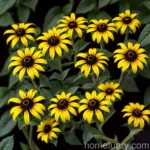
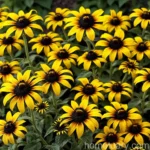
- Flower Colors: Various shades of yellow, orange, and red
- Landscape Uses: Borders, containers, naturalistic plantings, and cut flower arrangements
Now, let’s explore the various aspects of Rudbeckia hirta ‘Autumn Colors’ in detail, including its culture, uses, care, and fascinating characteristics.
Culture of Rudbeckia hirta ‘Autumn Colors’
Understanding the cultural requirements of Rudbeckia hirta ‘Autumn Colors’ is essential for ensuring its optimal growth and blooming. Let’s delve into the culture of this delightful plant.
1. Uses
Rudbeckia hirta ‘Autumn Colors’ holds diverse uses and can be incorporated into various settings and applications, including:
-
Garden Borders: The vibrant and eye-catching flowers of Black-Eyed Susan make it a fantastic addition to garden borders, where it adds a pop of color and visual interest.
-
Cut Flower Arrangements: The long-lasting blooms of Rudbeckia hirta ‘Autumn Colors’ make it an excellent choice for cut flower arrangements, brightening up indoor spaces with its cheerful hues.
-
Naturalistic Plantings: In naturalistic or wildflower-style plantings, Black-Eyed Susan contributes to creating a natural and ecologically rich environment, attracting pollinators and adding to the overall biodiversity.
-
Container Gardening: This versatile plant can also thrive in containers, allowing individuals with limited outdoor space to enjoy its beauty on balconies, patios, or decks.
2. Water
Watering Requirements: Rudbeckia hirta ‘Autumn Colors’ generally prefers moderate moisture levels and well-drained soil. While it can tolerate some drought once established, regular watering is recommended, particularly during dry spells and hot summer months.
3. Sunlight
Sun Exposure: Black-Eyed Susan thrives in full sun to partial shade. Providing ample sunlight is crucial for promoting abundant flowering and robust growth.
4. Fertilizer
Fertilization: When it comes to fertilizing Rudbeckia hirta ‘Autumn Colors,’ a balanced, all-purpose fertilizer can be applied in spring to bolster its growth and flowering. However, it’s important not to over-fertilize, as excessive nutrients may lead to lush foliage at the expense of flowers.
5. Soil
Soil Requirements: Well-drained, loamy soil provides an ideal growing medium for Rudbeckia hirta ‘Autumn Colors.’ Amending the soil with organic matter, such as compost, can improve its texture and fertility, benefiting the plant’s overall health.
6. Pruning
Pruning: Regular deadheading, or the removal of spent flowers, can encourage continuous blooming and prevent self-seeding. Additionally, cutting back the plant to its basal foliage in late fall or early spring helps rejuvenate it for the upcoming growing season.
7. Propagation
Propagation Methods: Black-Eyed Susan can be propagated through division or seed sowing. Division is typically carried out in early spring or fall, while seed sowing can be done in spring after the last frost.
8. Container Popularity
Popularity in Containers: Given its adaptability, Rudbeckia hirta ‘Autumn Colors’ is a popular choice for container gardening, adding a burst of color to patio planters, window boxes, and other container arrangements.
Fun Facts about Rudbeckia hirta ‘Autumn Colors’
As we continue our exploration of Rudbeckia hirta ‘Autumn Colors,’ let’s uncover some intriguing and lesser-known facts about this beloved plant.
-
The Black-Eyed Susan is the state flower of Maryland, USA, adding to its cultural and symbolic significance.
-
Rudbeckia hirta ‘Autumn Colors’ is known to attract a variety of pollinators, including bees, butterflies, and other beneficial insects, enriching garden ecosystems.
-
In addition to its ornamental value, Black-Eyed Susan has been used in traditional herbal medicine for its potential medicinal properties, reflecting its historical significance and versatility.
-
The diverse color palette of Rudbeckia hirta ‘Autumn Colors,’ ranging from deep oranges to rich yellows, makes it an excellent choice for creating captivating and dynamic landscapes.
Now that we’ve uncovered some intriguing aspects of Rudbeckia hirta ‘Autumn Colors,’ let’s delve into the specific care and maintenance practices essential for nurturing this captivating plant.
Rudbeckia hirta ‘Autumn Colors’ Maintenance and Care
Achieving successful cultivation of Rudbeckia hirta ‘Autumn Colors’ involves implementing appropriate maintenance and care practices to support its well-being and ornamental value. Let’s delve into the essential aspects of caring for this delightful plant.
1. Disease Diagnosis
Potential Diseases: While Rudbeckia hirta ‘Autumn Colors’ is generally resistant to most diseases, it may occasionally encounter issues such as powdery mildew, leaf spot, or root rot. Monitoring the plant for symptoms and promptly addressing any signs of disease is essential to prevent its spread and maintain plant health.
2. Common Pests
Pest Management: Some common pests that may affect Black-Eyed Susan include aphids, spider mites, and various caterpillar species. Implementing integrated pest management practices, including regular inspection and appropriate control measures, can help safeguard the plant from pest damage.
3. Botanist’s Tips
Expert Insights: Botanists and horticultural experts often recommend the following tips for successfully cultivating Rudbeckia hirta ‘Autumn Colors’:
-
Mulching: Applying a layer of organic mulch around the plant helps conserve moisture, suppress weed growth, and maintain a more consistent soil temperature.
-
Adequate Air Circulation: Providing good air circulation around the plant can minimize the risk of foliar diseases and promote overall plant vigor.
-
Companion Planting: Pairing Black-Eyed Susan with companion plants such as ornamental grasses, echinacea, and salvia can enhance visual appeal and attract a diverse array of pollinators.
4. Fun Facts
Additional Insights: Some additional fun facts about Rudbeckia hirta ‘Autumn Colors’ that may pique your interest:
-
The genus name “Rudbeckia” pays homage to the Swedish botanist Olof Rudbeck, while “hirta” refers to the plant’s hairy or rough texture, providing insight into its botanical origins and characteristics.
-
With proper care and favorable growing conditions, Rudbeckia hirta ‘Autumn Colors’ can bloom profusely from mid-summer well into the fall, offering an extended display of its charming and colorful flowers.
-
Alongside its appeal in traditional garden settings, Black-Eyed Susan is also valued for its role in wildlife gardens and native plant landscapes, where it contributes to supporting biodiversity and wildlife habitat.
Links to External Resources
To further enrich your knowledge and exploration of Rudbeckia hirta ‘Autumn Colors’ (Black-Eyed Susan), I have compiled a selection of valuable external resources where you can discover additional information, insights, and inspiration related to this captivating plant:
Exploring these reputable resources can expand your understanding of Rudbeckia hirta ‘Autumn Colors’ and enlighten you with diverse perspectives and practical insights from experienced horticulturists, botanists, and fellow plant enthusiasts.
In conclusion, Rudbeckia hirta ‘Autumn Colors’ (Black-Eyed Susan) stands as a captivating and versatile plant that embodies the beauty of native flora and enriches gardens, landscapes, and naturalistic plantings with its vibrant presence. Understanding its culture, uses, maintenance, and captivating characteristics equips both amateur and seasoned gardeners with the knowledge and appreciation to cultivate and enjoy this splendid plant to the fullest.
I hope this comprehensive guide empowers you to embark on a rewarding journey of nurturing and celebrating Rudbeckia hirta ‘Autumn Colors’ in your own garden or green space. May the cheerful blooms and ecological contributions of Black-Eyed Susan inspire a deeper reverence for nature’s boundless wonders.
Happy gardening!