Ruby Necklace (Othonna Capensis ‘Ruby Necklace’): A Complete Guide
Plant Name: Ruby Necklace (Othonna Capensis ‘Ruby Necklace’)
What is Ruby Necklace?
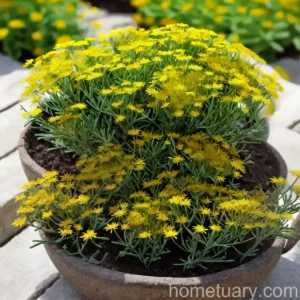
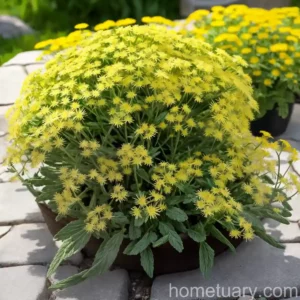
Ruby Necklace, scientifically known as Othonna Capensis ‘Ruby Necklace’, is a charming succulent plant that belongs to the Asteraceae family. This beautiful plant is native to South Africa and is also commonly referred to as the String of Rubies. The ‘Ruby Necklace’ name was inspired by its trailing stems adorned with small, ruby-red leaves, presenting an eye-catching spectacle as they spill over the edges of containers or hanging baskets.
The delicate appearance of the Ruby Necklace plant makes it a popular choice among plant enthusiasts, especially those who are fond of succulents. Its graceful growth habit and vibrant foliage add a touch of elegance to any indoor or outdoor space where it’s cultivated.
Let’s delve into the key aspects of the Ruby Necklace plant, including its culture, uses, maintenance requirements, propagation methods, and more, to better understand how to care for and appreciate this stunning succulent.
Key Takeaways
Culture
- The Ruby Necklace plant thrives in well-draining soil, offering excellent aeration for its roots.
- Maintaining a suitable humidity level is beneficial for the plant, especially in drier climates.
- Due to its origin in South Africa, providing a warm and sunny environment is crucial for the optimal growth of the Ruby Necklace plant.
Uses
- The vine-like trailing habit of the Ruby Necklace makes it a perfect choice for hanging baskets, cascading down gracefully.
- It serves as a captivating addition to succulent gardens, providing a pop of vibrant color and a unique texture.
Water
- Balancing the watering schedule is vital, as overwatering can lead to root rot, while underwatering may cause the plant to wither and lose its vigor.
- Watering the plant when the top inch of the soil is dry to the touch is a reliable rule to follow.
Sunlight
- The Ruby Necklace plant revels in bright, indirect sunlight, simulating its natural habitat and promoting robust growth.
- It’s essential to protect the plant from intense midday sun, especially in regions with scorching summers.
Fertilizer
- Applying a balanced, diluted fertilizer during the growing season can provide the necessary nutrients to support the Ruby Necklace plant’s development.
- Over-fertilizing should be avoided to prevent potential damage to the plant and its roots.
Soil
- A well-draining and porous succulent or cactus mix is ideal for the Ruby Necklace plant, ensuring adequate drainage and minimizing the risk of waterlogged soil.
Pruning
- Trimming the Ruby Necklace plant to maintain its desired shape and length can encourage bushier growth and prevent it from becoming sparse or leggy.
Propagation
- Propagating the Ruby Necklace plant through stem cuttings is a simple and effective method to expand your collection or share its beauty with fellow plant enthusiasts.
- It’s important to allow the cut ends of the stems to callus before planting them in a suitable growing medium.
Container Popularity
- Given its trailing nature, the Ruby Necklace plant is commonly featured in hanging baskets, adding a touch of elegance to any setting.
- Its captivating appearance and low-maintenance requirements make it a popular choice for indoor and outdoor containers.
Common Diseases
- The Ruby Necklace plant is susceptible to rot-related diseases, often arising from overwatering and poorly draining soil.
- Preventive measures, such as appropriate watering practices and well-draining soil, can help mitigate the risk of disease.
Common Pests
- Spider mites, mealybugs, and aphids are common pests that may target the Ruby Necklace plant, posing a threat to its health and appearance.
- Regular inspection and prompt treatment can aid in controlling pest infestations and safeguarding the plant.
Botanist’s Tips
- Providing a warm and bright environment, coupled with mindful watering practices, is key to keeping the Ruby Necklace plant flourishing.
- Observing the plant closely and adjusting care routines based on its response can contribute to its overall well-being.
Fun Facts
- The Ruby Necklace plant is an excellent choice for those seeking a visually striking and low-maintenance addition to their plant collection.
- Its vibrant foliage and trailing habit create an enchanting visual display, enhancing any space it graces.
Links to External Resources
To further supplement your knowledge and appreciation of the Ruby Necklace plant, consider exploring the following external resources:
– The Royal Horticultural Society’s guide on Othonna Capensis [1]
– Succulent-Plant’s in-depth insights on the Ruby Necklace plant species [2]
Cultivating Beauty: The Care of Ruby Necklace (Othonna Capensis ‘Ruby Necklace’)
Introduction
The Ruby Necklace plant, with its jewel-toned leaves and graceful trailing stems, is a captivating addition to any plant collection. Understanding its care requirements and optimal growing conditions is essential for nurturing this charming succulent and admiring its beauty to the fullest.
Culture
Soil
The Ruby Necklace plant thrives in well-draining soil with excellent aeration, similar to the growing medium favored by many succulents and cacti. A succulent or cactus mix, comprising components such as sand, perlite, and peat moss, provides the ideal balance of moisture retention and drainage. Additionally, adding coarse sand to the soil mix enhances drainage and promotes a healthier root environment for the plant.
Humidity
While the Ruby Necklace plant can tolerate lower humidity levels, it appreciates a slightly more humid environment, especially in drier climates. Placing a shallow tray of water and pebbles near the plant can help elevate the humidity around it, creating a more favorable microclimate. However, it’s crucial to avoid excessive moisture around the plant’s base, as it can lead to potential issues such as rot and fungal growth.
Sunlight
Providing a warm and sunny setting for the Ruby Necklace plant closely mimics its native habitat in South Africa. Indirect sunlight, such as the gentle illumination filtered through sheer curtains or light-dappled spaces, is ideal for promoting the plant’s vibrant foliage and robust growth. Shielding the plant from intense midday sun, especially during the peak of summer, can prevent potential sunburn and ensure its well-being.
Uses
The graceful, trailing nature of the Ruby Necklace plant makes it a favored choice for hanging baskets, where its delicate stems adorned with ruby-red leaves cascade down elegantly, adding a splash of vivid color to any setting. Within succulent gardens, the Ruby Necklace plant serves as a captivating ground cover or cascading accent, infusing visual interest and a touch of whimsy with its verdant beauty. Its versatility also extends to decorative containers, where it can be showcased as a standalone feature or incorporated into captivating arrangements with other succulents and trailing plants.
Water
Careful attention to the watering regimen is crucial for maintaining the health and vigor of the Ruby Necklace plant. Both overwatering and underwatering can adversely impact the plant, leading to issues such as root rot or dehydration. The recommended approach involves allowing the top inch of the soil to dry out between waterings, indicating the need for moisture without subjecting the plant to prolonged periods of saturated soil. It’s essential to adjust the watering frequency based on seasonal variations and environmental factors, ensuring that the plant’s moisture needs are adequately met without compromising its well-being.
Sunlight
The Ruby Necklace plant thrives in bright, indirect sunlight, basking in the gentle glow that replicates its natural habitat. Indoors, positioning the plant near east or west-facing windows allows it to receive the ideal balance of luminous exposure, promoting lush growth and vibrant pigmentation in its foliage. While the plant benefits from ample sunlight, it’s vital to protect it from direct, intense midday sun, especially in regions with scorching summers, to prevent potential sunburn and stress on the plant.
Fertilizer
Providing the Ruby Necklace plant with a balanced, diluted fertilizer during the growing season can impart the essential nutrients necessary for its development and vitality. A general-purpose, water-soluble fertilizer formulated for succulents and cacti is suitable for the plant, and adhering to the recommended dilution and application frequency can support its flourishing growth. However, it’s crucial to avoid over-fertilizing the Ruby Necklace plant, as this can lead to fertilizer burn and adverse effects on its overall health. Following the manufacturer’s guidelines and monitoring the plant’s response to fertilization are key considerations in promoting its well-being.
Pruning
Regular and selective pruning can help maintain the desired shape and appearance of the Ruby Necklace plant, preventing it from becoming leggy or sparse. Trimming back excessive growth, as well as removing any damaged or withered stems, promotes a bushier and more compact growth habit, contributing to a lush and attractive appearance. Pruning also offers the opportunity to propagate new plants from the cuttings, further expanding the presence of the Ruby Necklace plant in your indoor or outdoor space.
Propagation
Propagation of the Ruby Necklace plant via stem cuttings is a straightforward and effective method to propagate new specimens and share the plant’s beauty with others. To propagate the plant, carefully select healthy stems and utilize a clean, sharp pair of scissors or shears to snip them just below a leaf node or joint. It’s advisable to permit the cut ends of the stems to callus for a day or two, as this minimizes the risk of rot and enhances their ability to root successfully. Planting the callused stem cuttings in a well-draining succulent mix, regularly misting the soil surface to maintain slight moisture, and providing bright, indirect light can facilitate rapid rooting and the initiation of new growth.
Container Popularity
The trailing and charming nature of the Ruby Necklace plant renders it a sought-after choice for hanging containers and baskets, where its delicate foliage spills over the edges in an enchanting display. Whether showcased individually or as part of a diverse succulent collection, the Ruby Necklace plant brings a touch of elegance and natural allure to its container, enhancing the aesthetics of any setting. The plant’s popularity in containers extends beyond hanging baskets, with possibilities for showcasing its beauty in decorative pots and arrangements where its vibrant foliage can shine as a striking focal point.
Common Diseases
The Ruby Necklace plant is susceptible to root rot and other moisture-related diseases, particularly in conditions of overwatering, poor soil drainage, or excessive humidity. Preventive measures to combat these issues include utilizing well-draining soil, monitoring the watering routine diligently, and promptly addressing any signs of waterlogged soil or diminished plant vigor. Avoiding water accumulation around the plant’s base and ensuring adequate airflow can contribute to a healthier growing environment and reduce the risk of disease occurrence.
Disease Diagnosis
Diagnosing potential diseases affecting the Ruby Necklace plant involves observing its overall appearance, including the foliage, stems, and root zone, for irregularities and symptoms. Signs of overwatering, such as yellowing or wilting leaves, as well as softening or darkening of the plant’s lower stems, may indicate root rot or other moisture-related issues. Additionally, the presence of fungal growth or an unpleasant odor emanating from the soil can signal the onset of disease and prompt the need for intervention to rectify the situation and restore the plant’s vigor.
Common Pests
Pests such as spider mites, mealybugs, and aphids pose a threat to the well-being of the Ruby Necklace plant, potentially causing damage to its foliage and impeding its growth. Regular inspection of the plant for signs of pest infestations, including stippled or discolored leaves, cottony clusters, or small insects on the foliage, is essential for early detection and intervention. Implementing organic pest control measures, such as using a gentle insecticidal soap or neem oil solution, can effectively manage pest populations while minimizing the risk to the plant and its immediate environment.
Botanist’s Tips
For optimal care and maintenance of the Ruby Necklace plant, consider the following expert tips to promote its well-being and vitality:
– Provide a warm and bright environment with ample indirect sunlight to support the plant’s growth and vibrant foliage.
– Implement a balanced watering routine, allowing the soil to dry out between waterings to prevent issues such as root rot and dehydration.
– Observe the plant closely for any changes in its appearance and adjust care practices as necessary to accommodate its evolving needs and responses.
Fun Facts
- The Ruby Necklace plant, with its exquisite, ruby-red leaves and delicate trailing habit, is an enchanting addition to any plant collection, adding a touch of vibrancy and elegance to its surroundings.
- Its low-maintenance nature and captivating visual appeal make it an ideal choice for both novice and experienced plant enthusiasts, offering an engaging and rewarding cultivation experience.
Links to External Resources
To further enrich your knowledge and appreciation of the Ruby Necklace plant, consider exploring the following external resources:
– The Royal Horticultural Society’s guide on Othonna Capensis
– Succulent-Plant’s insights on the Ruby Necklace plant species
Conclusion
The Ruby Necklace (Othonna Capensis ‘Ruby Necklace’) plant, with its captivating charm and low-maintenance nature, offers an enchanting addition to any indoor or outdoor space, adorning it with vibrant foliage and a graceful trailing presence. Understanding and catering to the plant’s cultural preferences, maintenance requirements, and potential challenges equip plant enthusiasts with the knowledge to nurture and appreciate the Ruby Necklace plant to the fullest. Whether showcased in a hanging basket, decorative container, or succulent garden, the Ruby Necklace plant’s allure and visual appeal enrich any setting where it thrives, providing a delightful and engaging cultivation experience.
In conclusion, the Ruby Necklace (Othonna Capensis ‘Ruby Necklace’) plant, with its captivating charm and low-maintenance nature, offers an enchanting addition to any indoor or outdoor space, adorning it with vibrant foliage and a graceful trailing presence. Understanding and catering to the plant’s cultural preferences, maintenance requirements, and potential challenges equip plant enthusiasts with the knowledge to nurture and appreciate the Ruby Necklace plant to the fullest. Whether showcased in a hanging basket, decorative container, or succulent garden, the Ruby Necklace plant’s allure and visual appeal enrich any setting where it thrives, providing a delightful and engaging cultivation experience.