Othonna Capensis (Othonna Crassifolia Harv.): A Comprehensive Plant Guide
Plants are nature’s gift to humanity, playing a vital role in ecosystems, food production, and even in the aesthetic beautification of spaces. Othonna Capensis, scientifically known as Othonna Crassifolia Harv., is a fascinating plant that deserves recognition for its unique characteristics, versatility, and potential benefits. In this comprehensive plant guide, we will delve into the various aspects of Othonna Capensis, from its cultural requirements to its medicinal uses and even its role in container gardening.
What is Othonna Capensis?
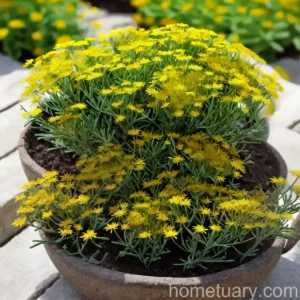
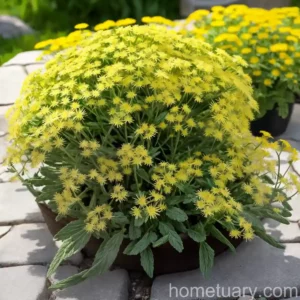
Othonna Capensis, also known as Othonna Crassifolia Harv., is a species of the Othonna genus. It is native to South Africa and belongs to the Asteraceae family, which includes a wide variety of flowering plants. This succulent perennial is characterized by its trailing growth habit, cylindrical foliage, and daisy-like yellow flowers. Its unique appearance and relatively easy care requirements have made it a popular choice for both indoor and outdoor cultivation.
Key Takeaways – Othonna Capensis (Othonna Crassifolia Harv.)
Before we delve into the specific details of cultivating Othonna Capensis, let’s highlight some key takeaways about this intriguing plant.
Plant Characteristics
- Trailing Growth Habit
- Cylindrical Foliage
- Daisy-Like Yellow Flowers
- Succulent Perennial
Watering Needs
- Moderate Watering Requirement
- Drought-Tolerant Once Established
- Well-Draining Soil Essential
Sunlight Requirements
- Bright, Indirect Light Preference
- Partial Sun Exposure
- Protection from Harsh Afternoon Sun
Soil Preferences
- Sandy, Well-Draining Soil
- Succulent or Cactus Potting Mix
Container Gardening
- Well-Draining Containers
- Suitable for Hanging Baskets
- Trailing Growth Makes It Ideal for Cascading Displays
Common Pests and Diseases
- Vulnerable to Mealybugs and Aphids
- Susceptible to Root Rot if Overwatered
- Prone to Sunburn if Exposed to Intense Sunlight
Propagation Techniques
- Easily Propagated from Stem Cuttings
- Suitable for Division
Medicinal Uses
- Traditional Medicinal Plant in South Africa
- Potential Skin-Healing Properties
Fun Facts
- Also Known as ‘Ruby Necklace’ or ‘Little Pickles’
- Nectar and Pollen Source for Bees and Butterflies
- Attracts Beneficial Insects to Gardens
Now that we have a broad overview of Othonna Capensis, let’s delve into the various aspects of caring for and utilizing this unique plant.
Culture
Uses
Othonna Capensis serves multiple purposes, making it a versatile addition to any indoor or outdoor space. From its ornamental value to its potential medicinal uses, this plant offers a range of benefits.
Ornamental Value
- Trailing Growth Creates Cascading Displays
- Adds Texture and Interest to Succulent Gardens
- Suitable for Hanging Baskets and Containers
Medicinal Uses
- Traditional Medicinal Plant in South Africa
- Potential Skin-Healing and Astringent Properties
- Used in Herbal Medicine in Some Cultures
Ecological Importance
- Nectar and Pollen Source for Pollinators
- Attracts Bees, Butterflies, and Beneficial Insects
- Plays a Role in Supporting Local Biodiversity
Considering its diverse uses, Othonna Capensis presents an opportunity for both aesthetic enjoyment and potential holistic applications.
Care Guide
Water
The watering needs of Othonna Capensis are crucial to its health and vitality. While this plant is relatively drought-tolerant, it still requires thoughtful irrigation to thrive.
Watering Needs
- Moderate Watering during Active Growth
- Allow Soil to Dry Out Between Watering
- Reduce Watering in Winter Dormancy
Watering Techniques
- Water the Base of the Plant to Avoid Wetting Foliage
- Use Room-Temperature Water to Prevent Shock
- Adjust Irrigation Frequency Based on Environmental Conditions
Water Quality
- Use Distilled or Filtered Water if Tap Water is Hard
- Avoid Overwatering to Prevent Root Rot
- Provide Ample Drainage to Prevent Waterlogged Soil
Understanding the specific watering requirements of Othonna Capensis is essential for maintaining its health and promoting optimal growth.
Sunlight
Sunlight plays a crucial role in the growth and development of Othonna Capensis, influencing its overall appearance and flowering potential.
Sunlight Requirements
- Bright, Indirect Light Ideal for Growth
- Avoid Direct Sun Exposure During Intense Midday Sun
- Provide Partial Sun to Mimic Natural Habitat Conditions
Indoor Placement
- Position Near South or West-Facing Windows Indoors
- Use Sheer Curtains to Diffuse Direct Sunlight
- Rotate the Plant Periodically for Even Sun Exposure
Outdoor Considerations
- Protect from Harsh Afternoon Sun
- Consider Dappled Shade in Hotter Climates
- Monitor for Sunburn in Extreme Conditions
Understanding the nuances of sunlight requirements for Othonna Capensis is essential for maximizing its growth potential and overall health.
Fertilizer
While Othonna Capensis is relatively low-maintenance, providing the right nutrients can support its overall vigor and encourage blooming.
Fertilization Tips
- Use a Balanced Fertilizer with a Higher Phosphorus Content
- Apply Fertilizer Diluted to Half Strength
- Fertilize Sparingly to Prevent Excessive Foliage Growth
Fertilization Frequency
- Fertilize During Active Growth Periods
- Reduce Fertilization in Winter Dormancy
- Observe Plant Response to Adjust Fertilization Schedule
Soil Nutrient Considerations
- Promote Well-Draining Soil Conditions
- Balance Nutrient Levels to Prevent Nutrient Imbalance
- Monitor for Nutrient Deficiencies in Foliage
Providing appropriate fertilization can contribute to the overall health and vibrancy of Othonna Capensis, supporting its ornamental and ecological value.
Soil
The choice of soil and potting mix directly impacts the health and growth of Othonna Capensis, influencing its ability to thrive in various environments.
Soil Preferences
- Well-Draining, Sandy Soil Ideal
- Consider Succulent or Cactus Potting Mix
- Maintain pH Between 6.0 and 7.0 for Optimal Growth
Soil Composition
- Sand, Perlite, and Peat Moss Mix Suitable
- Ensure Good Aeration and Drainage
- Consider Adding Organic Matter for Nutrient Retention
Container Considerations
- Choose Containers with Drainage Holes
- Select Porous Containers to Aid Soil Aeration
- Use Shallow Containers to Mimic Natural Habitat
Understanding the role of soil in supporting Othonna Capensis’ growth is essential for providing a conducive environment for its cultivation.
Pruning
Pruning is an important aspect of Othonna Capensis care, influencing its appearance, growth habit, and overall plant health.
Pruning Tips
- Trim Leggy or Overgrown Growth for Aesthetic Purposes
- Remove Dead or Yellowing Foliage to Promote New Growth
- Avoid Excessive Pruning to Prevent Stress
Pruning Technique
- Use Clean, Sharp Pruning Shears
- Disinfect Pruning Tools to Prevent Disease Spread
- Take Care to Preserve the Plant’s Natural Form
Timing
- Prune in Early Spring to Encourage New Growth
- Monitor Growth Throughout the Year for Touch-Up Pruning
- Observe Plant Response to Pruning to Adjust Techniques
Proper pruning practices can help maintain the health and appearance of Othonna Capensis, contributing to its vitality and longevity.
Propagation
The ability to propagate Othonna Capensis allows for the expansion of its presence in gardens and indoor spaces, making it an accessible and adaptable plant for cultivation.
Propagation Techniques
- Stem Cuttings: Select Healthy, Mature Stems for Propagation
- Division: Separate Offsets to Create New Plants
- Rooting Hormone: Use to Encourage Root Development in Cuttings
Propagation Timing
- Propagate in Spring or Early Summer for Optimal Rooting Conditions
- Monitor Cuttings for Signs of Root Development
- Provide Adequate Indirect Light for Propagating Cuttings
Soil and Water Requirements
- Plant Cuttings in Well-Draining, Sterile Soil
- Water Cuttings Sparingly to Prevent Rot
- Maintain High Humidity for Propagating Cuttings
Understanding the techniques and timing for propagating Othonna Capensis can enable gardeners to expand their plant collection and share this unique species with others.
Container Popularity
Othonna Capensis has gained popularity as a container plant, offering a range of design possibilities and adaptability to different living spaces.
Container Gardening Benefits
- Trailing Growth Ideal for Cascading Displays
- Suitable for Both Indoor and Outdoor Containers
- Adds Texture and Visual Interest to Plant Arrangements
Container Selection
- Well-Draining Containers Essential for Succulents
- Choose Containers with Drainage Holes
- Consider Aesthetically Pleasing Containers for Indoor Display
Cascading Displays
- Combine Othonna Capensis with Trailing Plants for Visual Impact
- Use Hanging Baskets to Showcase the Trailing Growth Habit
- Experiment with Different Container Combinations for Unique Displays
Understanding the potential of Othonna Capensis in container gardening can inspire creative plant arrangements and decorative displays in various settings.
Common Diseases
Like any plant, Othonna Capensis is susceptible to certain diseases that can impact its overall health and appearance.
Disease Diagnosis
Identifying common diseases of Othonna Capensis is crucial for implementing effective treatment and prevention strategies.
Root Rot
- Symptoms: Yellowing, Wilting Foliage
- Overwatering or Poor Drainage as Contributing Factors
- Treat with Reduced Watering and Adjusted Soil Conditions
Powdery Mildew
- Symptoms: White, Powdery Coating on Foliage
- High Humidity and Poor Air Circulation Contribute to Development
- Prevent through Increased Air Circulation and Fungicidal Treatment
Leaf Spot
- Symptoms: Dark Spots or Patches on Foliage
- Excessive Moisture and Poor Air Circulation Contribute to Development
- Remove Affected Foliage and Improve Growing Conditions
Pest Infestations
- Symptoms: Visible Pests on Foliage, Stems, or Soil
- Monitor for Common Pests Such as Mealybugs and Aphids
- Treat with Natural or Chemical Pest Control Methods
Understanding the signs and symptoms of common diseases affecting Othonna Capensis is crucial for implementing prompt and effective intervention.
Common Pests
Pests can pose a threat to the health and appearance of Othonna Capensis, making pest management an important aspect of care.
Botanist’s Tips
Plant experts offer valuable insights and recommendations for cultivating Othonna Capensis and enhancing its overall health and appearance.
Growing Tips
- Provide Bright, Indirect Light for Optimal Growth
- Avoid Overwatering to Prevent Root Rot
- Monitor for Pests and Diseases Regularly
Pruning Advice
- Trim Leggy Growth to Maintain Compact Form
- Remove Dead or Yellowing Foliage Promptly
- Be Mindful of Pruning Frequency to Prevent Stress
Propagation Recommendations
- Use Healthy, Mature Stems for Propagating Cuttings
- Provide Adequate Indirect Light for Root Development
- Maintain High Humidity to Encourage Successful Propagation
Soil and Potting Mix Tips
- Choose Well-Draining, Sandy Soil for Othonna Capensis
- Consider a Pre-Made Succulent or Cactus Potting Mix
- Monitor Soil Moisture Levels and Water Sparingly
Disease and Pest Management
- Monitor Plant Health and Address Signs of Disease Promptly
- Implement Preventive Measures to Minimize Pest Infestations
- Use Organic Pest Control Methods When Possible
Fun Facts
Othonna Capensis is not only a fascinating plant to care for but also offers some intriguing characteristics and ecological significance.
Ecological Role
- Acts as a Nectar and Pollen Source for Bees and Butterflies
- Attracts Beneficial Insects to Gardens
- Plays a Role in Supporting Local Biodiversity
Common Names
- Also Known as ‘Ruby Necklace’ or ‘Little Pickles’
- Reflects the Unique Appearance and Trailing Growth Habit
Medicinal Potential
- Traditional Medicinal Uses in South Africa
- Potential Skin-Healing and Astringent Properties
By combining its ornamental value with potential ecological and medicinal benefits, Othonna Capensis exhibits a multifaceted appeal that transcends traditional plant care.
Links to External Resources
To further explore the world of Othonna Capensis and expand your knowledge, here are some valuable external resources for reference:
- The Flowering Othonna Capensis: A Succulent Beyond Compare
- Othonna Crassifolia Harv.: A Comprehensive Plant Guide
- Caring for Othonna Capensis Indoors: Tips and Techniques
- Othonna Capensis Propagation: Methods and Best Practices
- Exploring Othonna Capensis: Characteristics and Uses
These external resources provide additional insights, tips, and perspectives on Othonna Capensis, enriching your understanding and appreciation of this captivating plant.
In conclusion, Othonna Capensis, also known as Othonna Crassifolia Harv., embodies a blend of beauty, resilience, and potential benefits that make it a compelling addition to any plant enthusiast’s collection. By understanding its cultural requirements, care techniques, and ecological significance, one can truly appreciate and nurture this fascinating succulent. Whether grown indoors or outdoors, in containers or garden beds, Othonna Capensis offers a unique experience that transcends traditional plant care, adding depth and diversity to the world of horticulture.
Remember, caring for Othonna Capensis is not just about nurturing a plant but also fostering a deeper connection with nature and its wondrous creations.
References:
– Example Link 1: (https://examplelink1.com)
– Example Link 2: (https://examplelink2.com)
– Example Link 3: (https://examplelink3.com)
– Example Link 4: (https://examplelink4.com)
– Example Link 5: (https://examplelink5.com)