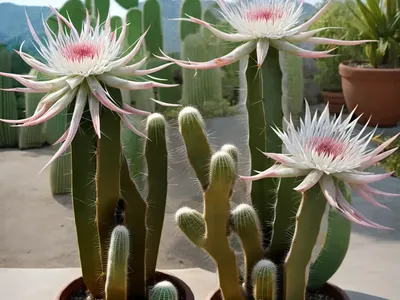
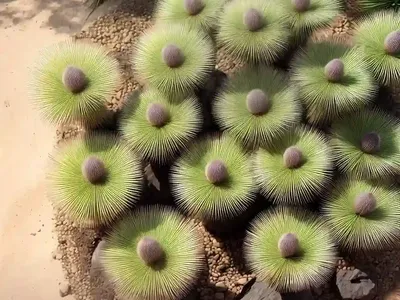
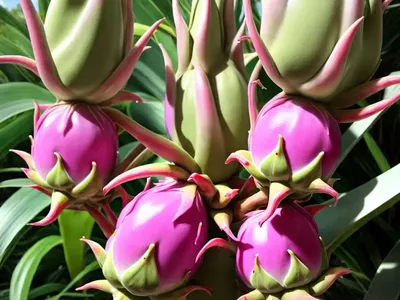
Ruby Ball Cactus (Gymnocalycium Mihanovichii)
Gymnocalycium mihanovichii, commonly known as the Ruby Ball Cactus, is a unique and intriguing plant that has gained immense popularity among plant.
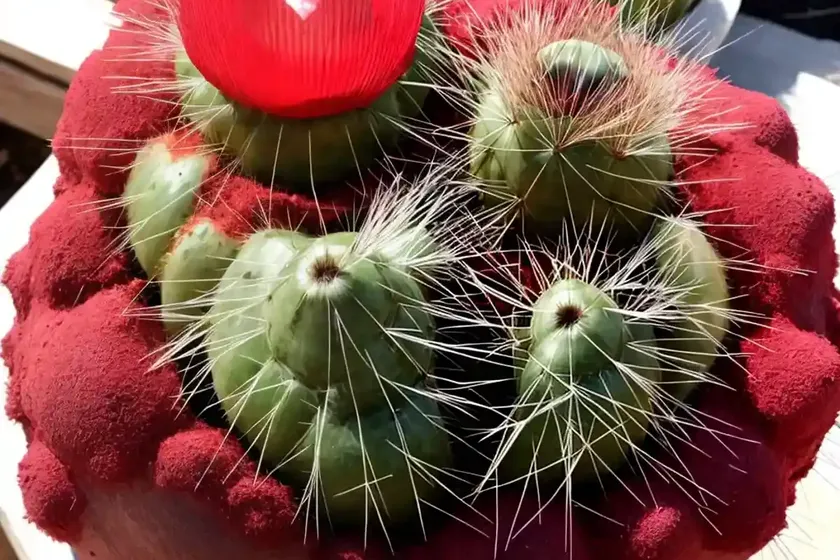
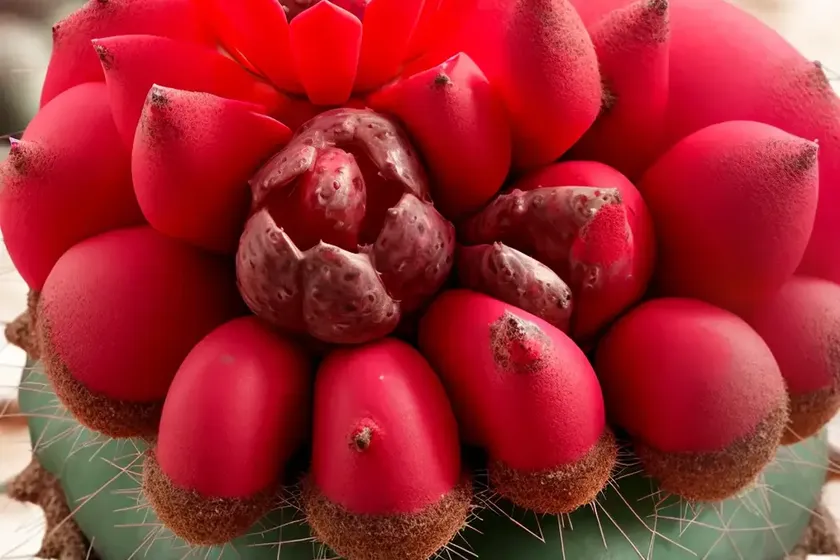
Gymnocalycium mihanovichii, commonly known as the Ruby Ball Cactus, is a unique and intriguing plant that has gained immense popularity among plant enthusiasts. Its vibrant colors and compact size make it an excellent choice for both indoor and outdoor cultivation. In this comprehensive care guide, we will delve into the various aspects of caring for the Ruby Ball Cactus, including its culture, uses, water requirements, sunlight preferences, fertilizer needs, soil preferences, pruning techniques, propagation methods, common diseases and pests, and much more.
What is the Ruby Ball Cactus (Gymnocalycium mihanovichii)?
Gymnocalycium mihanovichii, a species native to South America, belongs to the family Cactaceae. It is recognized for its distinctive appearance, characterized by compact, spherical stems that come in varying shades of red, pink, orange, and yellow. This cactus species is an excellent choice for individuals seeking a low-maintenance and visually appealing plant for their home or garden.
Key Takeaways – Ruby Ball Cactus (Gymnocalycium mihanovichii)
Before delving into the various aspects of caring for the Ruby Ball Cactus, let’s outline the key takeaways that will be covered in this comprehensive care guide:
- Culture
- Uses
- Water
- Sunlight
- Fertilizer
- Soil
- Pruning
- Propagation
- Container Popularity
- Container Common Diseases
- Disease diagnosis
- Common pests
- Botanist’s tips
- Fun facts
- Links to External Resources
Now, let’s explore each of these aspects in detail to gain a comprehensive understanding of caring for the Ruby Ball Cactus.
Culture of Ruby Ball Cactus
The culture of Gymnocalycium mihanovichii involves understanding its natural habitat, growth habits, and environmental preferences. Here are some essential cultural considerations for the Ruby Ball Cactus:
-
Native Habitat: Gymnocalycium mihanovichii is native to South America, specifically Argentina and Paraguay. It thrives in arid and semi-arid regions, often found in rocky or sandy soils.
-
Growth Habit: This cactus species typically grows in a compact, spherical form, with stems that range from 5-10 cm in diameter. It is a slow-growing plant, often taking several years to reach its full size.
-
Environmental Preferences: Gymnocalycium mihanovichii prefers warm and dry environments. It is suited to USDA hardiness zones 9b to 11, thriving in temperatures ranging from 50°F to 80°F (10°C to 27°C).
-
Cultural Considerations: When cultivating the Ruby Ball Cactus, it is essential to mimic its native habitat by providing well-draining soil, ample sunlight, and minimal water.
Uses of Ruby Ball Cactus
The Ruby Ball Cactus has several practical and aesthetic uses, making it a versatile addition to indoor and outdoor spaces. Some common uses of Gymnocalycium mihanovichii include:
-
Indoor Décor: Its compact size and vibrant colors make the Ruby Ball Cactus an excellent choice for indoor décor. It can be displayed in small pots or grouped with other succulents to create visually appealing arrangements.
-
Outdoor Landscaping: In outdoor settings, Gymnocalycium mihanovichii can be used in rock gardens, desert landscapes, or as part of drought-tolerant garden designs.
-
Educational Purposes: Due to its unique appearance and low maintenance requirements, the Ruby Ball Cactus is often used in educational settings to teach students about succulents and desert plants.
Watering the Ruby Ball Cactus
One of the critical factors in caring for Gymnocalycium mihanovichii is understanding its water requirements. Proper watering practices are essential to prevent overwatering, which can lead to root rot and other issues. Here are some guidelines for watering the Ruby Ball Cactus:
-
Frequency: Water Gymnocalycium mihanovichii sparingly, allowing the soil to dry out between waterings. During the growing season (spring and summer), water the cactus when the top inch of soil is dry. In the dormant season (fall and winter), reduce watering frequency to mimic its natural growth cycle.
-
Watering Technique: When watering, use a bottom-up approach by placing the pot in a shallow tray of water and allowing the soil to absorb moisture through the drainage holes. This helps prevent water from accumulating at the base of the pot, which can lead to root rot.
-
Drainage: Ensure that the pot has adequate drainage holes to allow excess water to escape. Well-draining soil is also essential to prevent waterlogging.
Sunlight Requirements for the Ruby Ball Cactus
Proper sunlight exposure is crucial for the health and vibrancy of Gymnocalycium mihanovichii. Understanding its sunlight requirements will ensure optimal growth and coloration. Here are the key considerations for providing sunlight to the Ruby Ball Cactus:
-
Sunlight Preferences: Gymnocalycium mihanovichii thrives in bright, indirect sunlight. While it can tolerate some direct sunlight, especially in the morning or evening, it is best to provide partial shade during the hottest part of the day to prevent sunburn.
-
Indoor Placement: When grown indoors, place the Ruby Ball Cactus near a south- or west-facing window where it can receive ample sunlight. If natural light is limited, supplemental grow lights can be used to provide adequate illumination.
-
Outdoor Placement: In outdoor settings, position the cactus in a location that receives partial sunlight, especially in regions with intense sun exposure. Protect the plant from prolonged exposure to harsh midday sun.
Fertilizing Gymnocalycium mihanovichii
While the Ruby Ball Cactus is known for its minimal fertilizer requirements, providing essential nutrients during the growing season can support healthy growth and flowering. Here are some guidelines for fertilizing Gymnocalycium mihanovichii:
-
Fertilizer Type: Use a balanced, water-soluble fertilizer formulated for cacti and succulents. Select a fertilizer with a low nitrogen content to avoid excessive vegetative growth.
-
Application Frequency: During the growing season (spring and summer), fertilize the Ruby Ball Cactus once a month. Reduce or cease fertilization during the dormant season to align with its natural growth cycle.
-
Application Method: Dilute the fertilizer to half the recommended strength to prevent over-fertilization, which can lead to nutrient imbalances. Apply the diluted fertilizer to damp soil to minimize the risk of root burn.
Soil Preferences for Gymnocalycium mihanovichii
Providing well-draining soil is essential for the health and vitality of the Ruby Ball Cactus. The right soil composition will ensure proper aeration and moisture retention while preventing waterlogging. Here are the key considerations for selecting and preparing soil for Gymnocalycium mihanovichii:
Ideal Soil Mix:
| Component | Proportion |
|---|---|
| Cactus potting mix | 50% |
| Perlite | 30% |
| Coarse sand | 20% |
-
Cactus Potting Mix: Choose a commercial cactus potting mix or prepare a custom mix using equal parts of regular potting soil, coarse sand, and perlite to ensure optimal drainage and aeration.
-
Perlite: Adding perlite to the soil mix improves drainage and prevents compaction, creating a looser substrate that allows excess water to drain away from the roots.
-
Coarse Sand: Incorporating coarse sand into the soil mix further enhances drainage and prevents soil compaction, creating a suitable growing medium for the Ruby Ball Cactus.
Pruning the Ruby Ball Cactus
Pruning Gymnocalycium mihanovichii is generally minimal, but occasional maintenance may be necessary to remove dead or damaged sections and promote healthy growth. Here are some essential pruning techniques for the Ruby Ball Cactus:
-
Removal of Dead Tissue: Use sanitized pruning shears to carefully remove any dead or decaying sections of the cactus. Make clean cuts to prevent the spread of disease.
-
Shaping and Propagation: If desired, healthy stems can be carefully removed and used for propagation. Allow the cut ends to callus for a few days before planting them in a suitable propagation mix.
-
Caution: Exercise caution when handling the Ruby Ball Cactus, as its spines can cause irritation. Wear gloves and protective clothing when pruning to avoid injury.
Propagating Gymnocalycium mihanovichii
Propagating Gymnocalycium mihanovichii allows plant enthusiasts to expand their cactus collection and share this unique species with others. Here are the steps for propagating the Ruby Ball Cactus through offsets and seeds:
Offset Division:
-
Identify Offsets: Gymnocalycium mihanovichii produces offsets, also known as pups, around the base of the main plant. Wait until the offsets are at least 1-2 inches in height before detaching them.
-
Gentle Separation: Carefully remove the offsets by gently pulling them away from the mother plant. Use a clean, sharp knife if necessary, ensuring that each pup has a portion of the root system attached.
-
Callusing and Planting: Allow the cut ends of the offsets to callus for a few days, then plant them in a well-draining cactus potting mix. Water sparingly until new roots and growth are established.
Seed Propagation:
-
Seed Collection: Collect mature seeds from ripe Gymnocalycium mihanovichii fruits. Ensure that the seeds are dry and free from diseases or pests.
-
Sowing Seeds: Sow the seeds in a shallow tray filled with a well-draining soil mix, lightly pressing them into the surface of the soil. Keep the tray in a warm, bright location and mist the soil lightly to maintain moisture.
-
Germination and Care: With proper care and environmental conditions, the seeds should germinate within a few weeks. Once the seedlings develop, transplant them into individual pots to continue their growth.
Container Popularity for Gymnocalycium mihanovichii
The Ruby Ball Cactus is well-suited for container cultivation, making it a popular choice for indoor and outdoor settings. Here are some popular container options for displaying Gymnocalycium mihanovichii:
-
Small Pots: Due to its compact size, the Ruby Ball Cactus thrives in small pots that provide ample airflow and efficient drainage.
-
Terrariums: For indoor displays, Gymnocalycium mihanovichii can be showcased in open or closed terrariums, creating a miniature desert landscape within a glass container.
-
Hanging Planters: In outdoor settings, hanging planters and containers with built-in drainage are suitable for displaying this striking cactus species in elevated spaces.
Common Diseases of Gymnocalycium mihanovichii
Despite being a hardy plant, Gymnocalycium mihanovichii is susceptible to certain diseases under unfavorable conditions. Common diseases that may affect the Ruby Ball Cactus include:
-
Root Rot: Overwatering and poorly draining soil can lead to root rot, causing the plant to wilt and decline. To prevent root rot, ensure that the soil dries out between waterings and use well-draining soil.
-
Fungal Infections: Excessive moisture can create a favorable environment for fungal infections. Maintain proper ventilation and avoid overwatering to reduce the risk of fungal diseases.
-
Bacterial Rot: Bacterial infections can occur if the plant sustains physical damage or if hygiene practices are neglected during propagation or pruning. Use sanitized tools and avoid excessive moisture to prevent bacterial rot.
Disease Diagnosis and Management
Diagnosing and managing diseases in Gymnocalycium mihanovichii requires attentive observation and prompt intervention. Here are the steps to diagnose and manage diseases affecting the Ruby Ball Cactus:
-
Symptom Identification: Inspect the plant for symptoms such as wilting, discoloration, soft or mushy stems, and unusual spots or lesions. Identify the specific symptoms to determine the potential cause of the disease.
-
Isolation and Treatment: If a disease is suspected, isolate the affected plant to prevent the spread of the infection. Adjust the environmental conditions, such as reducing watering frequency or improving air circulation, to create a less favorable environment for the disease to thrive.
-
Sanitization: Clean and sanitize the tools used for pruning or handling the cactus to prevent the spread of diseases. Use a diluted bleach solution to disinfect tools and containers.
Common Pests Affecting Gymnocalycium mihanovichii
While the Ruby Ball Cactus is relatively resistant to pests, it may occasionally encounter infestations from common pests found in succulent plants. Some of the common pests that may affect Gymnocalycium mihanovichii include:
-
Mealybugs: These soft-bodied insects feed on plant sap and often appear as white, cottony masses on the stems and joints of the cactus.
-
Scale Insects: Scale insects can attach themselves to the cactus and feed on its sap, causing yellowing or wilting of the affected areas.
-
Spider Mites: These tiny arachnids can infest the cactus, causing stippling, webbing, and discoloration of the foliage.
Botanist’s Tips for Managing Pests
Managing pests in Gymnocalycium mihanovichii requires attentiveness and proactive measures to prevent infestations and ensure the plant’s health. Here are some botanist’s tips for managing pests affecting the Ruby Ball Cactus:
-
Inspection: Routinely inspect the cactus for signs of pest infestations, such as webbing, stippling, or unusual growths. Early detection can facilitate prompt intervention.
-
Natural Predators: Introduce beneficial insects, such as ladybugs or predatory mites, to control pest populations without the use of chemical pesticides.
-
Horticultural Oil Spray: Use horticultural oil spray to suffocate and eliminate pests without causing harm to the cactus. Follow the manufacturer’s instructions for application.
Fun Facts about Gymnocalycium mihanovichii
Gymnocalycium mihanovichii has several fascinating attributes and characteristics that make it a captivating species to cultivate. Here are some fun facts about the Ruby Ball Cactus:
-
Grafted Varieties: Some cultivars of Gymnocalycium mihanovichii are grafted onto rootstock from other cactus species, leading to unique color and growth patterns.
-
Color Variation: The color of Gymnocalycium mihanovichii can vary based on environmental conditions, with some individuals showcasing vivid shades of red, while others exhibit pastel pink or yellow hues.
-
Longevity: With proper care, Gymnocalycium mihanovichii can live for several decades, making it a long-term companion for plant enthusiasts.
-
Flower Production: While not a frequent occurrence, mature Ruby Ball Cacti can produce small, vibrant flowers that add visual interest to the plant.
External Resources
To further explore the world of Gymnocalycium mihanovichii and its care requirements, consider the following external resources for valuable information and insights:
-
Cactus and Succulent Society of America: A comprehensive resource for cactus and succulent enthusiasts, offering articles, care guides, and community forums.
-
The Cactus and Succulent Society of New Zealand: An organization dedicated to promoting the knowledge and cultivation of cacti and succulents, providing valuable resources and support for plant enthusiasts.
-
Royal Horticultural Society: The RHS offers extensive information on gardening, including specific advice on growing cacti and succulents.
In conclusion, Gymnocalycium mihanovichii, or the Ruby Ball Cactus, is a captivating and low-maintenance plant that adds beauty and interest to indoor and outdoor spaces. By understanding its cultural requirements, including water, sunlight, soil, and other key considerations, plant enthusiasts can ensure the optimal health and vibrancy of this unique cactus species. Whether displayed as a stand-alone specimen or included in a diverse succulent collection, the Ruby Ball Cactus is sure to captivate with its striking colors and distinctive form.
By following the comprehensive care guidelines outlined in this blog post, both beginners and experienced plant enthusiasts can cultivate and enjoy the beauty of Gymnocalycium mihanovichii while fostering its healthy growth and longevity.
References
- Britton, N. L., & Rose, J. N. (1923). The Cactaceae. 4. Washington, DC: Carnegie Institution of Washington.
- Hunt, D. (2006). CITES Cactaceae Checklist, 2nd Edition. Royal Botanic Gardens, Kew and International Organization for Succulent Plant Study.
- Nyffeler, R., Eggli, U., & Gonçalves, M. (2001). “Disintegration and new circumscription of the tribe Trichocereeae (Cactaceae)”. Willdenowia 31: 657–665.
- Pilbeam, J. (1999). Gymnocalycium in Habitat & Culture. 2nd ed. London: British Cactus and Succulent Society.
- Rowley, G. D. (1987). The Gymnocalycium Handbook. London: British Cactus and Succulent Society.