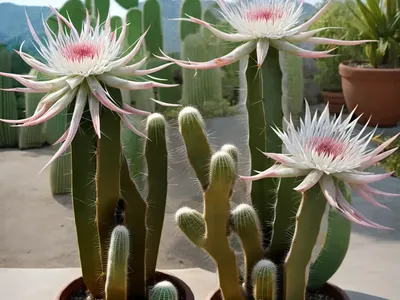
Dragon Fruit (Hylocereus Undatus)
Dragon fruit, also known as pitaya or pitahaya, belongs to the cactus family Cactaceae and is native to Central America. The scientific name for the most.
What is Dragon Fruit (Hylocereus Undatus)?
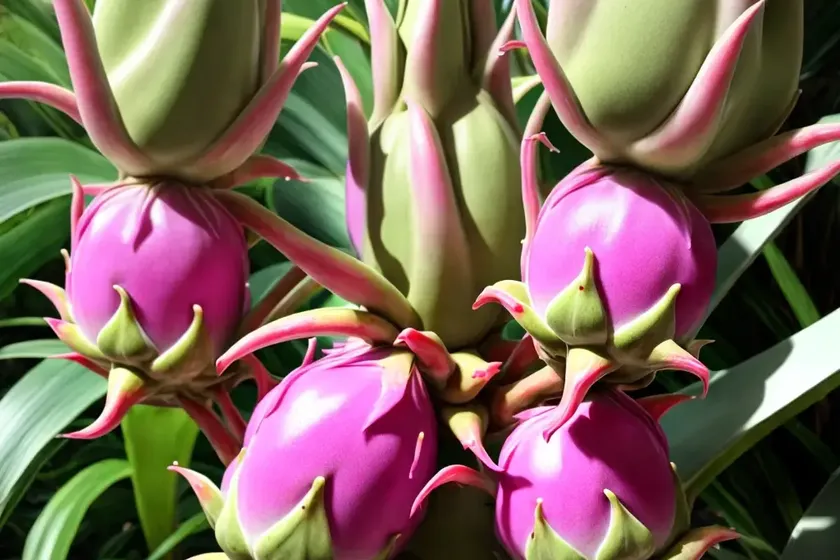
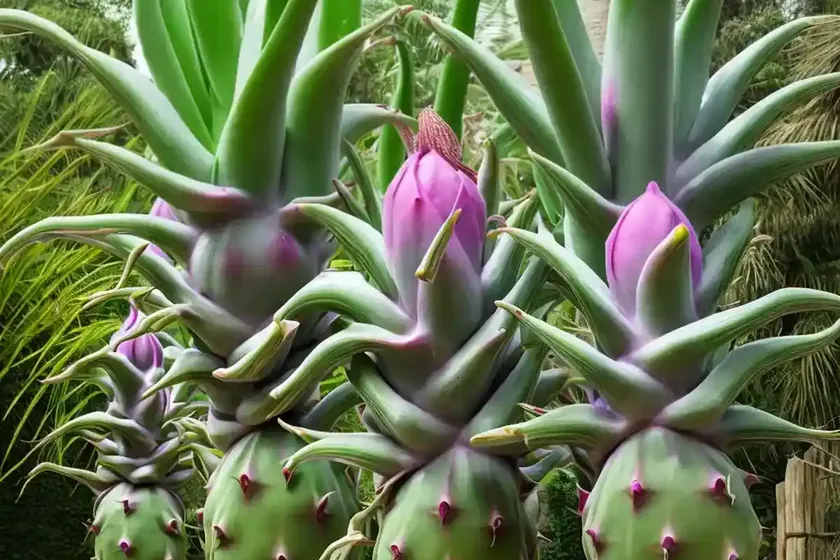
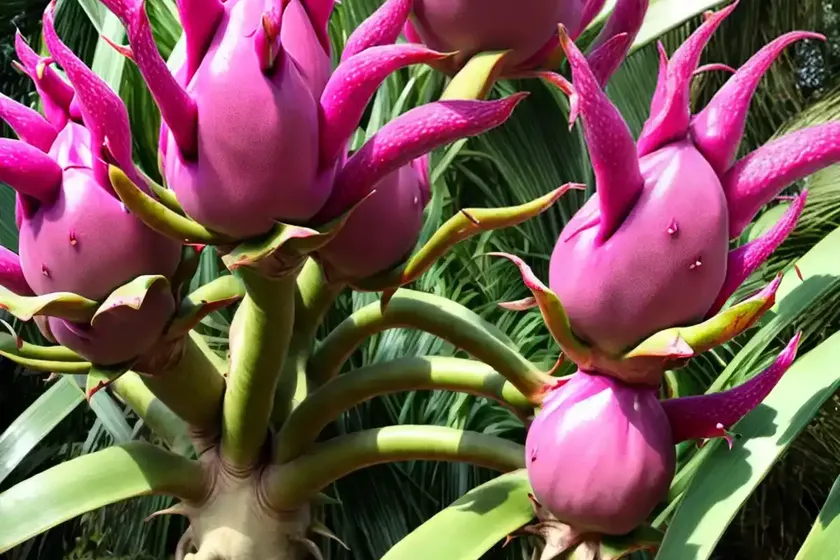
Dragon fruit, also known as pitaya or pitahaya, belongs to the cactus family Cactaceae and is native to Central America. The scientific name for the most common variety is Hylocereus undatus. It is a stunningly beautiful fruit with vibrant colors and a unique shape. The outer skin is a fuchsia pink or deep red with green scales, while the inside contains white or red flesh speckled with tiny black seeds.
Dragon fruit is increasingly popular in tropical and subtropical regions due to its unique appearance, delicious taste, and potential health benefits. Not only is it aesthetically pleasing, but it is also packed with essential nutrients making it a valuable addition to any diet.
In this comprehensive guide, we will delve into various aspects of dragon fruit, from its cultivation and care to its uses and benefits, along with tips and techniques for growing and maintaining this exotic plant.
Key Takeaways – Dragon Fruit (Hylocereus Undatus)
Before diving into the details, here are some key takeaways about growing and caring for dragon fruit (Hylocereus undatus):
- Dragon fruit plants require well-draining soil and are sensitive to overwatering.
- These plants prefer full sun and warm temperatures for optimal growth and fruit production.
- Regular fertilization is essential to support healthy growth and fruiting.
- Dragon fruit is a tropical plant and requires a warm climate with consistent humidity for successful cultivation.
- Pruning can help promote branching and control the size of the plant.
- Dragon fruit plants can be propagated from cuttings, seeds, or through grafting methods.
- Disease management and pest control are crucial for preventing common issues that can affect dragon fruit plants.
Now, let’s explore each of these aspects in detail to gain a comprehensive understanding of dragon fruit cultivation and care.
Culture
Uses
Dragon fruit is not only valued for its ornamental beauty but also for its delicious and nutritious fruit. The flesh of the fruit can be eaten fresh, added to smoothies, used in fruit salads, and even made into juice. Additionally, it can be an interesting addition to various dishes and desserts due to its unique appearance and subtly sweet flavor. The high antioxidant content in dragon fruit makes it a popular choice for health-conscious consumers.
Water
Achieving the right balance of water is essential for the successful cultivation of dragon fruit. Overwatering can lead to root rot and other issues, while underwatering can result in poor fruit development and overall plant health. It is crucial to provide adequate moisture to the plant, especially during the flowering and fruiting stages, while ensuring that the soil has proper drainage to prevent waterlogging.
Sunlight
Dragon fruit plants thrive in full sunlight, requiring at least six hours of direct sunlight each day for optimal growth and fruit production. In regions with intense heat, providing partial shade during the hottest part of the day can be beneficial to prevent sunburn and dehydration of the plant.
Fertilizer
Fertilization is a fundamental aspect of dragon fruit plant care. A balanced fertilizer with a higher potassium content is beneficial for flowering and fruit development. Organic fertilizers and slow-release fertilizers are often preferred to avoid the risk of fertilizer burn and to promote long-term soil health.
Soil
Dragon fruit plants thrive in well-draining, slightly acidic soil with a pH range of 6 to 7.5. Sandy or loamy soils with good aeration are ideal for promoting healthy root development and overall plant growth. Choosing the right soil mix and maintaining proper drainage is vital to prevent waterlogging and root-related issues.
Pruning
Pruning is essential for managing the growth and shape of dragon fruit plants. Removal of excessive branches and stems can promote better air circulation, reduce the risk of disease, and enhance the overall aesthetic appeal of the plant. Pruning can also encourage the development of lateral branches and subsequent fruiting.
Propagation
Dragon fruit plants can be propagated through various methods, including stem cuttings, seeds, and grafting. Stem cuttings are a popular and effective way to multiply dragon fruit plants, and they often root and establish themselves quickly when provided with the right environmental conditions.
Container Popularity
Due to their climbing growth habit, dragon fruit plants are well-suited for container gardening. This not only allows for easy management of their growth but also enables gardeners in non-tropical regions to grow them by moving the containers indoors during colder seasons. The use of trellises or other supports is often necessary to accommodate the climbing nature of the plant.
Common Diseases
Despite their hardiness, dragon fruit plants are susceptible to certain diseases that can affect their growth and fruit production. Common diseases that can affect dragon fruit plants include:
- Anthracnose: A fungal disease that causes dark, sunken lesions on the fruit and stem dieback.
- Stem rot: Caused by Phytophthora species, this disease leads to the decay of the stem and can be fatal to the plant if not addressed promptly.
- Bacterial soft rot: Characterized by water-soaked lesions and foul odor, this bacterial disease affects the flesh of the fruit and can spread rapidly.
- Root rot: Overwatering and poorly drained soil can lead to root rot, affecting the overall health and vigor of the plant.
Disease Diagnosis
Diagnosing and treating diseases in dragon fruit plants require careful observation and prompt action. Visual symptoms such as lesions, discoloration, and wilting can provide valuable clues about the underlying issue. Additionally, conducting a soil and tissue analysis can help identify nutrient deficiencies or imbalances that may contribute to plant health problems.
Common Pests
While dragon fruit plants are relatively resilient, they can still be targeted by certain pests that can impact their growth and productivity. Common pests that affect dragon fruit plants include:
- Scale insects: These small, sap-feeding insects can cluster on the stems and fruit, causing discoloration and weakening of the plant.
- Spider mites: Known for creating fine webbing on the plant and causing stippling on the leaves, spider mites can reduce plant vigor and fruit quality.
- Mealybugs: These soft-bodied insects can infest the plant, particularly the growing tips and new shoots, leading to stunted growth and reduced fruit formation.
- Aphids: These tiny, sap-sucking pests can distort new growth and transmit viral diseases, affecting the overall health of the plant.
Implementing integrated pest management strategies and regular monitoring can help prevent and manage pest infestations in dragon fruit plants.
Botanist’s Tips
Cultivation Tips
- Choose a well-draining soil mix with added organic matter to provide essential nutrients to the plant while maintaining proper moisture levels.
- Provide adequate structural support such as trellises or fences to accommodate the climbing nature of dragon fruit plants.
- Utilize a balanced fertilizer with a higher potassium content to support flowering and fruit development while avoiding excess nitrogen that can promote excessive vegetative growth at the expense of fruiting.
Disease Management
- Practice good sanitation by removing and disposing of any infected plant material to prevent the spread of diseases.
- Implement proper watering practices to prevent waterlogged soil and reduce the risk of root rot and other moisture-related diseases.
Pest Control
- Monitor the plants regularly for signs of pest activity and intervene promptly to prevent infestations from escalating.
- Encourage natural predators such as ladybugs and lacewings to help keep pest populations in check.
Fun Facts
- Dragon fruit blooms overnight, releasing a delicate fragrance that attracts pollinators, particularly moths and bats, due to its nocturnal flowering habit.
- There are different varieties of dragon fruit, each with its own unique characteristics, including variations in flesh color and flavor.
Links to External Resources
For additional information and resources on dragon fruit cultivation, care, and management, consider exploring the following links:
- Dragon Fruit Growing Guide – University of Florida
- Hylocereus Undatus: A Review – International Journal of Research in Plant Science
- Dragon Fruit: Potential Health Benefits and Uses – Healthline
- Pitahaya Production Guidelines – Food and Agriculture Organization of the United Nations (FAO)
In conclusion, the cultivation and care of dragon fruit (Hylocereus undatus) require attention to various factors such as water, sunlight, soil, fertilization, disease management, and pest control. By understanding the specific needs of this unique plant and implementing appropriate practices, gardeners and farmers can enjoy healthy plant growth and abundant fruit production. Additionally, exploring the diverse uses, fun facts, and botanical insights related to dragon fruit can deepen appreciation for this remarkable tropical crop.
May this comprehensive guide serve as a valuable resource for enthusiasts and professionals looking to explore the intricacies of cultivating and caring for dragon fruit plants, and may it contribute to the enjoyment and success of dragon fruit cultivation endeavors worldwide.
Now, let **s delve into dragon fruit, also known as pitaya or pitahaya, a member of the cactus family Cactaceae and native to Central America. The scientific name for the most common variety is Hylocereus undatus. It is a stunningly beautiful fruit with vibrant colors and a unique shape. The outer skin is a fuchsia pink or deep red with green scales, while the inside contains white or red flesh speckled with tiny black seeds.
Dragon fruit is increasingly popular in tropical and subtropical regions due to its unique appearance, delicious taste, and potential health benefits. Not only is it aesthetically pleasing, but it is also packed with essential nutrients making it a valuable addition to any diet.
In this comprehensive guide, we will delve into various aspects of dragon fruit, from its cultivation and care to its uses and benefits, along with tips and techniques for growing and maintaining this exotic plant.
Now, before diving into the details, here are some key takeaways about growing and caring for dragon fruit (Hylocereus undatus):
- Dragon fruit plants require well-draining soil and are sensitive to overwatering.
- These plants prefer full sun and warm temperatures for optimal growth and fruit production.
- Regular fertilization is essential to support healthy growth and fruiting.
- Dragon fruit is a tropical plant and requires a warm climate with consistent humidity for successful cultivation.
- Pruning can help promote branching and control the size of the plant.
- Dragon fruit plants can be propagated from cuttings, seeds, or through grafting methods.
- Disease management and pest control are crucial for preventing common issues that can affect dragon fruit plants.
Now, let’s explore each of these aspects in detail to gain a comprehensive understanding of dragon fruit cultivation and care.
Culture
Uses
Dragon fruit is not only valued for its ornamental beauty but also for its delicious and nutritious fruit. The flesh of the fruit can be eaten fresh, added to smoothies, used in fruit salads, and even made into juice. Additionally, it can be an interesting addition to various dishes and desserts due to its unique appearance and subtly sweet flavor. The high antioxidant content in dragon fruit makes it a popular choice for health-conscious consumers.
Water
Achieving the right balance of water is essential for the successful cultivation of dragon fruit. Overwatering can lead to root rot and other issues, while underwatering can result in poor fruit development and overall plant health. It is crucial to provide adequate moisture to the plant, especially during the flowering and fruiting stages, while ensuring that the soil has proper drainage to prevent waterlogging.
Sunlight
Dragon fruit plants thrive in full sunlight, requiring at least six hours of direct sunlight each day for optimal growth and fruit production. In regions with intense heat, providing partial shade during the hottest part of the day can be beneficial to prevent sunburn and dehydration of the plant.
Fertilizer
Fertilization is a fundamental aspect of dragon fruit plant care. A balanced fertilizer with a higher potassium content is beneficial for flowering and fruit development. Organic fertilizers and slow-release fertilizers are often preferred…
So on and so forth….