All About Rubus occidentalis (Black Raspberry)
Rubus occidentalis, commonly known as Black Raspberry, is a species of fruit-bearing shrub in the Rose family, Rosaceae. This native plant of North America is renowned for its delicious berries and has been grown for centuries for both its culinary and medicinal uses. In this comprehensive guide, we will delve into the fascinating world of Rubus occidentalis, exploring its culture, uses, propagation, care, and much more. Whether you are a seasoned gardener, a horticulture enthusiast, or someone looking to learn about this captivating plant, this article will serve as a valuable resource to expand your knowledge and understanding of Rubus occidentalis.
What is Rubus occidentalis (Black Raspberry)?
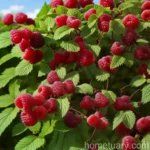
Rubus occidentalis, commonly known as Black Raspberry, is a perennial shrub that belongs to the Rubus genus. It is native to eastern North America, where it is found growing wild in various habitats, including woodland edges, fields, and disturbed areas. This species is known for its arching canes, thorny stems, and delectable black berries that are cherished for their unique flavor and numerous health benefits.
Black Raspberry is an important species both ecologically and economically. In addition to its agricultural significance, it contributes to the ecological balance by providing food and shelter to various wildlife species, including birds and small mammals. Apart from its culinary uses, Black Raspberry has gained attention for its potential health benefits attributed to its high antioxidant content, making it a sought-after ingredient in the food and pharmaceutical industries.
Key Takeaways – Rubus occidentalis (Black Raspberry)
Before we delve into the specifics of Black Raspberry cultivation and care, let’s take a moment to highlight some key takeaways about this remarkable plant:
- Scientific Name: Rubus occidentalis
- Common Name: Black Raspberry
- Family: Rosaceae
- Native Range: Eastern North America
- Cultivation Uses: Culinary, Medicinal, Ornamental
- Fruit Type: Aggregate fruit composed of numerous small drupelets
- Harvest Season: Typically in mid to late summer
- Health Benefits: Rich in antioxidants, vitamins, and minerals
- Wildlife Benefits: Provides food and habitat for birds and small mammals
- Growth Habit: Perennial shrub with biennial canes
- Cultural Significance: Historically used by Native American tribes for various purposes
Now that we have familiarized ourselves with the basic attributes of Rubus occidentalis, let’s dive deeper into its cultivation, uses, and essential care requirements.
Culture
Cultivating Black Raspberry can be a rewarding experience, whether you are growing it for its delicious berries, ornamental value, or ecological benefits. To ensure successful cultivation, it is crucial to understand the specific cultural requirements of Rubus occidentalis.
Water
Proper water management is essential for the healthy growth and development of Black Raspberry plants. While they have moderate water needs, it is important to ensure consistent moisture, especially during the fruiting season. Adequate watering is crucial for fruit development, and a lack of moisture can result in reduced fruit size and quality.
When watering Black Raspberry plants, it is best to provide deep, infrequent watering to promote deep root growth and drought tolerance. Additionally, utilizing mulch around the base of the plants can help conserve soil moisture and suppress weed growth, contributing to the overall health of the plants.
Sunlight
Black Raspberry plants thrive in full sun to partial shade. They require at least 6-8 hours of direct sunlight to reach their full fruiting potential. When selecting a site for planting, choose an area that receives ample sunlight and has well-draining soil to support the vigorous growth of the plants.
In regions with hot summers, providing some afternoon shade can be beneficial to prevent excessive heat stress on the plants. However, it is important to strike a balance, as inadequate sunlight can lead to reduced fruit production and overall plant vigor.
Fertilizer
Proper nutrition is crucial for the optimal growth and fruit production of Black Raspberry plants. Before planting, it is advisable to conduct a soil test to assess the nutrient levels and pH of the soil. Based on the test results, you can make informed decisions regarding soil amendments and fertilization.
Black Raspberry plants generally benefit from balanced fertilization, preferably in early spring before new growth emerges. A complete fertilizer with a balanced NPK ratio (nitrogen, phosphorus, and potassium) can be applied according to the specific recommendations based on the soil test results. Additionally, organic matter such as compost or well-rotted manure can be incorporated into the soil to improve its fertility and structure.
Soil
The soil requirements for Black Raspberry cultivation include well-draining, loamy soil with a slightly acidic to neutral pH range. A soil pH between 5.5 and 6.5 is considered ideal for optimal growth and fruit production. Conducting a soil test can provide valuable insights into the soil composition and pH level, allowing you to make necessary adjustments to create an ideal growing environment for the plants.
Prior to planting, it is recommended to prepare the soil by incorporating organic matter and ensuring proper drainage to prevent waterlogging, which can lead to root rot and other diseases. Adequate soil preparation sets the foundation for healthy root development and overall plant vigor.
Pruning
Pruning plays a vital role in the management of Black Raspberry plants, contributing to improved fruit production, disease management, and overall plant health. Proper pruning helps maintain plant structure, remove damaged or diseased canes, promote air circulation, and encourage the growth of new, productive canes.
Pruning Young Plants
When establishing a new planting of Black Raspberry, it is essential to prune the canes to encourage vigorous growth and establishment. Select 3-5 of the healthiest canes and prune them to a height of 24-30 inches at the time of planting. This initial pruning promotes branching and stimulates the development of lateral shoots, leading to a stronger, more productive plant in the subsequent years.
Pruning Mature Plants
Mature Black Raspberry plants require annual pruning to manage the fruiting canes and maintain plant vigor. The following are key considerations for pruning mature plants:
-
Summer Pruning: After the harvest season, remove the canes that have produced fruit, known as floricanes. This encourages the development of new primocanes, which will bear fruit in the following year.
-
Thinning: Thin the canes to ensure proper air circulation and sunlight penetration throughout the canopy. This reduces the risk of disease and promotes the development of healthy, flavorful berries.
-
Canopy Management: Maintain a well-balanced canopy by removing any overcrowded or weak canes, allowing the remaining canes to receive adequate sunlight and resources for optimal fruit production.
-
Disease Management: Prune out and remove any canes showing signs of disease, such as wilt or cane blight, to prevent the spread of pathogens and maintain plant health.
Propagation
Black Raspberry plants can be propagated through various methods, including tip layering, division, and stem cuttings. Each propagation method offers unique advantages and can be used to expand plantings, renew aging stands, or share plants with other gardening enthusiasts.
Tip Layering
Tip layering is a simple and effective method of propagating Black Raspberry plants. To propagate through tip layering:
- Select a healthy, low-growing cane with a flexible tip.
- Gently bend the tip to the ground without breaking it.
- Create a small depression in the soil and secure the tip in place using a U-shaped staple or a small rock.
- Cover the tip with soil, ensuring that the tip remains exposed.
- Water the site regularly to keep the soil moist.
- After roots have developed, typically within a few months, the new plant can be separated from the parent plant and transplanted to a new location.
Division
Division involves separating the root clumps of mature Black Raspberry plants to create new plants. This method is typically employed when rejuvenating older plantings or expanding existing ones. To propagate through division:
- Carefully dig up a healthy, established Black Raspberry plant.
- Using a sharp, clean tool, divide the root clump into sections, ensuring that each section has a sufficient number of healthy roots.
- Replant the divided sections in prepared soil, ensuring proper spacing and adequate moisture to support establishment and growth.
Stem Cuttings
Stem cuttings offer a reliable method of propagation for Black Raspberry plants. To propagate through stem cuttings:
- Select healthy, disease-free canes for cutting, preferably during the dormant season.
- Cut the canes into 4-6 inch sections, ensuring that each section has at least two nodes.
- Plant the cuttings in a well-draining potting mix, ensuring good contact between the cuttings and the soil.
- Maintain consistent moisture and provide bright, indirect light to encourage root development.
- Once the cuttings have developed a strong root system, they can be transplanted to their permanent growing location.
Container Popularity
In addition to being grown in traditional gardens and orchards, Black Raspberry plants are also well-suited for container cultivation. Growing Black Raspberry in containers offers several advantages, making it a popular choice for urban and space-limited gardeners.
Benefits of Container Cultivation
-
Space Efficiency: Container cultivation allows individuals with limited garden space to enjoy the rewards of growing Black Raspberry plants. Balconies, patios, and small urban yards can be transformed into fruitful growing spaces through container gardening.
-
Portability: Containers offer the flexibility to move the plants to different locations based on sunlight availability, temperature fluctuations, or aesthetic preferences. This allows for maximizing sun exposure and optimizing growing conditions throughout the growing season.
-
Pest and Disease Management: Container cultivation can help manage pest and disease pressures, as the plants can be positioned strategically to minimize exposure to potential threats. Additionally, it allows for easier monitoring and interventions when necessary.
-
Climate Adaptability: Containers enable gardeners to create microclimates that cater to the specific needs of Black Raspberry plants, enhancing their adaptability to various climatic conditions and extending the growing season in colder regions.
-
Aesthetic Appeal: Black Raspberry plants can serve as ornamental additions to outdoor spaces, with their arching canes and lush foliage adding visual interest and texture to the container garden.
Container Requirements
When growing Black Raspberry in containers, it is important to select suitable containers and provide appropriate growing conditions to support the plants’ health and productivity.
Container Selection
Choose large, sturdy containers with adequate drainage holes to prevent waterlogging and promote root aeration. A container with a capacity of at least 15-20 gallons is recommended to accommodate the extensive root system of Black Raspberry plants. Additionally, lightweight, plastic containers are preferable for ease of moving and handling.
Growing Medium
Select a well-draining, nutrient-rich potting mix that provides a balanced blend of organic matter, perlite, and vermiculite. The growing medium should offer good water retention while allowing excess moisture to drain effectively, promoting healthy root development and overall plant growth.
Sunlight and Watering
Place the containers in a location that receives ample sunlight, ensuring that the plants receive at least 6-8 hours of direct sunlight daily. Monitor the moisture levels in the growing medium, watering the plants as needed to maintain consistent soil moisture. Container-grown plants may require more frequent watering, especially during hot, dry weather.
Common Diseases
Black Raspberry plants are susceptible to various diseases that can impact their growth, fruit production, and overall health. Understanding the common diseases and their management is essential for maintaining the vigor and productivity of Black Raspberry plants.
Disease Diagnosis
Regular monitoring and timely diagnosis of diseases are crucial for effective disease management in Black Raspberry plants. By recognizing the symptoms and signs of common diseases, gardeners can take proactive measures to prevent the spread of infections and minimize the impacts on plant health.
Common Diseases
-
Anthracnose (Elsinoe veneta): Anthracnose is a fungal disease that affects the canes and fruits of Black Raspberry plants, causing dark, sunken lesions on the affected tissues. In severe cases, it can lead to extensive fruit rot and substantial yield loss.
-
Orange Rust (Gymnoconia interstitialis): Orange rust is a systemic disease that affects the leaves and canes of Black Raspberry plants, causing bright orange-colored pustules on the undersides of the leaves. Severe infections can result in stunted growth, decreased fruit production, and overall decline in plant vigor.
-
Powdery Mildew (Podosphaera aphanis): Powdery mildew is a common fungal disease that affects the foliage of Black Raspberry plants, manifesting as white, powdery growth on the upper surface of the leaves. Severe infestations can lead to leaf distortion, reduced photosynthetic capacity, and premature defoliation.
-
Cane Blight (Leptosphaeria coniothyrium): Cane blight is a fungal disease that affects the canes of Black Raspberry plants, causing dark, sunken lesions with distinct margins. Infected canes exhibit dieback, leading to reduced fruit production and overall plant decline.
-
Verticillium Wilt (Verticillium spp.): Verticillium wilt is a soilborne disease that affects the vascular system of Black Raspberry plants, causing wilting, yellowing, and eventual collapse of the foliage. Severe infections can result in the death of the plant.
Disease Management
Implementing proactive disease management practices is essential for minimizing the impact of common diseases on Black Raspberry plants. Integrated pest and disease management strategies, including cultural, chemical, and biological control methods, can help maintain plant health and productivity.
Cultural Practices
-
Site Selection: Choose well-draining, sunny locations for planting Black Raspberry to minimize the risk of diseases associated with waterlogging and poor air circulation.
-
Sanitation: Keep the planting area clean by removing and properly disposing of fallen leaves, pruned canes, and other plant debris to reduce disease inoculum.
-
Pruning: Proper pruning practices, including the removal of diseased or damaged canes, promote air circulation and reduce the risk of disease spread within the plant canopy.
-
Water Management: Avoid overwatering and waterlogging, as excess moisture can create favorable conditions for fungal diseases such as anthracnose and powdery mildew.
Chemical Control
When warranted, fungicidal applications may be utilized to manage certain diseases, particularly during critical growth stages or in response to disease outbreaks. Selective fungicides labeled for use on Black Raspberry plants can be applied following recommended application rates and timing, considering factors such as weather conditions and disease severity.
Biological Control
Biological control agents, such as beneficial microorganisms and biofungicides, can be integrated into disease management programs to suppress the development of fungal pathogens and promote the overall health of Black Raspberry plants. Biocontrol products with active ingredients such as Bacillus subtilis and Trichoderma spp. offer eco-friendly alternatives to conventional chemical treatments.
Common Pests
In addition to diseases, Black Raspberry plants are susceptible to various pests that can diminish their vitality and affect fruit quality. Implementing proactive pest management strategies is crucial for safeguarding the plants and maintaining their productivity.
Key Pests
-
Spotted Wing Drosophila (Drosophila suzukii): Spotted wing drosophila is a damaging pest that affects the fruit of Black Raspberry plants. The adult flies lay their eggs in ripe fruit, leading to larval infestation and fruit damage. Monitoring and timely interventions are essential to manage this pest effectively.
-
Japanese Beetle (Popillia japonica): Japanese beetle adults feed on the foliage of Black Raspberry plants, causing skeletonization of the leaves and significant defoliation. Increased beetle populations can lead to severe damage and reduced plant vigor.
-
Raspberry Crown Borer (Pennisetia marginata): The raspberry crown borer is a destructive pest that targets the canes and crowns of Black Raspberry plants. The larvae bore into the plant tissues, leading to weakened canes and reduced fruit production.
-
Spider Mites (Tetranychus spp.): Spider mites are common pests that infest the foliage of Black Raspberry plants, causing stippling, discoloration, and decreased photosynthetic capacity. Severe infestations can lead to leaf drop and overall plant decline.
-
Raspberry Fruitworm (Byturus unicolor): Raspberry fruitworm larvae feed on the developing fruit of Black Raspberry plants, leading to characteristic feeding damage and reduced fruit quality. Monitoring fruit for signs of infestation is essential for timely pest management.
Pest Management
Implementing integrated pest management (IPM) practices is essential for effectively managing common pests and minimizing their impact on Black Raspberry plants. By combining cultural, biological, and selective chemical control methods, gardeners can maintain plant health while minimizing the use of synthetic pesticides.
Cultural Practices
-
Monitoring: Regularly inspect plants for signs of pest activity, including feeding damage, eggs, larvae, and adult insects. Early detection allows for timely interventions and effective pest management.
-
Sanitation: Keep the planting area clean by removing plant debris and fallen fruit to reduce pest harborage and breeding sites. Proper sanitation minimizes the risk of pest infestations.
-
Cultivar Selection: Choose Black Raspberry cultivars with resistance or tolerance to specific pests, where available, to reduce the vulnerability of the plants to pest damage.
Biological Control
Biological control agents, such as predatory insects, parasitoids, and natural enemies of pests, can be utilized to suppress pest populations and prevent outbreaks. Encouraging a diverse and balanced insect community promotes natural pest control in the garden.
Selective Chemical Control
When pest populations reach damaging levels, targeted applications of selective insecticides may be necessary to manage pests effectively. Utilize insecticides labeled for use on Black Raspberry, following recommended application rates, timing, and safety precautions to minimize the impact on beneficial insects and the environment.
Botanist’s Tips
As botanists and plant enthusiasts, it is enriching to share insights and tips to guide fellow gardeners and horticulturalists in their endeavors to grow and appreciate Rubus occidentalis, the fascinating Black Raspberry plant. Here are some valuable tips and recommendations to help maximize the success of cultivating and caring for Black Raspberry plants:
1. Site Selection
When selecting a site for planting Black Raspberry, prioritize well-draining soil, ample sunlight, and good air circulation to create an optimal growing environment for the plants. Choose a location with minimal competition from other trees and shrubs to ensure the plants receive adequate sunlight and space for expansion.
2. Integrated Pest and Disease Management
Implement proactive pest and disease management strategies to safeguard the health and productivity of Black Raspberry plants. Regular monitoring, cultural practices, and selective interventions contribute to a holistic approach to plant protection while minimizing reliance on synthetic chemicals.
3. Mulching
Apply a layer of organic mulch, such as straw or wood chips, around the base of Black Raspberry plants to conserve soil moisture, suppress weed growth, and moderate soil temperature. Mulching also helps protect the roots and promotes a healthier growing environment for the plants.
4. Pruning Timing
Adhere to recommended pruning practices, timing the pruning activities to coincide with the plant’s growth stages. Summer pruning, in particular, plays a crucial role in managing fruiting canes and promoting the development of new growth for the subsequent season.
5. Support Structures
Consider providing support structures, such as trellises or stakes, to help manage the growth of Black