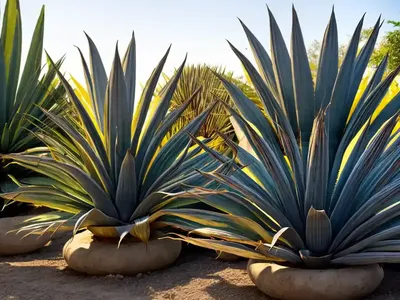
Royal Agave (Agave Victoriae-reginae)
Plants have an incredible diversity that never fails to amaze. They come in all shapes, sizes, and colors, each with its own unique set of requirements and.
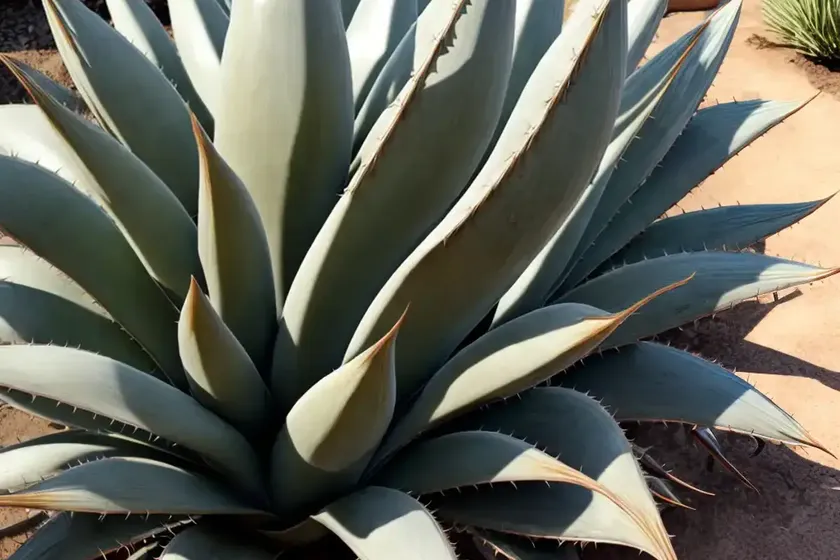
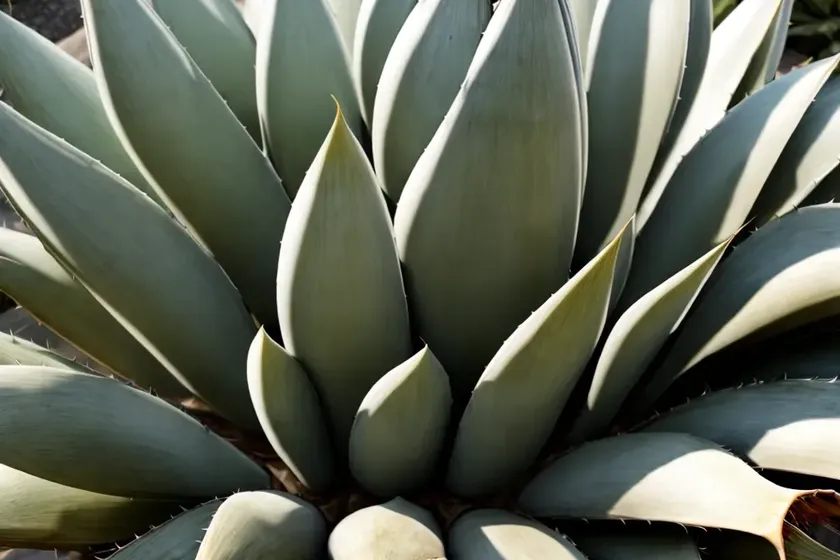
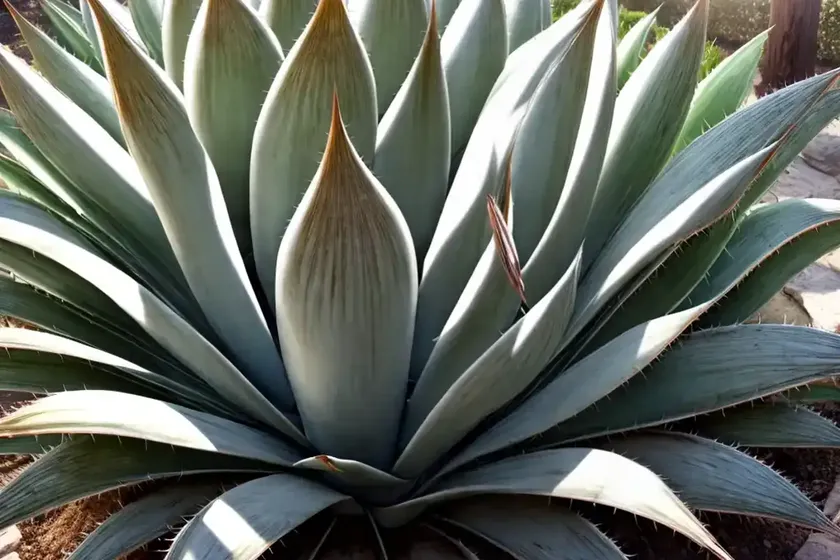
Plants have an incredible diversity that never fails to amaze. They come in all shapes, sizes, and colors, each with its own unique set of requirements and attributes. Today, we will delve into the world of the Royal Agave (Agave victoriae-reginae), a striking succulent with a regal presence. In this comprehensive guide, we will explore the culture, uses, care tips, common diseases, and much more, providing you with all the information you need to enhance your gardening experience with this extraordinary plant.
What is Agave victoriae-reginae?
The Royal Agave (Agave victoriae-reginae) is an exquisite succulent plant that belongs to the Agave genus. Native to Mexico, this perennial evergreen is renowned for its stunning rosette of dark green leaves adorned with intricate white markings.
Key Takeaways: Royal Agave (Agave victoriae-reginae)
Let’s start by discussing the key takeaways about the Royal Agave. Below, you’ll find an overview of what we’ll cover in this comprehensive guide.
- Culture
- Uses
- Water
- Sunlight
- Fertilizer
- Soil
- Pruning
- Propagation
- Container
- Popularity
- Common Diseases
- Disease Diagnosis
- Common Pests
- Botanist’s Tips
- Fun Facts
- Links to External Resources
Culture
Understanding the cultural requirements of the Royal Agave is essential for ensuring its optimal growth and development. Let’s discuss the various aspects of its culture.
Water
Agave victoriae-reginae is highly drought-tolerant and prefers well-draining soil. When it comes to watering this succulent, it’s crucial to allow the soil to dry out between waterings to mimic its natural habitat. Overwatering can lead to root rot and other issues, so it’s best to err on the side of underwatering rather than overwatering.
Sunlight
For this sun-loving succulent, ample sunlight is crucial for healthy growth. It thrives in full sun and prefers at least six hours of direct sunlight per day. Placing it in a sunny location, such as a south-facing window or a spot in the garden with plenty of sunlight, will promote its vibrant and compact growth.
Fertilizer
Royal Agave plants have relatively low nutritional needs, and excessive fertilization can do more harm than good. A balanced, diluted fertilizer applied sparingly during the growing season is sufficient to support its growth. It’s essential to avoid feeding the plant during the dormant winter months to prevent potential fertilizer burn or other complications.
Soil
As with most succulents, well-draining soil is essential for the Royal Agave’s health. A cactus or succulent mix, combined with perlite or sand for improved drainage, is ideal for ensuring that excess water does not accumulate around the plant’s roots.
Uses
The Royal Agave (Agave victoriae-reginae) has a variety of uses beyond its ornamental value. Let’s explore some common and creative uses for this remarkable succulent.
-
Ornamental: One of the most common uses of the Royal Agave is as an eye-catching ornamental plant in gardens, landscapes, and indoor settings. Its striking appearance and low maintenance requirements make it a popular choice for adding visual interest to various spaces.
-
Xeriscaping: Given its drought tolerance and low water needs, Agave victoriae-reginae is an excellent candidate for xeriscaping, a landscaping technique that reduces or eliminates the need for supplemental irrigation. This makes it a valuable addition to water-wise and sustainable garden designs.
-
Container Gardening: The compact size and visually appealing nature of the Royal Agave make it well-suited for container gardening. Whether displayed individually or as part of a succulent arrangement, this plant adds a touch of elegance to patios, balconies, and indoor spaces.
-
Medicinal and Culinary Purposes: Traditionally, various species of Agave have been utilized for their medicinal properties and as a source of sweeteners and alcoholic beverages. While Agave victoriae-reginae is not as commonly used for these purposes, some Agave species are prized for their edible parts and medicinal applications.
Pruning
Pruning is a crucial aspect of Royal Agave care, primarily for aesthetic and safety reasons. While this succulent is generally low-maintenance in terms of pruning, removing dead or damaged leaves can improve its overall appearance and prevent potential tripping hazards in outdoor settings.
Propagation
Agave victoriae-reginae can be propagated through offsets, also known as “pups,” which are smaller rosettes that develop around the base of the mother plant. These offsets can be carefully removed and replanted to establish new individual plants.
Container Popularity
The compact size and visually stunning appearance of the Royal Agave make it a popular choice for container gardening. Its slow growth rate and low maintenance requirements further contribute to its appeal as a container plant, allowing gardening enthusiasts to enjoy its beauty in various indoor and outdoor settings.
Common Diseases
Like all plants, the Royal Agave is susceptible to certain diseases, although its resilience and disease resistance make it relatively low-maintenance in this regard. Here are some common diseases to watch out for:
-
Root Rot: Overwatering or poorly draining soil can lead to root rot in Agave plants, causing the roots to decay and compromising the plant’s overall health.
-
Leaf Spot: Fungal infections or bacterial pathogens can cause unsightly leaf spots on the Royal Agave, affecting its aesthetic appeal.
-
Pest-Induced Issues: While not technically diseases, pest infestations can pose significant challenges for Agave plants. Common pests such as mealybugs, scale insects, and spider mites may target Royal Agave plants, leading to damage and potential stress.
Disease Diagnosis
Diagnosing and addressing potential diseases in Agave victoriae-reginae requires careful observation and prompt intervention. Early detection and appropriate management practices are key to preserving the plant’s health and vitality.
Common Pests
While Royal Agave plants are generally robust and pest-resistant, they can still fall victim to certain common pests. Here are some pests to be mindful of:
-
Mealybugs: These soft-bodied insects are known for their cottony white appearance and can cluster on the leaves and stems of Agave plants, sapping their vital juices and causing damage.
-
Scale Insects: Scale insects can attach themselves to the plant and feed on its sap, leading to weakened growth and potential stress.
-
Spider Mites: These tiny arachnids are notorious for causing stippling on plant leaves and may infest Agave victoriae-reginae under certain conditions.
Botanist’s Tips
To ensure the optimal care and maintenance of your Royal Agave, consider implementing the following expert tips:
-
Monitor Watering Closely: Avoid overwatering at all costs, as excessive moisture is one of the primary threats to the health of Agave victoriae-reginae.
-
Provide Adequate Sunlight: Position the plant in a location that receives ample sunlight to promote its compact growth and vibrant coloration.
-
Use Well-Draining Soil: Opt for a well-draining soil mix to prevent waterlogging and support the plant’s root health.
-
Practice Vigilant Pest Management: Keep a watchful eye for signs of pest infestations and take proactive measures to address any issues promptly.
Fun Facts
As we conclude our exploration of the Royal Agave, here are some intriguing and fun facts about this remarkable succulent:
- While the Royal Agave is a slow grower, it can eventually reach a substantial size, with mature plants boasting impressive rosettes of leaves.
- Agave victoriae-reginae is a striking choice for rock gardens, desert landscapes, and modern architectural settings due to its unique appearance and low maintenance requirements.
- The intricate white markings on the leaves of the Royal Agave create a visually captivating display and make it a standout feature in any setting.
- Its resilience in arid conditions and its visually distinctive presence have contributed to its popularity in xeriscaping and water-wise gardening initiatives.
Links to External Resources
For additional information on Agave victoriae-reginae, propagation techniques, and other related topics, consider exploring the following resources:
- Royal Agave – Gardening Know How
- Agave victoriae-reginae – Missouri Botanical Garden
- Royal Agave Care Tips – Succulents and Sunshine
- Agave victoriae-reginae Propagation Guide – Plantophiles
- The Royal Agave: An Iconic Succulent – The Spruce
In conclusion, the Royal Agave (Agave victoriae-reginae) has rightfully earned its place as a beloved succulent in the world of gardening. Its stunning appearance, low maintenance requirements, and versatile uses make it a valuable addition to diverse garden settings and indoor spaces. By understanding and implementing the proper care techniques outlined in this guide, you can cultivate and enjoy the timeless elegance of the Royal Agave in your own botanical sanctuary.