Roundfruit Rush (Juncus Compressus)
Plants play a fundamental role in our lives, providing us with oxygen, food, medicine, and aesthetic pleasure. Among the diverse range of plants, the.
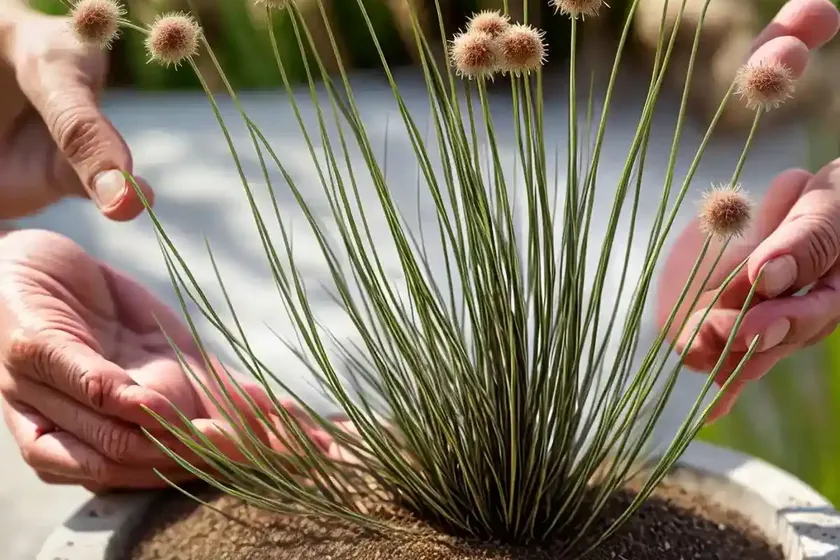
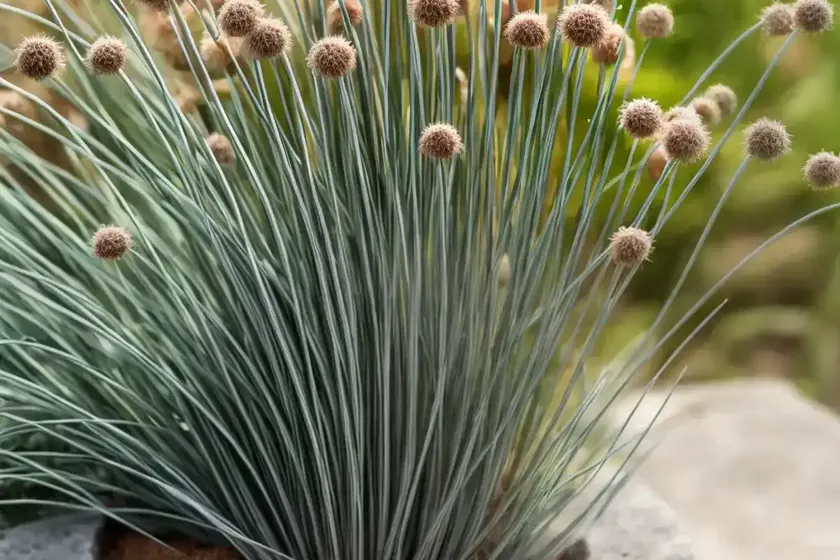
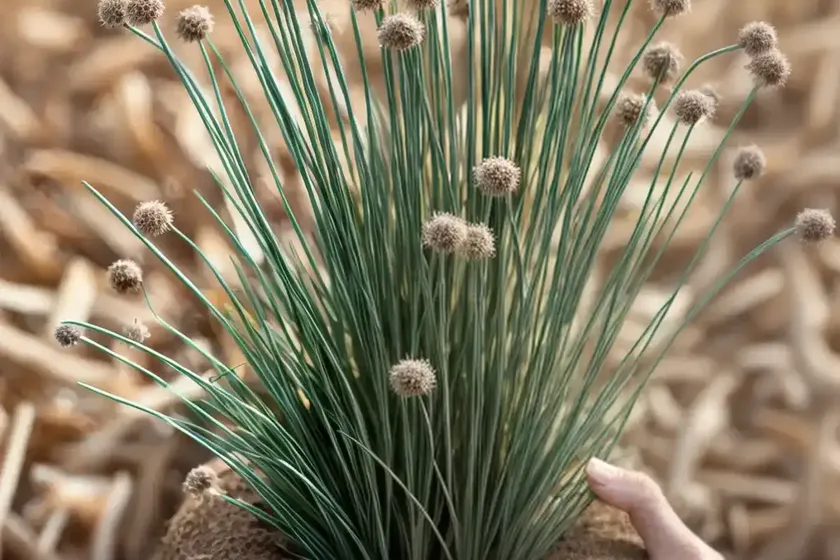
Plants play a fundamental role in our lives, providing us with oxygen, food, medicine, and aesthetic pleasure. Among the diverse range of plants, the Roundfruit Rush (Juncus compressus) stands out for its unique characteristics and versatile uses. In this comprehensive guide, we will delve into the various aspects of this intriguing plant, including its cultural requirements, uses, maintenance, propagation, common diseases, and much more. Whether you are a novice gardener or an experienced horticulturist, this guide will equip you with the knowledge needed to cultivate and appreciate the Roundfruit Rush.
What is the Roundfruit Rush (Juncus compressus)?
The Roundfruit Rush, scientifically known as Juncus compressus, is a perennial plant belonging to the Juncaceae family. This plant is native to Europe and Asia and is known for its slender, cylindrical, and tufted stems that bear small, rounded fruit, which lend the plant its name.
Key Takeaways – Roundfruit Rush (Juncus compressus)
Before we delve into the specifics of cultivating and caring for the Roundfruit Rush, let’s highlight the key takeaways regarding this plant:
– Scientific Name: Juncus compressus
– Family: Juncaceae
– Native Regions: Europe and Asia
– Distinct Feature: Slender, cylindrical stems with small, rounded fruit
– Versatile Uses: Ground cover, erosion control, wetland restoration, landscaping
– Cultural Requirements: Moderate water, full sunlight, well-draining soil
– Maintenance: Low maintenance, minimal pruning required
– Propagation: Division of clumps, seed propagation
– Common Diseases: Rarely affected by diseases
– Common Pests: Generally resistant to pests
With these key takeaways in mind, let’s explore the various facets of the Roundfruit Rush in detail.
Culture
Understanding the cultural requirements of the Roundfruit Rush is essential for ensuring its optimal growth and development. By carefully considering its water, sunlight, soil, and fertilizer needs, you can create an environment in which this plant thrives.
Water
The Roundfruit Rush thrives in moderately moist to wet soil conditions, making it an excellent choice for wetland restoration and landscaping in areas with high soil moisture. However, it exhibits moderate drought tolerance once established, making it adaptable to varying water conditions. When cultivating this plant, it is crucial to strike a balance, ensuring that the soil remains consistently moist but not waterlogged.
Sunlight
In terms of sunlight requirements, the Roundfruit Rush flourishes in full sun to partial shade. Given its native habitat in Europe and Asia, this plant has evolved to thrive in open, sunny areas. Therefore, when selecting a planting site for the Roundfruit Rush, prioritize locations that receive ample sunlight throughout the day.
Fertilizer
The Roundfruit Rush is not particularly demanding in terms of fertilization. When planted in nutrient-rich soil, it can thrive without the need for additional fertilizers. However, if the soil is deficient in nutrients, a balanced, all-purpose fertilizer can be applied during the growing season to support the plant’s growth and vigor.
Soil
The ideal soil for the Roundfruit Rush is one that is rich in organic matter and offers good drainage. While it thrives in moist conditions, it is crucial to ensure that the soil does not become waterlogged, as this can lead to root rot and other problems. A well-draining soil mix that retains moisture without becoming waterlogged is optimal for cultivating this plant.
Uses
The Roundfruit Rush is a remarkably versatile plant, offering a range of uses that make it valuable in various landscaping and ecological restoration projects. Let’s explore some of the primary uses of this plant and its associated benefits.
Landscaping
As a landscaping plant, the Roundfruit Rush serves multiple purposes. It can be used to create attractive borders along garden paths, ponds, and other landscape features. Its slender, upright growth habit adds a vertical element to garden designs, while its low-maintenance nature makes it an appealing choice for landscape architects and homeowners alike.
Erosion Control
Due to its extensive root system and adaptability to wet soil conditions, the Roundfruit Rush is highly effective in preventing soil erosion. It can be planted along riverbanks, pond edges, and other vulnerable areas to stabilize the soil and prevent erosion caused by water movement.
Wetland Restoration
In ecological restoration projects, the Roundfruit Rush plays a crucial role in rehabilitating wetland areas. Its ability to thrive in consistently moist soil and its capacity to filter excess nutrients from the water make it an essential component of wetland restoration efforts.
Ground Cover
The dense, tufted growth of the Roundfruit Rush makes it an excellent ground cover plant. It can be used to create green carpets in moist, shady areas where other plants may struggle to establish themselves. Its adaptability to varying light conditions further enhances its suitability as a ground cover plant in diverse landscapes.
Container Planting
While the Roundfruit Rush is often utilized for large-scale landscaping and ecological restoration, it is also well-suited for container planting. Its upright growth habit and low-maintenance nature make it an excellent choice for adding vertical interest to container gardens, patios, and outdoor living spaces.
Pruning
One of the appealing aspects of the Roundfruit Rush is its minimal pruning requirements. As a low-maintenance plant, it generally requires little to no pruning to maintain its tidy appearance. Any spent or damaged foliage can be removed as needed to promote the plant’s overall health and aesthetics.
Propagation
Understanding the propagation methods of the Roundfruit Rush is integral to expanding its presence in gardens and landscaping projects. This plant can be propagated through division or seed propagation.
Division
Division of established clumps is the most common and efficient method of propagating the Roundfruit Rush. This can be done in early spring or autumn by carefully dividing the clumps into smaller sections, each containing healthy roots and shoots. These divisions can then be replanted in suitable soil to establish new plants.
Seed Propagation
While less commonly practiced, the Roundfruit Rush can also be propagated from seeds. Collect mature seeds from the plant and sow them in a seed-starting mix. Ensure that the seeds remain consistently moist and provide them with ample sunlight to facilitate germination. Once the seedlings have developed, they can be transplanted into individual containers or directly into the garden.
Container Popularity
The Roundfruit Rush is increasingly gaining popularity as a container plant, particularly for its ability to thrive in moist to wet conditions. Its suitability for container planting extends its use to a variety of outdoor and indoor settings, offering plant enthusiasts a versatile and visually appealing option for their container gardens.
Common Diseases
The Roundfruit Rush is generally resistant to diseases, with very few reported cases of significant disease issues. However, it is not entirely immune to diseases, and certain factors such as overwatering and poor air circulation can predispose it to fungal infections and other issues.
Disease Diagnosis
Identifying and diagnosing diseases in the Roundfruit Rush primarily involves observing changes in the plant’s foliage, such as browning, yellowing, or the appearance of spots or lesions. Additionally, monitoring changes in growth patterns and overall vigor can provide valuable insights into the plant’s health.
Common Pests
In addition to its resistance to diseases, the Roundfruit Rush is relatively unaffected by common pests. Its dense growth habit and adaptability to moist conditions help deter pests that may affect other plants. However, occasional inspections for pests such as aphids and leafhoppers are advisable to catch any infestations early and prevent potential damage.
Botanist’s Tips
To ensure the successful cultivation of the Roundfruit Rush, consider the following tips from botanists and horticultural experts:
– Well-Draining Soil: Prioritize well-draining soil to prevent waterlogging and promote healthy root growth.
– Moderate Watering: Maintain consistent moisture levels without overwatering, especially during the establishment phase.
– Ample Sunlight: Provide the Roundfruit Rush with ample sunlight to encourage robust growth and fruiting.
– Propagate with Care: When dividing clumps for propagation, ensure that each division contains healthy roots and shoots to support successful establishment.
Fun Facts
Let’s explore some intriguing and lesser-known facts about the Roundfruit Rush that highlight its unique characteristics and ecological significance:
– The Roundfruit Rush is commonly used in rain gardens to absorb excess water and prevent runoff.
– In traditional medicine, extracts from the Roundfruit Rush have been used to alleviate stomach ailments and promote digestive health.
– It is a favorite plant among wildlife enthusiasts due to its ability to attract various bird species, particularly those that forage for seeds and insects in its dense foliage.
Links to External Resources
For additional information on Roundfruit Rush (Juncus compressus) cultivation, uses, and ecological significance, explore the following external resources:
1. The Royal Horticultural Society – Juncus compressus
2. Missouri Botanical Garden – Roundfruit Rush
3. Encyclopedia of Life – Juncus Compressus
4. Flora of North America – Juncus Compressus
5. University of Florida IFAS Extension – Juncus compressus for use in wet areas and ponds
In conclusion, the Roundfruit Rush (Juncus compressus) stands as a testament to the diversity and adaptability of plant life. Its unique characteristics, versatile uses, and ecological significance make it a valuable addition to gardens, landscapes, and restoration projects. By understanding and implementing the cultural requirements, propagation methods, and uses of the Roundfruit Rush, plant enthusiasts can harness the benefits of this remarkable plant in various settings, from small garden spaces to expansive wetland ecosystems.


