Rough Bluegrass (Poa Trivialis)
Rough Bluegrass, scientifically known as Poa trivialis, is a cool-season grass species that belongs to the Poaceae family. This species is valued for its.
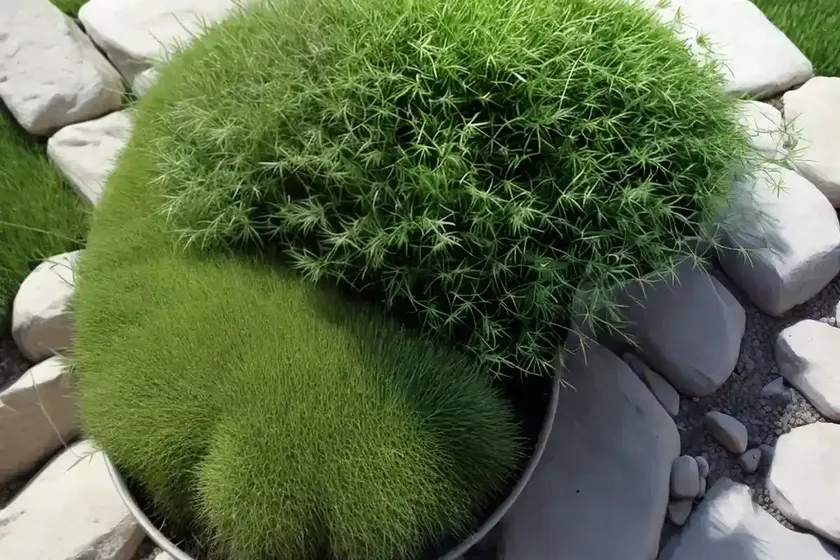
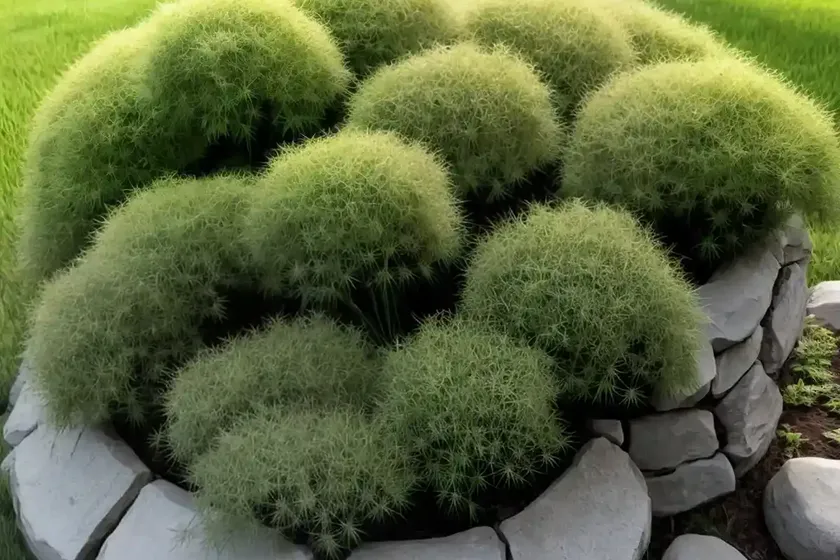
Rough Bluegrass, scientifically known as Poa trivialis, is a cool-season grass species that belongs to the Poaceae family. This species is valued for its ability to thrive in shaded areas and its capacity to withstand low mowing heights, making it an ideal grass for certain types of landscapes. In this comprehensive guide, we will explore the characteristics, cultivation, maintenance, and uses of Rough Bluegrass. Whether you are a homeowner, a landscaper, or a plant enthusiast, this article aims to equip you with the knowledge needed to successfully grow and care for this species.
Plant Name: Rough Bluegrass (Poa trivialis)
What is Rough Bluegrass (Poa trivialis)?
Rough Bluegrass, or Poa trivialis, is a cool-season grass species that is commonly found in shaded areas, making it a suitable choice for lawns, sports fields, and landscaping in regions with limited sunlight. It is native to Europe and Eurasia but has become widely naturalized in other parts of the world. This grass species is known for its fine texture, tolerance to lower mowing heights, and its ability to thrive in moist, shaded environments. In this section, we will delve into the key characteristics of Poa trivialis, its habitat, and its uses.
Poa trivialis Characteristics
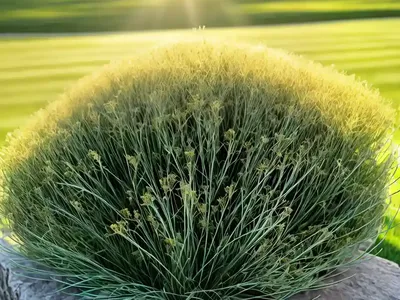
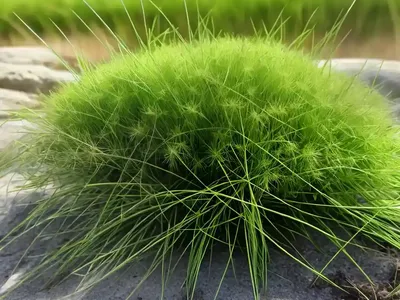
Rough Bluegrass, as the name suggests, has a rougher texture compared to other types of grass. It is a bunch-type grass, which means that it forms distinct tufts rather than spreading through rhizomes or stolons. Some key characteristics of Rough Bluegrass include:
- Texture: Fine texture with a slightly rough feel
- Growth Habit: Bunch-type, forms tufts
- Color: Bright green color
- Leaf Blades: Boat-shaped leaf blades with a pointed tip
- Height: Can reach up to 30-60 centimeters (12-24 inches) when not mowed
- Flowering: Produces small, inconspicuous flowers in late spring
Rough Bluegrass Facts
- Scientific Name: Poa trivialis
- Family: Poaceae
- Native Range: Europe and Eurasia
- Adaptation: Thrives in shaded environments
- Tolerance: Can withstand low mowing heights
- Uses: Suitable for lawns, landscapes, golf courses, and sports fields
Key Takeaways – Rough Bluegrass (Poa trivialis)
Rough Bluegrass has several features that make it an attractive option for certain landscaping and turf applications. Understanding its specific requirements and how to effectively care for it is essential for achieving successful growth and maintenance. Let’s explore the key takeaways regarding the culture, uses, and care of Rough Bluegrass.
Culture
Water
Rough Bluegrass prefers consistent moisture but can also tolerate brief periods of drought. It is well-suited to shaded areas with limited exposure to direct sunlight, which helps retain soil moisture. When establishing Rough Bluegrass, it is crucial to ensure that the soil remains consistently moist until the grass is well established. Regular watering, particularly in shaded areas where natural rainfall may be scarce, is essential for maintaining the health and vigor of Rough Bluegrass.
Sunlight
One of the significant advantages of Rough Bluegrass is its ability to thrive in shaded conditions. However, it is important to note that while Rough Bluegrass can tolerate shade, it still requires some amount of sunlight to thrive. Ideally, it should receive at least 3-4 hours of direct or dappled sunlight daily. In excessively shaded areas, the grass may thin out, and its growth rate may decrease. Striking a balance between shade and sunlight is crucial for the optimal performance of Rough Bluegrass.
Fertilizer
When it comes to fertilization, Rough Bluegrass responds well to moderate levels of nitrogen. A balanced fertilizer with a slightly higher ratio of nitrogen can promote healthy growth and color. It is advisable to conduct a soil test to determine the specific nutrient requirements of the area where Rough Bluegrass is grown. This enables the application of a targeted fertilizer regimen to meet the grass’s needs without overapplication or wastage.
Soil
Rough Bluegrass grows best in well-draining soil with good organic content. Loamy soils with a slightly acidic to neutral pH range are favorable for its growth. Amending the soil with organic matter can improve its structure and water-holding capacity, which is beneficial for the establishment and long-term health of Rough Bluegrass.
Pruning
Pruning, or mowing, is an essential aspect of maintaining Rough Bluegrass. It is capable of withstanding low mowing heights, making it suitable for areas where a closely manicured appearance is desired. When mowing Rough Bluegrass, it is recommended to maintain a mowing height of around 1 to 2 inches to promote a dense, uniform turf. Regular mowing also helps prevent the development of thatch, allowing for better air and water penetration into the soil.
Propagation
Rough Bluegrass can be propagated through seed or sod. When establishing it from seed, proper seedbed preparation and ensuring good seed-to-soil contact are crucial for successful germination. Sodding provides an instant turf option and is particularly useful for areas where rapid ground cover is needed. Both seeding and sodding require adequate irrigation and post-planting care to support establishment and development.
Uses
Landscaping and Lawns
Rough Bluegrass is often used in landscaping, particularly in areas where there is limited sunlight, such as beneath trees or in shaded gardens. Due to its tolerance for low mowing heights, it is a popular choice for golf course roughs and fairways, as well as for residential lawns. When integrated into a lawn, Rough Bluegrass contributes to a uniform, fine-textured appearance, enhancing the overall aesthetic appeal of the landscape.
Erosion Control and Groundcover
The dense growth habit of Rough Bluegrass makes it effective for erosion control on slopes and embankments. Its ability to form tufts helps stabilize the soil and prevent erosion, particularly in shaded areas where other ground covers may struggle to thrive. Additionally, it serves as an attractive groundcover option, providing a vibrant green carpet in areas where other plants may struggle due to limited sunlight.
Sports Fields and Recreational Areas
In sports turf management, Rough Bluegrass is often used in areas where shade is a limiting factor for other grass species. It is particularly well-suited for tennis courts, soccer fields, and recreational areas that receive limited sunlight. The grass’s ability to withstand wear and its fine texture make it a desirable choice for high-traffic areas where low mowing heights are necessary.
Botanist’s Tips
- Shade Management: While Rough Bluegrass tolerates shade, it is essential to manage shaded areas to reduce competition from trees and other plants. Pruning trees and shrubs to allow filtered sunlight to reach the grass can promote healthier growth and minimize thinning in shaded environments.
- Regular Monitoring: Due to its preference for moist conditions, regularly monitoring soil moisture levels is important. Areas with poor drainage may lead to waterlogged soil, which can impact the health of Rough Bluegrass. Periodic aeration and addressing soil compaction issues can help maintain optimal growing conditions.
Fun Facts
- Rough Bluegrass is sometimes referred to as “smooth stalked meadow grass” due to its smooth, slender stems.
- It was introduced to North America as a forage and turfgrass species and has since become naturalized in various regions across the continent.
- Although it is a cool-season grass, its ability to tolerate low mowing heights makes it an attractive option for warm-season lawns that also require a fine-textured, low-growing grass species.
Links to External Resources
For further information on Rough Bluegrass (Poa trivialis), the following external resources provide valuable insights and guidance:
- Poa trivialis – USDA Plants Database
- Rough Bluegrass – University of Vermont Extension
- Lawn Care and Maintenance – Penn State Extension
- Turfgrass Water Conservation Alliance
In the subsequent sections, we will explore in-depth information on the diseases and pests that can affect Rough Bluegrass, along with an analysis of common issues and problem-solving approaches to ensure the successful cultivation of this grass species.
Common Diseases
Overview
Like any plant species, Rough Bluegrass is susceptible to various diseases that can impact its overall health and vigor. It is essential for individuals involved in its cultivation and maintenance to be aware of these diseases, their symptoms, and the necessary measures to prevent and manage them effectively. Let’s delve into some of the common diseases that can affect Rough Bluegrass.
Dollar Spot (Sclerotinia homoeocarpa)
- Identification: Dollar spot is characterized by the appearance of small, straw-colored spots on leaves, typically the size of a silver dollar. These spots may merge and form larger irregular patches over time.
- Conditions Favoring Development: Warm, humid conditions with excess moisture contribute to the development of dollar spot. Inadequate nitrogen levels and high thatch layers can also exacerbate its occurrence.
- Management: Proper nitrogen fertilization, reducing thatch build-up, and improving air circulation through aeration are effective methods for dollar spot management. Fungicidal treatments may be required in severe cases.
Red Thread (Laetisaria fuciformis)
- Identification: Red thread manifests as pink to red threads extending from the leaf blades, giving the grass a discolored, thread-like appearance. These threads may be interspersed with small, pink fungal structures.
- Conditions Favoring Development: Red thread thrives in cool, moist conditions and is often associated with nitrogen deficiencies and prolonged periods of leaf wetness.
- Management: Addressing nitrogen deficiencies through appropriate fertilization and improving soil drainage can help manage red thread. Fungicidal treatments may also be employed if necessary.
Pythium Blight (Pythium spp.)
- Identification: Pythium blight presents as irregularly shaped, water-soaked patches on the grass, which rapidly enlarge and develop a cottony, white mycelium during periods of high humidity.
- Conditions Favoring Development: Excessive moisture, such as heavy rainfall or over-irrigation, combined with high temperatures, creates favorable conditions for pythium blight development.
- Management: Proper water management, including avoiding over-irrigation, improving soil drainage, and promoting good air circulation, is crucial for minimizing the risk of pythium blight. Fungicidal treatments may be necessary in severe cases.
These are just a few examples of the diseases that can impact Rough Bluegrass. It is important to stay vigilant and promptly address any signs of disease to prevent their spread and minimize their impact on the turfgrass.
Disease Diagnosis
Diagnosing diseases affecting Rough Bluegrass involves observing the characteristic symptoms, understanding the prevailing environmental conditions, and, if necessary, seeking assistance from qualified professionals for accurate diagnosis and treatment recommendations. Regular monitoring of the grass, especially in areas prone to disease development, allows for early detection and timely intervention to mitigate the impact of diseases on the turfgrass.
Common Pests
White Grubs (Phyllophaga spp., Popillia japonica)
- Identification: White grubs are the larvae of various beetle species and are characterized by a C-shaped creamy white body with a brown head. They feed on the grassroots, leading to thinning and browning of the turf.
- Damage: White grub feeding causes irregular patches of wilting, yellowing, and ultimately, death of the grass. Infested areas may become spongy or feel loosely rooted due to the loss of healthy roots.
- Management: Biological control with entomopathogenic nematodes, cultural practices such as deep watering to deter egg-laying, and targeted insecticide applications during the grub’s vulnerable stages can help manage white grub populations.
Billbugs (Sphenophorus spp.)
- Identification: Billbug adults are small weevils with characteristic snouts, while the larvae are white, legless grubs with a distinct, dark head capsule. They feed on the plant crowns and roots, causing significant damage.
- Damage: Billbug infestations result in wilting, thinning of the turf, and the presence of irregular dead patches. Affected areas may detach easily from the soil due to the compromised root system.
- Management: Implementing proper irrigation practices and monitoring turf health can help in the early detection of billbug activity. In severe cases, targeted insecticide applications may be necessary for population control.
Sod Webworms (Crambus spp., Herpetogramma spp.)
- Identification: Sod webworms are the larvae of small, straw-colored moths. The caterpillars construct silken tunnels within the thatch and feed on the grass stems and foliage during the night.
- Damage: Sod webworm feeding causes irregular brown patches in the grass, often with visible silk webbing and frass accumulation near the soil surface.
- Management: Biological controls, such as beneficial nematodes and Bacillus thuringiensis (Bt) applications, are effective against sod webworms. Cultural practices, including proper thatch management and maintaining a healthy turf, also contribute to pest management.
Understanding the life cycles and feeding habits of these and other pests that can affect Rough Bluegrass is crucial for implementing targeted management strategies to minimize their impact on the turfgrass.
In the next sections, we will explore practical tips for maintaining and caring for Rough Bluegrass, from proper watering and fertilization to seasonal care and habitat preferences.
Poa trivialis Care Tips
Watering Requirements
-
Establishment Phase: During the establishment phase, it is essential to keep the soil consistently moist to support seed germination and root development. Watering may be necessary multiple times a day, depending on environmental conditions, to prevent the soil from drying out.
-
Established Turf: Once established, Rough Bluegrass benefits from deep, infrequent watering to encourage deep root growth. Watering should be adjusted based on weather conditions, aiming to provide around 1-1.5 inches of water per week, including rainfall.
Soil Preferences
-
Well-Draining Soil: Rough Bluegrass thrives in well-draining soil with good organic content. Amending heavy or poorly draining soils with organic matter, such as compost, can improve the soil structure and water retention capacity.
-
Soil pH: It prefers a slightly acidic to neutral soil pH in the range of 6.0-7.0. Conducting a soil test can provide insights into the existing soil conditions and guide the necessary amendments.
Sun Exposure
-
Shade Tolerance: Rough Bluegrass is well-suited for shaded environments, making it an excellent choice for areas with limited sunlight. It can tolerate partial shade and thrives in areas where other grass species may struggle to grow.
-
Moderate Sunlight: While it excels in shaded conditions, it still requires some level of sunlight for photosynthesis and overall health. Ensuring that shaded areas receive at least a few hours of direct or dappled sunlight supports its growth.
Fertilization Tips
-
Nitrogen Requirements: Rough Bluegrass responds well to moderate levels of nitrogen for healthy growth and color. It is advisable to apply nitrogen fertilizer based on soil test results and the grass’s specific needs to avoid overapplication and potential environmental impacts.
-
Balanced Fertilizer: A balanced fertilizer with a slightly higher ratio of nitrogen can support the grass’s requirements while ensuring that other essential nutrients, such as phosphorus and potassium, are also provided in appropriate amounts.
Seasonal Care
-
Spring: In early spring, as temperatures begin to rise, it is essential to inspect the turf for any signs of winter damage and address any thatch accumulation through dethatching. Spring is also the time to initiate the fertilization program as the grass enters its active growth phase.
-
Summer: Proper irrigation, adequate fertilization, and pest management are crucial during the summer months to support the grass’s health and resilience against stressors such as heat and drought.
-
Fall: Fall provides an opportunity to overseed or establish new turf areas, taking advantage of the cooler temperatures and favorable growing conditions. Fertilization and aeration in the fall contribute to preparing the grass for the following spring.
-
Winter: As winter approaches, it is important to adjust mowing heights for cool-season grasses and ensure that the turf is adequately hydrated before entering the dormant period. Monitoring for potential disease and pest activity continues even in colder months.
This encapsulates some of the key care tips for successfully growing and maintaining Rough Bluegrass. Providing the right balance of water, sunlight, nutrients, and seasonal attention can contribute to the long-term health and vibrancy of this grass species.
In the subsequent sections, we will explore additional topics related to Rough Bluegrass, including its habitat, propagation methods, and the process of identifying this grass species.
How to Identify Rough Bluegrass
Identifying Rough Bluegrass, or Poa trivialis, involves considering its key characteristics, growth habits, and visual cues that distinguish it from other turfgrass species. Whether you encounter it in a lawn, a park, or a sports field, understanding its unique features can help in its accurate identification. Here are some important traits and characteristics to aid in the identification of Rough Bluegrass:
- Leaf Blades: The leaf blades of Rough Bluegrass are boat-shaped with a pointed tip, giving them a unique appearance compared to other grass species.
- Height: When left uncut, Rough Bluegrass can reach a height of 30-60 centimeters (12-24 inches), forming tufts or bunches in the process.
- Texture: Its texture is slightly rougher compared to other grasses, lending it the name “Rough” Bluegrass.
- Color: The grass exhibits a bright green coloration, contributing to its visual appeal.
Habitat of Poa trivialis
Rough Bluegrass is commonly found in shaded areas with limited exposure to direct sunlight. It thrives in moist, cool environments and is often associated with habitats such as:
- Woodland Edges: Along the borders of wooded areas or forests, where dappled sunlight and moisture are prevalent.
- Parks and Gardens: Shaded sections of parks, gardens, and public landscapes where other grass species may struggle to thrive.
- Sports Fields: It is used in shaded sections of sports fields and recreational areas, providing a resilient turf option for such environments.
Understanding the habitat preferences of Rough Bluegrass can aid in its recognition and selection for appropriate landscaping and recreational settings.
Poa trivialis Propagation Methods
Rough Bluegrass can be propagated through several methods, including seeding and sodding. Understanding the requirements and techniques for each propagation method can assist in establishing or renovating turf areas with this grass species.
Seeding
-
Seedbed Preparation: Prepare a well-drained seedbed by tilling the soil and incorporating organic matter to improve its structure and moisture retention capacity.
-
Seeding Rate: Optimal seeding rates for Rough Bluegrass typically range from 2-3 pounds per 1,000 square feet, depending on the desired turf density and coverage.
-
Seed-to-Soil Contact: Ensuring good seed-to-soil contact through proper seeding depth and light rolling can support successful germination.