Rough Maidenhair Fern (Adiantum Hispidulum)
The world of plants is fascinating and diverse, with countless species that offer unique characteristics, uses, and care requirements. In this.
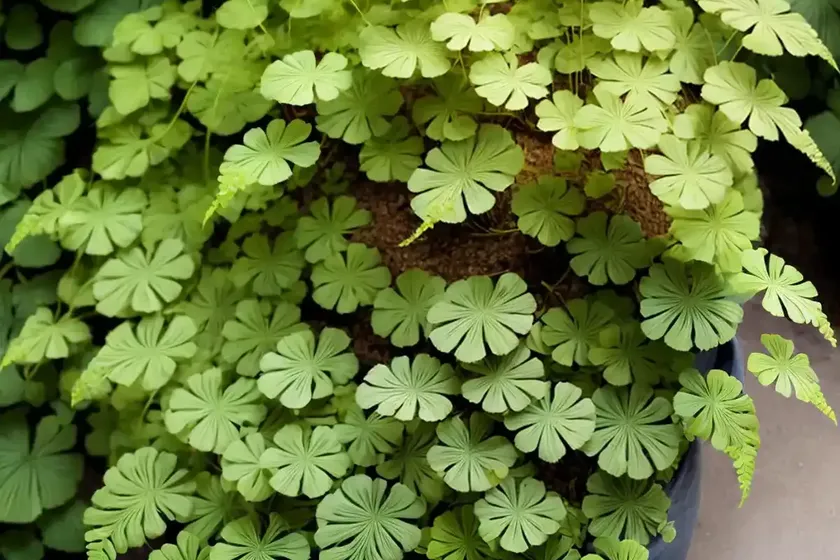
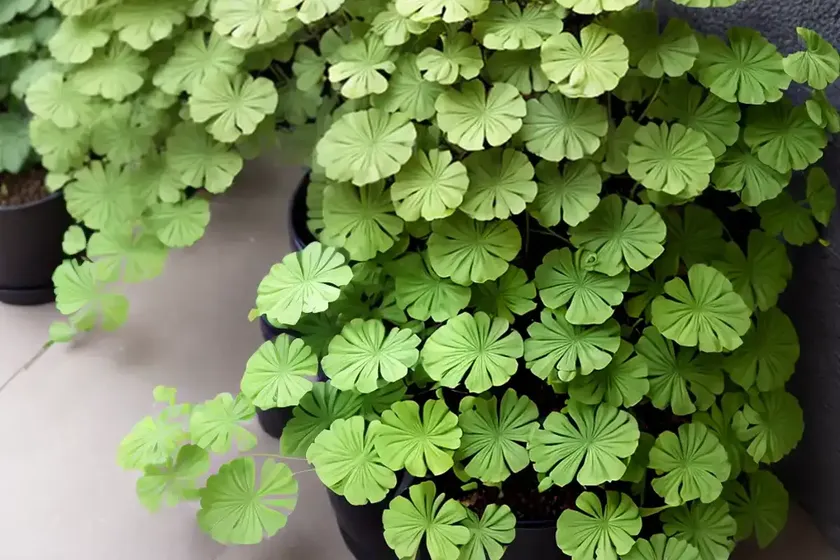
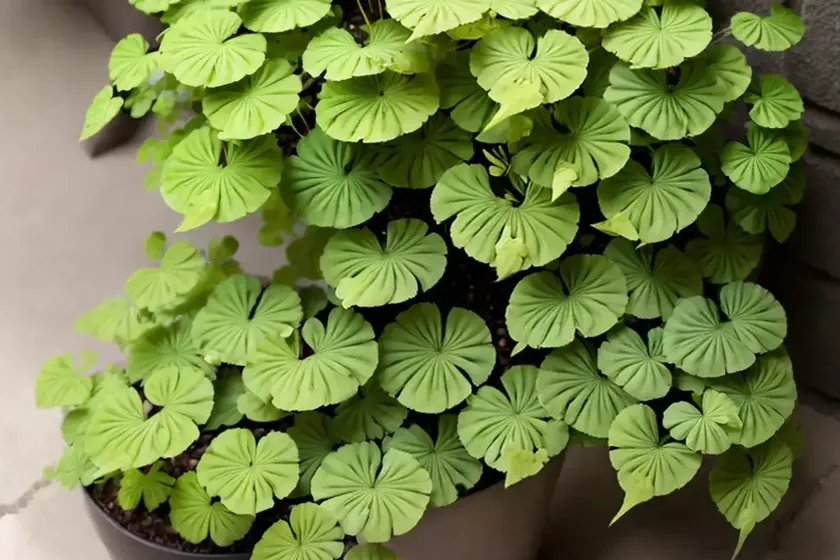
The world of plants is fascinating and diverse, with countless species that offer unique characteristics, uses, and care requirements. In this comprehensive guide, we will delve into the captivating realm of the Rough Maidenhair Fern (Adiantum hispidulum), exploring its cultural significance, growth habits, uses, and care tips. Whether you are an experienced horticulturist or a novice plant enthusiast, this guide will equip you with the knowledge to cultivate and appreciate this remarkable fern.
What is the Rough Maidenhair Fern (Adiantum hispidulum)?
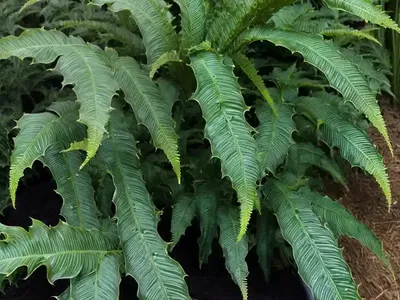
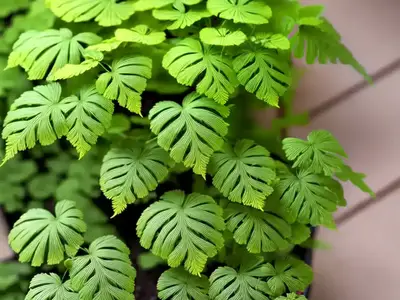
The Rough Maidenhair Fern, scientifically known as Adiantum hispidulum, belongs to the Adiantum genus, which is recognized for its delicate and lacy foliage. This particular species is native to Australia and New Zealand, where it thrives in various habitats, ranging from rainforests to coastal cliffs. The distinctive name “Maidenhair Fern” is derived from the resemblance of its fronds to the hair of a maiden, emphasizing the ethereal and graceful nature of this fern.
Rough Maidenhair Fern Characteristics
The Rough Maidenhair Fern is characterized by the following features:
- Delicate, lacy fronds
- Black wiry stems
- Compact growth habit
- Evergreen foliage
- Height ranging from 30-60cm
Key Takeaways – Rough Maidenhair Fern (Adiantum hispidulum)
Before delving into the specific care requirements and uses of the Rough Maidenhair Fern, it is essential to highlight the key takeaways associated with this enchanting plant. Understanding these fundamental aspects will lay the groundwork for successfully nurturing and enjoying this unique fern.
Adiantum hispidulum Care Instructions
- Optimal moisture levels are critical for the health of Rough Maidenhair Fern.
- This fern thrives in shaded or partially shaded locations, making it an excellent choice for indoor cultivation.
- Regular pruning is essential to maintain the desired shape and promote healthy growth.
- The Rough Maidenhair Fern is a versatile plant suitable for various gardening styles, from traditional landscapes to indoor container gardens.
- Recognizing and addressing common diseases and pests is crucial to ensuring the longevity of the Rough Maidenhair Fern.
With these key takeaways in mind, let’s explore the specific aspects of the Rough Maidenhair Fern, ranging from its cultural significance to the intricacies of its care requirements.
Culture
Understanding the cultural significance of the Rough Maidenhair Fern provides insights into its historical applications, symbolism, and traditional uses. Culturally, the Maidenhair Fern holds deep symbolism and has been integrated into various customs and beliefs across different societies.
Maidenhair Fern Symbolism
The Maidenhair Fern has been associated with symbolism and cultural significance in different traditions and folklore. In Victorian times, it was often used as a symbol of femininity and delicate beauty, with the fern’s fronds being likened to the tresses of a maiden. Additionally, various indigenous cultures in Australia and New Zealand have incorporated the Maidenhair Fern into their spiritual practices and ceremonies, attributing symbolic meanings related to resilience and grace.
Adiantum hispidulum in Traditional Medicine
The Rough Maidenhair Fern has been historically utilized in traditional medicine by indigenous communities. Its leaves were believed to possess medicinal properties and were used to create herbal remedies for various ailments. The fern’s presence in traditional medicine underscores its cultural significance and utility beyond its ornamental value.
Maidenhair Fern Spiritual Significance
In several cultures, the Maidenhair Fern is revered for its spiritual significance, representing attributes such as purity, balance, and harmony with nature. This spiritual connection has contributed to the fern’s integration into rituals, ceremonies, and symbolic expressions of natural divinity.
Uses
The Rough Maidenhair Fern offers a myriad of uses, ranging from ornamental and aesthetic purposes to practical applications in traditional medicine and culinary practices. Understanding the diverse uses of this fern illuminates its versatility and multifaceted appeal.
Ornamental Use in Landscaping
Due to its graceful fronds and compact growth habit, the Rough Maidenhair Fern is a popular choice for landscaping and garden design. Whether used as a ground cover or featured in shaded areas, its delicate foliage adds an exquisite touch to outdoor spaces, creating a tranquil and lush atmosphere.
Indoor Gardening
The Rough Maidenhair Fern thrives in indoor settings, making it an ideal choice for enhancing interior environments. Its adaptability to low-light conditions and preference for consistent moisture levels make it a sought-after addition to indoor gardens, terrariums, and office spaces, where its verdant presence uplifts the ambiance.
Medicinal and Herbal Applications
In traditional medicine, the Rough Maidenhair Fern has been employed for its purported medicinal properties. From creating herbal infusions to utilizing its foliage in poultices, the fern has been utilized in diverse remedies aimed at addressing various health concerns. While modern scientific research on its medicinal efficacy is ongoing, the historical use of the fern underscores its cultural and traditional importance.
Culinary Significance
In some cultures, the Rough Maidenhair Fern has been incorporated into culinary practices, with its young fronds being utilized as an edible delicacy. The tender, coiled tips of the new growth are harvested and consumed, offering a unique culinary experience rooted in traditional knowledge and foraging practices.
Adiantum hispidulum Care
Cultivating the Rough Maidenhair Fern requires attention to specific care instructions to ensure its flourishing growth and longevity. From watering and sunlight preferences to fertilization and pruning techniques, the following sections will provide detailed insights into the care requirements for this captivating fern.
Water
Consistent moisture levels are crucial for the health of the Rough Maidenhair Fern. As a fern native to areas with high humidity, it thrives in consistently moist soil. However, it is essential to avoid waterlogged conditions, as this can lead to root rot and other complications. One approach to maintain adequate moisture is to water the fern when the top layer of the soil begins to dry while ensuring proper drainage to prevent water accumulation.
Sunlight
The Rough Maidenhair Fern exhibits a preference for shaded or partially shaded environments, making it an excellent choice for areas with low light levels. Direct sunlight can be detrimental to the fern, leading to leaf scorching and dehydration. In indoor settings, placing the fern in locations with indirect light or filtered sunlight is advisable to mimic its natural habitat conditions.
Fertilizer
While the Rough Maidenhair Fern does not have high fertilizer requirements, occasional feeding during the growing season can promote healthy foliage and growth. A balanced liquid fertilizer diluted to half strength can be applied every 4-6 weeks, ensuring that it does not accumulate salts, which can damage the sensitive roots of the fern.
Soil
The ideal soil for the Rough Maidenhair Fern is well-draining and rich in organic matter. A mix of peat moss, perlite, and high-quality potting soil can provide the necessary moisture retention and aeration for the fern’s roots. Additionally, maintaining a slightly acidic soil pH in the range of 5.5-6.5 can support optimal nutrient uptake and overall health.
Pruning
Regular pruning is essential to maintain the desired shape and appearance of the Rough Maidenhair Fern. Trimming away damaged or yellowing fronds, as well as periodically removing old foliage, promotes new growth and prevents the plant from becoming leggy or crowded. When pruning, it is advisable to use clean, sharp scissors or pruning shears to minimize stress on the plant.
Propagation
Propagating the Rough Maidenhair Fern can be achieved through division or spore propagation. Dividing the plant during repotting allows for the creation of new individual plants from the established root system. Alternatively, collecting and sowing spores in a controlled environment to facilitate germination can yield new fern offspring. Ensuring consistent moisture and humidity levels is essential during the propagation process to support successful establishment.
Container Popularity
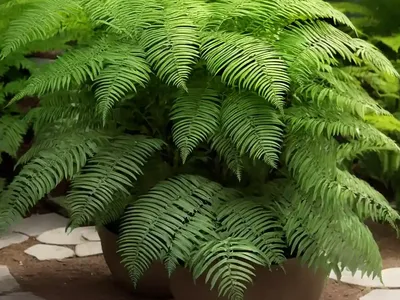
The Rough Maidenhair Fern is a popular choice for container gardening, both indoors and outdoors. Its compact growth habit and preference for shaded conditions make it well-suited for adorning various container arrangements, from hanging baskets to decorative pots. The versatility of container gardening allows for the integration of the fern in diverse settings, bringing a touch of elegance to any space.
Container Common Diseases
When grown in containers, the Rough Maidenhair Fern is susceptible to certain diseases that can impact its health and vigor. Understanding common diseases and their preventive measures is vital for maintaining the well-being of the fern in containers.
Disease Diagnosis
Diagnosing diseases in the Rough Maidenhair Fern involves careful observation of its foliage and overall growth. Symptoms such as wilting, yellowing fronds, or the presence of unusual lesions can indicate potential diseases, including fungal infections and bacterial issues. Timely and accurate diagnosis is critical for implementing appropriate treatments and interventions.
Common Pests
Pests such as aphids, scales, and spider mites can pose a threat to the Rough Maidenhair Fern when grown in containers. Monitoring the plant for signs of pest infestation, such as stippling on the foliage or the presence of tiny insects, enables prompt action to address the issue. Implementing insecticidal soaps or horticultural oils can effectively control pests while minimizing harm to the fern.
Botanist’s Tips
Drawing from botanical expertise and insights, the following tips offer valuable guidance for cultivating and appreciating the Rough Maidenhair Fern. These recommendations are informed by the plant’s natural habitat, growth patterns, and specific botanical traits.
Fun Facts
- The name “Adiantum” is derived from the Greek word “adiantos,” which means “unwetted” or “unwilted,” referencing the fern’s ability to shed water from its foliage without becoming wet.
- Maidenhair Ferns have been cultivated for centuries, with certain species being featured in historic gardens and esteemed for their ornamental value.
Links to External Resources
For additional information on the Rough Maidenhair Fern, its cultivation, and related topics, the following external resources provide valuable insights and perspectives:
- American Fern Society – https://amerfernsoc.org/
- Royal Horticultural Society – https://www.rhs.org.uk/plants/popular/maidenhair-ferns
- Australian Native Plants Society – https://anpsa.org.au/
In conclusion, the Rough Maidenhair Fern (Adiantum hispidulum) enthralls plant enthusiasts and horticulturists with its delicate beauty, cultural significance, and versatile uses. Understanding its care requirements, uses, and cultural context enriches the experience of cultivating and admiring this enchanting fern. Whether adorning indoor spaces with its lush foliage or gracing outdoor landscapes with its elegance, the Rough Maidenhair Fern embodies the timeless allure of plants and the profound connections they foster within human culture and horticultural traditions.