Broad Buckler Fern (Dryopteris Dilatata)
Plants are not only essential for our survival, but they also add beauty and tranquility to our surroundings. They come in various shapes and sizes, each.
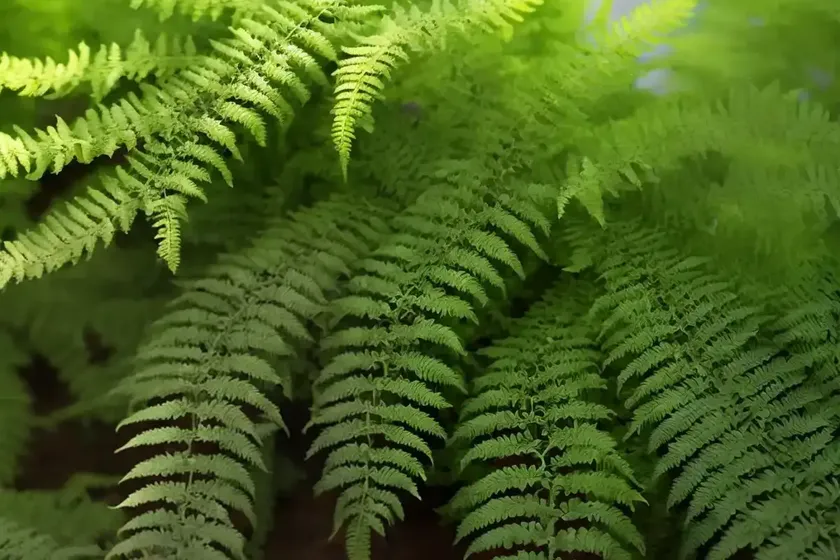
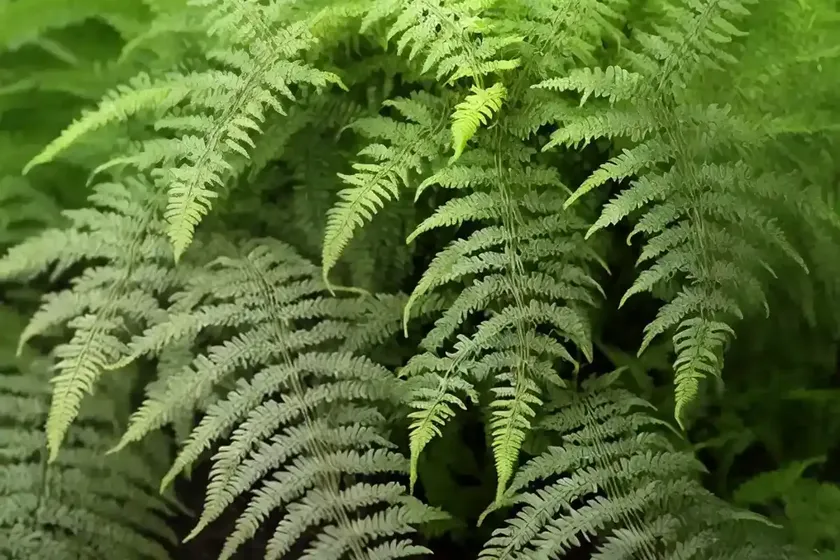
Plants are not only essential for our survival, but they also add beauty and tranquility to our surroundings. They come in various shapes and sizes, each with its unique attributes and requirements. In this comprehensive guide, we will delve into the world of the broad buckler fern, scientifically known as Dryopteris dilatata. This lovely fern species has garnered attention due to its enchanting foliage and adaptability to various environmental conditions. We will explore the various facets of this fascinating plant, from its origins and habitat to its cultivation, care, and maintenance. Let’s embark on this botanical journey to uncover the secrets of the broad buckler fern!
What is the Broad Buckler Fern (Dryopteris dilatata)?
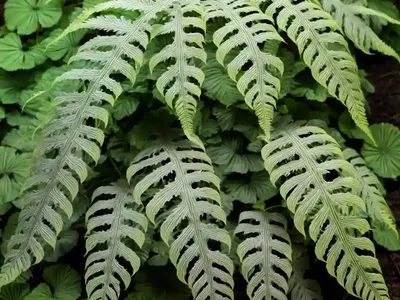
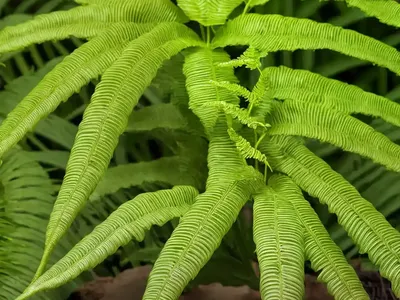
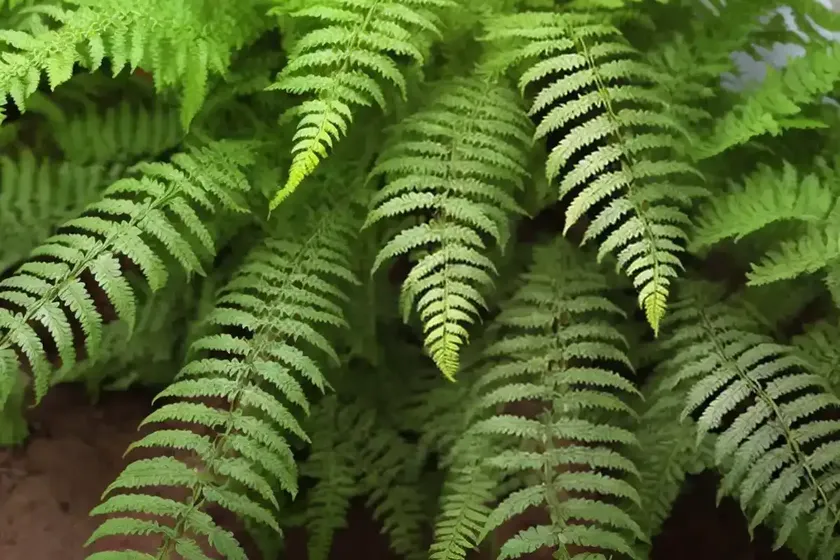
The broad buckler fern, Dryopteris dilatata, is a perennial fern native to Europe and parts of Asia. It belongs to the Dryopteridaceae family and is known for its elegant, finely divided fronds, which give it a delicate and airy appearance. This species thrives in woodland areas, along hedgerows, and in shaded, moist habitats, adding a touch of verdant lushness to these environments. The scientific name “Dryopteris dilatata” is derived from the Greek words “drys,” meaning oak, and “pteris,” meaning fern, referring to its oak-like fronds.
Key Takeaways – Broad Buckler Fern (Dryopteris dilatata)
Before we delve deeper into the cultivation and care of the broad buckler fern, let’s take a quick look at the key takeaways that will guide us throughout this journey.
- Scientific Name: Dryopteris dilatata
- Common Name: Broad Buckler Fern
- Family: Dryopteridaceae
- Habitat: Woodland areas, hedgerows
- Foliage: Finely divided, delicate fronds
- Cultural Requirements: Shade, moist soil
- Uses: Ornamental landscaping, medicinal properties
- Growth Habit: Clumping, non-invasive
- Propagation: Spores, division
- Common Pests: Aphids, scale insects
- Common Diseases: Rust, leaf spots
Now that we have a brief overview of the broad buckler fern, let’s explore its cultivation, care, and maintenance in detail.
Cultivation of Broad Buckler Fern
Cultivating the broad buckler fern requires an understanding of its natural habitat and preferences. When replicating its ideal growing conditions, we can ensure its healthy and vigorous growth. Let’s examine the essential factors for successfully cultivating this captivating fern.
Water
As a woodland species, the broad buckler fern thrives in moist, well-draining soil. Adequate water is crucial for its growth and vitality, especially during the establishment phase. However, it’s important to find a balance, as excessively wet soil can lead to root rot and other moisture-related issues.
Watering Tips:
- Water consistently to maintain soil moisture without causing waterlogging.
- Mulching can help retain soil moisture and regulate temperature fluctuations.
- Avoid overhead watering to prevent fungal diseases; instead, water at the base of the plant.
Sunlight
In its natural habitat, the broad buckler fern grows under the dappled shade of trees, receiving filtered sunlight throughout the day. When cultivating it in a garden or landscape setting, it’s essential to replicate these light conditions to ensure its well-being.
Sunlight Requirements:
- Partial to full shade is optimal, especially during the hottest part of the day.
- Avoid direct, intense sunlight to prevent scorching of the delicate fronds.
Fertilizer
While the broad buckler fern does not have high fertilizer requirements, providing it with nutrients during the growing season can promote lush, healthy foliage. A balanced, slow-release fertilizer or organic amendments can be beneficial when applied judiciously.
Fertilization Guidelines:
- Apply a balanced, water-soluble fertilizer at half strength every 4-6 weeks during the growing season.
- Use organic mulch or compost as a natural source of nutrients and soil improvement.
Soil
The soil composition significantly influences the growth and development of the broad buckler fern. It prefers humus-rich, well-draining soil with a slightly acidic to neutral pH. Additionally, incorporating organic matter can enhance soil structure and fertility.
Soil Requirements:
- Opt for a well-draining, loamy soil with good moisture retention.
- Aim for a pH range of 5.5 to 7.0 for optimal nutrient uptake and growth.
Care and Maintenance
Caring for the broad buckler fern involves regular monitoring, grooming, and addressing its specific needs. By tending to its requirements, we can ensure that it remains a vibrant and captivating addition to the garden or landscape.
Pruning
Pruning helps maintain the broad buckler fern’s attractive appearance and prevents the accumulation of old, tattered fronds. It also promotes new growth and rejuvenates the plant over time.
Pruning Guidelines:
- Remove old or damaged fronds close to the base using sharp, sterile scissors or pruning shears.
- Regularly grooming the plant keeps it looking tidy and encourages fresh foliage to emerge.
Propagation
Propagating the broad buckler fern allows for the expansion of its presence in the garden or the sharing of its beauty with others. This can be achieved through spore propagation or division of existing clumps.
Propagation Methods:
- Collect spores from mature fronds and sow them on a suitable germination medium to raise new ferns.
- Divide large clumps during the spring, ensuring that each division contains healthy roots and fronds.
Container Gardening
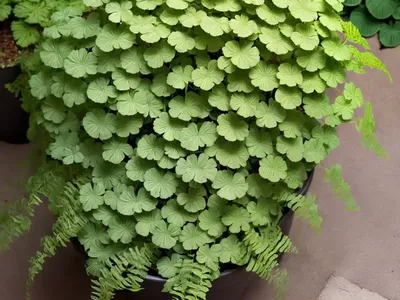
The broad buckler fern is well-suited for container gardening, providing an elegant, textural element to shaded patios, balconies, and indoor spaces. When grown in containers, its specific needs must be considered to ensure its well-being.
Container Care Tips:
- Choose a spacious container with adequate drainage holes to prevent waterlogging.
- Use a well-draining potting mix formulated for ferns or mix regular potting soil with peat moss and perlite.
Uses of Broad Buckler Fern
Apart from its ornamental value in landscaping and gardening, the broad buckler fern holds significance in various other aspects, including its historical uses, ecological importance, and potential medicinal properties.
Ornamental Landscaping
The delicate, arching fronds of the broad buckler fern make it a sought-after plant for shaded gardens, woodland landscapes, and as an underplanting for trees and shrubs.
Landscape Applications:
- Use it as a ground cover or edging plant in shaded borders and woodland gardens.
- Incorporate it into mixed planters and hanging baskets to add a soft, feathery texture.
Medicinal Properties
In traditional herbal medicine, certain fern species have been utilized for their medicinal properties. While the specific uses of the broad buckler fern in herbal remedies require further research and validation, it is believed to possess certain therapeutic attributes.
Potential Medicinal Uses:
- Some cultures have used ferns for treating conditions such as wounds, skin irritations, and respiratory ailments.
- Research into the medicinal potential of ferns may uncover valuable compounds with pharmaceutical applications.
Common Diseases and Pests
Like all plants, the broad buckler fern is susceptible to certain diseases and pest infestations. Recognizing and addressing these issues promptly is crucial for maintaining the plant’s health and vigor.
Disease Diagnosis
Several fungal diseases, such as rust and leaf spots, can affect the foliage of the broad buckler fern, leading to discoloration and deterioration of the fronds.
Symptoms and Management:
- Monitor the plant for signs of yellowing, browning, or spotting on the fronds.
- Prune affected foliage and improve air circulation to prevent the spread of fungal diseases.
Common Pests
Pests such as aphids and scale insects may infest the broad buckler fern, causing damage to the foliage and compromising its overall condition.
Pest Control Measures:
- Use a gentle spray of water or insecticidal soap to dislodge and control aphid populations.
- Scale insects can be managed by gently scrubbing the affected areas with a soft brush and applying horticultural oil for further control.
Botanist’s Tips for Growing Broad Buckler Fern
To enrich our understanding of cultivating and caring for the broad buckler fern, let’s explore some valuable tips provided by botanists and horticulturists with expertise in ferns and woodland plants.
Botanist’s Recommendations:
- Ensure Adequate Airflow: Promote good air circulation around the broad buckler fern to prevent moisture-related issues and fungal diseases.
- Monitor Moisture Levels: Regularly check the soil moisture and adjust the watering frequency based on the plant’s needs and environmental conditions.
- Mulch Mindfully: Apply a layer of organic mulch around the plant, keeping it away from the base to prevent excess moisture accumulation.
Fun Facts about Broad Buckler Fern
- Despite being a fern, the broad buckler fern reproduces via spores and does not produce flowers or seeds like typical flowering plants.
- In folklore, certain fern species were believed to have protective powers and were used to ward off evil spirits.
- The delicate, lacy fronds of the broad buckler fern have earned it the nickname “lady fern” in some regions.
- Ferns, including the broad buckler fern, have a long evolutionary history, dating back to millions of years, and have adapted to diverse habitats worldwide.
Links to External Resources
To further enrich your knowledge and understanding of the broad buckler fern, explore the following external resources:
- Royal Horticultural Society – Dryopteris dilatata
- Missouri Botanical Garden – Dryopteris dilatata
- The American Fern Society
In conclusion, the broad buckler fern, with its delicate and airy fronds, adds an enchanting touch to shaded gardens and woodland landscapes. By understanding its cultural requirements, cultivation techniques, and potential uses, we can appreciate and nurture this fascinating fern species to enhance our surroundings. Whether used for its ornamental value or explored for its ecological and medicinal potential, the broad buckler fern continues to captivate plant enthusiasts and researchers alike, embodying the timeless allure of ferns in the botanical world.