Rough Hawkbit (Leontodon Hispidus)
Plants play a vital role in the ecosystem, providing food, oxygen, and habitat for various organisms. They come in various shapes, sizes, and forms, each.
Plants play a vital role in the ecosystem, providing food, oxygen, and habitat for various organisms. They come in various shapes, sizes, and forms, each with its unique characteristics and requirements. One such intriguing plant is the Rough Hawkbit (Leontodon hispidus), which has garnered attention for its distinct features and uses. In this comprehensive guide, we will delve into the world of Rough Hawkbit, exploring its cultivation, uses, and much more.
What is Rough Hawkbit (Leontodon hispidus)?
Introduction
Rough Hawkbit, scientifically known as Leontodon hispidus, is a perennial flowering plant belonging to the Asteraceae family. Also referred to as Rough Cat’s Ear, this plant is native to Europe, Western Asia, and North Africa. It is a resilient species that thrives in various habitats, from grasslands and meadows to roadsides and woodlands.
Characteristics
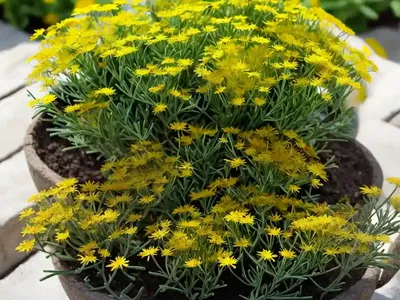
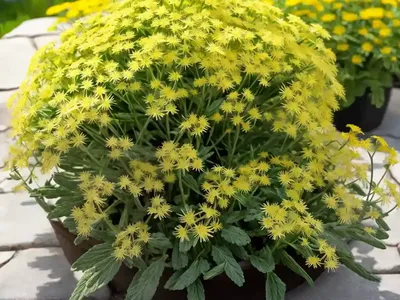
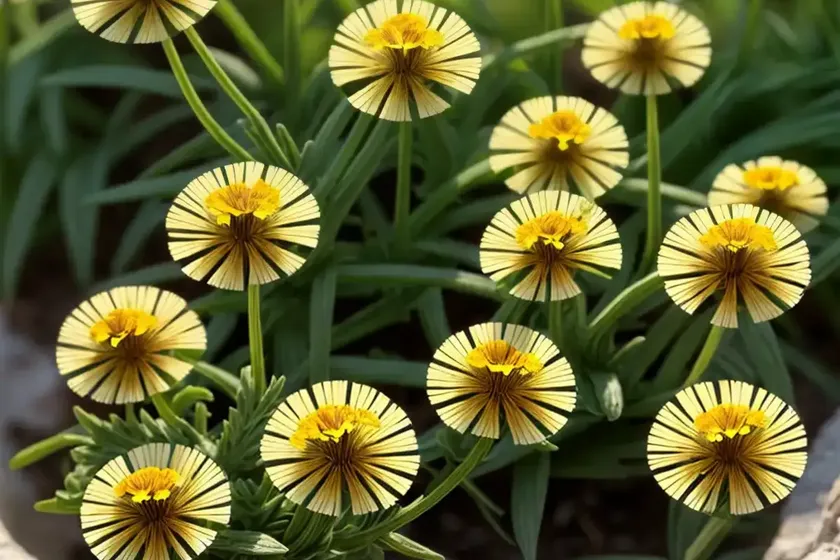
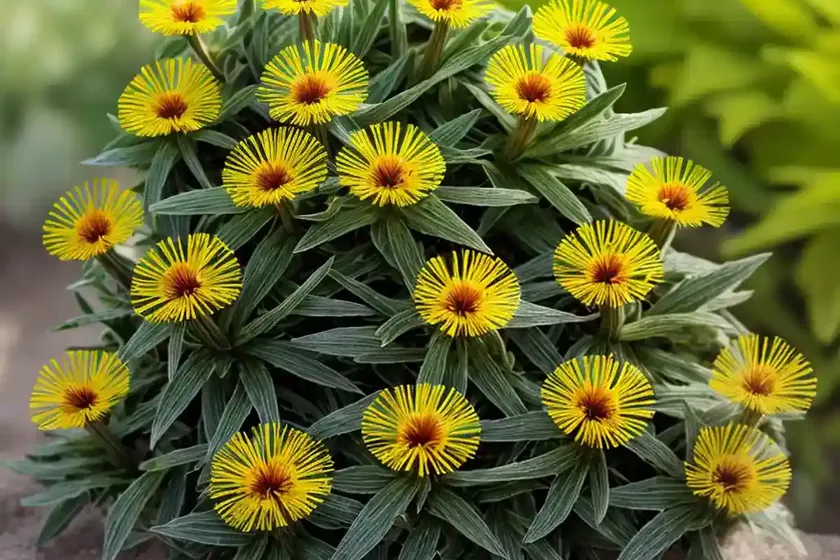
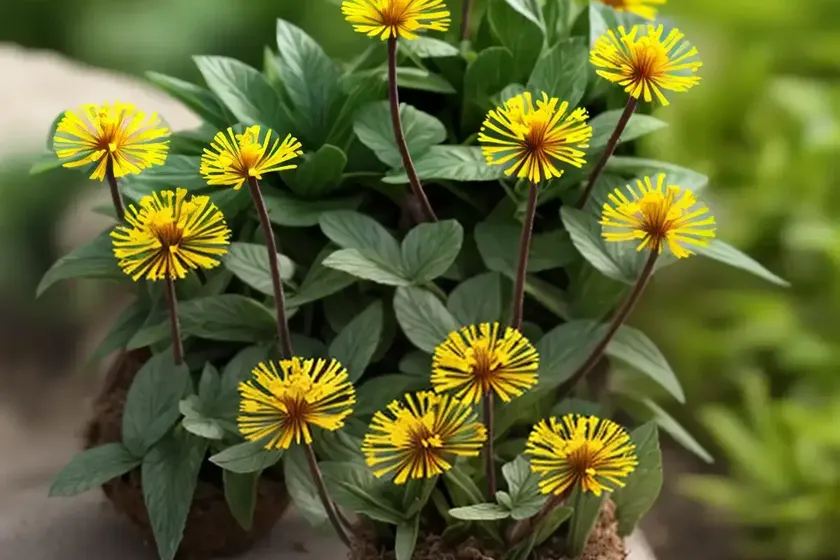
Rough Hawkbit is characterized by its bright yellow, dandelion-like flowers and hairy, lobed leaves. The plant typically grows to a height of 20-60 cm, with its flowers held on slender, branched stems. These vibrant blooms not only add aesthetic appeal to landscapes but also serve as a crucial food source for pollinators.
The plant’s hardiness and adaptability make it an attractive choice for both wildflower gardens and landscaping projects. Its ability to thrive in diverse environmental conditions has piqued the interest of gardeners and plant enthusiasts worldwide.
Key Takeaways – Rough Hawkbit (Leontodon hispidus)
Before delving into the specifics of cultivating Rough Hawkbit, let’s explore some key takeaways about this remarkable plant.
Culture
- Scientific Name: Leontodon hispidus
- Common Names: Rough Hawkbit, Rough Cat’s Ear
- Family: Asteraceae
- Type: Perennial
- Native Habitat: Europe, Western Asia, North Africa
- Blooming Season: Spring to early summer
- Hardiness Zone: USDA Zones 3-9
- Wildlife Attraction: Attracts pollinators such as bees and butterflies
- Uses: Ornamental, medicinal, wildlife habitat
Uses
Rough Hawkbit offers a range of uses, from ornamental and medicinal to ecological. Its applications include:
- Ornamental: The vibrant yellow flowers and attractive foliage make Rough Hawkbit a valuable addition to wildflower gardens and naturalistic landscapes.
- Medicinal: In traditional medicine, various parts of the Rough Hawkbit plant have been utilized for their purported medicinal properties.
- Wildlife Habitat: The plant serves as a valuable food source for pollinators, supporting biodiversity in natural ecosystems.
Water
- Watering Needs: Moderate
- Irrigation Frequency: Regular watering, especially during dry spells
- Preferred Moisture Levels: Well-drained soil; avoid waterlogged conditions
Sunlight
- Sun Exposure: Full sun to partial shade
- Optimal Light Conditions: Thrives in full sunlight; tolerates partial shade
Fertilizer
- Fertilization: Minimal to moderate; avoid excessive nitrogen
- Preferred Fertilizer Type: Balanced, slow-release fertilizers
- Application Time: Apply fertilizer in spring; avoid late-season fertilization
Soil
- Soil Type: Well-drained, loamy soil
- pH Range: Neutral to slightly acidic (pH 6.0-7.0)
- Soil Amendments: Organic matter can improve soil structure and fertility
Pruning
- Pruning Needs: Low
- Maintenance Pruning: Deadhead spent flowers to promote continued blooming
- Seasonal Pruning: Trim back overgrown foliage in late autumn or early spring
Propagation
- Propagation Methods: Seeds, division
- Seed Propagation: Sow seeds in late summer to early autumn or early spring
- Division: Divide mature plants in early spring or early autumn
Container Popularity
- Suitability for Containers: Ideal for wildflower and pollinator-friendly container gardens
- Container Size: Select medium to large containers to accommodate root growth
Common Diseases
- Potential Diseases: Susceptible to powdery mildew, root rot
- Preventive Measures: Adequate air circulation, well-drained soil, avoid overwatering
Disease Diagnosis
- Symptoms: White powdery patches on leaves, wilting, yellowing foliage
- Treatment: Fungicidal treatments, cultural practices to improve air circulation
Common Pests
- Pest Concerns: Aphids, caterpillars
- Pest Control: Natural predators, insecticidal soaps, physical removal
Botanist’s Tips
- Native Plant Benefits: Supports local pollinators and wildlife
- Landscaping Tip: Pair with other native wildflowers for a vibrant, biodiverse garden
Fun Facts
- Edible Uses: Young leaves and flower buds are edible and can be added to salads or used as a garnish
- Folklore: In folklore, Rough Hawkbit was associated with divination and used in herbal remedies
Links to External Resources
For further information on Rough Hawkbit and its cultivation, you can explore the following resources:
- Royal Horticultural Society – Rough Hawkbit
- The Wildlife Trusts – Rough Hawkbit
- Plantlife – Rough Hawkbit
Now that we have gained insights into the key aspects of Rough Hawkbit, let’s explore its care and cultivation in more detail, addressing the essential aspects of water, sunlight, soil, and more.
Leontodon hispidus Care: Cultivating Rough Hawkbit
Cultivating Rough Hawkbit requires careful attention to its specific needs, ensuring optimal growth and blooming. Let’s delve into the various aspects of caring for Rough Hawkbit, from soil requirements to pruning techniques.
Water Requirements
Proper watering is essential for the health and vitality of Rough Hawkbit. While the plant is relatively resilient, ensuring adequate moisture levels is crucial, especially during dry periods.
Watering Needs
- Frequency: Regular watering is necessary, particularly during dry spells or prolonged periods of drought.
- Soil Moisture: Maintain moderate soil moisture levels to support healthy growth.
- Avoid Waterlogging: Prevent waterlogging and stagnant water, as Rough Hawkbit prefers well-drained soil conditions.
Sunlight Needs
Rough Hawkbit thrives in sunny conditions, though it can tolerate partial shade. Providing the plant with adequate sunlight is key to promoting vigorous growth and abundant flowering.
Sun Exposure
- Optimal Conditions: Plant in areas that receive full sunlight for the majority of the day.
- Partial Shade: Tolerates partial shade, especially in regions with intense midday sun.
Fertilizer Application
Fertilizing Rough Hawkbit should be approached with care, as excessive fertilization, particularly nitrogen, can adversely affect the plant’s growth and overall health.
Fertilization Tips
- Minimal Fertilization: Avoid heavy fertilization; Rough Hawkbit generally thrives in nutrient-poor soils.
- Balanced Fertilizers: Use balanced, slow-release fertilizers to provide essential nutrients without overwhelming the plant.
Soil Requirements
Creating an optimal soil environment is vital for the successful cultivation of Rough Hawkbit, ensuring proper drainage and nutrient availability.
Ideal Soil Conditions
- Drainage: Well-drained, loamy soil provides an ideal growing medium for Rough Hawkbit.
- Acidity: Neutral to slightly acidic soils with pH levels ranging from 6.0 to 7.0 are well-suited for the plant.
- Organic Matter: Incorporating organic matter can enhance soil structure and fertility, supporting the plant’s growth.
Pruning Practices
While Rough Hawkbit requires minimal pruning, a few simple practices can help maintain its vigor and appearance throughout the growing season.
Maintenance Pruning
- Deadheading: Remove spent flowers to encourage continued blooming and prevent self-seeding.
- Seasonal Trimming: Trim back overgrown foliage in late autumn or early spring to promote healthy growth.
Propagation Techniques
Reproducing Rough Hawkbit can be achieved through seed sowing and division, allowing for the expansion of its presence in garden settings.
Seed Propagation
- Timing: Sow seeds in late summer to early autumn or early spring for optimal germination.
- Seed Collection: Collect mature seeds from the plant’s flowers for future cultivation.
Division Method
- Ideal Timing: Divide mature plants in early spring or early autumn to propagate new clumps.
Container Gardening and Landscaping
Rough Hawkbit is well-suited for container gardening, offering a versatile and attractive addition to various outdoor settings.
Container Popularity
- Container Types: Select medium to large containers to accommodate the plant’s root growth.
- Container Settings: Ideal for wildflower and pollinator-friendly container gardens, creating vibrant displays.
Common Diseases and Pest Control
Understanding the potential diseases and pests that can impact Rough Hawkbit is essential for early detection and effective management.
Disease Susceptibility
- Common Diseases: The plant may be vulnerable to powdery mildew and root rot, particularly in humid conditions.
- Preventive Measures: Utilize cultural practices such as adequate air circulation and well-drained soil to reduce the risk of disease.
Pest Management
- Pest Concerns: Watch for aphids and caterpillars, which can potentially affect the plant’s health and appearance.
- Control Methods: Natural predators, insecticidal soaps, and physical removal can help manage pest infestations.
Botanist’s Tips and Folklore
Explore additional insights into Rough Hawkbit’s ecological significance, folklore, and unique attributes that make it a captivating plant to cultivate.
Ecological Benefits
- Wildlife Attraction: Rough Hawkbit serves as a valuable food source for pollinators, contributing to biodiversity and ecological balance.
Folklore and Traditional Uses
- Edible Parts: The plant’s young leaves and flower buds are edible and have been incorporated into culinary practices.
- Herbal Remedies: In folklore, Rough Hawkbit has been associated with herbal remedies and medicinal applications in traditional medicine.
Wildflower Landscaping and Habitat Design
Utilizing Rough Hawkbit in landscape and garden designs can offer numerous ecological and aesthetic benefits.
Landscape Integration
- Native Plant Benefits: Incorporating native species such as Rough Hawkbit supports local pollinators and wildlife, enhancing habitat diversity.
Additional Considerations
In addition to the care practices outlined above, here are a few more factors to keep in mind when cultivating Rough Hawkbit:
- Culinary Uses: Consider incorporating the plant’s edible features into culinary creations, adding a unique twist to meals.
- Pollinator Support: By attracting pollinators, Rough Hawkbit can contribute to the vitality of local ecosystems and garden settings.
- Environmental Impact: Utilizing native plants like Rough Hawkbit promotes sustainable gardening practices and supports local biodiversity.
In Conclusion
Rough Hawkbit, with its vibrant blooms and ecological significance, stands as a testament to the beauty and utility of native plant species. From its cultural and medicinal uses to its value as a wildlife habitat plant, Rough Hawkbit offers a wealth of benefits to gardens and natural landscapes. By exploring its cultivation and care guidelines, we can continue to appreciate and harness the potential of this remarkable plant, fostering biodiversity and sustainable gardening practices.
This guide aims to provide a comprehensive overview of Rough Hawkbit’s characteristics, care requirements, and ecological significance, offering valuable insights for both enthusiasts and horticultural practitioners. By embracing the diversity and resilience of plants like Rough Hawkbit, we can contribute to the conservation and enrichment of our natural environment, one garden at a time.