Canada Bluegrass (Poa Compressa)
As a plant scientist deeply fascinated by the diverse world of flora, I am excited to delve into the intricacies of Canada Bluegrass, scientifically known.

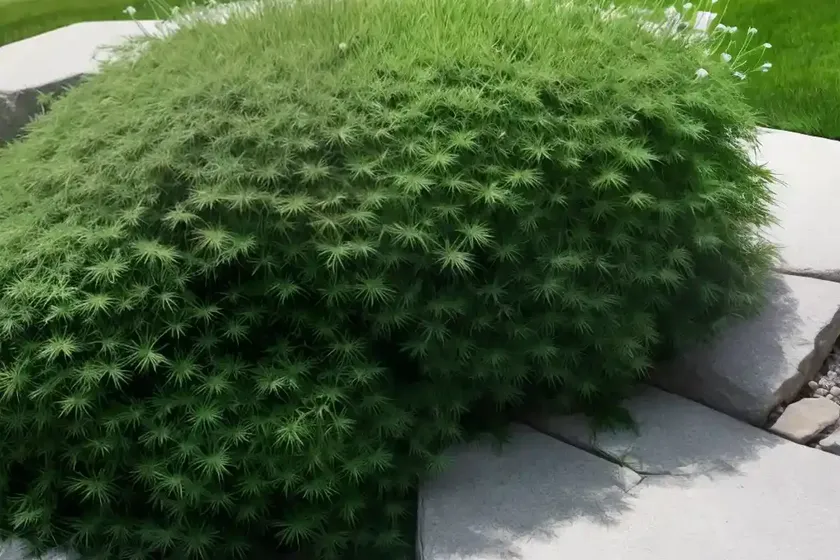
As a plant scientist deeply fascinated by the diverse world of flora, I am excited to delve into the intricacies of Canada Bluegrass, scientifically known as Poa compressa. This versatile plant is renowned for its adaptability and resilience, making it a popular choice for landscaping, lawns, and various ecological restoration projects. In this extensive guide, we will explore the key characteristics, ideal cultivation practices, common uses, and potential challenges associated with Canada Bluegrass. Whether you are a gardening enthusiast, a landscaping professional, or a nature lover, this comprehensive resource aims to provide valuable insights into nurturing and appreciating the exceptional qualities of Poa compressa.
What is Canada Bluegrass (Poa compressa)?
Before delving into the specifics of Canada Bluegrass, it is essential to grasp its fundamental attributes and ecological significance. Poa compressa, commonly known as Canada Bluegrass or flattened meadow-grass, is a perennial grass species that belongs to the Poaceae family. This resilient grass is native to Europe and has been introduced to various parts of North America, where it has thrived in diverse environmental conditions.
Taxonomical Classification of Canada Bluegrass (Poa compressa)
- Kingdom: Plantae
- Order: Poales
- Family: Poaceae
- Genus: Poa
- Species: compressa
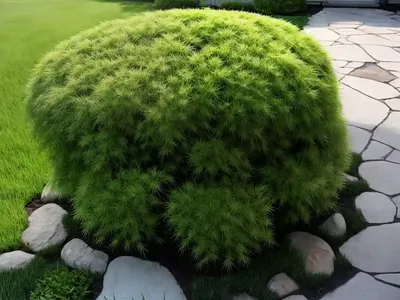
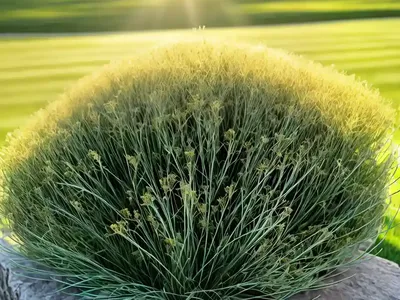
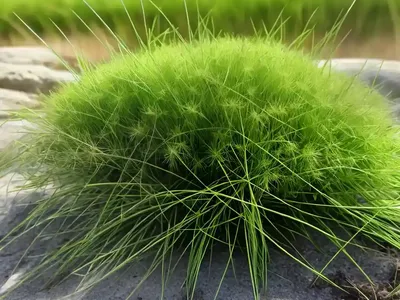
Canada Bluegrass is renowned for its fine-textured foliage, unique growth habits, and remarkable adaptability to different soil types and climatic conditions. It is valued for its ornamental appeal, erosion control capabilities, and versatile applications in landscaping and ecological restoration efforts.
Key Takeaways – Canada Bluegrass (Poa compressa)
As we embark on a comprehensive exploration of Canada Bluegrass, let’s begin by elucidating the key takeaways associated with this remarkable plant. Understanding the critical characteristics, cultivation requirements, and potential uses of Canada Bluegrass can provide invaluable insights into harnessing its full potential in diverse horticultural and ecological settings.
Canada Bluegrass (Poa compressa): Key Takeaways
- Hardiness Zone: Canada Bluegrass thrives in hardiness zones 3 to 8, exhibiting remarkable adaptability to a wide range of climatic conditions.
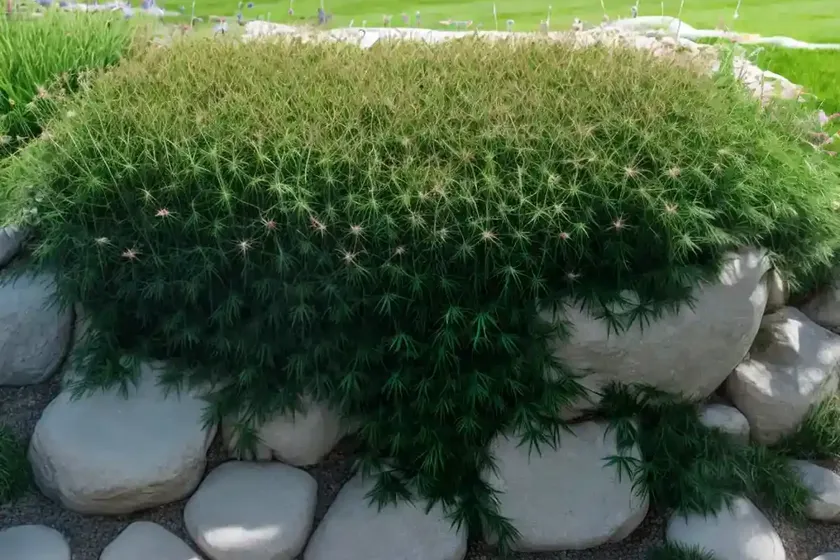
- Growth Habit: This perennial grass species displays a low-growing and creeping growth habit, forming dense, mat-like tufts that contribute to its ornamental and functional appeal.
- Ecological Benefits: Canada Bluegrass serves as a valuable species for erosion control, wildlife habitat enhancement, and restoration of disturbed landscapes.
- Ornamental Value: With its fine-textured, bluish-green foliage and distinctive growth pattern, Poa compressa is widely utilized for ornamental landscaping and creating lush, resilient lawns.
- Resilience: Despite its low maintenance requirements, Canada Bluegrass exhibits remarkable resilience, displaying exceptional drought tolerance and adaptability to different soil types.
These key takeaways offer a glimpse into the multifaceted nature of Canada Bluegrass, highlighting its ecological significance, aesthetic appeal, and practical applications in various horticultural and environmental contexts.
Cultivation of Canada Bluegrass
The successful cultivation of Canada Bluegrass hinges on a comprehensive understanding of its specific growth requirements, maintenance practices, and environmental preferences. Whether you are considering incorporating Poa compressa into your landscape design or seeking to enhance the ecological value of a particular area, it is essential to familiarize yourself with the optimal conditions for nurturing this resilient grass species.
Canada Bluegrass (Poa compressa) Cultivation
- Plant Name: Canada Bluegrass (Poa compressa)
- Hardiness Zone: Zones 3 to 8
- Growth Habit: Low-growing, mat-forming
- Sunlight: Full sun to partial shade
- Soil Type: Well-drained, fertile soil
- Watering: Moderate water requirements
- Fertilization: Minimal fertilization needs
- Pruning: Occasional mowing for maintenance
- Propagation: Division or seeding
- Container: Suitable for container cultivation
Now, let’s delve deeper into each of these crucial aspects to gain a comprehensive understanding of the optimal cultivation practices for Canada Bluegrass.
Uses of Canada Bluegrass
The versatile nature of Canada Bluegrass renders it valuable for an array of practical, ornamental, and ecological applications. From enhancing the visual appeal of landscapes to contributing to environmental conservation efforts, Poa compressa serves various purposes that underscore its remarkable adaptability and resilience.
Utilitarian and Ecological Uses of Canada Bluegrass
Landscaping and Lawns
- Canada Bluegrass is commonly utilized in landscaping for its fine-textured, bluish-green foliage and low-maintenance characteristics, contributing to the creation of lush, resilient lawns and ornamental landscapes.
- Its adaptability to different soil types and climatic conditions makes it an ideal choice for landscaping projects where hardy, ornamental grass species are desired.
Erosion Control
- The low-growing and mat-forming growth habit of Canada Bluegrass enables it to effectively stabilize soil and prevent erosion, making it a valuable species for erosion control in slopes, embankments, and disturbed landscapes.
Ecological Restoration
- Poa compressa plays a pivotal role in ecological restoration efforts, particularly in the restoration of disturbed landscapes, prairies, and grassland habitats, where its resilience and adaptability are highly beneficial.
Wildlife Habitat Enhancement
- The dense, low-growing nature of Canada Bluegrass provides cover and foraging opportunities for various small animals and insects, contributing to the enhancement of wildlife habitat diversity in natural and landscaped settings.
Ornamental Landscaping
- With its ornamental appeal and resilient nature, Poa compressa is widely employed in ornamental landscaping, adding visual interest and textural diversity to gardens, parks, and public green spaces.
These diverse uses underscore the multifaceted value of Canada Bluegrass, positioning it as a versatile and resilient species with wide-ranging practical and ecological applications.
Water Requirements for Canada Bluegrass
Effective management of water resources is essential for the successful cultivation and maintenance of Canada Bluegrass. Understanding the optimal watering practices and requirements for Poa compressa is crucial for promoting its vigorous growth, resilience, and aesthetic appeal in diverse horticultural and ecological settings.
Water Requirements for Canada Bluegrass
-
Moderate Watering: While Canada Bluegrass displays a degree of drought tolerance, regular, moderate watering is essential, particularly in dry or hot conditions, to support healthy growth and mitigate stress.
-
Soil Moisture: Well-drained soil that retains adequate moisture without becoming waterlogged is optimal for Canada Bluegrass cultivation. Proper soil moisture management is essential to prevent water stress or root suffocation.
-
Watering Schedule: Establishing a consistent watering schedule, particularly during periods of inadequate rainfall or dry spells, is essential to ensure that Poa compressa receives sufficient moisture to support its growth and resilience.
By prioritizing appropriate watering practices and maintaining optimal soil moisture levels, enthusiasts and professionals alike can nurture thriving stands of Canada Bluegrass, contributing to visually appealing landscapes and ecologically resilient environments.
Sunlight Requirements for Canada Bluegrass
The sunlight requirements of Canada Bluegrass play a pivotal role in determining its growth, resilience, and aesthetic appeal in diverse environmental settings. From full sun exposure to partial shade conditions, understanding the preferences of Poa compressa with regard to sunlight is essential for effective cultivation and utilization.
Sunlight Requirements for Canada Bluegrass
-
Full Sun to Partial Shade: Canada Bluegrass exhibits remarkable adaptability to different light conditions, thriving in both full sun exposure and moderate shade. However, consistent exposure to full sun facilitates optimal growth and density in Poa compressa stands.
-
Shade Tolerance: While Canada Bluegrass can tolerate partial shade, its growth may be more sparse, and its resilience to environmental stress factors may be slightly reduced in comparison to stands receiving ample sunlight.
-
Optimal Sunlight: To ensure the robust growth and ornamental appeal of Canada Bluegrass, prioritizing sites with full sun exposure is recommended, particularly for landscaping and lawn applications where dense, lush growth is desired.
By aligning the cultivation of Canada Bluegrass with its sunlight preferences, horticultural and ecological practitioners can optimize the resilience and aesthetic value of Poa compressa stands in various environmental contexts.
Fertilization Practices for Canada Bluegrass
The fertilization of Canada Bluegrass plays a crucial role in supporting its growth, vigor, and resilience, particularly in the context of landscaping, lawns, and ecological restoration efforts. Understanding the optimal fertilization practices for Poa compressa is essential for promoting dense, healthy stands with vibrant foliage and robust growth habits.
Fertilization Practices for Canada Bluegrass
-
Minimal Fertilization: Canada Bluegrass exhibits modest fertilization requirements, with a preference for minimal applications of balanced, slow-release fertilizers that provide essential nutrients without promoting excessive vegetative growth.
-
Nutrient Content: Prioritizing fertilizers with a balanced nutrient content, including nitrogen, phosphorus, and potassium, can support the overall vigor and resilience of Canada Bluegrass stands, particularly in nutrient-deficient soil conditions.
-
Application Timing: Concentrating fertilization efforts during the active growing season, such as early spring and late summer, can facilitate efficient nutrient uptake and utilization by Canada Bluegrass, supporting its lush, healthy growth.
By adhering to judicious fertilization practices and prioritizing the specific nutrient requirements of Canada Bluegrass, practitioners can promote the resilience, ornamental appeal, and ecological functionality of Poa compressa in diverse environmental contexts.
Soil Preferences for Canada Bluegrass
The optimal soil conditions for Canada Bluegrass cultivation play a pivotal role in shaping its growth, vigor, and adaptability in landscaping, lawn, and ecological restoration applications. Understanding the specific soil preferences of Poa compressa is essential for facilitating robust growth, resilience, and aesthetic appeal in diverse environmental settings.
Soil Preferences for Canada Bluegrass
-
Well-Drained Soil: Canada Bluegrass thrives in well-drained soil that maintains moderate moisture levels without becoming waterlogged, supporting healthy root development and mitigating the risk of water stress or root suffocation.
-
Fertile Soil: Soil with adequate fertility, organic matter content, and essential nutrients is optimal for promoting robust growth and resilience in Canada Bluegrass stands, particularly in nutrient- deficient or degraded soil conditions.
-
Soil pH: While Canada Bluegrass displays adaptability to a wide range of soil pH levels, slightly acidic to neutral soil (pH 6.0 to 7.5) is generally preferred for promoting optimal nutrient availability and root development.
By prioritizing the establishment of well-drained, fertile soil with suitable pH characteristics, practitioners and enthusiasts can create conducive growing conditions for Canada Bluegrass, supporting its ornamental, ecological, and functional value in various horticultural and environmental contexts.
Pruning and Maintenance of Canada Bluegrass
The effective pruning and maintenance of Canada Bluegrass are essential for promoting its vigorous growth, ornamental appeal, and ecological functionality in landscaping, lawns, and ecological restoration settings. By understanding the optimal pruning practices and maintenance routines for Poa compressa, practitioners can ensure the longevity and resilience of stands while enhancing their aesthetic and ecological value.
Pruning and Maintenance of Canada Bluegrass
-
Mowing Height: Canada Bluegrass stands should be maintained at a mowing height of approximately 2.5 to 3 inches, promoting dense growth, vigor, and visual appeal while reducing the risk of weed encroachment and environmental stress.
-
Frequency of Mowing: Establishing a regular mowing schedule, particularly during the active growing season, can promote uniform growth, density, and resilience in Canada Bluegrass stands, contributing to visually appealing lawns and landscapes.
-
Thatch Management: Periodic dethatching and aeration can mitigate the risk of excessive thatch accumulation in Canada Bluegrass stands, supporting optimal nutrient uptake, water infiltration, and resilience to environmental stress factors.
By adhering to judicious pruning practices and consistent maintenance routines, practitioners can cultivate visually stunning, resilient stands of Canada Bluegrass, contributing to the creation of attractive, ecologically functional landscapes and lawns.
Propagation of Canada Bluegrass
The propagation of Canada Bluegrass is a key aspect of its cultivation and utilization in diverse horticultural and ecological contexts. Whether through division or seeding, understanding the optimal propagation practices for Poa compressa is essential for fostering its resilience, genetic diversity, and longevity in various environmental settings.
Propagation of Canada Bluegrass
-
Division: Propagating Canada Bluegrass through division facilitates the generation of genetically uniform stands, contributing to the establishment of consistent growth habits, resilience, and ornamental attractiveness.
-
Seeding: While Poa compressa can be propagated through seeding, it is essential to prioritize high-quality, viable seed sources and favorable environmental conditions to facilitate efficient germination, establishment, and robust growth of new stands.
By incorporating effective propagation practices into the cultivation and utilization of Canada Bluegrass, practitioners can foster diverse, resilient stands with exceptional ornamental, ecological, and functional value in diverse horticultural and environmental contexts.
Container Cultivation of Canada Bluegrass
The suitability of Canada Bluegrass for container cultivation offers a unique opportunity to incorporate this resilient grass species into a range of horticultural, landscaping, and ecological restoration projects, particularly in settings where space constraints or specific design requirements necessitate container cultivation.
Container Cultivation of Canada Bluegrass
-
Container Types: Selecting well-draining containers of appropriate size and depth is essential for the successful cultivation of Canada Bluegrass, providing adequate room for root development and moisture retention.
-
Soil Mix: Prioritizing a well-draining, nutrient-rich soil mix with suitable fertility and moisture retention characteristics is crucial for supporting the robust growth and resilience of Canada Bluegrass stands in containers.
-
Sunlight: Positioning containers in areas with ample sunlight exposure is essential for promoting dense, vigorous growth and ornamental appeal in Canada Bluegrass cultivated in containers, contributing to visually striking displays.
By leveraging the potential of container cultivation, practitioners can integrate the aesthetic, ecological, and functional value of Canada Bluegrass into a diverse array of horticultural and landscaping projects, where the versatility and resilience of this remarkable grass species can be showcased to full effect.
Popularity of Canada Bluegrass
The popularity of Canada Bluegrass in various horticultural, ecological, and landscaping contexts is a testament to its exceptional resilience, ornamental appeal, and functional versatility. From lush, resilient lawns to ecologically valuable restoration projects, Poa compressa has earned its reputation as a valuable and sought-after species in the realm of plant cultivation and utilization.
Factors Contributing to the Popularity of Canada Bluegrass
-
Ornamental Appeal: The fine-textured, bluish-green foliage and distinctive growth habits of Canada Bluegrass contribute to its widespread popularity in landscaping and ornamental gardening, adding visual interest and textural diversity to diverse environments.
-
Resilience and Adaptability: The remarkable adaptability of Canada Bluegrass to different soil types, climatic conditions, and environmental stress factors positions it as a resilient and low-maintenance choice for lawns, landscapes, and ecological restoration projects.
-
Ecological Functionality: Canada Bluegrass’s value in erosion control, wildlife habitat enhancement, and ecological restoration efforts underscores its ecological functionality and versatility, contributing to its popularity in the context of environmental conservation and restoration.
By recognizing and appreciating the diverse factors that contribute to the popularity of Canada Bluegrass, practitioners and enthusiasts can harness the exceptional attributes of Poa compressa in diverse horticultural, ecological, and landscaping settings, reinforcing its status as a cherished and valuable plant species.
Common Diseases Affecting Canada Bluegrass
Effective disease management is crucial for maintaining the health, vigor, and resilience of Canada Bluegrass stands, particularly in the context of lawn care, landscaping, and ecological restoration. Understanding the common diseases affecting Poa compressa and implementing targeted disease prevention and control measures is essential for safeguarding its ornamental and ecological value.
Common Diseases Affecting Canada Bluegrass
-
Leaf Spot Diseases: Caused by fungal pathogens such as Drechslera poae, leaf spot diseases can result in the development of circular, necrotic lesions on Canada Bluegrass foliage, leading to aesthetic deterioration and potential decline in plant health.
-
Rust Diseases: Rust fungi, including Puccinia species, can cause the formation of orange to reddish-brown pustules on the foliage of Canada Bluegrass, affecting its aesthetic appeal and potentially reducing its resilience and vigor.
-
Fusarium Patch: Fusarium species can trigger the development of fusarium patch, characterized by the formation of circular, yellow to brown patches on Canada Bluegrass lawns, compromising visual appeal and overall lawn health.
-
Powdery Mildew: The presence of powdery mildew fungi, including Blumeria graminis, can lead to the formation of powdery white or gray fungal growth on Canada Bluegrass foliage, affecting its ornamental value and potentially hindering photosynthetic efficiency.
-
Pink Snow Mold: Caused by Microdochium nivale, pink snow mold diseases can lead to the formation of pink to salmon-colored fungal growth on Canada Bluegrass in moist, cool conditions, resulting in damage to the foliage and potential decline in stand health.
By familiarizing themselves with the common diseases affecting Canada Bluegrass and implementing targeted disease management measures, practitioners can safeguard the health, visual appeal, and resilience of Poa compressa stands, contributing to their longevity and ecological functionality.
Diagnostic Approaches for Canada Bluegrass Diseases
Accurate diagnosis of diseases affecting Canada Bluegrass is essential for implementing targeted disease management strategies and mitigating the impact of pathogens on the aesthetic and ecological value of Poa compressa stands. By leveraging diagnostic approaches and resources, practitioners can effectively identify and address disease issues, supporting the resilience and health of Canada Bluegrass in diverse environmental settings.
Diagnostic Approaches for Canada Bluegrass Diseases
-
Visual Symptoms: Careful observation of visual symptoms such as leaf lesions, discoloration, and fungal growth can provide valuable clues for identifying potential disease issues affecting Canada Bluegrass stands.
-
Laboratory Analysis: Utilizing laboratory-based diagnostic techniques, including fungal isolation, pathogen identification, and molecular analyses, can support the accurate identification of disease-causing agents and inform targeted disease management strategies.
-
Expert Consultation: Seeking guidance from plant pathologists, horticulturists, or extension specialists can facilitate accurate disease diagnosis and the formulation of effective disease management plans for Canada Bluegrass stands.
By embracing rigorous diagnostic approaches and leveraging expert resources, practitioners can bolster disease management efforts, preserving the visual appeal, resilience, and ecological functionality of Canada Bluegrass in various horticultural, landscaping, and ecological restoration contexts.
Common Pests Affecting Canada Bluegrass
The successful cultivation and utilization of Canada Bluegrass hinge on effective pest management practices to safeguard its health, vigor, and aesthetic appeal in diverse environmental settings. Understanding the common pests affecting Poa compressa and implementing targeted pest prevention and control measures is crucial for mitigating their impact and supporting the resilience of Canada Bluegrass stands.
Common Pests Affecting Canada Bluegrass
-
Chinch Bugs: These small, sap-feeding insects can cause damage to Canada Bluegrass by piercing and sucking sap from plant tissues, leading to characteristic yellowing and weakening of the foliage, particularly in dry or stressed conditions.
-
Sod Webworms: The larvae of sod webworm moths feed on Canada Bluegrass foliage, resulting in the formation of characteristic silk-lined tunnels and extensive defoliation, compromising the aesthetic value and resilience of affected stands.
-
Grasshoppers: These voracious herb