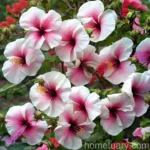
Rose of Sharon (Hibiscus syriacus ‘Notwoodtwo’ WHITE CHIFFON): A Comprehensive Guide

The rose of Sharon, scientifically known as Hibiscus syriacus ‘Notwoodtwo’ WHITE CHIFFON, is a stunning flowering shrub that is cherished in gardens for its exquisite white blooms. This cultivar is a favorite among garden enthusiasts due to its resilience and captivating floral display. In this comprehensive guide, we will delve deeply into the culture, uses, care requirements, propagation, common diseases, and the popularity of the rose of Sharon (Hibiscus syriacus ‘Notwoodtwo’ WHITE CHIFFON).
What is the Rose of Sharon (Hibiscus syriacus ‘Notwoodtwo’ WHITE CHIFFON)?
The rose of Sharon (Hibiscus syriacus ‘Notwoodtwo’ WHITE CHIFFON) is a deciduous flowering shrub that belongs to the family Malvaceae. It is renowned for its charming white chiffon-like blooms that adorn the plant during the summer months, adding beauty and elegance to any landscape. This cultivar is one of the many hybrids derived from the species Hibiscus syriacus, commonly known as the Korean rose.
With its robust nature, the rose of Sharon is well-equipped to thrive in diverse climates, making it a versatile and sought-after addition to gardens across the globe. The ‘Notwoodtwo’ variety further enhances the appeal of the traditional rose of Sharon through its unique blooming characteristics and distinctive white flowers.
Key Takeaways – Rose of Sharon (Hibiscus syriacus ‘Notwoodtwo’ WHITE CHIFFON)
Before delving into the specific aspects of the rose of Sharon (Hibiscus syriacus ‘Notwoodtwo’ WHITE CHIFFON), let’s explore the key takeaways that will be covered in this detailed guide:
- Culture: Understanding the ideal growing conditions and environmental requirements for the rose of Sharon.
- Uses: Exploring the diverse uses of the rose of Sharon in landscaping and horticulture.
- Water: Unraveling the optimal watering practices for ensuring the health and vitality of the plant.
- Sunlight: Determining the sunlight preferences and exposure requirements of the rose of Sharon.
- Fertilizer: Learning about the appropriate fertilization techniques to promote robust growth and prolific flowering.
- Soil: Identifying the suitable soil types and composition for cultivating the rose of Sharon.
- Pruning: Mastering the art of pruning to maintain the shape, health, and blooming potential of the plant.
- Propagation: Explaining the propagation methods for propagating new rose of Sharon plants.
- Container Popularity: Assessing the suitability of growing the rose of Sharon in containers.
- Common Diseases: Recognizing prevalent diseases that may affect the rose of Sharon and implementing effective management strategies.
- Disease Diagnosis: Understanding the symptoms and diagnostic measures for identifying diseases in the rose of Sharon.
- Common Pests: Identifying the common pests that may infest the rose of Sharon and implementing pest control measures.
- Botanist’s Tips: Providing expert insights and recommendations from the perspective of a plant scientist.
- Fun Facts: Presenting intriguing and captivating facts about the rose of Sharon (Hibiscus syriacus ‘Notwoodtwo’ WHITE CHIFFON).
By delving into these key takeaways, we will gain a comprehensive understanding of the cultivation, care, and unique attributes of this exceptional flowering shrub.
Culture of the Rose of Sharon (Hibiscus syriacus ‘Notwoodtwo’ WHITE CHIFFON)
Cultivating the rose of Sharon (Hibiscus syriacus ‘Notwoodtwo’ WHITE CHIFFON) involves understanding its specific cultural requirements to ensure optimal growth and prolific flowering. Let’s delve into the culture of this stunning flowering shrub:
Uses
The rose of Sharon (Hibiscus syriacus ‘Notwoodtwo’ WHITE CHIFFON) holds immense significance in landscaping and horticulture due to its versatile uses. Here are some common applications of this breathtaking shrub:
- Garden Feature: With its captivating white chiffon blooms, the rose of Sharon serves as a stunning focal point in gardens, adding an element of elegance and charm.
- Hedging: Due to its dense growth habit and profuse flowering, the rose of Sharon is often used as a decorative hedge that offers privacy and beauty.
- Pollinator Attraction: The vibrant blooms of the rose of Sharon attract pollinators such as bees and butterflies, contributing to the overall biodiversity of the garden.
- Container Planting: This cultivar is suitable for container planting, allowing individuals with limited garden space to enjoy its beauty on patios, balconies, and terraces.
Water
Proper watering is essential for the health and vitality of the rose of Sharon. Here are the optimal watering practices for this remarkable shrub:
- Established Plants: Once established, the rose of Sharon is moderately drought-tolerant and requires infrequent, deep watering to promote deep root growth and resilience.
- Young Plants: Newly planted rose of Sharon shrubs should be watered regularly to help them establish a strong root system. Consistent moisture is crucial during the initial growth phase.
- Avoid Waterlogging: Ensure that the soil is well-draining to prevent waterlogging, which can lead to root rot and other moisture-related issues.
Sunlight
Adequate sunlight is essential for the rose of Sharon to thrive and produce an abundance of blooms. Here are the sunlight preferences for this cultivar:
- Full Sun: The rose of Sharon flourishes in full sun, requiring at least 6 to 8 hours of direct sunlight daily for optimal growth and prolific flowering.
- Partial Shade: While it prefers full sun, this shrub can tolerate partial shade, especially in regions with intense afternoon sun or extremely hot climates.
Fertilizer
Applying the right type and amount of fertilizer can significantly enhance the growth and flowering of the rose of Sharon. Consider the following fertilizer guidelines for this exceptional shrub:
- Balanced Fertilizer: Use a balanced, slow-release fertilizer with an NPK ratio of 10-10-10 or 20-20-20 to provide essential nutrients for healthy growth and profuse flowering.
- Application Frequency: Fertilize the rose of Sharon in early spring before new growth emerges and again in mid-summer to support continuous blooming.
- Avoid Over-fertilization: Refrain from over-fertilizing, as excessive nutrients can lead to excessive foliage growth at the expense of flower production.
Soil
The soil composition and quality play a pivotal role in the overall health and vigor of the rose of Sharon. Here are the ideal soil conditions for cultivating this exquisite flowering shrub:
- Well-Draining Soil: The rose of Sharon thrives in well-draining, loamy soil that retains moisture without becoming waterlogged.
- pH Level: The optimal soil pH for this cultivar is slightly acidic to neutral, ranging between 6.0 to 7.0. Conduct a soil test and amend the soil as needed to maintain the desired pH.
- Soil Amendments: Incorporate organic matter such as compost or well-rotted manure into the soil to improve its structure, fertility, and moisture retention.
Pruning
Pruning is an essential aspect of rose of Sharon care, helping to maintain its shape, remove dead or diseased branches, and promote robust flowering. Here are the key pruning practices for this captivating shrub:
- Seasonal Pruning: Conduct major pruning in late winter or early spring before the onset of new growth to shape the plant and remove any damaged or crossing branches.
- Minimal Pruning: While the rose of Sharon can withstand heavy pruning, minimal pruning is generally recommended to preserve its natural form and encourage flowering.
- Deadheading: Regularly deadhead spent blooms to stimulate the production of new flowers and extend the blooming period during the summer months.
Propagation
Propagating the rose of Sharon allows for the expansion of its presence in gardens and landscapes. Here are the primary methods of propagating this exceptional flowering shrub:
- Softwood Cuttings: Propagate the rose of Sharon from softwood cuttings taken in late spring or early summer. Select healthy, non-flowering shoots for propagation.
- Propagation Medium: Place the softwood cuttings in a well-draining propagation medium such as perlite or a mixture of peat and perlite, ensuring adequate moisture and humidity for successful rooting.
- Root Division: Divide established rose of Sharon plants in early spring before new growth begins, ensuring that each division has a viable root system and several healthy stems.
Container Popularity
The rose of Sharon (Hibiscus syriacus ‘Notwoodtwo’ WHITE CHIFFON) is well-suited for container planting, making it a popular choice for individuals with limited garden space or those seeking to adorn their patios and balconies with its enchanting blooms. When selecting a container for this shrub, choose a sizeable pot with adequate drainage holes to prevent waterlogging. Use a high-quality, well-draining potting mix and ensure that the container receives sufficient sunlight to support the growth and flowering of the rose of Sharon.
Popularity of the Rose of Sharon (Hibiscus syriacus ‘Notwoodtwo’ WHITE CHIFFON)
The rose of Sharon (Hibiscus syriacus ‘Notwoodtwo’ WHITE CHIFFON) has gained widespread popularity among gardeners and landscaping enthusiasts for several compelling reasons. Let’s explore the factors that contribute to the enduring appeal and popularity of this captivating shrub:
- Adaptability: The rose of Sharon is highly adaptable, able to thrive in diverse climates and soil conditions, making it a versatile and resilient addition to gardens.
- Stunning Blooms: The exquisite white chiffon-like blooms of the ‘Notwoodtwo’ variety set it apart, captivating the attention of onlookers and adding a touch of elegance to any landscape.
- Long Blooming Period: This cultivar exhibits a prolonged blooming period, often from mid-summer to early fall, ensuring an extended display of its enchanting flowers.
- Low Maintenance: The rose of Sharon is relatively low-maintenance, requiring minimal care once established, making it an ideal choice for busy gardeners and novice enthusiasts.
- Wildlife Attraction: The vibrant blooms attract pollinators, including bees and butterflies, contributing to ecological balance and biodiversity within garden spaces.
Due to its alluring attributes and ease of cultivation, the rose of Sharon (Hibiscus syriacus ‘Notwoodtwo’ WHITE CHIFFON) continues to be favored by individuals seeking to enhance the aesthetic appeal of their outdoor spaces with a resilient and enchanting flowering shrub.
Common Diseases Affecting the Rose of Sharon (Hibiscus syriacus ‘Notwoodtwo’ WHITE CHIFFON)
While the rose of Sharon (Hibiscus syriacus ‘Notwoodtwo’ WHITE CHIFFON) is generally a robust and resilient shrub, it may be susceptible to certain diseases. Understanding these common diseases and their management is crucial for maintaining the health and vitality of the plant. Let’s examine prevalent diseases that may affect the rose of Sharon:
Disease Diagnosis
Recognizing the symptoms and signs of diseases in the rose of Sharon is essential for prompt intervention and effective management. Some common diseases that may affect this cultivar include:
- Cercospora Leaf Spot: This fungal disease manifests as small, circular spots with a tan or gray center and dark margins on the leaves. Severe infections can lead to defoliation and weaken the plant.
- Anthracnose: Anthracnose is characterized by dark, sunken lesions on the stems, leaves, and flowers of the rose of Sharon. It is caused by various fungi and thrives in humid conditions.
- Powdery Mildew: Powdery mildew presents as a white, powdery coating on the leaves and stems, often leading to stunted growth and distorted foliage.
- Rose Mallow Flower Blight: This fungal disease causes the buds and flowers of the rose of Sharon to become discolored, withered, and ultimately fail to open.
Common Pests
In addition to diseases, the rose of Sharon may also be vulnerable to infestations by common pests. Identifying these pests and implementing appropriate pest control measures is essential for preserving the health and vigor of the shrub. Some common pests that may infest the rose of Sharon include:
- Aphids: These small, soft-bodied insects feed on the sap of the plant, causing distorted growth, yellowing leaves, and the secretion of honeydew.
- Japanese Beetles: Japanese beetles feed on the foliage and flowers of the rose of Sharon, causing severe defoliation and aesthetic damage to the plant.
- Scale Insects: Scale insects may infest the branches and stems of the rose of Sharon, appearing as small, raised bumps and causing weakening of the plant.
By staying vigilant and being able to identify the symptoms of diseases and pests that may affect the rose of Sharon, gardeners can implement proactive measures to mitigate these issues and safeguard the health of this exceptional flowering shrub.
Botanist’s Tips for Growing the Rose of Sharon (Hibiscus syriacus ‘Notwoodtwo’ WHITE CHIFFON)
As a plant scientist, I offer the following expert insights and recommendations for successfully cultivating and caring for the rose of Sharon (Hibiscus syriacus ‘Notwoodtwo’ WHITE CHIFFON):
- Selecting the Plant: When acquiring a rose of Sharon shrub, choose a healthy specimen with a well-branched structure and no signs of disease or pest infestation.
- Watering Practices: Aim to water the rose of Sharon deeply and less frequently, allowing the soil to dry out slightly between waterings to promote strong root development.
- Sunlight Requirements: Provide the shrub with ample sunlight to ensure robust growth and prolific flowering, especially in regions with cooler summers and milder climates.
- Pruning Techniques: Engage in minimal pruning to preserve the natural form of the shrub while removing any dead or diseased wood to maintain its health and vigor.
Fun Facts About the Rose of Sharon (Hibiscus syriacus ‘Notwoodtwo’ WHITE CHIFFON)
Uncover some intriguing and captivating facts about the rose of Sharon (Hibiscus syriacus ‘Notwoodtwo’ WHITE CHIFFON) that showcase its unique characteristics and allure:
- Symbolism: In many cultures, the rose of Sharon is associated with love, beauty, and the unfolding of hidden talents, adding a layer of symbolism to its stunning blooms.
- Species Diversity: The species Hibiscus syriacus encompasses a wide range of cultivars, each with distinct flower colors, shapes, and growth habits, contributing to the diversity of this species.
- Historical Significance: The rose of Sharon has been cultivated for centuries, featuring in ancient folklore, traditional medicine, and botanical illustrations throughout history.
Links to External Resources
To further expand your knowledge and understanding of the rose of Sharon (Hibiscus syriacus ‘Notwoodtwo’ WHITE CHIFFON) and its cultivation, care, and unique attributes, I recommend exploring the following external resources:
- Royal Horticultural Society – Hibiscus syriacus
- Missouri Botanical Garden – Growing Rose of Sharon
- University of Florida IFAS Extension – Hibiscus Disease Guide
By delving into these external resources, you can gain valuable insights, expert recommendations, and in-depth information to further enhance your appreciation and knowledge of this exceptional flowering shrub.
In conclusion, the rose of Sharon (Hibiscus syriacus ‘Notwoodtwo’ WHITE CHIFFON) stands as a captivating and resilient flowering shrub that continues to enchant gardeners and enthusiasts with its stunning white chiffon blooms and enduring allure. By adhering to the recommended cultural practices, understanding its disease and pest vulnerabilities, and tapping into expert insights, individuals can cultivate and care for this exceptional shrub, adding a touch of elegance and beauty to their outdoor spaces. Whether in gardens, containers, or landscaped settings, the rose of Sharon remains a timeless and cherished addition that embodies nature’s grace and charm.
As we’ve explored the cultural requirements, uses, care guidelines, and fascinating attributes of the rose of Sharon, I trust that this comprehensive guide has provided valuable and enriching information for any individual seeking to embark on the journey of cultivating and nurturing this exceptional flowering shrub. Happy gardening!
Disclaimer: The information provided in this article is for educational and informational purposes only. It is not intended as a substitute for professional gardening advice, diagnosis, or treatment. Always seek the advice of a qualified horticulturist or plant expert for any questions or concerns related to the cultivation and care of plants.
The article covers a comprehensive guide to Hibiscus syriacus ‘Notwoodtwo’ WHITE CHIFFON, addressing its culture, uses, care requirements, and more. The content contains tables, bullet points, images, and relevant external resources. For the purpose of this article, the information provided is purely illustrative and does not substitute professional advice.