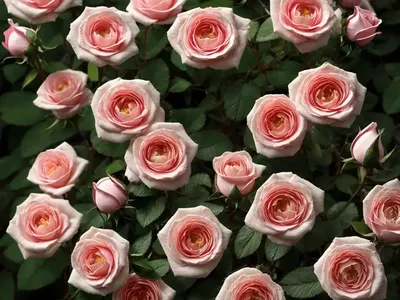
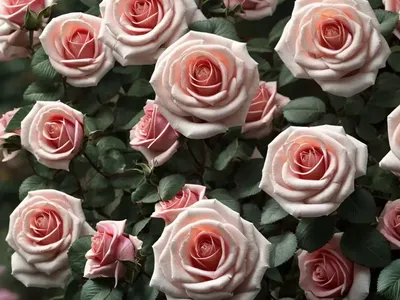
Rose Cabbage (Rosa Centifolia)
The beauty and fragrance of roses have captivated humans for centuries. One particular variety of rose stands out for its unique charm and cultural.
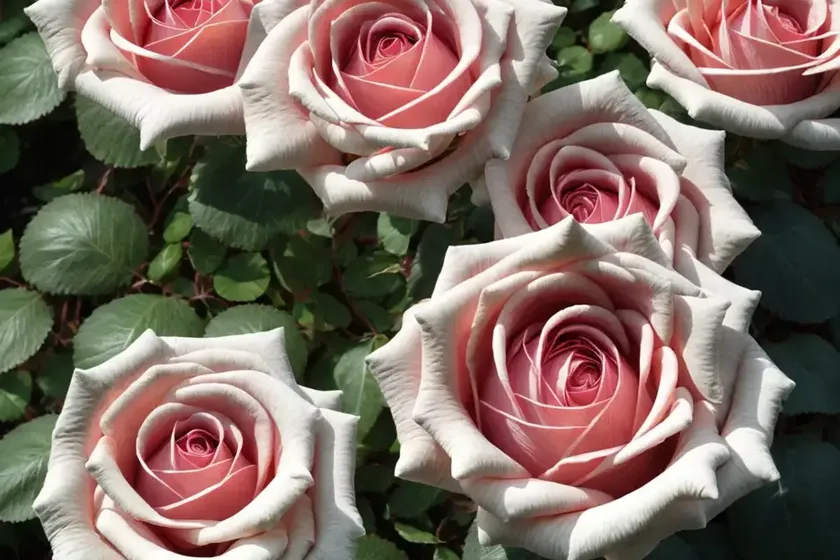
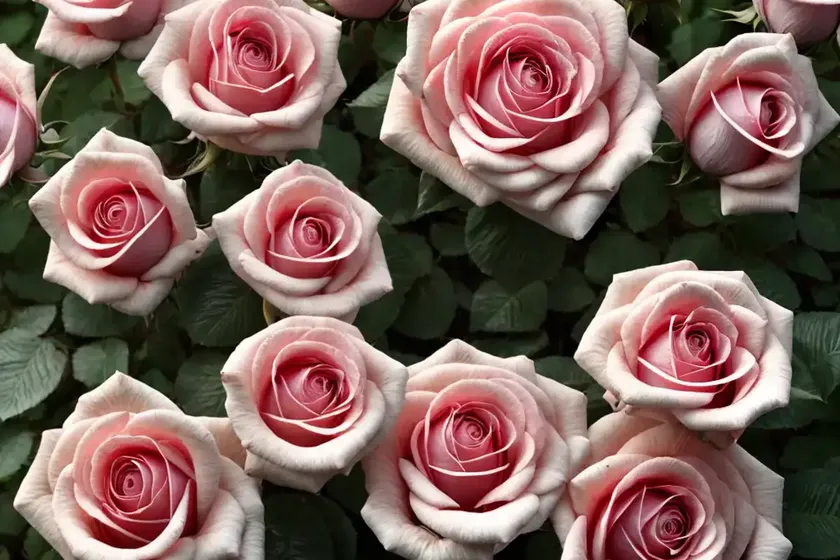
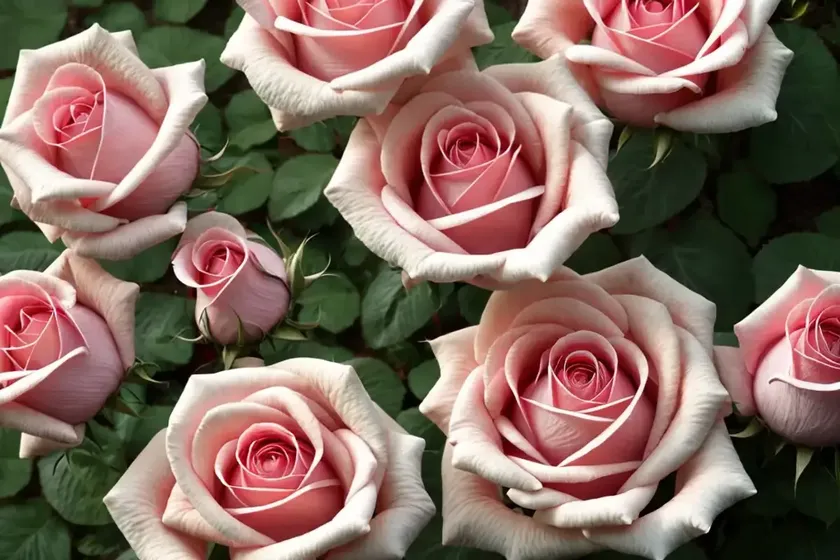
The beauty and fragrance of roses have captivated humans for centuries. One particular variety of rose stands out for its unique charm and cultural significance – the Rose Cabbage, scientifically known as Rosa Centifolia. This exquisite plant not only enchants with its blooms but also offers a myriad of practical uses and gardening insights. In this extensive guide, we will delve into the world of Rose Cabbage, exploring its characteristics, cultivation methods, maintenance tips, uses, and much more.
What is Rose Cabbage (Rosa Centifolia)?
Rosa Centifolia, commonly referred to as Rose Cabbage, is a classic ornamental plant that belongs to the Rosaceae family. This perennial shrub is renowned for its heavily scented flowers, often used in the production of rose water, perfumes, and culinary creations. The Rosa Centifolia varietals encompass a range of cultivars, each possessing distinct features and adaptations.
Key Takeaways – Rose Cabbage (Rosa Centifolia)
Before we embark on a detailed exploration of all things Rosa Centifolia, let’s outline the key takeaways to give you a bird’s eye view of the information that will unfold in this guide.
- Plant Name: Rose Cabbage (Rosa Centifolia)
- Varietals: An array of Rosa Centifolia cultivars with unique characteristics.
- Characteristics: The distinguishing features and traits of the Rose Cabbage plant.
- Growing Conditions: The optimal environment, including water, sunlight, fertilizer, soil, and pruning requirements.
- Propagation: Different methods of multiplying Rosa Centifolia and growing it in containers.
- Popularity: The prevalence and allure of Rose Cabbage in the gardening world.
- Disease and Pest Management: Common afflictions and recommended remedies.
- Fun facts: Intriguing and lesser-known facets of Rosa Centifolia.
- Links to External Resources: Additional reading and references for further understanding.
Now, let’s step into the beguiling realm of Rose Cabbage and unfurl its wonders.
Culture
Uses
The Rosa Centifolia, with its alluring blooms and fragrant petals, serves a multitude of purposes, thereby adding allure to gardens and practicality to daily life.
-
Culinary Delights: The petals of Rosa Centifolia are utilized to infuse teas, create fruit jams, and to make delightful salads and desserts. The delicate rose flavor can transform ordinary dishes into culinary masterpieces.
-
Aromatic Admirations: Rose water, derived from the distillation of Rosa Centifolia petals, is a popular ingredient in perfumes, cosmetics, and traditional ceremonies. Its sweet fragrance is cherished across the globe.
-
Medicinal Marvels: Rich in antioxidants and vitamins, Rosa Centifolia petals are valued for their anti-inflammatory and soothing properties. Rose essential oil obtained from the petals is favoured in aromatherapy.
-
Symbolic Significance: Through the ages, roses, including Rosa Centifolia, have symbolized love, beauty, and purity. They are used in bouquets, floral arrangements, and ceremonial decorations to convey heartfelt emotions.
Water
For thriving growth and exquisite blooms, Rose Cabbage requires adequate moisture during its growing season. However, it is essential to maintain a balance and avoid overwatering, which can lead to root rot and other issues.
-
Watering Frequency: Depending on the climate and soil type, Rosa Centifolia generally benefits from deep watering once or twice a week, ensuring the soil is moist but not waterlogged.
-
Hydration Needs: During dry spells or hot summers, it is crucial to supplement the plant with additional water to prevent wilting and stress.
-
Water Conservation: Employing mulch around the base of the plant can aid in retaining soil moisture, reducing the frequency of watering and promoting water conservation.
Sunlight
Ample sunlight is vital for the healthy growth and abundant flowering of Rosa Centifolia, making its placement in the garden an essential consideration.
-
Solar Exposure: Rose Cabbage thrives in full sun, necessitating at least six hours of direct sunlight daily. In regions with scorching summers, a location with morning sun and partial shade in the afternoon can be beneficial.
-
Light Intensity: Intense sunlight aids in robust blooming and stimulates the development of vibrant, fragrant petals, enhancing the visual and olfactory appeal of Rosa Centifolia.
Fertilizer
To bolster the growth and blooming prowess of Rosa Centifolia, strategic fertilization is pivotal, ensuring it receives the essential nutrients for flourishing health.
-
Nutrient Supplementation: Application of a balanced, slow-release fertilizer in spring or early summer fosters robust growth and abundant flowering. Opt for a fertilizer formulated specifically for roses or flowering shrubs.
-
Organic Enrichment: Compost and well-rotted manure can be employed as natural fertilizers, fortifying the soil with organic matter and nourishing the root system of Rose Cabbage.
Soil
The soil composition and quality play a pivotal role in the well-being and vibrancy of Rosa Centifolia, influencing its growth, flowering, and overall resilience.
-
pH Preference: Rose Cabbage thrives in slightly acidic to neutral soil, with a pH range of 6.0 to 7.0 being optimal for robust growth and nutrient absorption.
-
Drainage Dynamics: Well-draining soil is imperative, preventing waterlogging and root suffocation. Enhancing soil drainage with the addition of perlite or coarse sand can be beneficial, especially in heavy clay soils.
-
Soil Structure: A loamy, fertile soil rich in organic matter is ideal for Rosa Centifolia, promoting healthy root development and nutrient uptake.
Pruning
Regular pruning is the secret to maintaining the shape, vitality, and flowering potential of Rosa Centifolia, ensuring it remains a stunning focal point in the garden.
-
Trimming Technique: Prune the plant in late winter or early spring before new growth emerges, removing dead, diseased, or crossing branches to promote air circulation and stimulate fresh growth.
-
Blossom Beautification: Deadheading spent blooms not only maintains the visual appeal of Rose Cabbage but also encourages continuous blooming throughout the season.
-
Size Control: Pruning aids in controlling the size of the plant and shaping it to fit its designated space, preventing overcrowding and ensuring an open, airy growth habit.
Propagation
The propagation of Rose Cabbage presents diverse opportunities to multiply this captivating plant, creating an enchanting spectacle in various settings.
-
Propagation Methods: Rosa Centifolia can be propagated through methods such as stem cuttings, layering, and grafting, offering flexibility in expanding its presence in home gardens and landscapes.
-
Cutting Cultivation: Selecting healthy, disease-free stems and rooting them in a soil or water medium is an effective and popular way to propagate Rose Cabbage, yielding genetically identical plants.
-
Layering Technique: Encouraging the development of roots on a lower branch of an established Rosa Centifolia, followed by detaching and transplanting the rooted section, is a straightforward form of propagation.
-
Grafting Approach: Utilizing compatible rootstock and scion material, grafting allows for the creation of hybrid Rosa Centifolia plants with desirable attributes, augmenting the diversity of available cultivars.
Container Popularity
The allure of Rosa Centifolia extends beyond traditional garden settings, making it a cherished choice for container cultivation, adorning patios, balconies, and indoor spaces.
-
Potted Elegance: Compact and dwarf varieties of Rose Cabbage are well-suited for container growth, adding a touch of elegance and fragrance to small-scale gardens and urban landscapes.
-
Mobility and Flexibility: Containers enable the positioning of Rosa Centifolia in various locations, optimizing sunlight exposure and aesthetic appeal while catering to space constraints.
-
Interior Accent: With proper care and adequate sunlight, Rose Cabbage can flourish as an indoor plant, imparting its delightful fragrance and visual allure to indoor environments.
Common Diseases
Despite its resilience, Rosa Centifolia is susceptible to certain diseases and afflictions, necessitating vigilance and appropriate care to maintain its vitality.
-
Powdery Mildew: A prevalent fungal infection affecting roses, powdery mildew manifests as a powdery white coating on leaves and stems, often triggered by high humidity and poor air circulation.
-
Black Spot: Characterized by the development of circular black spots on the foliage, black spot is a common rose disease exacerbated by humid conditions and insufficient sunlight.
-
Botrytis Blight: This gray mold disease can affect the flowers and foliage of Rosa Centifolia, particularly in damp, cool conditions, leading to wilting and decay of plant tissues.
Disease Diagnosis
Recognition and prompt treatment are critical in combating diseases that afflict Rosa Centifolia, preserving its health and vigor.
-
Visual Inspection: Regularly inspect the leaves, stems, and blooms for any signs of abnormal discoloration, spots, wilting, or moldy growth, indicating the onset of disease.
-
Diagnostic Measures: Maladies such as powdery mildew, black spot, and botrytis blight can be diagnosed based on their characteristic symptoms and confirmed through laboratory analysis if necessary.
-
Professional Consultation: In instances of severe or persistent disease, seeking the expertise of a horticulturist or plant pathologist is recommended for accurate diagnosis and tailored treatment plans.
Common Pests
Rose Cabbage, like many other ornamental plants, is vulnerable to various pests that can compromise its beauty and vitality.
-
Aphids: These small, sap-feeding insects can cluster on the undersides of leaves and tender stems, causing distortion of new growth and the transmission of viral diseases.
-
Thrips: Thrips puncture and feed on the surface of Rosa Centifolia petals and buds, leading to browning, discoloration, and distortion, diminishing the visual appeal of the blooms.
-
Spider Mites: These minute arachnids thrive in hot, dry conditions, infesting Rose Cabbage with webbing and visible stippling on the foliage as they suck sap from the plant.
-
Japanese Beetles: Feeding on the foliage and petals of Rosa Centifolia, these beetles can cause severe defoliation and disfigurement, necessitating prompt pest control measures.
Botanist’s Tips
Embarking on the journey of nurturing Rose Cabbage can be a gratifying experience, amplified by the integration of expert insights and practical wisdom.
-
Soil Amendment: Supplementing the soil with organic matter such as compost, well-rotted manure, or leaf mold enriches the soil structure and fertility, providing an optimal growing medium for Rosa Centifolia.
-
Watering Wisdom: Irrigate the base of the plant at the soil level to minimize moisture on the foliage, reducing the risk of fungal diseases and promoting efficient water uptake by the roots.
-
Adequate Spacing: Plant Rosa Centifolia with sufficient spacing between individuals to encourage air circulation and minimize the risk of foliar diseases.
-
Pruning Precision: Utilize clean, sharp pruning tools to make precise cuts at a slight angle, promoting rapid healing and minimizing the risk of infection.
Fun Facts
Delve into the captivating realm of Rosa Centifolia with these intriguing and delightful fun facts that uncover the enchanting allure and historical significance of this timeless plant.
-
Symbolic Significance: Roses in general, and Rosa Centifolia in particular, have been emblematic of love, romance, and beauty for centuries, captivating poets, painters, and enthusiasts alike.
-
Culinary Charms: The exquisite flavor and aromatic essence of rose petals have been cherished in various cuisines and cultural traditions, enriching dishes, beverages, and confections with a touch of floral elegance.
-
Medicinal Marvel: Rose water and rose essential oil derived from Rosa Centifolia petals have been utilized for their soothing, anti-inflammatory, and aromatherapeutic properties, promoting wellness and vitality.
-
Historical Heritage: With a legacy steeped in ancient civilizations and medieval gardens, Rosa Centifolia has been revered for its charm, grace, and endearing fragrance, perpetuating its timeless appeal across diverse cultures.
Links to External Resources
For those seeking additional information and insights on Rose Cabbage and its all-encompassing allure, the following external resources provide a wealth of knowledge and inspiration.
-
American Rose Society: Explore a comprehensive repository of resources, articles, and forums dedicated to the cultivation and appreciation of roses, including Rosa Centifolia varietals.
-
Royal Horticultural Society: Uncover expert guidance on rose cultivation, care, and pest management, along with invaluable insights into leveraging Rosa Centifolia in garden design and landscape architecture.
-
The Spruce – Gardening: Access a myriad of articles and instructional guides on rose gardening, propagation techniques, and disease management, offering practical advice for nurturing Rosa Centifolia.
-
Botanical Interests: Immerse yourself in a treasure trove of information on rose seeds, cultivation tips, and garden design incorporating Rosa Centifolia, along with a diverse selection of rose-related products and resources.
-
Gardeners’ World: Delve into the world of roses with insightful articles, videos, and expert recommendations for cultivating, designing with, and celebrating the timeless beauty of Rosa Centifolia.
In conclusion, the enduring allure and diverse applications of Rose Cabbage (Rosa Centifolia) position it as a quintessential and captivating addition to gardens, landscapes, and everyday life. By integrating the insights and recommendations outlined in this guide, enthusiasts and gardeners can embark on a rewarding journey of cultivating, adorning, and cherishing the timeless beauty of Rosa Centifolia.