Plant Scientist Blog: The Intriguing Beauty of Rosa ‘Gloire de Dijon’ (Climbing Rose)
Introduction
Every plant has its own story to tell, and the Rosa ‘Gloire de Dijon’ (Climbing Rose) is no exception. As a plant scientist, I have always been captivated by the unique characteristics and the intricate relationship plants have with their environment. In this blog post, we will delve deeply into the world of the Rosa ‘Gloire de Dijon’ (Climbing Rose), exploring its cultural significance, uses, care requirements, diseases, and pests. Let’s embark on a fascinating journey to uncover the secrets of this enchanting climbing rose variety.
What is Plant: Rosa ‘Gloire de Dijon’ (Climbing Rose)
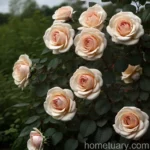
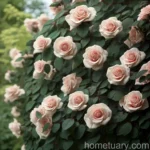
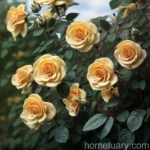
Rosa ‘Gloire de Dijon’ is a renowned climbing rose variety that has enamored gardeners and rose enthusiasts for generations. With its exquisite blooms and captivating fragrance, this rose has found its way into the hearts and gardens of many. Its botanical name, Rosa, underscores its association with the extensive genus of the rose family, while ‘Gloire de Dijon’ pays homage to the city of Dijon, France, where it was first cultivated.
Key Takeaways – Rosa ‘Gloire de Dijon’ (Climbing Rose)
- Scientific Name: Rosa ‘Gloire de Dijon’
- Common Names: Climbing Rose, Gloire de Dijon Rose, Dijon Climbing Rose
- Best Suited For: Gardens, trellises, pergolas
- Characteristics: Fragrant, disease-resistant, climbing habit
Culture
Understanding the cultural requirements of Rosa ‘Gloire de Dijon’ is essential for ensuring its optimal growth and development. Let’s delve into the key cultural aspects that define this captivating climbing rose variety.
Water
Sufficient water is crucial for the well-being of Rosa ‘Gloire de Dijon.’ Adequate watering, especially during dry spells or periods of intense heat, is necessary to maintain its lush foliage and promote healthy flower production. An efficient watering schedule, tailored to the specific environmental conditions, is vital for the plant’s overall vigor and resilience.
Sunlight
As a sun-loving plant, Rosa ‘Gloire de Dijon’ thrives in locations that receive ample sunlight. Providing at least 6-8 hours of direct sunlight each day is ideal for ensuring robust growth and profuse blooming. Moreover, a well-exposed setting allows the plant to fully showcase its stunning blooms and enriches the surrounding landscape with its radiant presence.
Fertilizer
Applying a balanced fertilizer at the appropriate times can significantly enhance the growth and flowering potential of Rosa ‘Gloire de Dijon.’ Selecting a fertilizer specifically formulated for roses or flowering plants is recommended. Moreover, following a fertilization regimen that aligns with the plant’s growth phases and seasonal demands can amplify its overall vitality and floral display.
Soil
The soil composition plays a pivotal role in supporting the health and vigor of Rosa ‘Gloire de Dijon.’ Well-draining, nutrient-rich soil with a slightly acidic to neutral pH is conducive to the plant’s thriving. A loamy soil that retains adequate moisture without becoming waterlogged is highly favorable for sustaining the plant’s root system and overall vitality.
Pruning
Pruning is a fundamental aspect of caring for Rosa ‘Gloire de Dijon.’ Regular pruning promotes healthy growth, controls the plant’s shape and size, and encourages prolific flowering. By removing dead or diseased wood, shaping the plant, and fostering new growth, pruning plays a crucial role in maintaining the plant’s vigor and appearance. It is essential to approach pruning with precision and care to achieve the desired results without compromising the plant’s well-being.
Propagation
Rosa ‘Gloire de Dijon’ can be propagated through various methods, including cuttings and layering. Propagation enables gardeners to multiply the plant and propagate its desirable traits, such as fragrance, color, and disease resistance. Exploring the art of propagation can be a rewarding endeavor, allowing for the expansion of the plant’s presence in different garden settings while preserving its inherent characteristics.
Container Popularity
The allure of Rosa ‘Gloire de Dijon’ extends to container gardening, where its climbing habit and captivating blooms can adorn patios, balconies, and outdoor spaces with grace and charm. Embracing this rose variety in containers offers a versatile and ornamental approach to incorporating its beauty within smaller or restricted areas, enriching the ambiance with its timeless elegance and fragrance.
Uses
Rosa ‘Gloire de Dijon’ is revered for its multifaceted uses, ranging from ornamental purposes to its historical significance and cultural symbolism. Let’s explore the diverse uses and significance of this captivating climbing rose variety.
Ornamental Beauty
The ornamental appeal of Rosa ‘Gloire de Dijon’ transcends generations, captivating admirers with its resplendent blooms and enchanting fragrance. Its graceful climbing habit and profusion of flowers make it a prized addition to gardens, landscapes, and a myriad of outdoor settings. Whether adorning trellises, arbors, or pergolas or meandering through garden spaces, this climbing rose exudes timeless charm and allure.
Historical Significance
Rosa ‘Gloire de Dijon’ bears historical significance, tracing its origins to the city of Dijon, France, where it was first cultivated. Its lineage and heritage tie into the rich tapestry of rose cultivation and the enduring legacy of botanical exploration and horticultural pursuits. Embracing this rose variety evokes a connection to the past while perpetuating its living legacy in contemporary garden settings.
Cultural Symbolism
Roses, including the Rosa ‘Gloire de Dijon,’ hold profound cultural symbolism, representing love, beauty, and diverse emotions across different cultures and traditions. The captivating blooms of this climbing rose variety symbolize enduring love, elegance, and grace, endowing it with a profound significance in various societal contexts and ceremonial expressions.
Common Diseases
Understanding the potential diseases that may afflict Rosa ‘Gloire de Dijon’ is crucial for preemptive management and safeguarding the plant’s health. Recognizing common diseases and their distinctive symptoms is essential for implementing targeted interventions and mitigating the impact of infections.
Disease Diagnosis
Diagnosing diseases that affect Rosa ‘Gloire de Dijon’ involves careful observation of symptoms such as leaf discoloration, wilting, and abnormal growth patterns. Common fungal diseases such as powdery mildew, black spot, and rust can manifest on the plant, necessitating prompt identification and intervention. Alongside fungal pathogens, viral diseases and bacterial infections can also pose challenges to the plant’s well-being, warranting astute diagnosis and management strategies.
Common Pests
Pests can pose a threat to the health and vitality of Rosa ‘Gloire de Dijon.’ Being vigilant and proactive in pest management is essential for mitigating potential damage and preserving the plant’s splendor. Familiarizing oneself with common pests and their characteristic behaviors enables effective pest control and targeted interventions when necessary.
Botanist’s Tips
As a plant scientist, I offer the following tips to enrich the experience of growing and nurturing Rosa ‘Gloire de Dijon’ (Climbing Rose):
- Embrace the Climbing Habit: Leverage the natural climbing tendency of Rosa ‘Gloire de Dijon’ to embellish trellises, arbors, or vertical structures, creating captivating displays and maximizing its ornamental impact.
- Optimal Sunlight Exposure: Ensure that the plant receives adequate sunlight to foster robust growth and profuse blooming, enhancing its overall allure and vitality.
- Disease Vigilance: Regularly inspect the plant for signs of diseases and pests, addressing any issues promptly to safeguard its health and longevity.
- Thoughtful Pruning: Approach pruning with care and precision, mindful of the plant’s growth habits and flowering patterns to achieve an aesthetically pleasing and healthy outcome.
Fun Facts
Uncover the intriguing facets of Rosa ‘Gloire de Dijon’ through these fascinating fun facts:
- Fragrant Elegance: The captivating fragrance of Rosa ‘Gloire de Dijon’ exudes a sweet and alluring aroma, enhancing the ambiance of garden spaces and outdoor settings.
- Historical Elegance: This climbing rose variety traces its roots to the illustrious city of Dijon, France, where it gained acclaim for its timeless beauty and ornamental allure.
- Versatile Climber: With its graceful climbing habit, Rosa ‘Gloire de Dijon’ offers versatility in adorning trellises, pergolas, and other vertical structures with its cascading blooms and foliage.
Links to External Resources
Explore the following links for further insights into Rosa ‘Gloire de Dijon’ (Climbing Rose):
- The Royal Horticultural Society (RHS) – Rosa ‘Gloire de Dijon’
- American Rose Society – Growing Roses
- University of California Integrated Pest Management – Roses: Diseases and Abiotic Disorders
Conclusion
In conclusion, the enthralling beauty and inherent grace of Rosa ‘Gloire de Dijon’ (Climbing Rose) epitomize the captivating allure of this beloved rose variety. By delving into its cultural significance, care requirements, and unique attributes, we have unraveled the intriguing tapestry that defines this enigmatic climbing rose. Embracing the Rosa ‘Gloire de Dijon’ in garden landscapes, trellises, and diverse outdoor settings enriches the natural tapestry with its enchanting blooms and timeless elegance. As a plant scientist, I invite you to explore the wondrous world of Rosa ‘Gloire de Dijon’ and cultivate an enduring admiration for its captivating charm.
References:
– The Royal Horticultural Society (RHS) – Rosa ‘Gloire de Dijon’
– American Rose Society – Growing Roses
– University of California Integrated Pest Management – Roses: Diseases and Abiotic Disorders