Rosa Glauca (Redleaf Rose): A Complete Guide
Rosa glauca, commonly known as Redleaf Rose, is a stunning plant that captures the eye with its vibrant foliage and delicate flowers. This plant is a favorite among gardeners due to its ornamental qualities and ease of care. In this comprehensive guide, we will delve into the various aspects of growing and maintaining Rosa glauca, including its culture, uses, water and sunlight requirements, fertilizer needs, soil preferences, pruning techniques, propagation methods, container gardening, popular varieties, common diseases, pests, and much more.
What is Rosa Glauca (Redleaf Rose)?
Rosa glauca is a deciduous shrub belonging to the Rosaceae family, which is native to central and southern Europe. It is widely cultivated for its striking, glaucous (bluish-green) foliage and attractive pink flowers. The plant typically grows to a height of 5-7 feet and spreads about 4 feet wide, creating a graceful and elegant presence in gardens and landscapes.
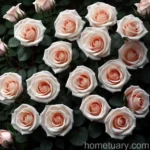
The leaves of Rosa glauca are pinnate with five to seven leaflets, and they exhibit a characteristic red or purple hue, particularly prominent during the spring and fall seasons. The flowers, which appear in late spring to early summer, are single, pink, and have a delicate fragrance, adding to the charm of the plant.
Key Takeaways – Rosa Glauca (Redleaf Rose)
Before diving deeper into the specific aspects of growing and caring for Rosa glauca, let’s take a quick look at the key takeaways of this beautiful plant:
- Cultural Requirements: Rosa glauca is a versatile plant that thrives in various conditions, making it well-suited for different landscapes and gardens.
- Ornamental Foliage: The bluish-green foliage with a reddish-purple tint is a standout feature of this plant, providing visual interest throughout the growing season.
- Attractive Flowers: The pink flowers of Rosa glauca not only add color but also emit a pleasant fragrance, attracting pollinators to the garden.
- Easy Maintenance: With minimal care requirements, this plant is a great choice for both beginner and experienced gardeners.
- Disease Resistance: While susceptible to some common diseases and pests, Rosa glauca generally exhibits good resistance, resulting in fewer problems for the gardener.
Now, let’s delve into the specific aspects of growing and caring for Rosa glauca.
Culture of Rosa Glauca (Redleaf Rose)
Understanding the cultural needs of Rosa glauca is essential to ensure the plant thrives and continues to exhibit its stunning foliage and flowers. From its water and sunlight requirements to soil preferences and fertilization, let’s explore the different facets of caring for this beautiful plant.
Water
Rosa glauca typically prefers well-draining soil and moderate moisture levels. Adequate watering is crucial, particularly during the establishment period and dry spells. However, it’s important to avoid waterlogging the soil, as this can lead to root rot and other issues. Aim to water deeply but infrequently, allowing the soil to partially dry out between watering sessions.
Sunlight
This plant appreciates full sun to partial shade, with at least 6 hours of direct sunlight per day for optimal growth and flowering. While it can tolerate some shade, a sunny location will promote better foliage coloration and more prolific blooming. In regions with hot summers, providing some afternoon shade can prevent the foliage from scorching.
Fertilizer
Rosa glauca generally doesn’t have high fertilizer requirements, especially if planted in nutrient-rich soil. However, a balanced, slow-release fertilizer applied in early spring can provide the necessary nutrients for healthy growth and flowering. Additionally, incorporating organic matter into the soil during planting and top-dressing with compost annually can further support the plant’s nutritional needs.
Soil
The soil preference of Rosa glauca leans towards well-draining, loamy or sandy soil with a slightly acidic to neutral pH range. While the plant can tolerate a range of soil types, it’s essential to ensure good drainage to prevent waterlogging, which can be detrimental to the plant’s health.
Pruning Rosa Glauca (Redleaf Rose)
Proper pruning is essential for maintaining the health, shape, and flowering potential of Rosa glauca. The following are key pruning considerations for this plant:
- Deadheading: Removing spent blooms can promote additional flowering and prevent the plant from allocating energy to seed production.
- Thinning: Periodically thinning out old or weak stems can improve air circulation and light penetration, reducing the risk of diseases and promoting healthy growth.
- Shaping: Light annual pruning can help maintain a tidy and well-shaped appearance, ensuring the plant remains aesthetically pleasing in the landscape.
Pruning Techniques for Rosa Glauca
When it comes to pruning, it’s important to keep in mind that Rosa glauca blooms on old wood, meaning that pruning should be carried out strategically to avoid cutting off potential flowering stems. Here are some specific pruning techniques for this plant:
- Timing: The best time to prune Rosa glauca is in late winter to early spring before new growth begins. This allows the plant to recover from pruning and set new buds for the upcoming blooming season.
- Selective Pruning: Focus on removing dead, damaged, or crossing branches to improve the overall structure of the plant without sacrificing potential blooms.
Propagation of Rosa Glauca
Propagating Rosa glauca can be an exciting venture for gardeners looking to expand their collection of these beautiful plants or share them with friends and family. The following are common propagation methods for Rosa glauca:
- Softwood Cuttings: Propagating from softwood cuttings taken in late spring or early summer can yield successful new plants. These cuttings should be treated with a rooting hormone and placed in a well-draining growing medium until roots develop.
- Hardwood Cuttings: Taking hardwood cuttings in late fall or winter and overwintering them until spring can also result in successful propagation. These cuttings should be kept in a cool, moist environment to encourage root development.
Container Gardening with Rosa Glauca
Rosa glauca can thrive in containers when provided with adequate space, soil, and sunlight. Consider the following tips for successful container gardening with this plant:
- Container Size: Choose a container that provides ample room for the plant’s roots to grow and develop. A larger container can help prevent the plant from becoming root-bound and support its overall health.
- Soil and Drainage: Use a high-quality, well-draining potting mix to ensure proper air circulation and moisture retention. Additionally, ensure that the container has drainage holes to prevent water from accumulating at the bottom.
- Sunlight: Place the container in a location that receives at least 6 hours of direct sunlight daily to promote healthy growth and blooming.
Popular Varieties of Rosa Glauca (Redleaf Rose)
While Rosa glauca is a stunning species in its own right, several cultivars and varieties with unique features and characteristics are worth exploring. Here are some popular varieties of Rosa glauca:
| Variety Name | Key Features |
|---|---|
| Rosa glauca | The classic species with attractive bluish-green foliage and pink flowers, known for its ornamental value in gardens and landscapes. |
| Rosa glauca rubrifolia | A variety featuring deep purple-red leaves, creating a striking contrast with the pink flowers. |
| Rosa glauca ‘Bismarck’ | This variety is admired for its particularly vibrant red foliage, adding a bold and eye-catching element to the landscape. |
These varieties present unique opportunities for gardeners to explore different foliage colors and textures while still enjoying the exceptional beauty of Rosa glauca.
Uses of Rosa Glauca (Redleaf Rose)
Rosa glauca offers a range of uses in both garden settings and beyond. Its ornamental qualities, as well as its ecological and decorative contributions, make it a valuable addition to diverse landscapes. Let’s explore the various uses of this captivating plant:
- Landscape Ornamental: The vibrant foliage and delicate flowers of Rosa glauca make it a popular choice for ornamental plantings in gardens, parks, and public spaces. Its multi-season interest and ease of care contribute to its widespread use in landscape design.
- Wildlife Habitat: The flowers of Rosa glauca attract pollinators such as bees and butterflies, enhancing biodiversity in the garden and supporting local ecosystems. Additionally, the plant can provide shelter and nesting sites for smaller wildlife.
- Hedging and Borders: The arching growth habit and dense foliage of Rosa glauca make it well-suited for creating informal hedges, borders, or natural screens in the landscape. Its hardiness and adaptability further bolster its appeal for these purposes.
- Cut Flowers: The attractive pink flowers of Rosa glauca can be used as cut flowers in floral arrangements, adding a touch of elegance and charm to indoor spaces.
Common Diseases of Rosa Glauca (Redleaf Rose)
While Rosa glauca is generally resilient, it can be susceptible to certain diseases that can impact its overall health and appearance. Understanding these common diseases and their diagnosis is essential for effective management and protection of the plant.
Disease Diagnosis
The following are common diseases that may affect Rosa glauca:
- Powdery Mildew: This fungal disease appears as a powdery white coating on the leaves and stems, often leading to leaf distortion and reduced photosynthetic capacity.
- Black Spot: Characterized by dark, round spots with yellow halos on the foliage, black spot can lead to premature leaf drop and weaken the plant over time.
- Rust: Rust infections manifest as orange to reddish-brown pustules on the undersides of leaves, causing yellowing and eventual defoliation.
Disease Management
To manage these diseases effectively, it’s important to implement cultural and, if necessary, chemical control measures. This may include:
- Pruning: Regular pruning to maintain good airflow and remove infected plant material can help reduce disease pressure.
- Fungicidal Treatments: In severe cases, applying fungicidal sprays according to label instructions can help control the spread of diseases such as powdery mildew and black spot.
- Sanitation: Properly disposing of fallen leaves and debris can minimize the presence of disease spores and prevent reinfection in subsequent seasons.
Common Pests of Rosa Glauca (Redleaf Rose)
In addition to diseases, Rosa glauca can be targeted by certain pests that may affect its growth and overall vigor. Recognizing these common pests and understanding their management is crucial for maintaining the health of the plant.
Common Pests
The following are common pests that may affect Rosa glauca:
- Aphids: These small, soft-bodied insects can cluster on new growth and flower buds, causing distortion and stunting of plant parts.
- Japanese Beetles: Adult Japanese beetles feed on plant foliage and flowers, leaving behind skeletonized leaves and causing aesthetic damage.
- Spider Mites: These tiny arachnids can cause stippling and discoloration of the foliage, especially under hot and dry conditions.
Pest Management
Effective pest management strategies for Rosa glauca may include:
- Natural Predators: Encouraging natural predators such as ladybugs and lacewings can help keep aphid populations in check.
- Handpicking: Handpicking and disposing of Japanese beetles can provide immediate relief from their feeding damage, particularly in small gardens.
- Horticultural Oils: Applying horticultural oils can help manage spider mite infestations by suffocating the pests and disrupting their life cycle.
Botanist’s Tips for Growing Rosa Glauca (Redleaf Rose)
As a plant scientist with a passion for Rosa glauca, I’ve compiled a list of valuable tips and recommendations for growing and caring for this plant:
- Understanding Soil Conditions: Pay close attention to soil drainage and structure, as well-draining soil is key to preventing root rot and other moisture-related issues.
- Pruning with Precision: When pruning Rosa glauca, aim for selective and precise cuts while avoiding excessive removal of old wood that can impact flowering.
- Integrated Pest Management: Embrace a holistic approach to pest management, incorporating natural controls and environmentally friendly methods to minimize pesticide use.
Fun Facts about Rosa Glauca (Redleaf Rose)
Did you know these fascinating tidbits about Rosa glauca?
- The species name “glauca” is derived from the Latin word “glaucus,” meaning “bluish-gray,” reflecting the distinctive coloration of the plant’s foliage.
- In addition to its ornamental value, Rosa glauca has been traditionally used in herbal medicine for its astringent and tonic properties.
Links to External Resources
For further exploration of Rosa glauca and related topics, check out the following resources:
- The Royal Horticultural Society – Rosa Glauca
- Missouri Botanical Garden – Redleaf Rose
- University of Vermont Department of Plant and Soil Science – Red-Leaved Rose
In Conclusion
Rosa glauca, or Redleaf Rose, is a captivating plant that offers a wealth of ornamental, ecological, and horticultural benefits. With its striking foliage, delicate flowers, and versatile nature, it has secured a place in the hearts of gardeners and enthusiasts worldwide. By understanding and implementing the key considerations discussed in this guide, you can cultivate and appreciate the beauty of Rosa glauca while contributing to the vibrant tapestry of plant life in your garden and landscape.
Remember to embrace the rewarding journey of tending to and learning from this remarkable plant, and may the splendor of Rosa glauca continue to inspire and enrich your gardening endeavors.