Plant Scientist’s Guide to Rosa ‘Fruhlingsgold’ (Shrub Rose)
Welcome to this comprehensive guide on all things Rosa ‘Fruhlingsgold’, a beautiful and versatile shrub rose. As a plant scientist, I am excited to share with you the key aspects of caring for and cultivating this stunning plant. In this guide, we will explore the culture, uses, care requirements, common pests, diseases, and much more related to Rosa ‘Fruhlingsgold’.
What is Rosa ‘Fruhlingsgold’?
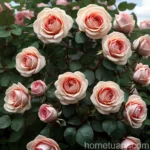
Rosa ‘Fruhlingsgold’, commonly known as Shrub Rose, is a popular garden plant known for its golden-yellow blooms and delightful fragrance. This rose variety is a favorite among gardeners for its resilience, low maintenance, and versatility in various landscape settings. Originating from Germany, Rosa ‘Fruhlingsgold’ is a hybrid of Rosa foetida and Rosa ‘Persian Yellow’, resulting in a stunning shrub rose that thrives in different climates. Its vibrant yellow flowers and lush foliage make it a captivating addition to any garden or landscape.
Key Takeaways – Rosa ‘Fruhlingsgold’ (Shrub Rose)
Before delving into the specific details of cultivating and caring for Rosa ‘Fruhlingsgold’, let’s explore the key takeaways that will be covered in this guide:
- Culture: Understanding the cultural preferences of Rosa ‘Fruhlingsgold’.
- Uses: Exploring the versatile uses of this shrub rose in gardens and landscapes.
- Water: Learning about the watering requirements for optimal growth.
- Sunlight: Exploring the sunlight needs of Rosa ‘Fruhlingsgold’.
- Fertilizer: Understanding the fertilization needs for healthy blooms and foliage.
- Soil: Examining the soil requirements for cultivating this shrub rose.
- Pruning: Guidelines for proper pruning to promote healthy growth and prolific flowering.
- Propagation: Exploring methods for propagating Rosa ‘Fruhlingsgold’.
- Container Popularity: Insights into growing this shrub rose in containers.
- Common Diseases: Identifying and managing common diseases affecting Rosa ‘Fruhlingsgold’.
- Common Pests: Understanding the pests that may impact the health of this shrub rose.
- Botanist’s Tips: Expert tips and recommendations for successful cultivation.
- Fun Facts: Discovering interesting and fun facts about Rosa ‘Fruhlingsgold’.
Now, let’s journey into the world of Rosa ‘Fruhlingsgold’ and uncover the intricacies of nurturing this captivating shrub rose.
Culture of Rosa ‘Fruhlingsgold’
Understanding the cultural requirements of Rosa ‘Fruhlingsgold’ is essential for ensuring its healthy growth and vibrant blooms. Let’s explore the key cultural considerations for cultivating this beautiful shrub rose.
Water
Rosa ‘Fruhlingsgold’ thrives in well-drained soil and requires regular watering to maintain moisture levels, especially during the growing season. Proper watering is essential for establishing a healthy root system and promoting lush foliage and abundant blooms. Below are the general watering guidelines for Rosa ‘Fruhlingsgold’:
- Regular Watering: Water the shrub deeply and evenly, ensuring that the soil is moist but not waterlogged.
- Avoid Overwatering: Proper drainage is crucial, and waterlogged soil should be avoided to prevent root rot.
- Mulching: Apply a layer of organic mulch around the base of the plant to help retain moisture and suppress weed growth.
Sunlight
Rosa ‘Fruhlingsgold’ thrives in full sunlight and requires at least 6-8 hours of direct sunlight per day. Adequate sunlight is essential for promoting robust growth and abundant flowering. When selecting a planting location for Rosa ‘Fruhlingsgold’, consider the following sunlight-related factors:
- Sun Exposure: Choose a site with ample sunlight exposure, preferably in a location that receives direct sun during the morning and afternoon.
- Shade Tolerance: While Rosa ‘Fruhlingsgold’ prefers full sunlight, it can tolerate partial shade. However, reduced sunlight may impact the quantity and quality of blooms.
Fertilizer
Proper fertilization is integral to the overall health and vigor of Rosa ‘Fruhlingsgold’. The application of balanced fertilizers provides essential nutrients that support vigorous growth, vibrant blooms, and disease resistance. Consider the following fertilizer guidelines for nurturing Rosa ‘Fruhlingsgold’:
- Fertilizer Type: Apply a balanced, slow-release fertilizer formulated for roses and flowering shrubs. A complete fertilizer with a balanced ratio of nitrogen, phosphorus, and potassium is beneficial.
- Fertilizer Schedule: Feed Rosa ‘Fruhlingsgold’ in early spring as new growth emerges and again in late spring or early summer to support continuous flowering.
- Avoid Overfeeding: Follow the recommended application rates to prevent fertilizer burn and excessive vegetative growth at the expense of flowering.
Soil
The soil composition significantly influences the growth and development of Rosa ‘Fruhlingsgold’. Well-drained, fertile soil with good organic content creates an optimal growing environment for this shrub rose. Consider the following soil-related factors when cultivating Rosa ‘Fruhlingsgold’:
- Soil pH: Rosa ‘Fruhlingsgold’ thrives in slightly acidic to neutral soil with a pH range of 6.0-7.0. Conduct a soil test to determine the pH and make necessary amendments if the soil is too acidic or alkaline.
- Soil Composition: Optimal soil should be well-drained and rich in organic matter. Amending the soil with compost can improve its structure and fertility, supporting healthy root development.
Uses of Rosa ‘Fruhlingsgold’
Rosa ‘Fruhlingsgold’ offers versatile uses in various garden and landscape settings, adding beauty, fragrance, and ecological benefits. Let’s explore the multiple uses of this captivating shrub rose:
- Garden Beds and Borders: Rosa ‘Fruhlingsgold’ serves as an exquisite focal point in garden beds and borders, creating stunning displays with its golden-yellow blooms and lush foliage.
- Landscape Plantings: Incorporate Rosa ‘Fruhlingsgold’ into landscape designs to enhance the visual appeal of residential and commercial properties. This shrub rose contributes to charming and vibrant outdoor spaces.
- Cut Flowers: The fragrant and abundant blooms of Rosa ‘Fruhlingsgold’ make it an ideal choice for cut flower arrangements, adding a touch of elegance and fragrance to indoor spaces.
- Pollinator Gardens: As a nectar-rich plant, Rosa ‘Fruhlingsgold’ attracts pollinators such as bees and butterflies, contributing to the biodiversity of garden ecosystems.
- Container Gardening: Cultivate Rosa ‘Fruhlingsgold’ in containers and decorative pots to bring the beauty of this shrub rose to patios, balconies, and other confined spaces.
Pruning Rosa ‘Fruhlingsgold’
Proper pruning is essential for maintaining the health, shape, and flowering capacity of Rosa ‘Fruhlingsgold’. By employing suitable pruning techniques, gardeners can promote vigorous growth, abundant blooms, and overall plant vigor. Here are the essential guidelines for pruning this shrub rose:
- Timing: Prune Rosa ‘Fruhlingsgold’ in late winter or early spring before new growth emerges. This timing allows for the removal of dead or damaged wood and shaping the plant for the upcoming growing season.
- Deadheading: Regular deadheading, the removal of spent blooms, encourages the production of new flowers and prolongs the blooming period.
- Pruning Techniques: Use clean, sharp pruning shears to make precise cuts. Remove any dead, diseased, or crossing branches to improve air circulation and overall plant health.
- Size Control: Adjust the height and spread of Rosa ‘Fruhlingsgold’ as desired by selectively pruning and shaping the plant. Pruning also helps maintain a neat and compact growth habit.
- Caution: Take care to wear gloves and protective clothing when handling rose plants to avoid thorns and potential skin irritation.
Propagation of Rosa ‘Fruhlingsgold’
Propagating Rosa ‘Fruhlingsgold’ allows gardeners to expand their rose collection and share the beauty of this shrub rose with others. Several methods can be employed to propagate Rosa ‘Fruhlingsgold’, including:
- Cuttings: Propagate Rosa ‘Fruhlingsgold’ from semi-hardwood or hardwood cuttings taken during the growing season. Dip the cut ends in rooting hormone and plant them in a well-draining propagation medium.
- Layering: Encourage the development of roots on a lower stem by burying it in the soil while still attached to the parent plant. Once roots form, the new plant can be separated and transplanted.
- Division: Divide mature Rosa ‘Fruhlingsgold’ plants to create new individuals. Carefully separate the root mass and replant the divisions in suitable locations.
Propagation allows for the expansion of Rosa ‘Fruhlingsgold’ within the garden or sharing this beautiful shrub rose with fellow enthusiasts.
Container Popularity of Rosa ‘Fruhlingsgold’
Growing Rosa ‘Fruhlingsgold’ in containers offers a convenient and versatile way to enjoy the beauty of this shrub rose in various outdoor spaces. Whether on balconies, patios, or terraces, the golden blooms and fragrant foliage of Rosa ‘Fruhlingsgold’ can grace container gardens with their charm. Consider the following tips for successfully growing this shrub rose in containers:
- Container Selection: Choose a sizable container with adequate drainage holes to accommodate the root system of Rosa ‘Fruhlingsgold’. Select a container made of durable material that complements the aesthetic appeal of the plant.
- Potting Mix: Use a well-draining potting mix formulated for roses or flowering shrubs. A mix that retains moisture while allowing excess water to drain is ideal for container-grown roses.
- Watering: Container-grown Rosa ‘Fruhlingsgold’ may require more frequent watering, especially during hot and dry periods. Monitor the moisture levels and water the plant as needed to prevent the soil from drying out.
- Sunlight: Position the container in a location that receives ample sunlight, ensuring that Rosa ‘Fruhlingsgold’ receives the necessary light for robust growth and blooming.
- Fertilization: Apply a balanced, slow-release fertilizer according to the recommended schedule to provide essential nutrients for healthy growth and abundant blooms.
The container popularity of Rosa ‘Fruhlingsgold’ allows gardeners to adorn their outdoor living spaces with the beauty of this stunning shrub rose.
Common Diseases of Rosa ‘Fruhlingsgold’
Like all plants, Rosa ‘Fruhlingsgold’ is susceptible to certain diseases that may impact its health and vigor. Identifying and managing common diseases is crucial for maintaining the beauty and vitality of this shrub rose. Here are some of the common diseases that can affect Rosa ‘Fruhlingsgold’:
Black Spot (Diplocarpon rosae)
Black spot is a fungal disease that manifests as dark, round or irregular spots on the leaves of roses. It thrives in humid conditions and can lead to defoliation and reduced plant vigor if left untreated.
Symptoms:
– Dark spots on leaves
– Yellowing and premature dropping of affected leaves
– Defoliation in severe cases
Management:
– Prune and destroy infected leaves to reduce disease pressure
– Apply fungicidal sprays labeled for black spot control, following the manufacturer’s instructions
– Ensure proper air circulation and avoid overhead watering to reduce humidity around the plant
Powdery Mildew (Podosphaera pannosa)
Powdery mildew presents as a white, powdery growth on the leaves and stems of roses, hindering their growth and detracting from their visual appeal. It thrives in warm, dry conditions and can spread rapidly if not addressed.
Symptoms:
– White, powdery patches on leaves and stems
– Distorted or stunted growth
– Premature leaf drop
Management:
– Remove and dispose of infected plant material to prevent the spread of the disease
– Apply fungicidal sprays labeled for powdery mildew control, ensuring thorough coverage of the plant
– Maintain proper spacing between plants to encourage air circulation and reduce humidity
Botrytis Blight (Botrytis cinerea)
Botrytis blight, also known as gray mold, is a fungal disease that affects the flowers and buds of roses. It manifests as a fuzzy gray mold and can lead to flower and bud damage, impacting the aesthetic appeal of the plant.
Symptoms:
– Fuzzy gray mold on flowers and buds
– Rotting and browning of affected plant parts
– Reduced flower quality and aesthetic appeal
Management:
– Remove and discard affected flowers and buds to prevent the spread of the disease
– Ensure proper air circulation and avoid overhead watering to reduce humidity and moisture around the plant
– Apply fungicidal sprays labeled for botrytis blight control, following the manufacturer’s recommendations
Rose Rosette Disease (Rose Rosette Virus)
Rose rosette disease is a viral disease transmitted by eriophyid mites, causing abnormal growth and distortion of rose plants. Infected plants exhibit excessive thorniness, distorted foliage, and stunted growth, ultimately leading to their decline.
Symptoms:
– Excessive thorniness
– Distorted and discolored foliage
– Rapid vegetative growth and proliferation of stems
Management:
– Promptly remove and destroy infected plants to prevent the spread of the disease
– Implement mite control measures to reduce the risk of transmission
– Consider planting disease-resistant rose cultivars to minimize the impact of rose rosette disease
Disease Diagnosis
When diagnosing and managing diseases affecting Rosa ‘Fruhlingsgold’, it is essential to accurately identify the specific disease symptoms and employ suitable management strategies. Proper disease diagnosis facilitates the effective treatment and prevention of recurring issues, ensuring the long-term health and vitality of this shrub rose.
Common Pests Affecting Rosa ‘Fruhlingsgold’
In addition to diseases, Rosa ‘Fruhlingsgold’ may also face challenges from various pests that can affect its overall health and vigor. Understanding and managing common pests is essential for preserving the beauty and vitality of this shrub rose. Let’s explore some of the common pests that may impact Rosa ‘Fruhlingsgold’:
Aphids
Aphids are small, soft-bodied insects that feed on the sap of roses, often clustering on new shoots and flower buds. Their feeding can cause distortion of new growth and the development of sticky honeydew, leading to sooty mold.
Symptoms:
– Clusters of small, soft-bodied insects on new growth
– Distorted or curled leaves
– Presence of sticky honeydew on plant surfaces
Management:
– Rinse aphids off the plant with a strong stream of water
– Introduce natural predators such as ladybugs or lacewings to help control aphid populations
– Apply insecticidal soap or horticultural oil to target and manage aphids, following the product instructions
Spider Mites
Spider mites are tiny arachnids that feed on the underside of rose leaves, causing stippling, discoloration, and webbing. These pests thrive in hot, dry conditions and can rapidly infest rose plants if left unchecked.
Symptoms:
– Fine webbing on the underside of leaves
– Stippling or discoloration of leaves
– Reduced plant vigor and growth
Management:
– Increase humidity through regular misting to discourage spider mite activity
– Apply insecticidal soap or horticultural oil to target and manage spider mites, ensuring thorough coverage of the plant
– Remove and destroy heavily infested plant material to prevent the spread of spider mites
Rose Chafers
Rose chafers are voracious defoliating insects that feed on rose foliage, skeletonizing the leaves and causing significant damage if present in large numbers. Their feeding activity can diminish the aesthetic appeal and overall health of rose plants.
Symptoms:
– Skeletonized or partially eaten leaves
– Presence of adult beetles on the foliage, especially during the day
– Defoliation and reduced plant vigor
Management:
– Handpick adult beetles from the plants and dispose of them
– Apply insecticidal sprays labeled for controlling rose chafers, ensuring coverage of the affected foliage
– Consider using physical barriers or row covers to protect the plants from adult beetles
Thrips
Thrips are tiny, slender insects that feed on rose flowers and foliage, causing silvery stippling, distorted growth, and reduced flower quality. Their feeding can affect the overall aesthetic appeal and market value of roses.
Symptoms:
– Silver or bronze stippling on petals and leaves
– Distorted or discolored growth, especially in flower buds
– Reduced flower quality and aesthetic appeal
Management:
– Implement cultural control measures such as removing and destroying infested flowers to reduce thrips populations
– Apply insecticidal sprays labeled for thrips control, ensuring thorough coverage of the affected plant parts
– Encourage natural predators such as minute pirate bugs and predatory mites to help manage thrips populations
Pest Control for Rosa ‘Fruhlingsgold’
When addressing pest issues affecting Rosa ‘Fruhlingsgold’, it is essential to employ an integrated pest management (IPM) approach that combines cultural, biological, and chemical control measures. By implementing proactive pest management strategies, gardeners can safeguard the health and beauty of this shrub rose while minimizing the impact of pests.
Botanist’s Tips for Cultivating Rosa ‘Fruhlingsgold’
As a plant scientist specializing in roses and ornamental plants, I share the following expert tips and recommendations for successfully cultivating and caring for Rosa ‘Fruhlingsgold’:
- Site Selection: Choose a planting site with well-drained soil, full sunlight, and adequate air circulation to promote the healthy growth and flowering of Rosa ‘Fruhlingsgold’.
- Soil Preparation: Amend the soil with organic matter such as compost to improve its fertility, structure, and water retention capabilities.
- Watering Practices: Establish a consistent watering schedule, ensuring that the soil remains evenly moist but not waterlogged. Water deeply to encourage robust root development.
- Mulching: Apply a layer of organic mulch around the base of the plant to conserve moisture, suppress weeds, and moderate soil temperature.
- Pruning Techniques: Employ proper pruning techniques to remove dead or damaged wood, shape the plant, and promote prolific flowering. Regular deadheading enhances the overall appearance and longevity of the blooms.
- Fertilization: Apply a balanced, slow-release fertilizer at the beginning of the growing season and again in late spring or early summer to provide essential nutrients for vigorous growth and flowering.
- Disease and Pest Monitoring: Routinely monitor Rosa ‘Fruhlingsgold’ for signs of diseases and pests, promptly addressing any issues to prevent their escalation.
- Companion Planting: Consider companion planting with insect-repellent and beneficial plants to support a healthy garden ecosystem and mitigate pest issues.
- Winter Care: Protect Rosa ‘Fruhlingsgold’ from harsh winter conditions by providing adequate insulation and mulching around the base of the plant.
- Regular Maintenance: Regularly inspect and maintain Rosa ‘Fruhlingsgold’, addressing any cultural, nutritional, or pest