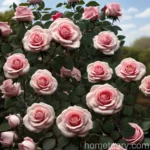
Plant Scientist Insights: Rosa ‘Don Juan’ (Climbing Rose)
As a plant scientist, I am passionate about understanding the intricate details of various plant species and their specific needs for optimal growth. In this article, we will explore the captivating and enchanting world of Rosa ‘Don Juan’, a climbing rose that has captivated the hearts of gardeners and plant enthusiasts worldwide. We will delve into its culture, uses, care needs, diseases, pests, and much more. So, let’s embark on this fascinating journey to uncover the secrets of Rosa ‘Don Juan’ and unlock the key insights for cultivating and enjoying this stunning climbing rose.
What is Rosa ‘Don Juan’ (Climbing Rose)?
Rosa ‘Don Juan’, a member of the climbing rose species, is a captivating and vigorous climbing rose variety that belongs to the Rosaceae family. This exquisite hybrid rose cultivar is renowned for its striking, velvety red blooms, which exude a delightful fragrance, adding a touch of elegance and charm to any garden or landscape. With its vigorous growth habit and magnificent blooms, Rosa ‘Don Juan’ is a popular choice for adorning trellises, fences, walls, and pergolas, creating a breathtaking display of color and fragrance.
Key Takeaways – Rosa ‘Don Juan’ (Climbing Rose)
Let’s begin by exploring the key takeaways that encapsulate the essence of cultivating Rosa ‘Don Juan’ and the vital aspects of its care and cultivation.
Culture
- Long history and rich cultural significance associated with roses in various civilizations.
- Rosa ‘Don Juan’ holds symbolic value and is often associated with love, beauty, and passion.
- Cultivation of climbing roses traces back to ancient times, with modern cultivars like Rosa ‘Don Juan’ representing a culmination of selective breeding and genetic enhancement.
Uses
- Ornamental purposes: beautifying gardens, landscapes, and outdoor spaces with vibrant and fragrant blooms.
- Landscaping: enhancing vertical elements such as fences, walls, trellises, and archways.
- Creating focal points: leveraging the captivating beauty and growth habit of climbing roses to create stunning focal points within the garden.
Water
- Adequate and consistent watering is crucial, especially during the growing season and periods of drought.
- Balancing the need for moisture with proper drainage to prevent waterlogging and root suffocation.
- Mulching to conserve soil moisture and regulate temperature fluctuations.
Sunlight
- Thrives in full sun conditions, requiring at least 6-8 hours of direct sunlight for optimal growth and blooming.
- Site selection ensuring exposure to ample sunlight, especially in climates with milder temperatures.
Fertilizer
- Balanced and periodic fertilization to promote healthy growth and abundant flowering.
- Incorporating organic matter and specialized rose fertilizers to meet the specific nutritional requirements of Rosa ‘Don Juan’.
- Avoiding excessive nitrogen to prevent lush foliage at the expense of flowering.
Soil
- Well-draining, fertile, and loamy soil with a slightly acidic to neutral pH range.
- Amending soil with compost and organic matter to enhance soil structure and fertility.
- Ensuring proper aeration and avoiding compacted or waterlogged soil conditions.
Pruning
- Regular pruning to maintain shape, promote new growth, and eliminate diseased or damaged branches.
- Timing of pruning to coincide with the dormant season and before the onset of new growth in spring.
- Pruning techniques tailored to the growth habit of climbing roses, emphasizing the training of canes and controlling size.
Propagation
- Propagation through stem cuttings, layering, and grafting techniques.
- Selecting healthy and disease-free plant material for propagation.
- Providing optimal conditions for root development and establishment of new plants.
Container
- Suitable for container gardening, requiring large and sturdy containers to accommodate its vigorous growth and expansive root system.
- Adequate drainage and regular monitoring of soil moisture in container-grown Rosa ‘Don Juan’.
- Pruning and training to manage the growth within the container and prevent overcrowding.
In the subsequent sections, we will delve deeper into the various facets of caring for Rosa ‘Don Juan’, including disease management, pest control, and valuable tips from expert botanists. Additionally, we will uncover fascinating fun facts and provide links to external resources for further exploration.
Cultivating Rosa ‘Don Juan’: A Closer Look
Popular Varieties and Cultivars
Rosa ‘Don Juan’ stands out as a distinguished cultivar within the realm of climbing roses, renowned for its exquisite blooms and robust growth habit. However, it is important to note that there are several other captivating climbing rose varieties that gardeners and enthusiasts may consider for their landscapes and gardens. A few noteworthy climbing rose varieties include:
‘New Dawn’
- Delicate pink blooms with a soft fragrance.
- Vigorous climber suitable for various structures in the garden.
- Continual blooming throughout the growing season.
‘Cecile Brunner’
- Clusters of small, pale pink blooms with a sweet fragrance.
- Adaptable to training as a climber or a compact shrub rose.
- Ideal for enhancing arbors, fences, and trellises.
‘Joseph’s Coat’
- Multicolored blooms transitioning from yellow to apricot and finally to fiery red.
- Striking visual impact and vigorous growth.
- Exceptional for adding vibrant color to the garden.
Ideal Conditions for Climbing Roses
Rosa ‘Don Juan’ and other climbing rose varieties thrive under specific environmental and cultural conditions that cater to their growth, blooming, and overall vitality. Understanding and providing these ideal conditions can significantly contribute to the success of cultivating climbing roses. Some of these ideal conditions include:
-
Sunlight Needs: Full sun exposure with a minimum of 6-8 hours of direct sunlight daily. Sites with southern or western exposure are favorable for maximizing sunlight exposure, especially in regions with cooler climates.
-
Soil Requirements: Well-draining, fertile soil with a slightly acidic to neutral pH range (pH 6.0-7.0). Amending the soil with organic matter, such as compost or well-rotted manure, enhances soil fertility and structure.
-
Watering Requirements: Adequate and consistent moisture during the growing season, with a focus on maintaining even soil moisture without waterlogging. Deep watering to promote healthy root development and reduce surface evaporation.
-
Fertilization: Regular application of balanced fertilizers formulated specifically for roses, with an emphasis on phosphorus to support blooming. Organic amendments and slow-release fertilizers aid in providing sustained nutrients.
-
Pruning Techniques: Timely and appropriate pruning to manage the growth of climbing roses, stimulate new growth, and maintain a balanced form. Pruning also aids in the removal of dead or diseased wood to promote overall plant health.
-
Support Structures: Selection of suitable trellises, arbors, fences, or walls for providing robust support to the climbing roses. Ensuring stability and durability of the support structures to accommodate the vigorous growth and weight of mature plants.
-
Climate and Weather Conditions: Consideration of the local climate and weather patterns, including cold hardiness, frost tolerance, and heat resistance, to ensure the suitability of the site for cultivating climbing roses.
By aligning the cultivation practices with these ideal conditions, gardeners can create a conducive environment for the flourishing of Rosa ‘Don Juan’ and other climbing rose varieties, resulting in stunning displays of blooms and lush foliage.
Managing Pests on Rosa ‘Don Juan’
Despite their enchanting beauty and vigor, climbing roses, including Rosa ‘Don Juan’, are susceptible to various pests that can compromise their health and aesthetic appeal. Pests such as aphids, spider mites, rose chafers, and Japanese beetles may pose significant challenges to the well-being of climbing roses if left unchecked. However, an integrated approach to pest management can effectively minimize pest infestations and mitigate their impact on the plants.
Common Pests
- Aphids: Small, soft-bodied insects that congregate on tender new growth and flower buds, extracting sap and causing distortion of plant tissues.
- Spider Mites: Minute arachnids that infest the undersides of leaves, feeding on plant sap and causing stippled discoloration and webbing.
- Rose Chafers: Beetles with voracious appetites for rose petals and foliage, often causing extensive damage to blooms and leaves.
- Japanese Beetles: Destructive pests that skeletonize leaves and devour flowers, often congregating in large numbers and causing severe defoliation.
Pest Control Strategies
- Cultural Practices: Regular monitoring, sanitation, and maintenance of a healthy garden environment to minimize pest habitat and breeding sites.
- Natural Predators: Encouraging the presence of beneficial insects, such as ladybugs and lacewings, which prey on aphids and mites, contributing to natural pest control.
- Horticultural Oils and Soaps: Application of insecticidal oils and soaps to suffocate and disrupt the life cycles of pests while minimizing impacts on beneficial organisms.
- Selective Pesticides: Targeted use of pesticides with low toxicity and minimal impact on non-target organisms, following guidelines for safe and responsible application.
By integrating these pest management strategies, gardeners can safeguard the health and vitality of Rosa ‘Don Juan’ and effectively combat pest infestations while maintaining ecological balance within the garden ecosystem.
Disease Resistance and Management
Diseases can pose significant threats to the well-being and longevity of climbing roses, making disease resistance and proactive management crucial aspects of their cultivation. Rosa ‘Don Juan’ exhibits varying degrees of resistance to common rose diseases, including black spot, powdery mildew, and botrytis blight. However, vigilance and appropriate cultural practices can contribute to minimizing disease incidence and severity.
Common Diseases
- Black Spot: Fungal disease causing dark, circular spots on foliage, leading to defoliation and weakening of the plant.
- Powdery Mildew: White, powdery growth on leaves and stems, hindering photosynthesis and overall plant vigor.
- Botrytis Blight: Gray mold that affects flowers and foliage, often exacerbated by high humidity and dense plantings.
Disease Prevention and Control
- Cultural Practices: Pruning for air circulation, adequate spacing, and removal of infected plant material to reduce disease pressure.
- Resistant Varieties: Selecting disease-resistant climbing rose cultivars, such as Rosa ‘Don Juan’, with known resistance to specific diseases prevalent in the region.
- Fungicidal Treatments: Application of fungicides as preventive measures during periods conducive to disease development, following label instructions and guidelines for safe usage.
Implementing a comprehensive approach that integrates cultural practices, disease-resistant cultivars, and targeted treatments enables gardeners to effectively manage and minimize the impact of diseases on Rosa ‘Don Juan’ and sustain the health and vibrancy of these exquisite climbing roses.
Botanist’s Tips for Successful Cultivation
Drawing upon the wisdom and expertise of botanists and horticulturists, we uncover valuable tips and recommendations for successfully cultivating Rosa ‘Don Juan’ and harnessing its beauty within garden settings. These insights, borne from years of experience and research, offer practical guidance for maximizing the potential of climbing roses and nurturing their growth to achieve spectacular results.
Training Techniques
- Employing appropriate training techniques to guide the growth of climbing roses along trellises, fences, and other support structures.
- Utilizing ties and wires to secure the canes and direct their growth in desired directions, creating visually pleasing and structured displays.
Pruning Practices
- Precision pruning to remove dead or diseased wood, encourage new growth, and maintain an open framework for optimal air circulation.
- Understanding the growth habits of climbing roses and tailoring pruning techniques to promote vigorous flowering and healthy foliage.
Soil Enrichment
- Amending the soil with organic matter, compost, and well-balanced fertilizers to enhance soil fertility and provide essential nutrients for robust growth and blooming.
Disease Monitoring
- Regular inspection and monitoring for signs of diseases such as black spot, powdery mildew, and botrytis blight, enabling early intervention and management.
Water Management
- Consistent and adequate watering, especially during periods of drought and in the absence of natural rainfall, to sustain healthy growth and flowering.
Support Selection
- Choosing durable and aesthetically pleasing support structures that align with the architectural and design elements of the garden, harmonizing with the climbing roses.
Pruning Timing
- Adhering to the appropriate timing for pruning, primarily during the dormant season and preceding the onset of new growth in spring, to avoid interfering with flowering.
By incorporating these expert insights and tailoring cultivation practices to accommodate the specific needs of Rosa ‘Don Juan’, gardeners can nurture thriving and resplendent climbing roses that enrich their outdoor spaces with beauty and allure.
Fun Facts about Rosa ‘Don Juan’
Embark on an intriguing exploration of captivating fun facts that shed light on the enchanting attributes and historical significance of Rosa ‘Don Juan’. Delve into the fascinating world of climbing roses and unearth the unique facets that make Rosa ‘Don Juan’ a treasured addition to gardens and landscapes.
-
Fragrant Blooms: The velvety red blooms of Rosa ‘Don Juan’ exude an enchanting fragrance, captivating the senses and infusing the garden with a delightful aroma, reminiscent of romance and elegance.
-
Vigorous Growth: As a climbing rose, Rosa ‘Don Juan’ displays a remarkable vigor, scaling trellises and structures with an exuberant growth habit, creating a visual spectacle of abundant blooms.
-
Cultural Symbolism: Roses, including Rosa ‘Don Juan’, have been revered across cultures and civilizations as symbols of love, passion, and beauty, weaving their way into folklore, literature, and art.
-
Historical Significance: The cultivation of climbing roses traces back to ancient civilizations, with references to their ornamental and symbolic value found in historical documentation and artwork.
-
Modern Adaptability: Hybrid rose cultivars, such as Rosa ‘Don Juan’, represent the culmination of centuries of selective breeding and genetic enhancement, yielding adaptable and resilient varieties.
-
Botanical Diversity: Climbing roses exhibit a diverse array of colors, dimensions, and fragrances, showcasing the botanical richness and allure within the realm of roses.
-
Versatile Uses: From elegantly adorning fences and archways to serving as striking focal points in gardens, climbing roses offer versatile applications that enrich outdoor spaces.
Links to External Resources
Expand your knowledge and delve deeper into the world of climbing roses, rose cultivation, and horticultural practices through these valuable external resources:
- American Rose Society: Climbing Roses for Landscaping
- Royal Horticultural Society: Growing Roses – Advice and Inspiration
- University of California Agriculture and Natural Resources: Selecting, Planting, and Caring for Roses
- Missouri Botanical Garden: Rosa ‘Don Juan’ Plant Information
- Fine Gardening: Climbing Roses – Tips and Techniques
Explore these resources to gain valuable insights, practical tips, and in-depth knowledge about cultivating climbing roses, including Rosa ‘Don Juan’, and elevate your expertise in the realm of rose horticulture.
In conclusion, Rosa ‘Don Juan’ stands as an epitome of elegance, beauty, and magnificence within the realm of climbing roses, captivating the hearts and senses of gardening enthusiasts. With its vigorous growth, intoxicating fragrance, and resplendent blooms, Rosa ‘Don Juan’ symbolizes the timeless allure and cultural significance of roses, enriching gardens and landscapes with its breathtaking presence. By embracing the principles and insights shared in this article, gardeners can embark on a rewarding journey of cultivating and cherishing Rosa ‘Don Juan’, weaving enchanting tapestries of color and fragrance within their outdoor spaces. Unleash the splendor of Rosa ‘Don Juan’ and revel in the timeless charm of climbing roses, adorning your garden with enduring beauty and grace.