What is a Plant: Roman Chamomile (Chamaemelum Nobile)
Plants, the living organisms typically possessing roots, stems, and leaves, are essential to life on Earth. They play a crucial role in providing oxygen, food, medicine, and a habitat for countless organisms. Roman Chamomile, scientifically known as Chamaemelum Nobile, is a delightful and useful member of the plant kingdom. In this comprehensive guide, we will delve into the various aspects of Roman Chamomile, including its culture, uses, care requirements, and common diseases and pests. As a plant scientist, I am excited to share my knowledge and expertise to help you understand and appreciate this fascinating plant.
Key Takeaways – Roman Chamomile (Chamaemelum Nobile)
Before we dive into the details, let’s explore the key takeaways associated with Roman Chamomile. This will give you an overview of the diverse uses and benefits of this remarkable plant:
- Roman Chamomile, scientifically known as Chamaemelum Nobile, is a popular herb with extensive cultural and medicinal uses.
- It is valued for its aromatic flowers and is commonly employed in herbal teas, essential oil production, skincare products, and relaxation therapies.
- The plant requires well-drained soil, adequate sunlight, and regular watering to thrive.
- Roman Chamomile is renowned for its soothing and calming properties, making it a sought-after remedy for anxiety, sleep disorders, and headaches.
- The plant is also recognized for its insect-repelling attributes and is often utilized in organic farming and landscaping.
- Understanding the optimal growing conditions and care practices is essential for successfully cultivating Roman Chamomile and enjoying its numerous benefits.
Now, let’s delve into each of these aspects in detail to gain a comprehensive understanding of Roman Chamomile.
Culture
Understanding the cultural requirements of Roman Chamomile is integral to ensuring its successful growth and development. Culture encompasses various environmental factors such as water, sunlight, soil, and fertilizer that significantly influence the plant’s well-being.
Water
Proper watering is crucial for the healthy growth of Roman Chamomile. The plant prefers consistently moist soil, especially during its initial establishment phase. However, it is essential to avoid waterlogging, as excessive moisture can lead to root rot and other detrimental conditions. Once the plant is established, it exhibits some tolerance to drought conditions, but regular watering is still necessary, particularly during prolonged dry periods.
Sunlight
Roman Chamomile thrives in full sun to partial shade. Adequate sunlight is crucial for promoting the plant’s lush foliage and abundant bloom production. When grown in regions with intense heat, providing some afternoon shade can help protect the plant from excessive stress and prevent wilting. In contrast, insufficient sunlight may result in reduced flowering and overall stunted growth.
Soil
The choice of soil is paramount in ensuring the optimal growth of Roman Chamomile. The plant thrives in well-drained, moderately fertile soil with a slightly acidic to neutral pH range. Sandy loam or loamy soils are particularly well-suited for promoting healthy root development and overall plant vigor. It is essential to ensure that the soil does not become waterlogged, as this can lead to various issues such as root rot and fungal diseases.
Fertilizer
Roman Chamomile generally does not require heavy fertilization. In fact, excessive fertilization can lead to an overabundance of foliage at the expense of flowers. A light application of a balanced, all-purpose fertilizer in early spring can provide the necessary nutrients for healthy growth and flowering. Organic fertilizers, such as compost and well-rotted manure, can also be beneficial in improving soil structure and fertility.
Uses
The uses of Roman Chamomile are diverse and encompass a wide range of applications, including culinary, medicinal, aromatic, and decorative purposes. Understanding these uses allows for the appreciation of the plant’s multifaceted nature and the various benefits it offers.
Culinary Uses
Roman Chamomile, with its delicate apple-like fragrance, is occasionally used in culinary preparations, particularly in teas, beverages, and desserts. The flowers can be dried and infused into teas, imparting a subtle, soothing flavor. Additionally, they can be used as an aromatic garnish in salads, fruit dishes, and other culinary creations. While not as widely employed in cooking as its close relative German Chamomile (Matricaria chamomilla), Roman Chamomile’s gentle flavor can lend a unique touch to certain culinary endeavors.
Medicinal Properties
The medicinal properties of Roman Chamomile have been cherished for centuries. The plant is reputed for its calming and soothing effects, making it a popular choice for alleviating anxiety, stress, and insomnia. Its essential oil is utilized in aromatherapy for its relaxation-inducing properties, and it is a common ingredient in skincare products due to its anti-inflammatory and skin-soothing attributes. Furthermore, Roman Chamomile is employed in various traditional herbal remedies aimed at addressing digestive issues, headaches, and minor ailments.
Aromatic Uses
Roman Chamomile is valued for its aromatic flowers, which emit a pleasant, apple-like scent. The dried flowers are often utilized in potpourri, sachets, and aromatic blends, adding a touch of natural fragrance to indoor spaces. Furthermore, the essential oil extracted from the flowers is highly sought after for its therapeutic benefits and its ability to impart a sense of calm and relaxation when diffused or used in topical applications.
Ornamental Value
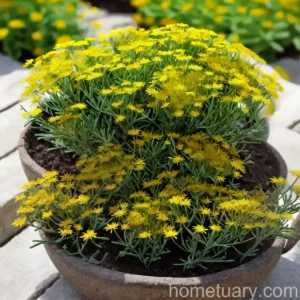
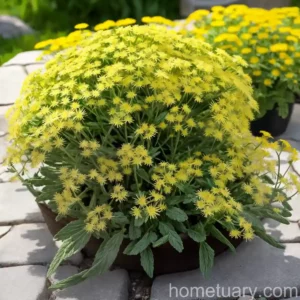
In addition to its practical uses, Roman Chamomile possesses ornamental value, especially in herb gardens and naturalistic landscapes. The plant’s low-growing, finely textured foliage and dainty white flowers create a charming, carpet-like effect when densely planted. This makes it an attractive option for edging pathways, filling in gaps in rock gardens, or as a ground cover in areas where a touch of natural beauty is desired.
Plant Care
Proper care practices are essential for ensuring the health and vitality of Roman Chamomile. From pruning to propagation, understanding the best approaches for plant care is integral to fostering robust growth and maximizing the plant’s potential.
Pruning
Pruning plays a crucial role in maintaining the compact and tidy appearance of Roman Chamomile. Deadheading—removing spent flowers—is particularly important to encourage continuous blooming and prevent the plant from diverting its energy into seed production. Additionally, periodic light shearing can help control the plant’s growth and prevent it from becoming overly leggy. This is especially relevant in instances where the plant is utilized as a ground cover or edging plant.
Propagation
Roman Chamomile can be propagated through both seeds and division. Seeds can be sown directly in the garden or started indoors and then transplanted outside. Division, which involves separating the plant into smaller sections, is another viable method for increasing the plant population. This can be particularly useful for rejuvenating older clumps and establishing new plantings in different areas of the garden or landscape.
Container Cultivation
Roman Chamomile is well-suited for container cultivation, making it an excellent choice for individuals with limited garden space or those seeking to add its charming attributes to patios, balconies, or indoor settings. When grown in containers, the plant requires well-draining potting mix and regular watering to thrive. Additionally, providing adequate sunlight is essential for promoting healthy growth and flowering.
Popularity
Roman Chamomile enjoys widespread popularity due to its diverse uses and appealing characteristics. It is favored by gardeners, herbalists, and enthusiasts of natural remedies and aromatherapy. The plant’s versatility, ease of care, and delightful aroma make it a beloved addition to gardens, landscapes, and wellness-focused environments.
Common Diseases
Roman Chamomile, like all plants, is susceptible to certain diseases that can impact its growth and overall vitality. Understanding these common diseases is essential for implementing preventive measures and effectively managing any issues that may arise.
Disease Diagnosis
Several diseases can affect Roman Chamomile, with the most common being fungal infections such as powdery mildew and damping off. Powdery mildew presents as a white, powdery coating on the leaves and stems, while damping off manifests as the sudden wilting and collapse of seedlings. Proper air circulation, adequate spacing, and vigilant monitoring can help prevent these diseases. Additionally, maintaining proper sanitation and avoiding overhead watering can further reduce the risk of fungal infections.
Common Pests
In addition to diseases, Roman Chamomile can be troubled by certain pests that can compromise its health and aesthetic appeal. Identifying and addressing these pests in a timely manner is crucial for preventing severe infestations and preserving the plant’s well-being.
Pest Identification
Aphids, spider mites, and leafhoppers are among the common pests that can infest Roman Chamomile. Aphids, small sap-sucking insects, can cause leaf distortion and the formation of sticky honeydew on plants. Spider mites, which are minuscule arachnids, feed on plant juices and cause stippling, browning, and webbing on the foliage. Leafhoppers, meanwhile, are known for their jumping movement and can cause stippling and discoloration of leaves. Regular inspection and the use of natural predators and insecticidal soaps can help control these pests.
Botanist’s Tips
As a seasoned plant scientist, I have gathered a wealth of insights and practical tips for successfully cultivating and enjoying Roman Chamomile. These tips are aimed at empowering enthusiasts and aspiring gardeners with the knowledge needed to harness the plant’s full potential.
- When growing Roman Chamomile, consider companion planting with aromatic herbs such as lavender, rosemary, and sage. This can enhance the overall aesthetic appeal of the garden while potentially repelling certain pests and attracting beneficial insects.
- If incorporating Roman Chamomile into an herb garden, create designated planting areas for different herb families, such as mints, basils, and thymes. This organization can facilitate care and harvesting while promoting optimal growth for all herbs involved.
- To make the most of the plant’s aromatic properties, consider drying the flowers and creating personalized sachets or herbal blends. These can be used as natural air fresheners, placed in drawers and closets, or gifted to friends and family as thoughtful, handmade creations.
Fun Facts
Delving into the realm of fun facts about Roman Chamomile adds an extra layer of fascination to this remarkable plant. Here are some intriguing tidbits that showcase the plant’s rich history, cultural significance, and unique attributes:
- The name “chamomile” is derived from the Greek word “chamaimēlon,” which translates to “earth-apple,” alluding to the plant’s delightful apple-like fragrance.
- Roman Chamomile has been traditionally used in various folklore beliefs and rituals, often associated with notions of purification, relaxation, and promoting a sense of well-being.
- The plant’s extensive history dates back to ancient civilizations, where it was revered for its medicinal and aromatic properties. It was an essential component of traditional remedies and rituals in cultures spanning from ancient Egypt to Rome.
- Roman Chamomile’s folklore and symbolism have led to its association with concepts of tranquility, love, and the soothing of emotions. These associations have contributed to its enduring popularity in various cultural practices and traditions.
Understanding these fun facts enriches the experience of engaging with Roman Chamomile and deepens appreciation for its timeless allure.
Links to External Resources
To further expand your knowledge and exploration of Roman Chamomile, I have curated a selection of reliable external resources that offer valuable insights, tips, and in-depth information about the plant. These resources cover diverse aspects, including its uses, cultivation, historical significance, and health benefits.
- The Herb Society: Roman Chamomile
- Royal Horticultural Society: Chamaemelum nobile
- Healthline: Roman Chamomile Oil
- WebMD: Roman Chamomile
- National Center for Complementary and Integrative Health: Roman Chamomile
These resources offer a comprehensive perspective on Roman Chamomile, providing a wealth of knowledge and guidance for anyone interested in exploring the plant’s diverse attributes and benefits.
In conclusion, Roman Chamomile, or Chamaemelum Nobile, stands as a captivating and versatile plant with a rich history and an array of practical and cultural uses. By understanding its unique characteristics, growing requirements, and manifold benefits, enthusiasts and gardeners can fully appreciate and harness the potential of this delightful herb.
As a plant scientist, I hope this comprehensive guide has provided you with valuable insights and inspiration to embark on or enhance your journey with Roman Chamomile, whether through cultivation, utilization in natural remedies, or simply through the enjoyment of its timeless charm and therapeutic properties.