Rock Purslane (Calandrinia Spectabilis)
Rock Purslane, botanically known as Calandrinia spectabilis, is a stunning and versatile plant that has become increasingly popular among gardeners and.
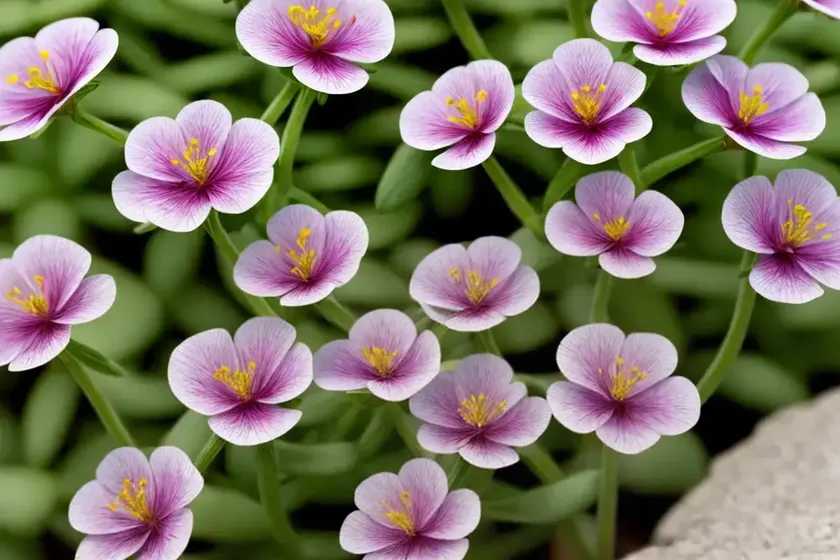
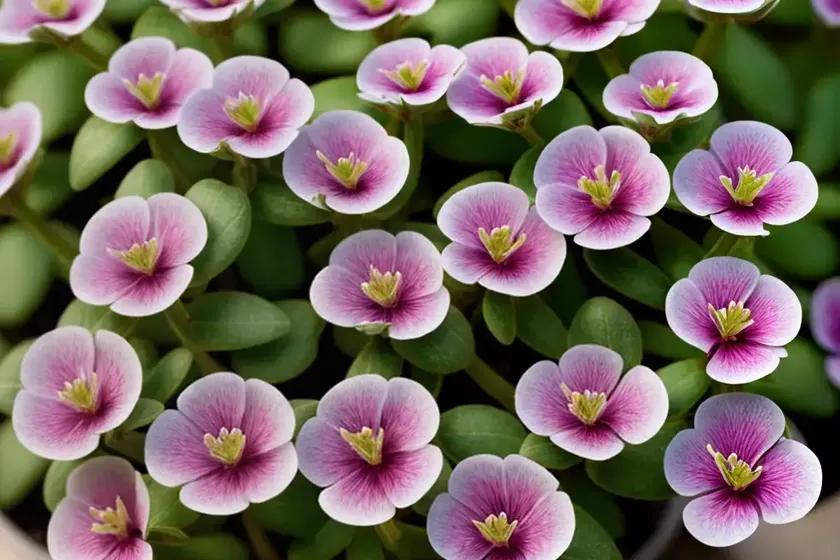
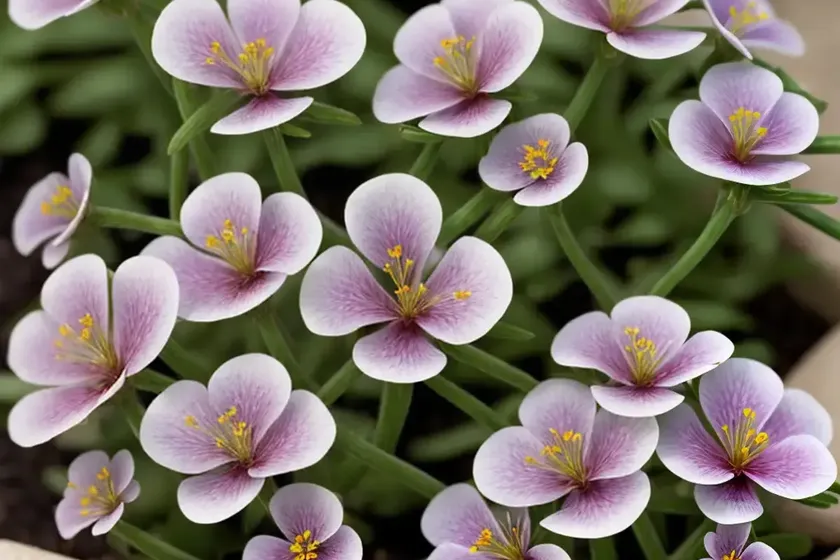
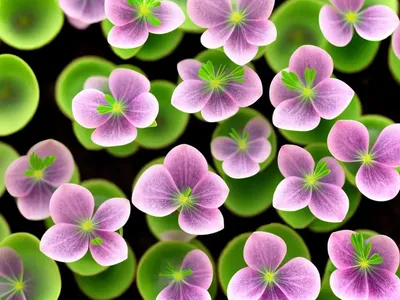
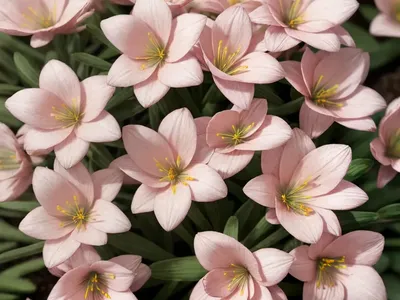
Rock Purslane, botanically known as Calandrinia spectabilis, is a stunning and versatile plant that has become increasingly popular among gardeners and landscaping enthusiasts. With its vibrant pink flowers and low-maintenance qualities, it’s no wonder that this plant has captured the attention of many. In this comprehensive guide, we will explore the fascinating world of Rock Purslane, from its cultural requirements to its uses, benefits, and beyond.
What is Rock Purslane (Calandrinia Spectabilis)?
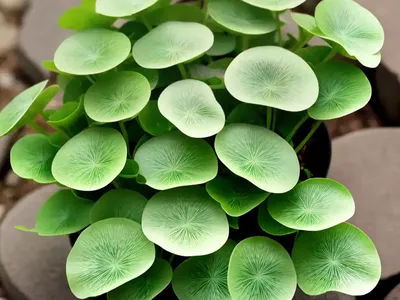
Rock Purslane, also known as Grandiflora Rock Purslane, is a herbaceous perennial that belongs to the Portulacaceae family. It is native to South America, particularly Argentina and Chile, and is characterized by its succulent foliage and striking flowers. The plant’s scientific name, Calandrinia spectabilis, reflects its remarkable beauty and visual appeal.
Key Takeaways – Rock Purslane (Calandrinia Spectabilis)
Before delving into the specific aspects of Rock Purslane, let’s summarize some key takeaways about this captivating plant:
- Botanical Name: Calandrinia Spectabilis
- Flower Color: Vibrant pink
- Native Range: South America, particularly Argentina and Chile
- Water Requirements: Moderate to low
- Sunlight: Full sun to partial shade
- Soil: Well-draining soil
- Uses: Ornamental uses, ground cover, container gardening
- Special Qualities: Drought-tolerant, low-maintenance, wildlife-attracting
Culture
Uses
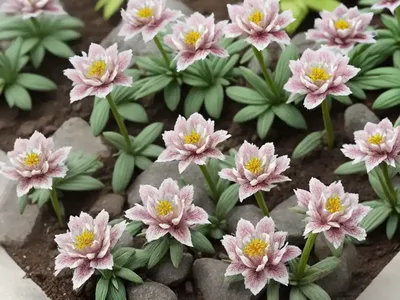
Rock Purslane has gained popularity primarily for its ornamental uses. It is often utilized as a ground cover in garden beds, rock gardens, and slopes due to its spreading nature and attractive foliage. Additionally, it is a fantastic choice for container gardening, adding a pop of color to patios, decks, and balconies.
Water
When it comes to watering, Rock Purslane is a relatively low-maintenance plant. It thrives in moderately dry conditions and is well-suited for regions with limited water availability. However, during prolonged periods of drought, it is essential to provide moderate watering to support healthy growth and blooming.
Sunlight
One of the remarkable qualities of Rock Purslane is its adaptability to various light conditions. While it performs best in full sun, it can also tolerate partial shade. This flexibility makes it a versatile choice for different garden settings, from sunny borders to partially shaded areas beneath trees.
Fertilizer
Rock Purslane does not have extensive fertilizer requirements. A balanced, all-purpose fertilizer applied in early spring can promote healthy growth and flowering. However, it’s crucial to avoid over-fertilization, as this can lead to excessive foliage growth at the expense of flowers.
Soil
The ideal soil for Rock Purslane is well-draining and moderately fertile. It thrives in sandy or loamy soil that permits excess water to drain away, preventing waterlogging. Additionally, the plant showcases excellent adaptability to slightly acidic to slightly alkaline soil pH levels.
Pruning
In terms of pruning, Rock Purslane generally does not require extensive maintenance. Regular deadheading of spent flowers can encourage continuous blooming and prevent self-seeding. Additionally, trimming back any leggy growth can help maintain a compact and tidy appearance.
Propagation
Rock Purslane can be propagated through various methods, including seeds and division.
-
Seed Propagation: The plant produces small, black seeds that can be sown directly in the garden or in containers. Sow the seeds in well-draining soil in the spring after the last frost date. Keep the soil consistently moist until the seeds germinate, typically within 10-14 days.
-
Division: Rock Purslane can also be propagated through division, especially if the plant becomes overcrowded. Divide the plant in early spring, ensuring that each division has a good root system. Replant the divisions in suitable locations, and provide adequate water until they become established.
Container Popularity
Given its compact growth habit and striking appearance, Rock Purslane is a popular choice for container gardening. Whether planted alone in a decorative pot or combined with other sun-loving annuals and perennials, it adds vibrant color and visual interest to container displays. Its drought tolerance also makes it an excellent option for container gardening in hot and arid climates.
Common Diseases
While Rock Purslane is relatively resilient, it can sometimes face certain disease issues. Common diseases that may affect Rock Purslane include:
-
Powdery Mildew: This fungal disease can manifest as a powdery white coating on the leaves and stems. To prevent powdery mildew, ensure proper air circulation around the plants and avoid overhead watering. Fungicidal sprays can be used to control severe infestations.
-
Root Rot: Overwatering and poorly draining soil can lead to root rot in Rock Purslane. To prevent this, ensure that the soil is well-draining and water the plant only when the top layer of soil has dried out.
Disease Diagnosis
When diagnosing diseases in Rock Purslane, it is crucial to closely examine the symptoms and consider environmental factors. Here are some common signs of diseases and their potential causes:
| Disease | Symptoms | Potential Causes |
|---|---|---|
| Powdery Mildew | White, powdery coating on leaves and stems | High humidity, poor air circulation, damp conditions |
| Root Rot | Yellowing, wilting, and rotting of roots | Overwatering, waterlogged soil, poor drainage |
Common Pests
Rock Purslane is generally resistant to most pests. However, it may occasionally experience pest issues such as aphids and spider mites. These pests can be controlled through organic methods such as insecticidal soaps or horticultural oils. Regularly inspecting the plants for early signs of pest infestations is crucial for effective pest management.
Botanist’s Tips
Fun Facts
- In its native range of South America, Rock Purslane is often found growing in rocky and sandy habitats, thriving in challenging conditions.
- The scientific name “Calandrinia” is derived from the Greek word “kalos,” meaning beautiful, highlighting the plant’s stunning appearance.
- Rock Purslane’s vibrant pink flowers make it a favorite among pollinators, attracting bees, butterflies, and other beneficial insects to the garden.
Links to External Resources
For further information on Rock Purslane, its cultivation, and landscaping uses, the following resources provide valuable insights:
- University of California, Davis – Rock Purslane
- Missouri Botanical Garden – Calandrinia spectabilis
- Royal Horticultural Society – Rock Purslane
Conclusion
In conclusion, Rock Purslane (Calandrinia spectabilis) is a captivating and resilient plant that offers a myriad of benefits to gardeners and landscapers. Its vibrant pink flowers, low-maintenance nature, and adaptability to various conditions make it a valuable addition to diverse garden settings. Whether used as a ground cover, container plant, or ornamental feature, Rock Purslane shines with its natural beauty and reliable performance. By understanding its cultural requirements, propagation methods, and potential challenges, enthusiasts can harness the full potential of this exceptional plant in their landscapes and gardens.