Iron Cross Begonia (Begonia masoniana) – A Plant Scientist’s Comprehensive Guide
Introduction
Plants are not just beautiful to look at, but they also play a crucial role in maintaining the ecosystem. One such fascinating plant is the Iron Cross Begonia, scientifically known as Begonia masoniana. Its distinct appearance and relatively easy-care requirements make it a popular choice among plant enthusiasts. As a plant scientist, I aim to provide an in-depth understanding of this unique plant, covering its cultural significance, uses, care requirements, common diseases, and pests, along with some fun facts and tips for its optimal growth.
What is Iron Cross Begonia?
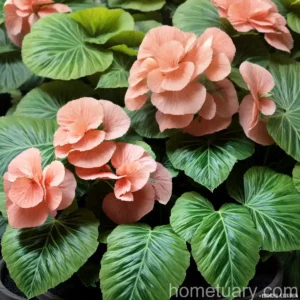
Begonia masoniana, commonly known as Iron Cross Begonia, is a species of flowering plant in the family Begoniaceae. It is native to China and is highly valued for its striking foliage and attractive growth habits. This plant is named for the distinctive metallic silver markings that appear on the dark green, palmate leaves, resembling the shape of an iron cross.
Key Takeaways
- Name: Iron Cross Begonia
- Scientific Name: Begonia masoniana
- Family: Begoniaceae
- Native Habitat: China
- Distinct Feature: Metallic silver markings resembling an iron cross on its leaves
Culture
Iron Cross Begonias have cultural significance beyond their aesthetic appeal. In various cultures, these plants are associated with positive symbolism, including good fortune and prosperity. The unique leaf patterns and vigorous growth of Iron Cross Begonias have made them popular choices for indoor and outdoor ornamental plantings.
Uses
The Iron Cross Begonia is primarily cultivated for its ornamental value. It is often used in indoor and outdoor landscaping, adding a touch of natural beauty to homes, gardens, and commercial spaces. Additionally, some traditional medicinal practices utilize parts of the Begonia plant for their purported therapeutic properties, although it is important to consult with a healthcare professional before using any plant for medicinal purposes.
Plant Care
Water
Proper watering is essential for the health of Iron Cross Begonias. These plants prefer consistently moist but not waterlogged soil. Water the plant thoroughly when the top inch of the soil feels dry to the touch. It is important to avoid overwatering as it can lead to root rot and other related issues. During the growing season, maintaining a regular watering schedule is crucial to ensure the plant’s hydration needs are met.
Sunlight
Iron Cross Begonias thrive in bright, indirect light. They are not suited for direct sunlight, particularly during the hot afternoon hours, as it can scorch their delicate leaves. Placing the plant near a north or east-facing window where it can receive bright, filtered light is ideal. Some variations of Iron Cross Begonias may be more tolerant of low light conditions, but maintaining a balance is key to their overall well-being.
Fertilizer
Fertilizing the Iron Cross Begonia plant is essential for promoting healthy growth and vibrant foliage. During the active growing season, it is advisable to use a balanced, water-soluble fertilizer formulated for houseplants. However, it is important to follow the recommended dilution and application frequency to prevent fertilizer burn and unnecessary stress on the plant. During the dormant season, fertilizer application should be reduced or suspended to align with the plant’s natural growth cycle.
Soil
The ideal soil for Iron Cross Begonias is well-draining and rich in organic matter. A high-quality potting mix designed for tropical plants is suitable for these begonias. Additionally, incorporating perlite or bark chips into the soil mixture can help improve drainage and aeration, creating an optimal growing environment for the plant.
Pruning
Regular pruning is beneficial for maintaining the Iron Cross Begonia’s compact and bushy growth habit. It helps to remove any leggy or discolored stems and encourages new growth. When pruning, it is essential to use clean and sharp tools to minimize the risk of damage and disease transmission. Pruning can be performed throughout the growing season as needed, with a more extensive trim often carried out in the early spring to stimulate fresh growth.
Propagation
Iron Cross Begonias can be propagated through stem cuttings. Select a healthy stem with several nodes and a few leaves, then carefully cut it just below a node. The cuttings can be placed in a well-draining propagation medium, such as a mix of perlite and peat moss, and kept in a warm, humid environment until roots develop. Once rooted, the new plant can be potted in a suitable growing medium and cared for as a mature plant.
Container Popularity
The Iron Cross Begonia is well-suited for container gardening, making it a popular choice for both indoor and outdoor plant enthusiasts. Its compact size and attractive foliage make it an ideal addition to a variety of container arrangements, including mixed planters, hanging baskets, and terrariums. The versatility of Iron Cross Begonias allows for creative and visually appealing container designs to enhance any living space or garden setting.
Container Common Diseases
Maintaining plants in containers can create unique challenges, including the risk of container-specific diseases and issues. Some common diseases that may affect Iron Cross Begonias in containers include:
- Root Rot: Overwatering or poorly draining soil can lead to root rot, causing the plant’s roots to decay and negatively impacting its overall health.
- Fungal Infections: High humidity levels within a container environment can create favorable conditions for fungal infections, such as powdery mildew and botrytis, to develop on the plant’s leaves and stems.
Disease Diagnosis
Diagnosing plant diseases in containers requires a careful assessment of the plant’s symptoms and the growing conditions. Common signs of diseases in Iron Cross Begonias include wilting, yellowing or browning of leaves, mold or powdery residue on the foliage, and overall stunted growth. Proper diagnosis is essential to implement effective treatment and prevent the spread of diseases to other plants.
Common Pests
In addition to diseases, Iron Cross Begonias may also be susceptible to pest infestations, particularly when grown in containers. Common pests that can affect these plants include:
- Aphids: These small, soft-bodied insects can cluster on new growth and the undersides of leaves, causing damage by piercing and sucking the plant’s sap.
- Mealybugs: Mealybugs are white, cottony pests that feed on plant sap, often appearing in clusters on the foliage and stems of the plant.
- Spider Mites: These tiny arachnids can cause webbing on the plant and may result in stippled, discolored leaves as they feed on the plant’s tissues.
Botanist’s Tips
- Humidity Control: Maintaining appropriate humidity levels around Iron Cross Begonias is crucial, especially when grown indoors. Using a humidifier or placing a tray filled with water and pebbles near the plant can help increase humidity levels and create a favorable microclimate.
- Regular Monitoring: Periodically inspecting the plant for signs of pests, diseases, or environmental stress can aid in early detection and prompt intervention, ensuring the plant’s continued health and vitality.
Fun Facts
- The unique leaf patterns of Iron Cross Begonias have earned them various common names, including “Iron Cross Plant” and “Palm Leaf Begonia,” reflecting their distinct foliage.
- Iron Cross Begonia leaves are asymmetrically shaped, and their textured surface, coupled with the metallic silver markings, gives them an ornate appearance.
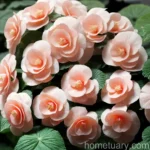
- While primarily grown for their foliage, Iron Cross Begonias may also produce clusters of small, pink flowers in the right conditions, adding a delightful touch to their visual appeal.
Links to External Resources
For additional information on Iron Cross Begonia care and cultivation, I recommend exploring the following resources:
- Royal Horticultural Society – Begonia masoniana
- The American Begonia Society
- University of Florida IFAS Extension – Begonia
- Missouri Botanical Garden – Begonia masoniana
Conclusion
Iron Cross Begonia, with its distinctive foliage and relatively low-maintenance care requirements, makes a compelling addition to any plant collection or garden setting. By understanding and implementing the recommended cultural practices, such as appropriate watering, lighting, and fertilization, enthusiasts can cultivate healthy and visually stunning Iron Cross Begonias. Additionally, being vigilant about common diseases and pests, and incorporating botanist’s tips, can contribute to the successful growth and long-term enjoyment of these captivating plants. As a plant scientist, I encourage plant enthusiasts to explore the beauty and charm of the Iron Cross Begonia, embracing its unique characteristics and enriching their green spaces with its ornate presence.
Remember, every plant has its own distinct personality and requirements, so take the time to observe and understand your Iron Cross Begonia, and it will reward you with its elegant and enduring presence.
Disclaimer: The information provided in this blog reflects the personal views of the plant scientist and is intended for informational purposes only. Individual plant care may vary, and readers are advised to consult with local horticultural experts or extension services for specific recommendations tailored to their unique growing conditions. The plant scientist and the platform do not assume any liability for the accuracy or relevance of the information provided.