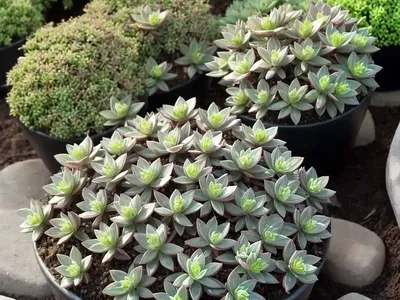
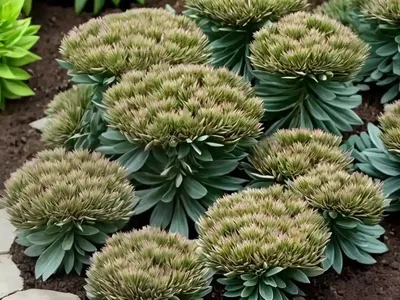
Reflexed Stonecrop ‘Angelina’ (Sedum Rupestre ‘Angelina’)
Reflexed Stonecrop ‘Angelina’ is a vibrant and low-maintenance perennial plant characterized by its stunning golden foliage and adaptability to various.
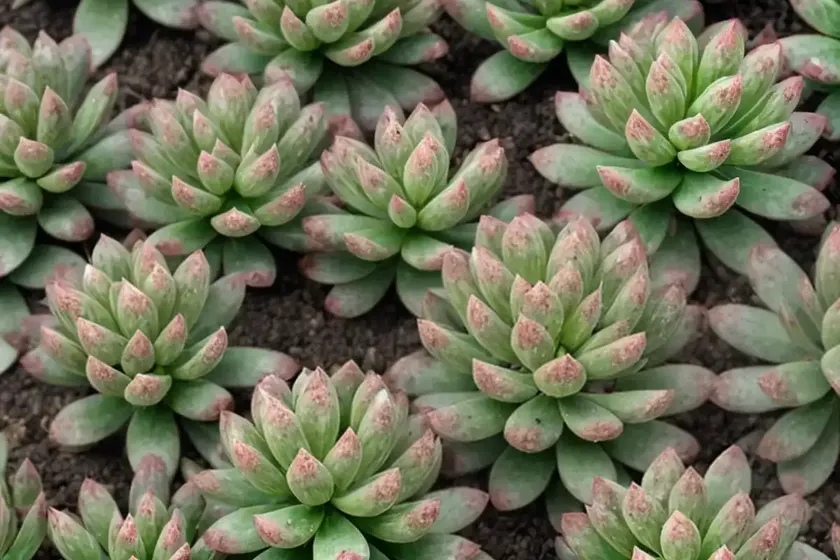
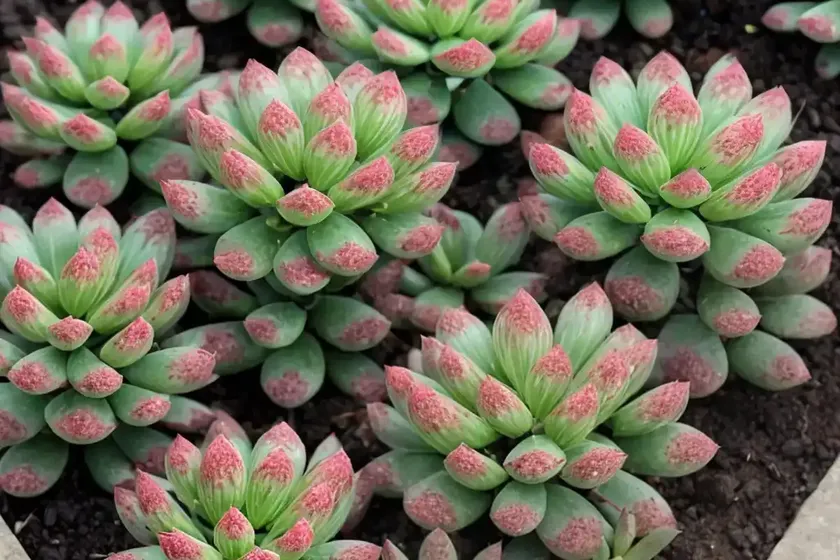
What is Reflexed Stonecrop ‘Angelina’?
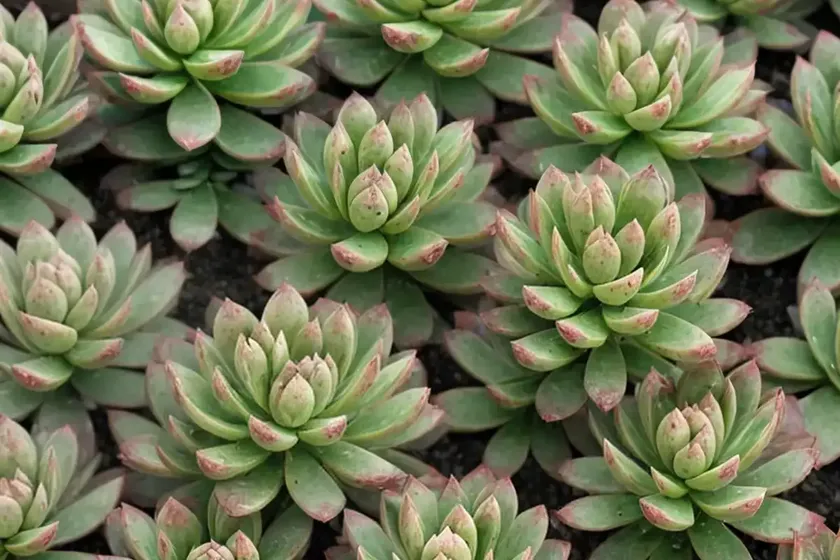
Reflexed Stonecrop ‘Angelina’ is a vibrant and low-maintenance perennial plant characterized by its stunning golden foliage and adaptability to various growing conditions. Botanically known as Sedum Rupestre ‘Angelina’, this plant belongs to the Crassulaceae family and is a popular choice among gardeners and landscapers for its versatility, resilience, and ornamental value.
Plant Characteristics
- Botanical Name: Sedum Rupestre ‘Angelina’
- Common Names: Reflexed Stonecrop ‘Angelina’, Angelina stonecrop
- Plant Type: Perennial succulent
- Foliage: Golden-yellow, needle-like leaves
- Flowers: Star-shaped, yellow blooms
- Growth Habit: Trailing or spreading
- Mature Height: 3-6 inches
- Mature Spread: 12-24 inches
- Sunlight Requirements: Full sun to partial shade
- Watering Needs: Drought-tolerant
- Soil Preferences: Well-draining, gritty soil
- Hardiness Zones: 5-9
- Uses: Ground cover, container plant, rock gardens, landscaping
Key Takeaways – Reflexed Stonecrop ‘Angelina’ (Sedum Rupestre ‘Angelina’)
Before delving deeper into the various aspects of Reflexed Stonecrop ‘Angelina’, let’s start by summarizing the key takeaways for this plant.
- Low Maintenance: Reflexed Stonecrop ‘Angelina’ is a low-maintenance plant that thrives with minimal care, making it an excellent choice for both novice and experienced gardeners.
- Vibrant Foliage: The striking golden-yellow foliage of this sedum adds a pop of color to gardens, containers, and rockeries, enhancing the overall visual appeal of the landscape.
- Versatile Uses: From ground cover to container gardening and rock gardens, Reflexed Stonecrop ‘Angelina’ offers versatile uses, making it a valuable addition to various landscaping projects.
- Resilience: With its drought-tolerant nature and adaptability to different soil and sunlight conditions, Sedum Rupestre ‘Angelina’ exhibits exceptional resilience, thriving in challenging environments.
- Seasonal Interest: Apart from its year-round attractiveness, Reflexed Stonecrop ‘Angelina’ blooms with bright yellow flowers in summer, adding seasonal interest to outdoor spaces.
Now that we’ve outlined the essential characteristics and advantages of Reflexed Stonecrop ‘Angelina’, let’s delve into each aspect in detail to understand how to best care for and utilize this stunning succulent in various settings.
Culture
Uses
Reflexed Stonecrop ‘Angelina’ (Sedum Rupestre ‘Angelina’) is valued for its multifaceted uses, ranging from ornamental landscaping to practical ground cover. Its versatile applications include:
- Ground Cover: The trailing growth habit and dense foliage make Reflexed Stonecrop ‘Angelina’ an ideal ground cover, effectively filling in empty spaces and suppressing weed growth in garden beds and rockeries.
- Container Plant: Its cascading form and vibrant color make it an attractive choice for container gardening, adding visual interest to patio containers, hanging baskets, and mixed succulent arrangements.
- Rock Gardens: The low-growing and drought-tolerant nature of Sedum Rupestre ‘Angelina’ make it well-suited for rock gardens, where it can thrive in the well-draining and rocky terrain.
- Landscaping: Whether used as a border plant, massed ground cover, or accent plant in landscape design, Reflexed Stonecrop ‘Angelina’ contributes texture and color to various outdoor settings.
Water
Reflexed Stonecrop ‘Angelina’ is notably drought-tolerant and prefers well-draining soil to avoid waterlogged conditions that can lead to root rot. When it comes to watering, the general guideline is to facilitate a balanced approach:
- Establishment Period: During the initial planting and establishment phase, providing moderate water is essential to help the plant develop a strong root system. Water deeply but infrequently to encourage deep root growth.
- Mature Plants: Once established, Reflexed Stonecrop ‘Angelina’ requires minimal watering. It is important to allow the soil to dry out between waterings to prevent issues related to excessive moisture.
Sunlight
The sunlight requirements for Reflexed Stonecrop ‘Angelina’ are relatively adaptable, making it suitable for a range of light conditions.
- Full Sun: In regions with moderate to cool climates, Sedum Rupestre ‘Angelina’ thrives in full sun exposure, displaying its best foliage color and maintaining a compact growth habit.
- Partial Shade: In areas with intense summer heat or prolonged periods of scorching sunlight, providing some afternoon shade can prevent leaf scorch and help the plant retain its vibrant color.
Fertilizer
One of the attractive attributes of Reflexed Stonecrop ‘Angelina’ is its minimal need for fertilization. However, a light feeding regimen can be beneficial for enhancing its performance.
- Timing: Apply a balanced, slow-release fertilizer in early spring as new growth emerges, following the recommended rates for succulent plants.
- Frequency: A single annual application is often sufficient for established plants, as excessive fertilization can lead to excessive foliage growth at the expense of vibrant color and compact form.
Soil
Good soil drainage is crucial for the health and vigor of Reflexed Stonecrop ‘Angelina’, as it prevents waterlogging and root rot.
- Preferred Soil Type: Well-draining, gritty, or sandy soil types suit Sedum Rupestre ‘Angelina’, as they prevent water accumulation around the roots.
- pH Level: Neutral to slightly acidic soil pH is optimal for this plant, ensuring effective nutrient uptake and overall performance.
Pruning
Pruning practices for Reflexed Stonecrop ‘Angelina’ are minimal, mainly focusing on tidying and maintenance.
- Removal of Dead Foliage: Trim away any dead or discolored foliage to promote the plant’s overall appearance and maintain a neat, compact habit.
- Controlled Spreading: If the plant begins to spread excessively beyond the desired boundaries, trimming back the trailing stems can help manage its growth and prevent overcrowding.
Propagation
Propagating Reflexed Stonecrop ‘Angelina’ can be accomplished through simple techniques such as division and stem cuttings.
- Division: Divide mature clumps in early spring, separating the rooted offsets and replanting them in suitable growing locations. This method also promotes rejuvenation and prevents overcrowding.
- Stem Cuttings: Take 3-4 inch stem cuttings from healthy, established plants in spring or early summer. Allow the cut ends to callus before planting them in well-draining soil to initiate root development.
Container Popularity
Reflexed Stonecrop ‘Angelina’ is a sought-after choice for container gardening due to its visual appeal, low maintenance requirements, and adaptability to confined spaces.
- Patio Containers: In patio containers, Sedum Rupestre ‘Angelina’ serves as a focal point or can be combined with complementary succulents and ornamental grasses to create captivating displays.
- Hanging Baskets: The trailing habit of this sedum makes it an excellent candidate for hanging baskets, where it gracefully spills over the edges, adding an elegant touch to vertical gardening arrangements.
- Mixed Arrangements: When paired with contrasting foliage or flowering plants, Reflexed Stonecrop ‘Angelina’ contributes color and texture to mixed succulent and perennial arrangements, enhancing the overall aesthetic.
Common Diseases
As a resilient and low-maintenance plant, Reflexed Stonecrop ‘Angelina’ is relatively resistant to diseases. Nevertheless, some issues may arise under unfavorable conditions or due to cultural practices.
Disease Diagnosis
- Root Rot: Prolonged exposure to excessively moist soil or poor drainage can lead to root rot in Reflexed Stonecrop ‘Angelina’. Diagnosing this condition involves inspecting the roots for discoloration, mushiness, or foul odors, with wilting foliage as a potential indicator.
- Powdery Mildew: In humid or poorly ventilated environments, powdery mildew may affect the foliage of Sedum Rupestre ‘Angelina’, leading to the development of white, powdery patches. Increased air circulation and proper spacing can mitigate this issue.
Common Pests
Reflexed Stonecrop ‘Angelina’ is relatively resistant to pest infestations, but some common garden pests may occasionally pose a threat to its health.
- Aphids: These tiny, sap-sucking insects can distort new growth and cause wilting in Reflexed Stonecrop ‘Angelina’. Monitoring for early signs of aphid activity and using water sprays or insecticidal soaps can effectively manage infestations.
- Mealybugs: Mealybugs may target the dense foliage of this sedum, appearing as white, cottony masses particularly along the stems and leaf axils. A systemic insecticide or manual removal can help control mealybug populations.
Botanist’s Tips
Understanding the best practices and strategies for cultivating Reflexed Stonecrop ‘Angelina’ is essential for maximizing its performance and visual impact. Here are some expert tips for successful cultivation:
- Well-Draining Soil: Ensure that the planting site or container features well-draining soil to prevent water accumulation around the roots and minimize the risk of rot-related issues.
- Adequate Sunlight: Provide sufficient sunlight for the plant to maintain its vibrant coloration and compact growth habit, while offering afternoon shade in regions with intense heat.
- Limited Fertilization: Avoid over-fertilizing Reflexed Stonecrop ‘Angelina’, as excessive nutrients can lead to excessive foliage growth at the expense of color intensity and plant form.
- Moderate Watering: Allow the soil to dry out between waterings, especially once the plant is established, to prevent issues related to overwatering and root rot.
- Maintenance Pruning: Regularly prune away dead or discolored foliage to preserve the plant’s overall appearance and shape, promoting a neat and tidy aesthetic.
Fun Facts
Despite its small stature, Reflexed Stonecrop ‘Angelina’ offers several interesting and noteworthy attributes that contribute to its appeal. Here are some fun facts about this captivating sedum:
- The golden-yellow foliage of Sedum Rupestre ‘Angelina’ intensifies with increased sun exposure, resulting in stunning coloration.
- In addition to its ornamental value, Reflexed Stonecrop ‘Angelina’ is a favorite among pollinators, attracting bees, butterflies, and other beneficial insects with its summer blooms.
- This sedum is known for its ability to thrive in challenging environments, such as dry, rocky terrain, making it a valuable addition to xeriscapes and low-water landscapes.
Links to External Resources
For further information on Reflexed Stonecrop ‘Angelina’ (Sedum Rupestre ‘Angelina’), the following external resources provide valuable insights, tips, and inspiration:
- The Spruce: Growing Reflexed Stonecrop ‘Angelina’
- Better Homes & Gardens: Sedum Rupestre ‘Angelina’
- Missouri Botanical Garden: Sedum Rupestre ‘Angelina’ Plant Care Guide
- Gardening Know How: Reflexed Stonecrop ‘Angelina’ Care and Uses
Conclusion
Reflexed Stonecrop ‘Angelina’ (Sedum Rupestre ‘Angelina’) stands out as a versatile, resilient, and visually captivating plant that holds numerous practical and ornamental uses in landscape design and gardening. With its vibrant golden-yellow foliage, low-maintenance requirements, and adaptability to diverse growing conditions, this sedum has established itself as a favored choice for ground cover, container gardening, and rock gardens.
By understanding the cultural needs, maintenance practices, and botanical characteristics of Reflexed Stonecrop ‘Angelina’, gardeners and landscapers can effectively incorporate this alluring succulent into their outdoor spaces, benefiting from its year-round visual appeal, ease of care, and ability to thrive in challenging environments.
Whether used as a trailing ground cover, accent plant in rockeries, or focal point in mixed container arrangements, Sedum Rupestre ‘Angelina’ brings a touch of golden elegance and versatility to any outdoor setting, earning its reputation as a cherished perennial plant loved by nature enthusiasts and horticultural experts alike.