Redroot Pigweed (Amaranthus retroflexus)
Redroot Pigweed, scientifically known as Amaranthus retroflexus, is a widely distributed annual plant species. It belongs to the Amaranthaceae family and is renowned for its adaptability and robust growth. Redroot Pigweed is considered as a resilient weed species in agricultural and natural habitats, often competing with cultivated crops and native plants. In this comprehensive guide, we will delve into the various aspects of Redroot Pigweed, including its culture, uses, habitat, growth habits, ecological impact, and much more.
What is Redroot Pigweed?
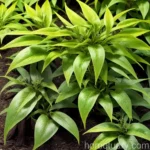
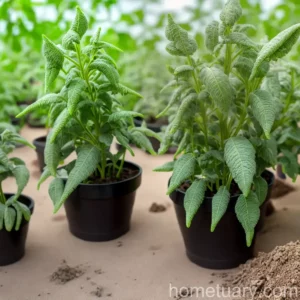
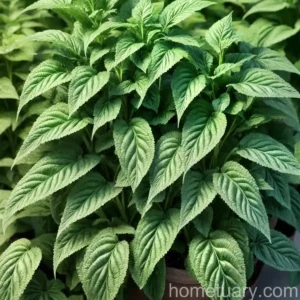
Redroot Pigweed, also commonly known as red-root amaranth, is an herbaceous annual plant that is native to North America but has now spread to various regions globally. It is characterized by its slender reddish stems, broad leaves, and dense clusters of greenish flowers. The plant typically reaches a height of 2 to 4 feet and is often found in disturbed areas, croplands, gardens, and along roadsides.
Key Takeaways – Redroot Pigweed (Amaranthus retroflexus)
- Scientific Name: Amaranthus retroflexus
- Common Names: Redroot Pigweed, Red-root Amaranth
- Family: Amaranthaceae
- Habitat: Disturbed areas, croplands, gardens, roadsides
- Growth Form: Herbaceous annual
- Height: 2 to 4 feet
- Characteristic Feature: Slender reddish stems, broad leaves, greenish flower clusters
Now, let’s explore the various facets of Redroot Pigweed, including its culture, uses, growth requirements, common diseases, and much more.
Culture
Understanding the cultural requirements of Redroot Pigweed is essential for effectively managing its growth and controlling its spread in agricultural and natural settings.
Water
Redroot Pigweed is known for its adaptability to different moisture levels. It can thrive in both dry and moist conditions, although it tends to grow more vigorously in areas with ample moisture. Effective water management is crucial in controlling its growth, especially in agricultural fields where excessive moisture can favor its proliferation.
Sunlight
As a highly adaptable species, Redroot Pigweed exhibits a remarkable tolerance for various light conditions. It thrives in full sun but can also survive in partially shaded areas. This flexibility allows it to establish in a wide range of ecological niches, making it a challenging weed in agricultural and natural landscapes.
Soil
This species demonstrates remarkable plasticity in soil adaptability. It can grow in a broad spectrum of soil types, including sandy, loamy, and clayey soils. Moreover, it exhibits tolerance to acidic and alkaline conditions, enabling it to colonize diverse habitats with varying soil characteristics.
Uses
While Redroot Pigweed is often considered a problematic weed, it also possesses certain beneficial aspects that have been recognized across different cultures.
Traditional Uses
In various traditional medicinal systems, parts of the Redroot Pigweed plant have been utilized for their purported medicinal properties. Some communities have employed the leaves and stems for treating ailments such as gastrointestinal disorders, inflammation, and skin irritations. These traditional uses highlight the cultural significance of the plant in certain communities and underscore its potential value in ethnomedicine.
Culinary Uses
Interestingly, some cultures have incorporated tender young Redroot Pigweed leaves into their cuisine. The leaves are often consumed after careful preparation, and they are valued for their nutritional attributes. They are a rich source of vitamins and minerals, adding a nutritious element to traditional dishes. However, it is important to note that consuming wild plants should be approached with caution due to potential toxicity concerns.
Environmental Role
In natural ecosystems, Redroot Pigweed can contribute to soil stabilization and nutrient cycling. Its adaptability to diverse soil types and moisture conditions allows it to establish in degraded areas, where it can play a role in ecological restoration efforts. Additionally, its fast-growing nature enables it to provide habitat and food sources for various wildlife species, thereby enhancing biodiversity in certain contexts.
Fertilizer
Redroot Pigweed’s vigorous growth and competitive ability can be attributed to its effective utilization of soil nutrients. In agricultural settings, it is important to carefully manage fertilization practices to prevent the proliferation of this weed species, especially in fields where it can outcompete cultivated crops. Understanding the plant’s nutrient uptake patterns and implementing targeted fertilization can aid in controlling its growth.
Pruning
The pruning of Redroot Pigweed is not a common practice, as it is primarily viewed as a weed species. However, in certain cultural contexts where the plant is utilized for its tender young leaves, selective harvesting can be considered a form of pruning. By removing specific plant parts, it is possible to encourage continuous regrowth and potentially limit its spread in managed areas.
Propagation
Redroot Pigweed primarily reproduces by producing copious quantities of seeds. Each plant can produce thousands of seeds, which are dispersed through various means, including wind, water, and human activities. These seeds exhibit dormancy characteristics, enabling them to persist in the soil seed bank for extended periods. Understanding the plant’s reproductive strategy is crucial for developing effective management approaches that target both existing plants and the seed bank.
Container Popularity
Redroot Pigweed is not typically cultivated as an ornamental or container plant due to its weedy nature and competitive interactions with other plant species. Its rapid growth and prolific seed production make it unsuitable for container gardening in most scenarios. Instead, it is predominantly managed as a weed in agricultural, horticultural, and natural landscapes.
Common Diseases
While Redroot Pigweed is known for its resilience, it can be affected by certain diseases and pathogens that can impact its growth and vigor. Some common diseases that can affect Amaranthus retroflexus include fungal infections, viral diseases, and bacterial pathogens. Understanding the disease susceptibility of this species is fundamental for implementing targeted control strategies and minimizing its impact in managed ecosystems.
Disease Diagnosis
Diagnosing diseases in Redroot Pigweed involves observing the characteristic symptoms and employing diagnostic techniques such as pathogen isolation and molecular assays. Identifying the specific disease agents impacting the plant is essential for implementing effective management measures, which may include cultural practices, biological control, or chemical interventions.
Common Pests
Redroot Pigweed is an attractive host to various insect pests, including beetles, caterpillars, and aphids. These pests can feed on different parts of the plant, affecting its growth and reproductive success. Additionally, the presence of insect pests on Redroot Pigweed can exacerbate its competitive interactions with cultivated crops, leading to yield losses in agricultural settings.
Botanist’s Tips
Understanding the ecological features and adaptability of Redroot Pigweed is fundamental for devising effective management strategies and harnessing any potential beneficial attributes of this species. As a botanist, it is essential to consider the wide-ranging impacts of this species, from its role as a weed to its potential value in traditional uses and environmental contexts. By comprehensively studying its growth habits, reproductive biology, and ecological interactions, botanists can contribute to the development of holistic approaches for managing Redroot Pigweed in diverse landscapes.
Fun Facts
- Redroot Pigweed is known for its efficient carbon uptake and photosynthetic capacity, allowing it to thrive in various environmental conditions.
- This species has been used in certain cultural contexts for its purported medicinal properties, reflecting its historical relevance in traditional medicine.
- The plant’s ability to produce a high number of viable seeds contributes to its resilience and widespread distribution in different habitats.
Links to External Resources
For further information on Redroot Pigweed and its various aspects, you can explore the following reputable resources:
- Invasive Plant Atlas – Amaranthus retroflexus
- USDA Plants Database – Amaranthus retroflexus
- Weed Science Society of America
- University of California, Agriculture and Natural Resources – Weed Research and Information Center
In the next sections, we will delve deeper into the ecological impact of Redroot Pigweed, its adaptability, traditional uses, and sustainable management practices. Continuing with the information about Redroot Pigweed, we will explore its various attributes and provide insights into its ecological role, traditional uses, and sustainable management practices.
Redroot Pigweed (Amaranthus retroflexus) Habitat
Redroot Pigweed is renowned for its adaptability to diverse habitats and its rapid colonization of disturbed areas. Its habitat preferences encompass a broad range of ecological conditions, from agricultural landscapes to natural ecosystems.
Adaptability
One of the defining features of Redroot Pigweed is its exceptional adaptability to different environments. It thrives in disturbed habitats, such as croplands, pastures, roadsides, and construction sites. It can also establish in natural settings, including riparian zones, floodplains, and open woodlands. This versatility allows it to persist in a wide array of ecological niches, contributing to its status as a pervasive weed species.
Invasive Characteristics
The invasive characteristics of Redroot Pigweed are attributed to its rapid growth, high seed production, and effective dispersal mechanisms. It can outcompete native vegetation and cultivated crops, leading to significant ecological and economic impacts. Its ability to establish quickly in disturbed areas and persist under various environmental conditions contributes to its status as an invasive species in many regions.
Ecological Impact
In natural ecosystems, Redroot Pigweed’s presence can influence soil dynamics, nutrient cycling, and species interactions. Its competitive nature and prolific seed production can alter local plant communities and impact native fauna. Understanding the ecological ramifications of its invasion is crucial for implementing conservation measures and mitigating its impact on biodiversity.
Ethnobotanical Knowledge
Redroot Pigweed holds cultural significance in certain communities due to its traditional uses and ethnobotanical attributes. The plant has been incorporated into various cultural practices and traditional medicine systems, reflecting its historical relevance and value in certain cultural contexts.
Folklore and Mythology
In some cultural traditions, Redroot Pigweed is associated with folklore and mythology, often symbolizing resilience, adaptability, and renewal. Its presence in traditional stories and folklore underscores its historical significance and cultural relevance in certain societies.
Ethnobotanical Uses
Exploring the ethnobotanical uses of Redroot Pigweed provides valuable insights into its historical importance and potential functional attributes. The plant has been utilized for its purported medicinal properties, nutritional value, and ecological contributions. Understanding these traditional uses can inform conservation efforts and promote sustainable utilization of the species in relevant cultural contexts.
Invasive Species Management
Effectively managing the invasive characteristics of Redroot Pigweed requires comprehensive strategies that encompass prevention, control, and restoration efforts. Given its widespread distribution and ecological impact, addressing the challenges associated with this species necessitates a multi-faceted approach.
Weed Control
Implementing integrated weed management practices is essential for controlling the proliferation of Redroot Pigweed in agricultural and natural settings. This may include mechanical methods, such as cultivation and mowing, as well as targeted herbicide applications. By integrating diverse control tactics, it is possible to mitigate its impact and prevent further spread.
Habitat Restoration
Restoring habitats impacted by Redroot Pigweed invasion involves implementing ecological restoration techniques that aim to enhance native vegetation and restore ecosystem functionality. This may involve the removal of invasive plants, habitat rehabilitation, and the establishment of native plant communities. By restoring ecological balance, it is possible to reduce the dominance of invasive species and promote biodiversity.
Herbal Remedies and Medicinal Properties
Redroot Pigweed has been associated with certain herbal remedies and medicinal uses in traditional systems. Parts of the plant, including the leaves and stems, have been utilized for their purported therapeutic attributes in specific cultural contexts.
Traditional Medicine
In some traditional medicinal practices, Redroot Pigweed has been employed for treating various ailments, such as digestive disorders, skin conditions, and inflammatory processes. Understanding the traditional medicinal uses of this plant provides insights into its potential pharmacological properties and cultural significance in certain communities.
Pharmaceutical Potential
Exploring the pharmaceutical potential of Redroot Pigweed involves evaluating its chemical constituents and potential bioactive compounds. Studying its medicinal properties and biochemical composition can provide valuable information for potential pharmaceutical applications and contribute to drug discovery research.
Sustainable Farming Practices
In agricultural landscapes, managing Redroot Pigweed requires implementing sustainable practices that aim to minimize its impact while promoting agroecological resilience and productivity.
Integrated Pest Management
Adopting integrated pest management (IPM) strategies is essential for effectively managing Redroot Pigweed and other weed species in agricultural settings. IPM involves the coordinated use of diverse control tactics, including biological control, cultural practices, and chemical interventions, to mitigate the impact of pests, diseases, and weeds.
Conservation Agriculture
Conservation agriculture principles, such as minimum soil disturbance, diversified cropping systems, and soil cover maintenance, can contribute to reducing the establishment and proliferation of invasive weeds like Redroot Pigweed. By enhancing soil health and promoting agroecological resilience, conservation agriculture practices can aid in controlling weed populations while supporting sustainable crop production.
Environmental Impact
The environmental impact of Redroot Pigweed encompasses its influence on ecological processes, species interactions, and habitat dynamics. Understanding its environmental implications is fundamental for devising conservation measures and addressing its invasive characteristics.
Biodiversity Conservation
Controlling the spread of Redroot Pigweed and managing its impact on native flora is essential for conserving biodiversity and preserving ecologically significant areas. By addressing the challenges associated with invasive species, it is possible to safeguard native plant communities and support diverse ecosystems.
Ecological Restoration
Engaging in ecological restoration initiatives that target areas impacted by invasive species, such as Redroot Pigweed, is crucial for promoting habitat rehabilitation and enhancing ecosystem resilience. These restoration efforts involve restoring native plant communities, enhancing habitat quality, and promoting ecological balance.
Conclusion
Redroot Pigweed (Amaranthus retroflexus) exemplifies the complex interplay between ecological adaptability, traditional uses, invasive characteristics, and potential ecological impact. Understanding the multifaceted nature of this species is essential for developing comprehensive strategies that address its weed status, cultural significance, and environmental implications. By integrating knowledge from diverse disciplines, including botany, ethnobotany, invasive species management, and sustainable agriculture, it is possible to approach the challenges associated with Redroot Pigweed in a holistic manner. Emphasizing the ecological role, traditional significance, and management strategies related to this species facilitates a deeper understanding of its place in diverse ecosystems and cultural contexts.
The comprehensive exploration of Redroot Pigweed (Amaranthus retroflexus) provides insights into its ecological adaptability, traditional uses, and ecological impact, emphasizing the importance of integrated management practices and sustainable approaches. Understanding the intricate relationships between this species and its diverse contexts can inform targeted conservation efforts and promote ecological resilience.