Celosia Argentea Var. Cristata (Plumosa Group)
As a plant scientist, I have always been captivated by the diversity and beauty of the plant kingdom. Among the myriad of plant species, Celosia argentea.
As a plant scientist, I have always been captivated by the diversity and beauty of the plant kingdom. Among the myriad of plant species, Celosia argentea var. cristata, specifically the Plumosa Group, stands out for its unique characteristics and versatile uses. In this comprehensive guide, we will delve into the intriguing world of Celosia argentea var. cristata, exploring its cultural requirements, uses, propagation methods, common diseases, and much more. Whether you are a seasoned gardener, a budding horticulturalist, or simply an enthusiast of nature’s wonders, this article will provide valuable insights into the remarkable attributes of this captivating plant.
What is Celosia argentea var. cristata (Plumosa Group)?
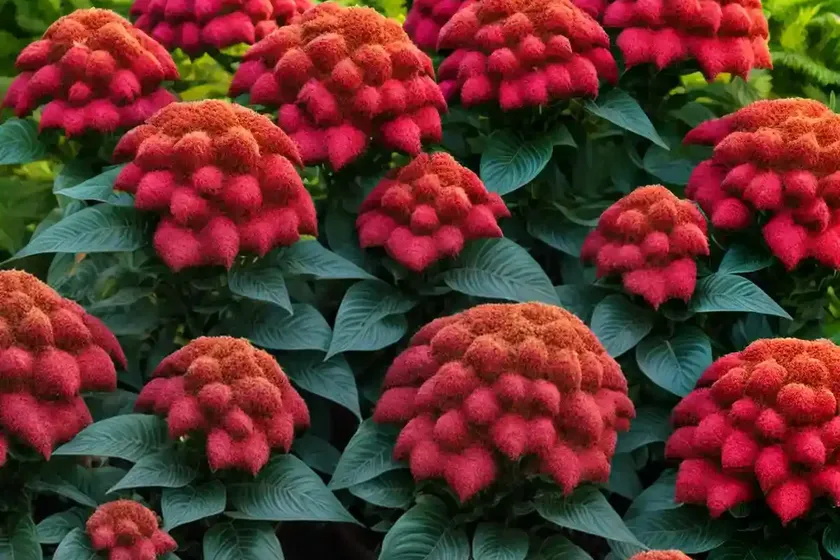
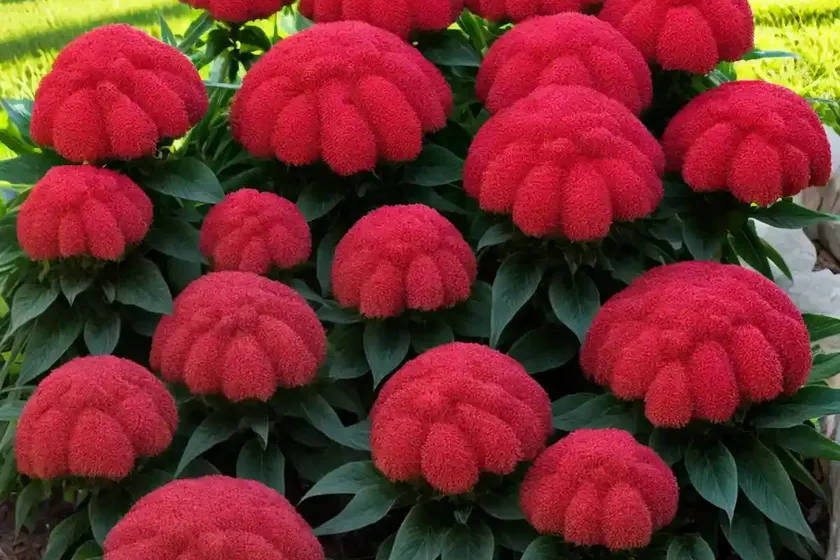
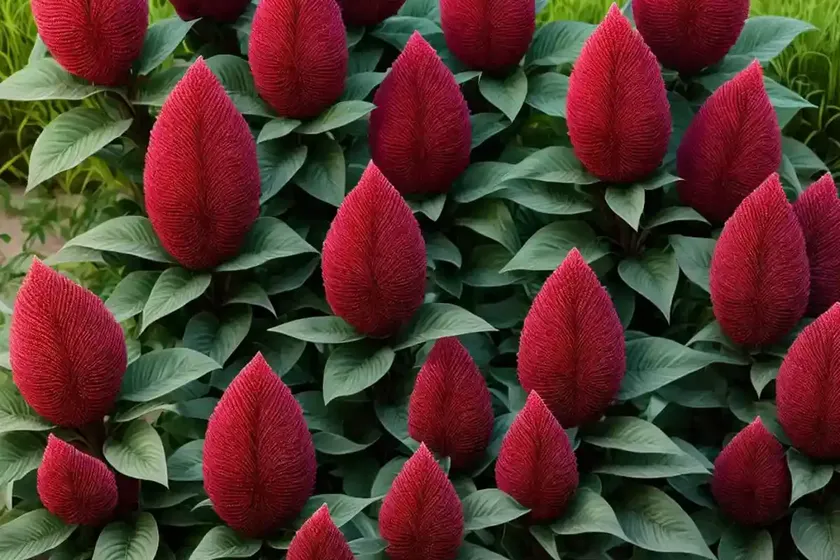
Celosia argentea var. cristata, commonly referred to as the Plumosa Group, is a vibrant and ornamental flowering plant that belongs to the Amaranthaceae family. It is renowned for its distinctive, plumed flower heads that display a rich array of colors, including shades of red, pink, orange, and yellow. The unique structure of the flower heads bears a resemblance to feathery plumes, giving rise to the common name “Plumosa” celosia.
Key Takeaways – Celosia argentea var. cristata (Plumosa Group)
To gain a comprehensive understanding of Celosia argentea var. cristata (Plumosa Group), let’s explore some of the key takeaways related to this captivating plant:
- Scientific Names: The plant is known by various scientific names, including Celosia argentea var. cristata, Plumosa celosia, and Celosia cristata.
- Distinctive Features: Its crested or plumed flower heads are a hallmark of this plant, earning it the monikers “Crested celosia” and “Feathered celosia.”
- Cultural Uses: Celosia argentea var. cristata is valued for its cultural and ornamental significance, widely used in floral arrangements, landscaping, and as a decorative potted plant.
- Cultural Requirements: Understanding the plant’s needs for water, sunlight, fertilizer, and soil is crucial for its optimal growth and development.
- Propagation Techniques: Exploring the methods of propagating Celosia argentea var. cristata, including seed sowing and stem cuttings, is essential for expanding its presence in gardens and landscapes.
- Common Diseases: Identifying and addressing potential diseases that affect Celosia argentea var. cristata is imperative for maintaining its health and vigor.
- Pest Management: Recognizing common pests and implementing appropriate control measures is essential for safeguarding the plant from potential infestations.
Culture
Water
Proper watering is essential for the health and vitality of Celosia argentea var. cristata. While the plant requires adequate moisture to thrive, it is important to avoid waterlogged conditions that could lead to root rot. During the growing season, it is advisable to water the plant regularly, ensuring that the soil is moist but not waterlogged. In hotter climates or during periods of drought, more frequent watering may be necessary to prevent the soil from drying out excessively. It is crucial to strike a balance, allowing the soil to dry slightly between watering while ensuring that the plant does not experience prolonged periods of drought stress.
Sunlight
Celosia argentea var. cristata flourishes in bright sunlight and warm temperatures. As a sun-loving plant, it thrives in full sun conditions, receiving at least 6-8 hours of direct sunlight daily. In areas with intense midday sun and high temperatures, providing partial shade during the hottest part of the day can be beneficial for preventing heat stress. When selecting a location for planting or positioning potted celosia, it is important to prioritize ample sunlight exposure to promote robust growth and abundant flowering.
Fertilizer
To support the vigorous growth and blooming of Celosia argentea var. cristata, regular fertilization is recommended. A balanced, all-purpose fertilizer with a formulation such as 10-10-10 or 20-20-20 can provide the essential nutrients for the plant’s development. When initiating fertilization, incorporating a slow-release fertilizer into the soil or potting mix can supply a consistent source of nutrients over an extended period. Additionally, supplementing with a water-soluble fertilizer every 2-4 weeks during the growing season can offer a boost of nutrients to promote vibrant foliage and prolific flowering.
Soil
The choice of soil for Celosia argentea var. cristata is a critical determinant of its overall health and performance. Well-draining, loamy soil with good aeration is conducive to the plant’s root development and minimizes the risk of waterlogging. A soil mixture enriched with organic matter, such as compost or well-rotted manure, can enhance the fertility and structure of the soil. Whether planted directly in the garden or in containers, ensuring that the soil is loose, friable, and well-draining is essential for creating an optimal growing environment for Celosia argentea var. cristata.
Pruning
Pruning plays a pivotal role in shaping the growth and appearance of Celosia argentea var. cristata, contributing to a tidy and well-maintained form. Regular deadheading of spent flowers promotes continuous blooming and prevents the plant from expending energy on seed production. As the flowers fade, they can be meticulously removed by snipping them off just above a set of healthy leaves or lateral bud. Additionally, pruning the plant to remove any damaged or diseased foliage is important for maintaining its overall health and aesthetic appeal. By conducting periodic pruning, the growth habit of Celosia argentea var. cristata can be managed to achieve a compact, bushy form, enhancing its visual impact in the garden or landscape setting.
Propagation
The propagation of Celosia argentea var. cristata can be accomplished through various methods, including seed sowing and stem cuttings. Each technique offers its unique advantages and considerations, providing opportunities to expand the presence of this captivating plant.
Seed Sowing
Sowing celosia seeds directly in the garden or in containers is a popular method of propagation, allowing for the cultivation of new plants from seed. Before sowing, it is beneficial to prepare the soil by loosening it to create a fine, crumbly texture. The seeds can be sown at a shallow depth, covered lightly with soil, and kept consistently moist until germination occurs. Providing warmth, adequate moisture, and sufficient sunlight is crucial for supporting the germination and early growth of celosia from seeds. As the seedlings develop, thinning them to the desired spacing ensures that they have ample room to mature and thrive.
Stem Cuttings
Utilizing stem cuttings for propagation offers a reliable method of cloning existing celosia plants to produce new individuals. Selecting healthy, non-flowering stems as cutting materials, typically around 4-6 inches in length, provides the best potential for successful propagation. After carefully removing the lower leaves from the stem, the cutting can be planted in a well-draining rooting medium, such as a mixture of perlite and peat moss. Providing consistent moisture and high humidity while the cutting establishes roots is essential for its successful transition to an independent plant. With appropriate care and favorable environmental conditions, stem cuttings can develop into robust, independent celosia plants, mirroring the characteristics of the parent plant.
Container Popularity
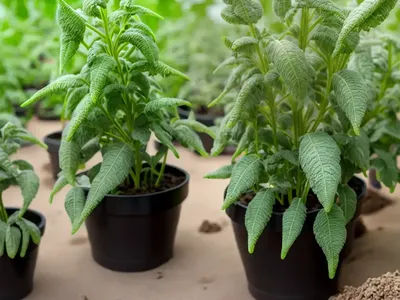
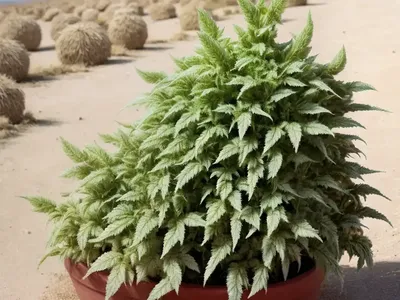
Celosia argentea var. cristata exerts a strong allure as a container plant, offering a burst of vibrant colors and unique textures in a confined space. Its suitability for container cultivation is underscored by its compact growth habit, making it well-suited for adorning patios, balconies, and urban gardens. Whether grown individually in a striking ornamental pot or combined with other complementary plants in a mixed container display, Celosia argentea var. cristata elevates the visual appeal of any confined space. Additionally, its adaptability to container cultivation allows for an extended range of growing conditions, making it accessible to gardening enthusiasts with limited outdoor space or those seeking to introduce a touch of natural beauty to indoor environments.
Common Diseases
Disease Diagnosis
While Celosia argentea var. cristata is generally resilient and robust, it is susceptible to certain diseases and pathogens that can affect its health and vigor. Recognizing the symptoms and signs of common diseases is paramount for prompt diagnosis and implementation of appropriate management strategies. Some of the prevalent diseases that can afflict celosia plants include:
- Powdery Mildew: This fungal disease manifests as a white, powdery coating on the leaves and stems, often leading to stunted growth and diminished plant vigor.
- Gray Mold (Botrytis cinerea): Characterized by the development of grayish-brown, fuzzy mold on the foliage and flowers, this disease can cause wilting and decay of plant tissues.
- Root Rot: Excessive moisture and poor drainage can create favorable conditions for root rot, leading to rotting of the root system and a decline in the plant’s overall health.
Disease Management
Implementing proactive measures to prevent disease occurrence and promptly addressing any signs of infection is vital for maintaining the vitality of Celosia argentea var. cristata. Some effective strategies for managing and preventing common diseases include:
- Maintaining Air Circulation: Ensuring adequate air circulation around the plant helps reduce humidity levels and minimizes the risk of fungal diseases such as powdery mildew and gray mold.
- Moderate Watering: Avoiding excessive watering and waterlogged conditions is crucial for preventing the onset of root rot, a common consequence of prolonged soil saturation.
- Sanitation Practices: Removing and disposing of any diseased or heavily infected plant material can help prevent the spread of diseases to healthy plants, promoting overall garden health.
Common Pests
The allure of Celosia argentea var. cristata is not limited to plant enthusiasts, as certain pests are also drawn to its lush foliage and vibrant blooms. Protecting the plant from potential pest infestations requires vigilance and prompt action to mitigate their impact. Some of the common pests that may target celosia plants include:
- Aphids: These small, sap-sucking insects can cluster on the undersides of leaves, causing distortion of foliage and potential transmission of viral diseases.
- Spider Mites: These tiny arachnids can inflict damage by piercing the plant cells and extracting their contents, leading to stippling and discoloration of leaves.
- Slugs and Snails: These mollusks can feed on the tender foliage of celosia plants, leaving behind irregular holes and jagged edges on the leaves.
Pest Management
Implementing effective pest management strategies is essential for safeguarding Celosia argentea var. cristata from potential pest damage. Some recommended approaches for managing common pests include:
- Natural Predators: Encouraging the presence of natural predators such as ladybugs, lacewings, and predatory mites can help control aphid and spider mite populations, serving as a biological pest control measure.
- Cultural Practices: Maintaining a clean and weed-free growing area and promptly removing any debris or plant litter can help reduce habitat for slugs and snails, minimizing their presence in the vicinity of celosia plants.
- Physical Barriers: Erecting physical barriers, such as copper tape or diatomaceous earth, around the base of plants can deter slugs and snails from accessing and feeding on the foliage.
Botanist’s Tips
As a plant scientist deeply immersed in the intricate world of botanical wonders, I have curated a selection of invaluable tips for cultivating and caring for Celosia argentea var. cristata, drawn from years of experience and extensive research. These expert tips are designed to empower plant enthusiasts with the knowledge and insights necessary for unlocking the full potential of this captivating plant:
- Ample Sunlight: Providing abundant sunlight is essential for ensuring robust growth and prolific flowering of Celosia argentea var. cristata.
- Well-Draining Soil: Cultivating the plant in well-draining soil or potting mix promotes healthy root development and reduces the risk of water-related issues.
- Regular Deadheading: Periodically removing spent flowers through deadheading encourages continuous blooming and enhances the plant’s visual appeal.
- Balanced Fertilization: Applying a balanced, all-purpose fertilizer supports the nutritional needs of the plant, promoting vigorous growth and vibrant blooms.
- Vigilance Against Pests and Diseases: Regular monitoring for pest activity and signs of disease is crucial for early intervention and effective management.
Fun Facts
Delving into the fascinating realm of Celosia argentea var. cristata unveils an array of intriguing and delightful facts that shed light on the unique attributes and cultural significance of this remarkable plant. Here are some captivating fun facts about Celosia argentea var. cristata that illuminate its charm and appeal:
- Cultural Significance: Celosia argentea var. cristata has been cherished for centuries for its captivating blooms and is often utilized in traditional cultural ceremonies and floral arrangements.
- Edible Uses: In addition to its ornamental value, certain varieties of Celosia argentea are cultivated for their edible leaves and young shoots, contributing to its culinary significance.
- Diverse Floral Forms: The Plumosa Group encompasses a diverse array of celosia cultivars, each boasting unique floral structures and color variations, enriching the horticultural landscape.
- Longevity as Cut Flowers: The vibrant and long-lasting nature of celosia flowers makes them sought after as cut flowers in floral arrangements and decorative displays, adding an enduring splash of color to indoor spaces.
Links to External Resources
To expand your knowledge and deepen your understanding of Celosia argentea var. cristata (Plumosa Group) and related topics, explore these authoritative external resources:
- Royal Horticultural Society (RHS): The RHS offers valuable insights into celosia cultivation, care, and varieties, providing comprehensive guidance for plant enthusiasts and horticulturalists.
https://www.rhs.org.uk - Missouri Botanical Garden (MBG): MBG’s online resources feature detailed information on celosia species, including Celosia argentea var. cristata, contributing to an enhanced understanding of these plants.
http://www.missouribotanicalgarden.org - University Extension Services: Many state university extension services offer publications and resources on gardening and horticultural practices, including specific guidance on celosia cultivation and management.
https://extension.umn.edu - Specialized Gardening Forums and Communities: Engaging in online forums and communities focusing on gardening and plant cultivation can provide valuable insights and experiences shared by fellow enthusiasts and experts.
https://www.gardenersworld.com
In Conclusion
Exploring the captivating world of Celosia argentea var. cristata (Plumosa Group) unveils a rich tapestry of cultural significance, ornamental allure, and horticultural versatility. From its vibrant plumed flower heads to its adaptability as a container plant, celosia continues to enthrall plant enthusiasts and horticulturalists alike, leaving a lasting impression with its unique charm and visual splendor. By embracing the insights and recommendations outlined in this comprehensive guide, plant enthusiasts can embark on a rewarding journey of cultivating, admiring, and celebrating the remarkable attributes of Celosia argentea var. cristata and its diverse cultivars. Whether gracing gardens, adorning containers, or enhancing floral arrangements, celosia stands as a testament to the enduring allure and cultural significance of ornamental plants within the botanical tapestry of nature’s wonders.