Red Pagoda (Crassula Capitella)
Plants are an essential part of our ecosystem, contributing not only to the overall aesthetics of the environment but also playing a significant role in.
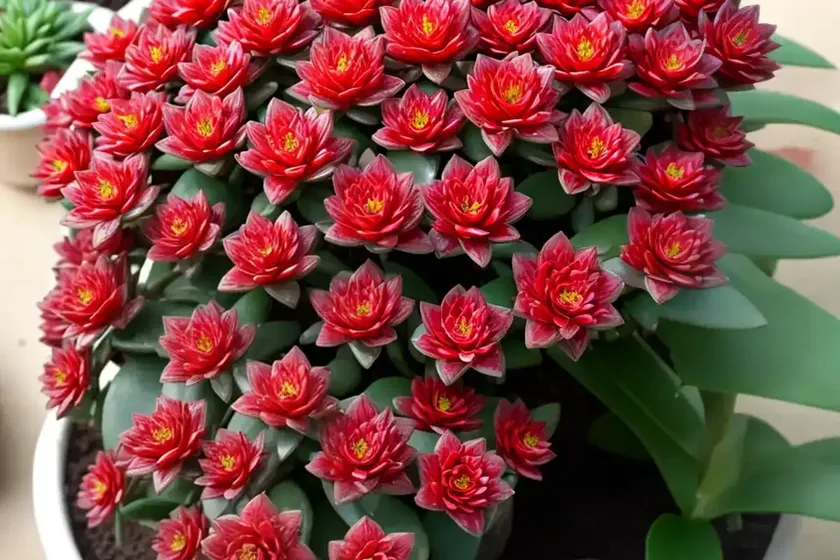
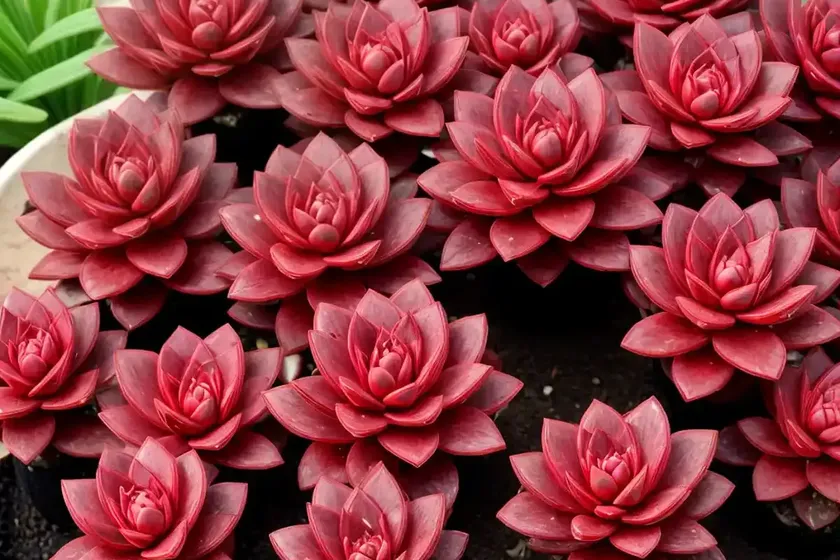
Plants are an essential part of our ecosystem, contributing not only to the overall aesthetics of the environment but also playing a significant role in maintaining ecological balance. Among the diverse range of plants, succulents have gained immense popularity due to their unique appearance and low maintenance requirements. One such fascinating succulent is the Red Pagoda (Crassula capitella). In this extensive guide, we will delve into the intriguing world of Crassula capitella, covering its culture, uses, care requirements, common diseases, pests, propagation techniques, and much more.
What is Red Pagoda (Crassula capitella)?
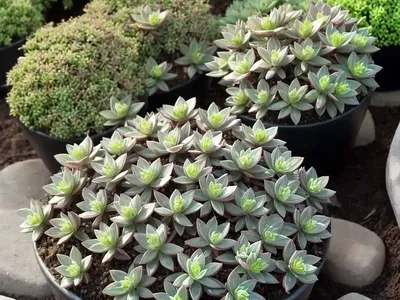
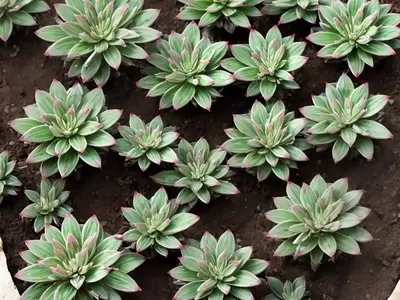
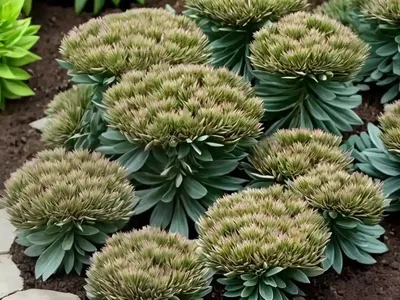
Crassula capitella, commonly known as Red Pagoda, is a visually striking succulent belonging to the family Crassulaceae. This South African native plant has distinctive stacked, triangular leaves that resemble the tiers of a pagoda, thus earning it the common name “Red Pagoda.” The plant’s architectural form and vibrant coloration add an ornamental appeal, making it a sought-after addition to succulent collections and ornamental gardens.
The Red Pagoda succulent exhibits remarkable adaptability, thriving in a wide range of environmental conditions. Whether cultivated in the ground or as a container plant, this succulent’s bold structure and vibrant hues make it an eye-catching feature in any setting. Moreover, its ability to withstand periods of neglect and survive in arid conditions further enhances its appeal to both novice and experienced gardeners.
Key Takeaways – Red Pagoda (Crassula capitella)
Let’s explore the key takeaways associated with the Red Pagoda succulent, ranging from its culture and uses to specific care requirements and common issues.
Culture
Red Pagoda (Crassula capitella) is often cherished for its unique cultural significance and ornamental value. Let’s delve into its cultural importance and the ways it enhances various settings.
-
Ornamental Significance: The Red Pagoda succulent is highly revered for its ornamental value, becoming a sought-after addition to both indoor and outdoor spaces.
-
Aesthetic Appeal: With its stacked, triangular leaves and vibrant red margins, Crassula capitella adds a captivating visual appeal to succulent gardens, rockeries, and xeriscapes.
-
Symbolism: In certain cultures, the Red Pagoda succulent conveys symbolic meanings, representing endurance, resilience, and adaptability, which further enhances its cultural significance.
Uses
The uses of the Red Pagoda succulent extend beyond mere ornamental value, encompassing a variety of practical and symbolic applications.
-
Ornamental Purposes: The plant is widely utilized for ornamental purposes, serving as a focal point in succulent arrangements, terrariums, and container gardens.
-
Symbolic Representation: In some cultures, the Red Pagoda succulent is revered for its symbolic significance, symbolizing prosperity, longevity, and enduring strength.
-
Medicinal Folklore: Although primarily cultivated for ornamental purposes, certain traditional practices attribute medicinal properties to the Red Pagoda succulent, associating it with healing and wellness.
Care
Successful cultivation of the Red Pagoda succulent hinges on maintaining optimal environmental conditions and providing appropriate care, including attention to water, sunlight, fertilizer, soil, pruning, and propagation.
-
Water: The watering needs of Crassula capitella should align with its succulent nature, necessitating a balance between adequate moisture and well-draining soil to prevent waterlogged conditions and root rot.
-
Sunlight: The Red Pagoda succulent thrives in bright, indirect sunlight, making it well-suited for placement in sunny windows, outdoor gardens, and sun-drenched landscapes. However, protection from intense midday sun may be necessary in exceptionally hot climates.
-
Fertilizer: When it comes to fertilizing the Red Pagoda succulent, a balanced, diluted fertilizer applied sparingly during the growing season can help support healthy growth and vibrant foliage.
-
Soil: Well-draining, porous soil with a slightly acidic to neutral pH is essential for Crassula capitella, promoting optimal root health and preventing moisture-related issues.
-
Pruning: Periodic pruning is instrumental in managing the growth and shape of the Red Pagoda succulent, promoting a compact, bushy form and rejuvenating older growth.
-
Propagation: The Red Pagoda succulent can be propagated from stem or leaf cuttings, offering an accessible and rewarding method to expand your succulent collection.
Popularity
The allure of the Red Pagoda succulent transcends geographical boundaries, captivating plant enthusiasts and collectors worldwide. Its popularity is evident in its widespread cultivation, representation in horticultural events, and prominence in ornamental plant collections.
-
Global Appeal: Crassula capitella enjoys global popularity, with widespread cultivation in various climates and regions, showcasing its adaptability and aesthetic charm.
-
Horticultural Interest: Plant enthusiasts and horticulturists often gravitate towards the Red Pagoda succulent, intrigued by its unique growth habits, color variations, and adaptable nature.
Container
The Red Pagoda succulent’s versatility extends to container culture, making it an excellent choice for potted arrangements, indoor displays, and small-space gardening.
-
Potted Displays: Crassula capitella thrives in containers, making it an appealing choice for tabletop arrangements, windowsill gardens, and small-scale landscaping projects.
-
Indoor Adaptability: Its adaptable nature allows for successful cultivation as an indoor plant, adding a distinctive visual element to interior spaces such as homes, offices, and conservatories.
Common Diseases
Despite its resilience, the Red Pagoda succulent is susceptible to specific diseases and issues that can affect its overall health and appearance. Awareness of common diseases and their management is crucial for maintaining plant vigor.
-
Pest susceptibility: Mealybugs, aphids, and spider mites are common pests that may infest Crassula capitella, leading to foliage damage and stress for the plant.
-
Fungal infections: Overly wet conditions can predispose the Red Pagoda succulent to fungal diseases such as powdery mildew and root rot, necessitating proactive prevention strategies.
Disease Diagnosis
Identifying and addressing potential diseases and issues promptly is paramount for preserving the health and vitality of the Red Pagoda succulent.
-
Visual Symptoms: Leaf discoloration, wilting, and abnormal growth patterns may indicate underlying issues, prompting the need for further investigation and intervention.
-
Integrated Management: Employing a combination of cultural, mechanical, and biological control methods can aid in disease management and prevention, ensuring the plant’s long-term well-being.
Common Pests
Pest infestations can pose a significant threat to the Red Pagoda succulent, compromising its aesthetic appeal and overall vigor. Familiarity with common pests and their control measures is crucial for safeguarding plant health.
-
Mealybugs: These small, white, cottony pests can colonize the foliage and stems of Crassula capitella, necessitating prompt action to prevent widespread infestation.
-
Aphids: Sap-feeding aphids can cause distortion and stunting of new growth, requiring targeted control measures to mitigate their impact on the Red Pagoda succulent.
-
Spider Mites: These arachnids can affect the Red Pagoda succulent, leading to stippled, discolored foliage and diminished plant vigor if left unaddressed.
Botanist’s Tips
As a plant scientist with a profound appreciation for the Red Pagoda succulent, I offer the following tips to enhance the cultivation and enjoyment of Crassula capitella.
-
Adequate Drainage: Ensure that the planting medium and containers provide excellent drainage to prevent waterlogging, which can compromise root health and lead to fungal issues.
-
Sunlight Management: While the Red Pagoda succulent thrives in bright light, protection from intense midday sun can prevent sunburn and foliage damage, especially in hot, arid climates.
-
Balanced Fertilization: Exercise restraint when fertilizing Crassula capitella, as excessive or frequent applications can lead to salt buildup and potential leaf burn.
Fun Facts
Exploring the fascinating world of the Red Pagoda succulent unveils captivating details and engaging anecdotes that further enhance its allure.
-
Cultural Significance: In certain cultures, the Red Pagoda succulent is regarded as a token of good fortune, resilience, and enduring strength, making it a popular choice for gifts and symbolic gestures.
-
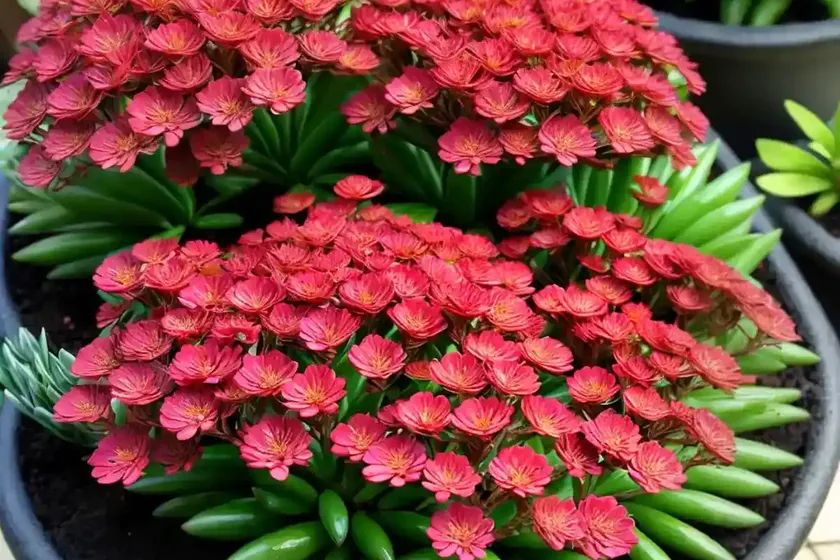
Color Variations: Some varieties of Crassula capitella exhibit distinct color variations, with foliage ranging from vibrant green with red edges to deep crimson hues, offering a diverse range of aesthetic options for enthusiasts.
-
Ecological Role: In its native habitat, the Red Pagoda succulent contributes to the ecological landscape, providing shelter and forage for pollinators and small wildlife species.
Links to External Resources
For comprehensive and authoritative information on the Red Pagoda (Crassula capitella) and related topics, I recommend exploring the following external resources:
-
Cactus and Succulent Society of America (CSSA): The CSSA provides valuable insights and resources on succulent gardening, species profiles, and cultivation tips for enthusiasts and beginners.
-
Royal Horticultural Society (RHS): The RHS offers a wealth of horticultural information, encompassing plant profiles, care guidelines, and practical advice for succulent and ornamental plant enthusiasts.
-
Succulent Plant Care: This online resource specializes in succulent care, propagation techniques, and troubleshooting guides for a diverse range of succulent species, including Crassula capitella.
-
University Cooperative Extension Services: Cooperative Extension Services provided by various universities offer locally relevant guidance on plant care, gardening, and pest management, catering to specific regional considerations.
-
World of Succulents: This comprehensive website features an extensive database of succulent species, including detailed care requirements, propagation methods, and species-specific information.
Conclusion
The Red Pagoda (Crassula capitella) stands as a testament to the captivating world of succulents, offering a blend of ornamental charm, cultural significance, and adaptability. Whether adorning tabletop arrangements, window displays, or outdoor landscapes, the striking foliage and resilient nature of this succulent make it a compelling choice for plant enthusiasts and collectors.
With a deeper understanding of its culture, uses, care requirements, common issues, and exquisite attributes, cultivating and appreciating the Red Pagoda succulent becomes an enriching and rewarding endeavor. Embracing the botanical wonders of Crassula capitella opens the door to a world of aesthetic appeal, cultural connections, and horticultural gratification.
So, embark on this botanical journey, and immerse yourself in the enchanting realm of the Red Pagoda (Crassula capitella), where timeless elegance merges with natural splendor.