Red Milkweed (Asclepias Incarnata)
As a plant scientist with a passion for native species, I couldn’t be more excited to delve into the captivating and essential world of Asclepias.
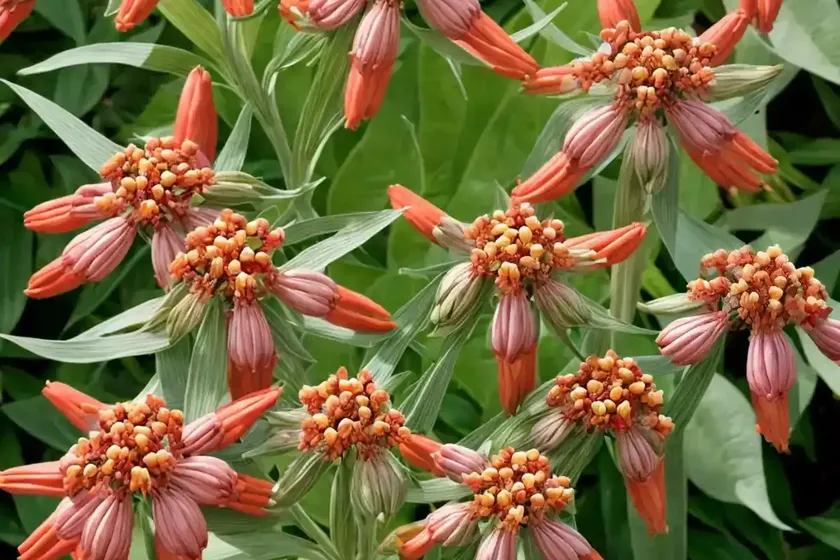
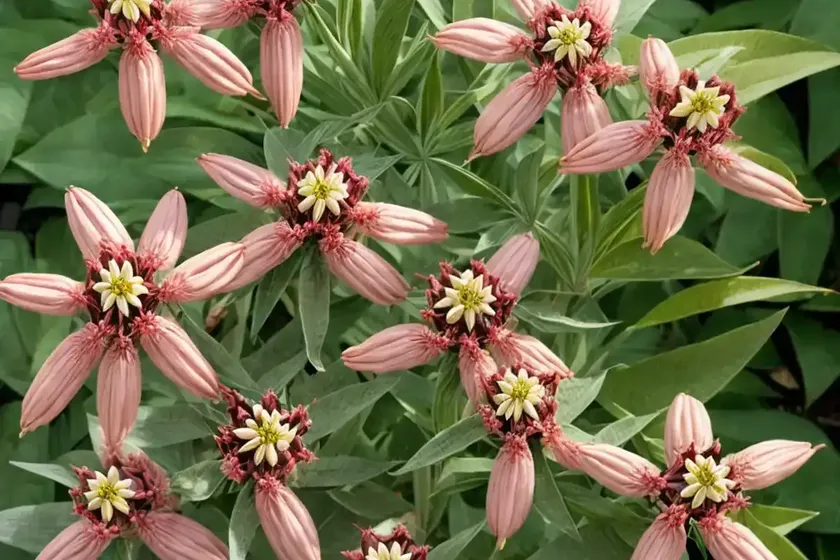
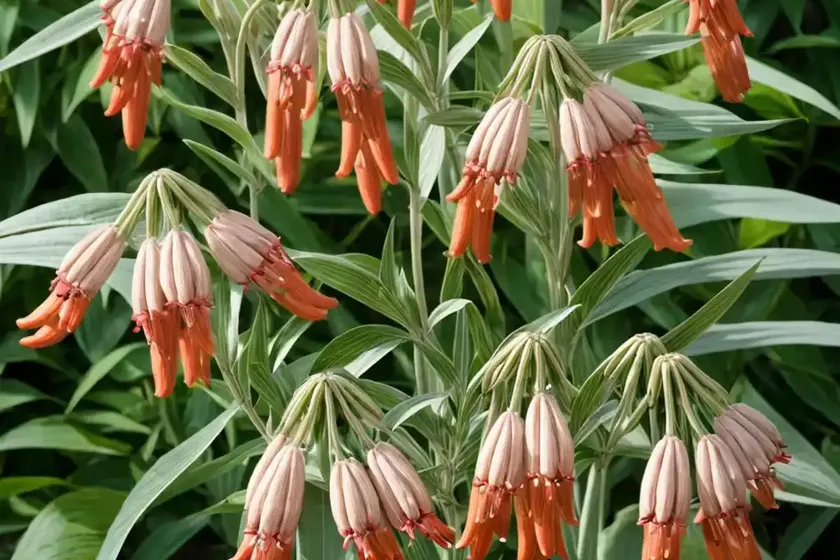
As a plant scientist with a passion for native species, I couldn’t be more excited to delve into the captivating and essential world of Asclepias Incarnata, commonly known as Red Milkweed. This delightful plant is not only a visually striking addition to any landscape but also serves as a crucial component in supporting biodiversity and ecological balance. Throughout this comprehensive guide, we will explore every aspect of Red Milkweed, from its cultural requirements to its ecological significance and everything in between.
What is Red Milkweed (Asclepias Incarnata)?
Asclepias Incarnata is a herbaceous, perennial plant native to North America and is part of the Apocynaceae family. It goes by several common names, including Red Milkweed, Swamp Milkweed, and Rose Milkweed. This striking plant is renowned for its vibrant clusters of red, pink, or white flowers which bloom from mid to late summer, making it a favorite among both gardeners and pollinators.
As a member of the milkweed family, Asclepias Incarnata plays a crucial role in the life cycle of monarch butterflies, serving as a primary host plant for their caterpillars. Additionally, the nectar-rich flowers attract a myriad of pollinators, including bees and butterflies, contributing to the overall health of local ecosystems.
Key Takeaways – Red Milkweed (Asclepias Incarnata)
Before we embark on a detailed exploration of the various aspects of Red Milkweed, let’s take a moment to highlight some key takeaways about this remarkable plant:
Cultural Overview
- Scientific Name: Asclepias Incarnata
- Common Names: Red Milkweed, Swamp Milkweed, Rose Milkweed
- Plant Type: Herbaceous Perennial
- Native Range: North America
- Flowering Time: Mid to Late Summer
- Ecological Significance: Essential for Monarch Butterflies and a Wide Array of Pollinators
Now that we have a general understanding of what Red Milkweed is, let’s dive deeper into its specific requirements and characteristics, beginning with its cultural needs.
Culture
Understanding the cultural requirements of Asclepias Incarnata is crucial for successfully cultivating and enjoying this stunning plant. From its preferred soil type to its watering needs, each aspect plays a vital role in ensuring the health and vibrancy of Red Milkweed. Let’s delve into each of these aspects one by one.
Uses
The versatile nature of Red Milkweed makes it a treasured addition to landscapes and gardens for several reasons:
- Garden Ornament: The vibrant clusters of flowers and attractive foliage make Red Milkweed a visually captivating addition to garden beds and borders.
- Wildlife Habitat: As a primary host plant for monarch butterflies and a nectar source for various pollinators, Red Milkweed significantly contributes to local biodiversity.
- Cut Flower Arrangements: The striking flowers of Asclepias Incarnata are ideal for creating eye-catching arrangements, adding a touch of natural beauty to indoor spaces.
Now, let’s explore the specific environmental conditions that are crucial for the flourishing of Red Milkweed.
Water
Asclepias Incarnata is generally accustomed to moist to wet soil and thrives in environments with consistent moisture. However, it is essential to find a balance, as it is susceptible to rot in excessively wet conditions. The following are some key considerations for watering Red Milkweed:
- Moist Soil: Red Milkweed prefers consistently moist soil, especially during the growing season. Adequate moisture is crucial for the plant’s overall health and robust growth.
- Avoid Waterlogging: While it enjoys moist conditions, it is essential to avoid waterlogging, as standing water can lead to root rot. Well-draining soil is vital for the health of Red Milkweed.
Understanding the watering needs of Asclepias Incarnata is fundamental for promoting its vigor and longevity. Now, let’s move on to another critical aspect of its culture—sunlight requirements.
Sunlight
Proper exposure to sunlight is paramount for the optimal growth and blooming of Asclepias Incarnata. Here are key points to consider regarding its sunlight requirements:
- Full Sun: Red Milkweed thrives in full sun, where it typically receives at least 6-8 hours of direct sunlight daily. Adequate sunlight is essential for robust growth and prolific flowering.
- Partial Shade: While it prefers full sun, Red Milkweed can tolerate some degree of shade, especially in hotter climates. However, reduced sunlight may lead to fewer flowers and a stretched, leggy growth habit.
Understanding the sunlight preferences of Red Milkweed aids in creating an environment where it can flourish and fulfill its ecological role. Let’s now turn our attention to another essential aspect—fertilization.
Fertilizer
Proper nutritional support is crucial for the healthy growth and blooming of Asclepias Incarnata. Here are some key considerations when it comes to fertilizing Red Milkweed:
- Minimal Fertilization: Red Milkweed generally does not require heavy fertilization. Excessive nutrients can lead to lush foliage at the expense of flowers, as well as disrupt its natural balance with local ecosystems.
- Organic Matter: Prior to planting, amending the soil with organic matter, such as compost, can provide a gentle and natural nutrient boost for Red Milkweed.
Given its ecological significance, it is essential to approach fertilization with caution to avoid any adverse impacts on the surrounding environment. Now, let’s shift our focus to the soil requirements of Red Milkweed.
Soil
Understanding the preferred soil type of Asclepias Incarnata is crucial for establishing a thriving and healthy plant. Here are some key considerations regarding the soil requirements for Red Milkweed:
- Moisture-Retentive: Red Milkweed thrives in soil that retains moisture without becoming waterlogged. Humus-rich, loamy soil is ideal for supporting its growth and vigor.
- pH Level: While adaptable to a range of pH levels, Red Milkweed generally prefers slightly acidic to neutral soil (pH 6.0-7.5).
By ensuring that the soil meets the specific requirements of Asclepias Incarnata, one can create an environment where it can thrive and serve its ecological purpose. Next, let’s explore the importance of pruning in maintaining the health and aesthetics of Red Milkweed.
Pruning
Proper pruning can help maintain the health, appearance, and longevity of Red Milkweed. Here are some key considerations when it comes to pruning Asclepias Incarnata:
- Deadheading: Regular deadheading, the removal of spent flowers, can promote continuous blooming and prevent the plant from expending energy on seed production.
- Trimming: Trimming back the foliage in late autumn or early spring can help rejuvenate the plant and encourage robust growth in the coming season.
By incorporating prudent pruning practices, one can ensure that Red Milkweed remains visually appealing while promoting its overall health and vigor. Now, let’s delve into the various methods of propagation for Asclepias Incarnata.
Propagation
Propagation is an essential aspect of cultivating Asclepias Incarnata, allowing for the expansion of its presence in gardens and landscapes. Here are some key methods of propagating Red Milkweed:
- Seed Propagation: Propagating from seeds is a popular and accessible method. Sowing seeds in a well-prepared seedbed or container in early spring can yield robust young plants by the growing season.
- Division: Mature Red Milkweed plants can be divided in early spring, with each division consisting of a portion of the root system and several shoots. This method is particularly useful for rejuvenating overgrown clumps.
By employing these propagation methods, one can not only expand their Red Milkweed population but also contribute to the conservation and proliferation of this essential plant. Additionally, the use of containers offers unique opportunities for cultivating Red Milkweed. Let’s explore its potential in container gardening.
Container Popularity
While Red Milkweed is commonly grown in garden beds and naturalized areas, it also thrives in container settings. Here are some key points to consider regarding its popularity in container gardening:
- Space Efficiency: Growing Red Milkweed in containers is ideal for those with limited garden space, allowing them to enjoy its beauty on patios, balconies, or small yards.
- Portability: Containers offer the flexibility to move Red Milkweed to different locations based on sunlight and aesthetic preferences, ensuring its optimal growth conditions.
By embracing container gardening, individuals can incorporate Red Milkweed into their outdoor spaces, regardless of the limitations of traditional garden beds. Now that we have explored the cultural aspects of Red Milkweed, let’s take a moment to understand its popularity and ecological significance.
Popularity
The growing popularity of Asclepias Incarnata can be attributed to several factors, including its visual appeal, ecological importance, and ease of cultivation. Here’s a closer look at its popularity:
- Ecological Significance: As a vital host plant for monarch butterflies and a nectar source for numerous pollinators, Red Milkweed has garnered significant attention from conservationists and gardeners alike.
- Visual Allure: The vibrant clusters of flowers, coupled with attractive foliage, make Red Milkweed a visually captivating addition to a variety of outdoor settings.
The surge in interest and appreciation for Red Milkweed aligns with the growing emphasis on supporting native plant species and fostering healthy, biodiverse ecosystems. Now that we have a comprehensive understanding of Red Milkweed’s cultural requirements and popularity, let’s turn our attention to potential challenges it may face, particularly in the form of diseases and pests.
Common Diseases
While Asclepias Incarnata is generally resilient, it can be susceptible to certain diseases under unfavorable conditions. Understanding these potential ailments is critical for preemptive management. Here are some common diseases that may affect Red Milkweed:
- Powdery Mildew: This fungal disease presents as a powdery white coating on the foliage, typically in humid conditions. It can weaken the plant and inhibit its growth.
- Leaf Spot: The development of dark, water-soaked spots on the leaves can be indicative of various leaf spot diseases. If left unchecked, these diseases can lead to defoliation and stunted growth.
By being vigilant and employing appropriate preventive measures, such as proper spacing and adequate airflow, one can mitigate the impact of these diseases on Red Milkweed. Let’s now shift our focus to the diagnosis and management of diseases in Red Milkweed.
Disease Diagnosis
Diagnosing and addressing diseases in Asclepias Incarnata is crucial for maintaining its health and vitality. Here are key steps in diagnosing and managing diseases in Red Milkweed:
- Visual Inspection: Regularly inspect the foliage for any signs of discoloration, spots, or abnormal growth. Early detection is pivotal in preventing the spread of diseases.
- Proper Identification: In the event of suspected disease, accurately identify the specific ailment affecting the plant to facilitate targeted and effective management strategies.
By promptly diagnosing potential diseases and taking appropriate actions, one can safeguard the health and longevity of Red Milkweed in outdoor settings. Now, let’s turn our attention to the potential threats posed by various pests to Asclepias Incarnata.
Common Pests
While Asclepias Incarnata serves as a primary host plant for monarch butterflies, it can also attract certain pests. Understanding these potential adversaries is essential for safeguarding the plant from detrimental infestations. Here are some common pests that may affect Red Milkweed:
- Aphids: These small, sap-sucking insects can cause distortion and yellowing of the leaves, impacting the overall health of the plant.
- Milkweed Bugs: While not as damaging as some other pests, milkweed bugs can feed on the seeds and pods of Red Milkweed, potentially impacting its reproduction.
By implementing integrated pest management strategies and fostering natural predator populations, one can effectively mitigate the impact of pests on Red Milkweed. Now that we’ve covered potential diseases and pests, let’s shift our focus to practical tips for cultivating and nurturing Asclepias Incarnata.
Botanist’s Tips
As a plant scientist with a passion for native species, I’ve gathered several key tips for successfully cultivating and nurturing Red Milkweed. Here are some practical insights to help you foster a thriving and resilient population of Asclepias Incarnata:
- Embrace Native Planting: Incorporate Red Milkweed into native planting schemes to support local biodiversity and foster ecologically resilient landscapes.
- Observe Wildlife Interactions: Take note of the diverse pollinators and other wildlife that are attracted to Red Milkweed, furthering your appreciation for its ecological significance.
By heeding these tips, you can play a significant role in promoting the health and sustainability of Red Milkweed populations in your local environment. Now, let’s indulge in some fascinating and lesser-known facts about Red Milkweed.
Fun Facts
Uncovering the lesser-known aspects of Red Milkweed can deepen our appreciation for this remarkable plant. Here are some captivating and fun facts about Asclepias Incarnata:
- Natural Dye: Historically, the vibrant flowers of Red Milkweed were used to create natural dyes, imparting beautiful shades of pink and red to textiles and other materials.
- Ecological Importance: Red Milkweed contributes to the restoration and preservation of wildlife habitats, serving as a cornerstone for the survival of numerous pollinator species, including monarch butterflies.
Discovering these intriguing facts underscores the multifaceted nature of Red Milkweed, further enhancing its allure and value. As we continue to unravel the compelling attributes of Asclepias Incarnata, let’s further expand our knowledge by exploring external resources dedicated to this captivating plant.
Links to External Resources
- National Wildlife Federation – Red Milkweed
- Lady Bird Johnson Wildflower Center – Asclepias Incarnata
- Xerces Society – Gardening for Monarchs
- USDA Plants Database – Asclepias Incarnata
These external resources provide a wealth of information and guidance for those interested in deepening their understanding and appreciation of Red Milkweed and its vital ecological role. With this fundamental knowledge and an enriched perspective, we can continue to champion the conservation and cultivation of this essential native plant species.
In conclusion, Asclepias Incarnata, or Red Milkweed, stands as a testament to the captivating beauty and ecological significance of native plant species. From its vibrant flowers that attract an array of pollinators to its pivotal role as a host plant for monarch butterflies, Red Milkweed embodies the inextricable link between native flora, wildlife, and healthy ecosystems. By embracing the cultural requirements, nurturing its growth, and celebrating its ecological contributions, we can collectively elevate the status of Red Milkweed and ensure its enduring presence in our natural landscapes.
With this comprehensive guide, I hope to inspire and empower fellow enthusiasts to embark on their own journey of discovery and stewardship, championing the preservation and proliferation of Asclepias Incarnata for generations to come.
As we continue to appreciate and advocate for the ecological marvel that is Red Milkweed, let us also embrace the invaluable lessons it imparts—a harmonious and symbiotic coexistence with the natural world, where every plant, every pollinator, and every ecosystem plays an integral role in sustaining the intricate web of life.
With a deep-rooted passion for native plant conservation and a relentless commitment to nurturing biodiverse landscapes, I invite you to join me in celebrating the timeless allure and ecological importance of Asclepias Incarnata, the resplendent Red Milkweed. Together, let us sow the seeds of appreciation and preservation, embodying a shared dedication to the vitality and richness of our natural world.