Red Maple (Acer Rubrum)
Red Maple, scientifically known as Acer Rubrum, is a deciduous tree from the Aceraceae family. It is native to North America, particularly in the eastern part of the continent. Renowned for its vibrant autumn foliage, the Red Maple is a fast-growing, broadleaf tree and a popular choice for landscaping. Its red-colored leaves and versatile uses, from ornamental to maple syrup production, make it a valuable addition to both natural and cultivated landscapes.
In this comprehensive guide, we will delve into the key characteristics and factors involved in the cultivation and maintenance of Red Maple trees. From understanding their cultural requirements to diagnosing and addressing common diseases and pests, this guide aims to provide plant enthusiasts, gardeners, and arborists with valuable insights into nurturing healthy and thriving Red Maple specimens.
Key Takeaways – Red Maple (Acer Rubrum)
Before we delve deeper into the intricacies of Red Maple cultivation, let’s establish the key takeaways associated with this iconic tree:
- Scientific Name: Acer Rubrum
- Common Name: Red Maple
- Family: Aceraceae
- Type: Deciduous tree
- Origin: North America
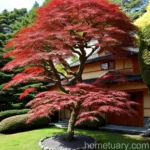
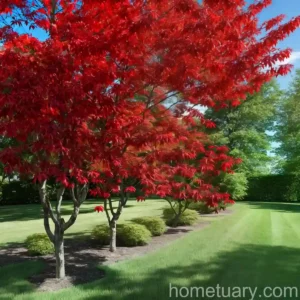
- Distinct Feature: Vibrant autumn foliage
- Uses: Ornamental, maple syrup production
- Growth Rate: Fast-growing
- Leaf Color: Red
- Environmental Benefits: Wildlife habitat, environmental resilience
- Preferred Habitat: Wet soils, adaptable to various conditions
- Cultural Significance: Landscape tree, urban planting, street tree
- Commercial Use: Timber production
Now that we have an overview of the essential attributes of Red Maple, let’s explore the various aspects of cultivating and caring for these remarkable trees.
Culture
Understanding the cultural needs of Red Maple trees is fundamental to promoting their growth and vitality. From water requirements to soil preferences, the following factors are crucial for creating favorable conditions for Red Maple cultivation.
Water
Red Maple trees thrive in moist to wet soil conditions, and they exhibit an impressive tolerance for waterlogged areas. However, they can also adapt to well-drained soils, showcasing their versatility in various environments. When establishing young Red Maple trees, it is essential to provide regular watering, especially during dry spells, to support their root development and overall growth. Once established, they showcase resilience to occasional droughts, demonstrating their capacity to adapt to fluctuating water availability.
Sunlight
Red Maple trees exhibit a preference for full sun to partial shade. While they thrive in direct sunlight, they are also adaptable to partial shade conditions, making them suitable for a range of landscapes and urban settings. When planting Red Maple trees, it is essential to consider their potential growth and the surrounding landscape to ensure they receive adequate sunlight for optimal development.
Fertilizer
In terms of fertilization, Red Maple trees benefit from a balanced application of nutrients to support their growth and vitality. A slow-release, balanced fertilizer applied in the early spring can provide the necessary nutrients for healthy foliage and root development. Additionally, organic mulch can be used to enrich the soil and retain moisture, contributing to the overall well-being of Red Maple trees.
Soil
While Red Maple trees showcase a preference for moist to wet soils, they can adapt to a wide range of soil types, including loamy, sandy, and clay soils. They exhibit a level of tolerance for acidic soil conditions, making them adaptable to various pH levels. However, ensuring good drainage will prevent waterlogged soil, supporting the long-term health of Red Maple trees.
Pruning
Pruning is an essential aspect of maintaining the health and aesthetic appeal of Red Maple trees. When pruning these trees, it is crucial to focus on removing dead or damaged branches, promoting proper air circulation, and shaping the tree to enhance its structural integrity. Additionally, pruning can be employed to manage the growth of young Red Maple trees and maintain a balanced canopy.
Propagation
The propagation of Red Maple trees can be achieved through various methods, including seed propagation and vegetative propagation techniques such as grafting and cutting. Seed propagation involves collecting and germinating Red Maple seeds, while vegetative propagation methods enable the replication of desirable traits from existing Red Maple specimens.
Container Popularity
Red Maple trees are increasingly popular choices for container planting, particularly in urban and suburban settings. Their adaptability to container growth and their aesthetic appeal make them sought-after options for introducing greenery and seasonal color to outdoor spaces. When selecting containers for Red Maple trees, it is important to consider their size and drainage capabilities to ensure the trees’ long-term health and vitality.
Common Diseases
While Red Maple trees are generally resilient, they can be susceptible to certain diseases that warrant attention and proactive management. Understanding the common diseases affecting Red Maple trees and their associated symptoms is crucial for prompt diagnosis and effective treatment.
Disease Diagnosis
Common diseases that may affect Red Maples include:
- Anthracnose: Characterized by leaf spots and defoliation.
- Leaf Scorch: Manifests as browning and drying of leaf margins.
- Root Rot: Caused by fungal pathogens and visible through wilting and decline.
Early detection and diagnosis of these diseases are essential for implementing suitable control measures and preserving the health of Red Maple trees.
Common Pests
Red Maple trees can face infestations from various pests, impacting their foliage and overall vigor. Identifying common pests and their associated signs can aid in proactive pest management and preserving the vitality of Red Maple specimens.
Botanist’s Tips
For aspiring botanists and plant enthusiasts, here are some valuable tips for cultivating and caring for Red Maple trees:
- Environmental Adaptability: Red Maple trees showcase remarkable adaptability to various environmental conditions, making them suitable for diverse landscapes and climate zones.
- Water Management: While tolerant of moist soils, proper water management during the establishment phase is crucial for the long-term health of Red Maple trees.
- Seasonal Considerations: The distinct seasonal changes of Red Maple foliage make them a captivating feature in landscapes, providing vibrant colors during the autumn months.
- Proactive Care: Regular monitoring for signs of diseases and pests, along with timely pruning and fertilization, can contribute to the overall well-being of Red Maple trees.
Fun Facts
To enhance your appreciation for Red Maple trees, here are some fascinating and little-known facts about these iconic specimens:
- The red-colored leaves of Red Maple exhibit striking hues during the fall, adding a burst of color to landscapes.
- Red Maple trees are valued for their timber production, contributing to various woodworking applications.
- The sap of Red Maple trees, while less commonly used for maple syrup production than Sugar Maple, can still be utilized to produce syrup and other maple-based products.
- The adaptability of Red Maple trees to urban environments makes them valuable contributors to urban forestry and green spaces.
Links to External Resources
For further exploration of Red Maple trees and their cultivation, the following resources provide valuable insights and information:
- USDA Natural Resources Conservation Service: Acer Rubrum
- The Morton Arboretum: Red Maple
- University of Florida IFAS Extension: Red Maple
In conclusion, Red Maple (Acer Rubrum) stands as a remarkable and valuable tree species, offering aesthetic appeal, environmental resilience, and versatile uses. Understanding the cultural requirements, diseases, and pests associated with Red Maples is essential for promoting their health and long-term vitality in various landscapes. By incorporating the insights and tips provided in this guide, plant enthusiasts and practitioners can embark on successful Red Maple cultivation and contribute to the preservation and appreciation of this iconic North American tree species.