Annual Bluegrass (Poa Annua)
As plant scientists, we are constantly fascinated by the diverse world of plant species and the intricate details of each one. In this comprehensive guide.
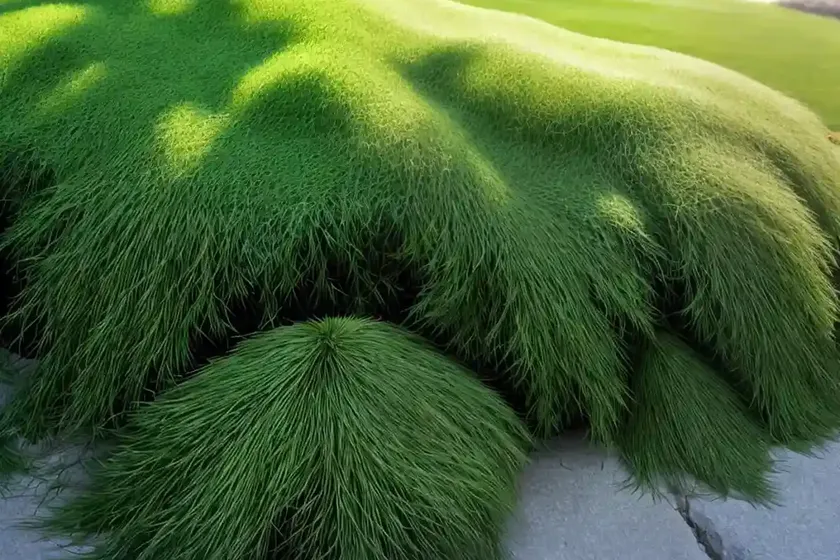

As plant scientists, we are constantly fascinated by the diverse world of plant species and the intricate details of each one. In this comprehensive guide, we will delve into the intriguing realm of Annual Bluegrass (Poa Annua), exploring its characteristics, cultivation, uses, maintenance, and much more. This guide aims to provide valuable insights for plant enthusiasts, gardeners, and anyone intrigued by the enigmatic nature of this plant. Let’s embark on a journey to unravel the mysteries of Annual Bluegrass.
What is Poa Annua (Annual Bluegrass)?
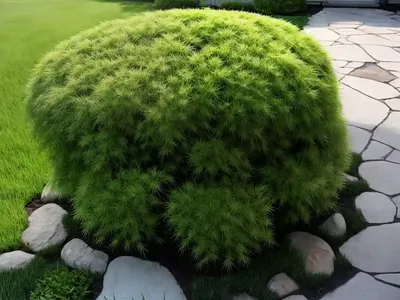
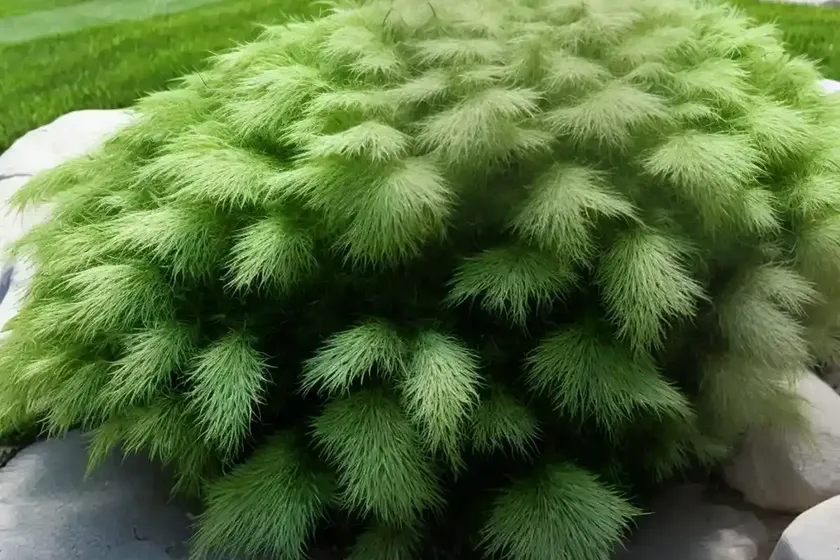
Poa Annua, commonly known as Annual Bluegrass, is a ubiquitous grass species that belongs to the Poaceae family. This grass species is known for its adaptability and resilience, often thriving in a variety of environments. It is characterized by its fine texture and vibrant green color, making it a popular choice for lawns, golf courses, and sports fields.
Characteristics of Poa Annua
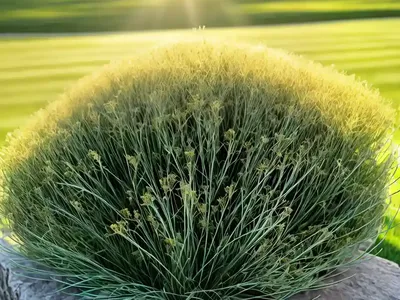
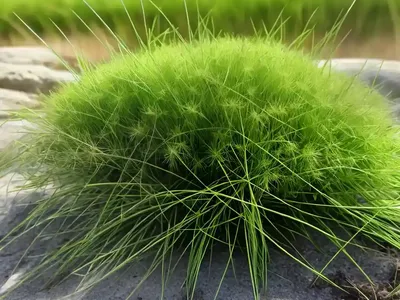
- Appearance: Annual Bluegrass typically exhibits fine blades and a tufted growth habit, creating a dense and lush appearance.
- Growth Habit: It is an annual grass species, known for its rapid growth and seed production.
- Seed Heads: The seed heads of Annual Bluegrass are a distinguishing feature, often appearing in clusters and contributing to its ornamental value.
- Adaptability: Poa Annua displays a remarkable ability to thrive in diverse soil types and climatic conditions.
Uses of Annual Bluegrass
Annual Bluegrass is utilized in various settings due to its favorable characteristics. Some of its primary uses include:
- Lawn Grass: It is commonly used as a component of lawn grass, adding a fine texture and vibrant color to lawns.
- Golf Courses: Annual Bluegrass is often incorporated into golf course turf due to its ability to establish quickly and provide an attractive playing surface.
- Sports Fields: Many sports fields feature Annual Bluegrass as part of their turf, particularly in cooler climates where its growth is prolific.
Now that we have gained a preliminary understanding of Annual Bluegrass, let’s explore the fundamental factors that influence its cultivation and maintenance.
Key Takeaways – Annual Bluegrass (Poa Annua)
Culture
Cultivating Annual Bluegrass requires an understanding of its specific requirements and growth patterns.
- Preferred Climate: This grass species thrives in cool, temperate climates and demonstrates adaptability to varying moisture levels.
- Growth Period: It typically displays vigorous growth during the cooler seasons, making it well-suited for regions with distinct seasonal changes.
Water
Water is a crucial element in nurturing healthy Annual Bluegrass and ensuring its optimal growth.
- Watering Frequency: Regular, consistent watering is essential, particularly during the establishment phase and periods of dryness.
- Moisture Retention: Annual Bluegrass tends to benefit from well-draining soil while requiring adequate moisture to support its growth.
Sunlight
Understanding the sunlight requirements of Annual Bluegrass is vital for its successful cultivation.
- Sun Exposure: This grass species typically thrives in areas with partial shade to full sun, with the ideal balance varying based on local climate conditions.
Fertilizer
Applying appropriate fertilizers can significantly impact the health and vibrancy of Annual Bluegrass.
- Nutrient Requirements: Annual Bluegrass benefits from nitrogen-rich fertilizers while responding favorably to balanced formulations during different growth stages.
- Application Frequency: Regular and consistent fertilization, especially during the growing season, is beneficial for maintaining robust growth.
Soil
The soil composition plays a pivotal role in supporting the growth and development of Annual Bluegrass.
- pH Level: Fertile, slightly acidic soils with a pH range of 6.0-7.0 are conducive to the thriving of this grass species.
- Soil Texture: Well-draining, loamy soils are ideal for Annual Bluegrass, promoting healthy root development and moisture retention.
Pruning
Pruning practices are crucial for managing the growth and appearance of Annual Bluegrass in various settings.
- Mowing Height: Regular mowing at an appropriate height helps maintain the desired appearance and promotes denser growth.
- Thatch Management: Thatch accumulation should be monitored and managed to prevent detrimental effects on the grass’s health.
Propagation
Understanding the propagation methods for Annual Bluegrass is essential for expanding its presence in desired areas.
- Seed Propagation: Annual Bluegrass is commonly propagated through seeding, requiring attention to optimal sowing times and seedbed preparation.
Container Popularity
Annual Bluegrass is also favored for container gardening, offering a versatile option for smaller outdoor spaces and indoor environments.
- Container Size: It can thrive in a range of container sizes, providing flexibility for incorporating greenery in limited spaces.
- Indoor Cultivation: Under suitable conditions, Annual Bluegrass can be grown indoors, contributing to interior décor and enhancing indoor air quality.
Container Common Diseases
When cultivated in containers, Annual Bluegrass may be susceptible to specific diseases.
- Root Rot: Excessive soil moisture and poor drainage in containers can lead to root rot issues, necessitating careful management of watering practices.
- Fungal Diseases: Containers can create a conducive environment for certain fungal diseases, warranting vigilant monitoring and preventive measures.
Disease Diagnosis
The identification of diseases affecting Annual Bluegrass is crucial for implementing timely interventions.
- Symptom Recognition: Familiarizing oneself with the symptoms of common grass diseases enables prompt diagnosis and targeted treatment.
- Diagnostic Tools: Utilizing diagnostic tools and consulting with plant health experts aids in accurately identifying diseases affecting Annual Bluegrass.
Common Pests
Pests pose a potential threat to the health and vigor of Annual Bluegrass, necessitating preventive strategies.
- Insect Identification: Identifying and monitoring pests such as aphids, cutworms, and grasshoppers is essential for implementing effective pest control measures.
- Integrated Pest Management: Emphasizing integrated pest management approaches promotes sustainable pest control while minimizing negative environmental impacts.
Botanist’s Tips
As botanists, we uncover valuable insights and strategies for cultivating and preserving Annual Bluegrass.
- Soil Testing: Conducting regular soil tests aids in determining the pH levels and nutrient content, guiding informed fertilization practices for Annual Bluegrass.
- Mowing Best Practices: Adhering to appropriate mowing heights and frequencies contributes to the overall health and aesthetic appeal of Annual Bluegrass lawns and turf.
- Disease Monitoring: Regular observation and monitoring of Annual Bluegrass for signs of disease enable early detection and intervention, minimizing potential damage.
Fun Facts
As we navigate the intricacies of Annual Bluegrass, let’s uncover some intriguing and lesser-known facts about this resilient plant species:
- Rapid Germination: Annual Bluegrass is known for its rapid seed germination, often establishing itself quickly in diverse environments.
- Ornamental Value: Despite being considered a weed in some contexts, Annual Bluegrass can exhibit ornamental qualities, particularly in lawns and turf settings.
- Biodiversity Support: The lush growth of Annual Bluegrass can contribute to supporting diverse insect and small animal populations in its habitat.
Now that we have explored the various aspects of Annual Bluegrass, it is essential to provide access to reputable external resources for further learning and reference.
Links to External Resources
- Poa Annua: Biology, Management, and the Implications for Sports Turf
- Annual Bluegrass – University of California Statewide Integrated Pest Management Program
- Annual Bluegrass Information – Penn State Extension
- Turfgrass Weed Control for Professionals – Purdue University
With this comprehensive guide, we have unraveled the enigmatic characteristics and cultivation essentials of Annual Bluegrass (Poa Annua), shedding light on its adaptability, uses, and maintenance. Whether you are a landscape enthusiast, a turfgrass expert, or simply intrigued by the intriguing world of plant species, this guide equips you with valuable knowledge to appreciate and cultivate Annual Bluegrass with confidence and expertise.