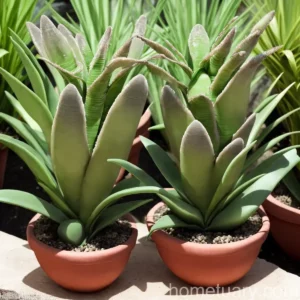
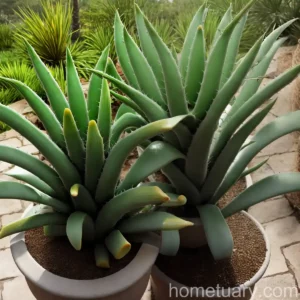
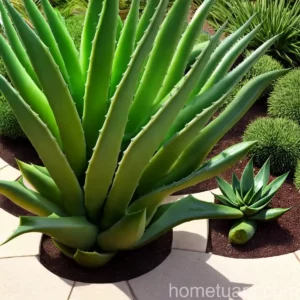
The Stunning Red-Hot Poker (Kniphofia ‘Mango Popsicle’)
Plants have always been a source of fascination and wonder. Their diversity, beauty, and functionality make them a crucial component of the natural world. Among these intriguing botanical specimens is the red-hot poker plant, specifically the Kniphofia ‘Mango Popsicle’. In this comprehensive guide, we will explore the various aspects of this captivating plant, including its culture, uses, care requirements, propagation, common diseases, and much more.
What Is the Red-Hot Poker (Kniphofia ‘Mango Popsicle’)?
The Kniphofia ‘Mango Popsicle’ is a striking perennial plant known for its vibrant and showy flowers. As a variety of the red-hot poker plant, it belongs to the genus Kniphofia, which is renowned for its distinctive spike-like clusters of flowers. The ‘Mango Popsicle’ cultivar is particularly cherished for its compact growth habit, making it a popular choice for gardens and landscapes.
Key Takeaways – Red-Hot Poker (Kniphofia ‘Mango Popsicle’)
Before delving into the detailed care and maintenance aspects, let’s outline the key takeaways for the red-hot poker (Kniphofia ‘Mango Popsicle’):
- Plant Name: Red-Hot Poker (Kniphofia ‘Mango Popsicle’)
- Other Names: Mango Popsicle plant
- Family: Asphodelaceae
- Type: Perennial
- Sunlight: Full sun to partial shade
- Watering: Moderate
- Soil: Well-draining, fertile soil
- Uses: Ornamental, landscaping
- Common Diseases: Leaf spot, rust
- Common Pests: Aphids, thrips
- Propagation: Division, seeds
- Pruning: Deadheading spent flowers
- Container Popularity: Suitable for containers
- Fun Facts: Attracts pollinators, deer resistant
Now, let’s delve into each of these aspects in more detail to gain a comprehensive understanding of the red-hot poker (Kniphofia ‘Mango Popsicle’).
Culture
The culture of the Kniphofia ‘Mango Popsicle’ involves understanding its origin, growth habits, and preferred conditions for optimal development.
Origin
The Kniphofia genus is native to South Africa, where it thrives in the wild in a range of habitats, from grasslands to mountainous regions. This species is known for its ability to withstand harsh conditions and is often found in semi-arid landscapes, making it a resilient and adaptable plant.
Growth Habit
The ‘Mango Popsicle’ cultivar is prized for its compact growth habit, typically reaching a height of around 18-24 inches (45-60 cm) and a spread of 12-18 inches (30-45 cm). This makes it an excellent choice for smaller gardens, borders, and container gardening.
Preferred Conditions
To thrive, the Kniphofia ‘Mango Popsicle’ requires well-draining soil with a good fertility level. It is essential to provide the plant with adequate sunlight, although it can tolerate partial shade. Additionally, the plant benefits from regular watering, particularly during dry spells, while also displaying tolerance to periods of drought.
Uses
The red-hot poker (Kniphofia ‘Mango Popsicle’) is primarily utilized for ornamental and landscaping purposes due to its striking appearance and vibrant flowers. Its uses include:
- Garden Borders: The tall spikes of colorful flowers make the ‘Mango Popsicle’ an excellent choice for garden borders, where it adds a vertical element and visual interest.
- Containers: Due to its compact growth habit, the plant is well-suited for container gardening, allowing individuals with limited space to enjoy its beauty on patios, balconies, or small urban gardens.
- Pollinator Gardens: The nectar-rich flowers of Kniphofia ‘Mango Popsicle’ attract hummingbirds, bees, and butterflies, making it an excellent addition to pollinator-friendly gardens.
Water
Understanding the water requirements of the red-hot poker (Kniphofia ‘Mango Popsicle’) is essential for ensuring its health and vitality.
Watering Guidelines
The ‘Mango Popsicle’ plant thrives in moderately moist soil. While it can withstand periods of drought, consistent watering is beneficial, particularly during the hot summer months. When cultivating this plant, it’s essential to strike a balance to prevent waterlogging, which can lead to root rot, while also avoiding prolonged periods of dryness.
Watering Frequency
During the growing season, aim to water the plant thoroughly once a week, ensuring the soil is moist but not waterlogged. In hotter climates, or during prolonged dry spells, more frequent watering may be necessary to maintain optimal growing conditions. Monitor the soil moisture levels and adjust the watering frequency accordingly.
Sunlight
Proper exposure to sunlight is crucial for the growth and flowering of the red-hot poker (Kniphofia ‘Mango Popsicle’).
Sun Requirements
Kniphofia ‘Mango Popsicle’ thrives in full sun to partial shade. While it can tolerate some shade, the plant produces the most vibrant and prolific blooms when provided with at least 6-8 hours of direct sunlight daily. When planting or positioning the ‘Mango Popsicle’ in the garden, choose a location that receives ample sunlight to encourage robust flowering.
Sunlight Tips
- Morning Sun: Offering the plant morning sun exposure is particularly beneficial, as it helps to dry the foliage, reducing the risk of fungal diseases, and provides the plant with the energy it needs for photosynthesis.
- Shade Considerations: In hotter climates, providing some afternoon shade can help protect the plant from excessive heat and reduce water stress. However, ensure that the shaded area still receives adequate light for healthy growth.
Fertilizer
Feeding the red-hot poker (Kniphofia ‘Mango Popsicle’) with appropriate fertilizers contributes to its overall health and vigor, promoting robust growth and prolific flowering.
Fertilizer Type
A balanced, slow-release fertilizer with an NPK ratio of around 10-10-10 or a similar formulation is suitable for Kniphofia ‘Mango Popsicle’. This provides the plant with the essential nutrients it needs for healthy development, including nitrogen (N) for foliage growth, phosphorus (P) for flower production, and potassium (K) for overall vigor.
Fertilizing Schedule
- Spring: Apply a granular, slow-release fertilizer in early spring as new growth emerges. Sprinkle the fertilizer around the base of the plant, following the package instructions for the recommended amount.
- Midsummer Boost: During the midsummer period, when the plant is actively flowering, consider providing a supplemental dose of liquid fertilizer to support the development of new blooms and maintain strong, healthy foliage.
Soil
The soil composition and quality play a significant role in the growth and overall well-being of the Kniphofia ‘Mango Popsicle’.
Soil Type
The ‘Mango Popsicle’ plant thrives in well-draining soil with a good fertility level. A loamy soil type is particularly beneficial, as it provides an optimal balance of drainage and moisture retention. Additionally, the soil should be rich in organic matter to support robust growth and prolific flowering.
pH Level
Maintaining a slightly acidic to neutral soil pH in the range of 6.0-7.0 is ideal for Kniphofia ‘Mango Popsicle’. Performing a soil test can help determine the pH level and identify any necessary amendments to achieve the desired soil acidity for the plant’s health and development.
Soil Preparation
Prior to planting, prepare the soil by incorporating well-rotted compost or organic matter to improve its structure and fertility. This enhances the soil’s ability to retain moisture while also promoting aeration and root development.
Pruning
Appropriate pruning practices are essential for maintaining the health, appearance, and flowering performance of the red-hot poker (Kniphofia ‘Mango Popsicle’).
Deadheading
Regular deadheading of spent flowers is beneficial for the ‘Mango Popsicle’ plant. This involves removing faded or spent flower spikes promptly to encourage the development of new blooms. Deadheading not only prolongs the flowering period but also prevents the plant from expending energy on seed production, directing its resources towards new growth and blossoms.
Pruning Frequency
Deadheading can be performed as needed throughout the flowering season, typically from late spring through late summer. As soon as a flower spike begins to fade, trim it back to the base of the plant using sharp, clean pruners to promote a tidy appearance and encourage continuous flowering.
Propagation
The propagation of Kniphofia ‘Mango Popsicle’ can be achieved through different methods, allowing gardeners to expand their plant collection or share it with others.
Division
Dividing mature clumps of Kniphofia ‘Mango Popsicle’ is a common and effective propagation method. This process involves carefully lifting the plant from the ground and separating the rhizomes or offsets to create new individual plants. Division is typically carried out in early spring, allowing the divided segments to establish themselves before the onset of summer.
Seeds
Propagation from seeds is also a viable option for growing Kniphofia ‘Mango Popsicle’. Collect ripe seeds from the plant and sow them in containers or directly in the garden soil. Provide the seeds with the appropriate growing conditions, including consistent moisture and warmth, to support germination and early growth.
Propagation Tips
- Hybrid Vigor: When dividing the plant, ensure that each segment has a healthy root system and several growing points to promote strong, vigorous growth in the new divisions.
- Seed Starting: Start seeds indoors in a warm, well-lit environment before transplanting the seedlings into the garden after the danger of frost has passed for successful establishment.
Container Popularity
The compact nature of the Kniphofia ‘Mango Popsicle’ makes it well-suited for cultivation in containers, allowing individuals with limited garden space to enjoy the plant’s beauty.
Container Selection
When selecting a container for the ‘Mango Popsicle’ plant, choose a pot with adequate drainage holes to prevent waterlogging. The container should also provide ample space for the plant’s roots to develop and access to sunlight for healthy growth.
Growing Medium
Use a well-draining, fertile potting mix when planting Kniphofia ‘Mango Popsicle’ in containers. A mix formulated for flowering perennials or a blend of peat, perlite, and compost can provide the ideal growing medium for the plant’s container cultivation.
Container Care
Regularly monitor the soil moisture levels in the container and water the plant as needed to keep the soil consistently moist but not waterlogged. Additionally, feed the ‘Mango Popsicle’ plant with a balanced liquid fertilizer during the growing season to support its nutritional needs.
Common Diseases
Like many plants, Kniphofia ‘Mango Popsicle’ is susceptible to certain diseases that can impact its health and appearance. Being aware of these ailments and their management is crucial for maintaining the plant’s vitality.
Leaf Spot
Leaf spot, caused by fungal pathogens, can manifest as discolored lesions or spots on the plant’s foliage. This disease typically thrives in moist, warm conditions and can lead to leaf yellowing and premature leaf drop if left untreated.
Rust
Rust is another fungal disease that can affect the ‘Mango Popsicle’ plant, causing orange or rusty-colored spots or pustules on the leaves. Severe rust infestations can weaken the plant and diminish its aesthetic appeal.
Disease Diagnosis
Diagnosing and managing diseases affecting Kniphofia ‘Mango Popsicle’ involves careful observation and proactive measures to prevent the spread of infections.
Early Detection
Regularly inspect the plant’s foliage for any signs of discoloration, spots, or unusual patterns. Early detection of diseases allows for prompt intervention, minimizing the impact on the overall health of the plant.
Proper Air Circulation
Provide the ‘Mango Popsicle’ plant with adequate air circulation by spacing it appropriately and avoiding overcrowding. Good air movement helps reduce the risk of fungal diseases by preventing the buildup of excessive moisture around the foliage.
Common Pests
In addition to diseases, Kniphofia ‘Mango Popsicle’ may also encounter pests that can pose a threat to its well-being.
Aphids
Aphids are small, soft-bodied insects that can infest the plant’s tender shoots and new growth, causing distortion of leaves and the potential transmission of viral diseases. They can be found in clusters on the undersides of leaves and along the stems.
Thrips
Thrips are tiny, slender insects that feed on plant sap, often causing stippling or silvering of the foliage. These pests can also affect flower development and quality if left unchecked.
Botanist’s Tips
To cultivate and care for the red-hot poker (Kniphofia ‘Mango Popsicle’) successfully, consider the following expert tips and recommendations:
- Opt for Well-Draining Soil: Ensure the plant is positioned in well-draining soil to prevent water-related issues and promote healthy root development.
- Mulch Application: Apply a layer of organic mulch around the base of the plant to conserve moisture, suppress weed growth, and provide essential nutrients as it breaks down.
- Overwintering Precautions: In regions with harsh winters, consider providing protective mulching or covering for the plant to shield it from extreme cold.
Fun Facts
Uncover interesting and captivating facts about the red-hot poker (Kniphofia ‘Mango Popsicle’):
- Deer Resistant: Kniphofia ‘Mango Popsicle’ is known for its resistance to deer browsing, adding to its appeal for gardeners in areas with high deer populations.
- Pollinator Magnet: The vibrant blooms of the ‘Mango Popsicle’ plant attract a variety of pollinators, including hummingbirds, bees, and butterflies, contributing to the overall diversity and vitality of the garden ecosystem.
Links to External Resources
For further information and resources related to the red-hot poker (Kniphofia ‘Mango Popsicle’), explore the following links:
- Royal Horticultural Society – Kniphofia
- Missouri Botanical Garden – Kniphofia
- University of Florida IFAS Extension – Red-Hot Poker
In conclusion, the red-hot poker (Kniphofia ‘Mango Popsicle’) is a captivating and versatile plant that adds color, texture, and visual interest to gardens and landscapes. By understanding its culture, care requirements, and unique characteristics, individuals can successfully cultivate and enjoy the striking beauty of this vibrant perennial. Whether grown in garden borders, containers, or pollinator-friendly landscapes, the ‘Mango Popsicle’ plant enriches outdoor spaces with its remarkable presence and enduring charm.
When incorporating the red-hot poker (Kniphofia ‘Mango Popsicle’) into your garden or landscape, remember that its care and maintenance requirements, along with its beautiful flowers, make it an excellent addition to various outdoor settings. With proper attention to its needs, this plant will thrive and reward you with its stunning display of vibrant blooms.
Understanding the ideal growing conditions, health management practices, and propagation methods for the red-hot poker (Kniphofia ‘Mango Popsicle’) enables gardeners and enthusiasts to cultivate and appreciate this exceptional plant to the fullest. As you embark on your journey with the ‘Mango Popsicle’ plant, may its striking beauty and enduring appeal bring joy and inspiration to your outdoor spaces for years to come.