The Red-Hot Poker Plant: Kniphofia Hirsuta ‘Fire Dance’

The red-hot poker plant, scientifically known as Kniphofia hirsuta ‘Fire Dance,’ is a dazzling perennial plant that captivates with its fiery blooms and striking appearance. This article will delve into the various aspects of this remarkable plant, including its culture, uses, care, propagation, and more. Whether you’re a seasoned gardener or just starting, this comprehensive guide will provide you with valuable insights into the red-hot poker plant’s unique features and how to cultivate it successfully.
Key Takeaways – Red-Hot Poker (Kniphofia Hirsuta ‘Fire Dance’)
Before diving into the specifics of the red-hot poker plant, let’s outline the key takeaways that will be covered in this article:
- Plant Name: Kniphofia hirsuta ‘Fire Dance’
- Culture: Understanding the natural habitat and growth habits
- Uses: Exploring the various applications of the red-hot poker plant
- Water: Discussing the watering requirements for optimal growth
- Sunlight: Highlighting the sunlight necessities for healthy development
- Fertilizer: Recommending suitable fertilization methods
- Soil: Identifying the ideal soil type for the plant
- Pruning: Providing insights into pruning techniques for maintenance
- Propagation: Exploring methods for propagating the red-hot poker plant
- Container Popularity: Evaluating the suitability of containers for cultivation
- Common Diseases: Recognizing prevalent diseases and their diagnosis
- Common Pests: Identifying the typical pests that affect the plant
- Botanist’s Tips: Offering valuable tips for successful cultivation
- Fun Facts: Uncovering fascinating and lesser-known facts about the plant
- Links to External Resources: Providing additional references for further exploration
Now, let’s embark on a journey to discover the captivating world of the red-hot poker plant.
What is the Red-Hot Poker Plant (Kniphofia Hirsuta ‘Fire Dance’)?
The red-hot poker plant, also known as Kniphofia hirsuta ‘Fire Dance,’ belongs to the genus Kniphofia, which comprises perennial flowering plants indigenous to Africa. As the name suggests, the plant’s vibrant flowers resemble the shape and color of a poker, with torch-like blooms that evoke a mesmerizing visual spectacle in the garden. The specific epithet “hirsuta” alludes to the plant’s hairy or bristly characteristics, while the cultivar ‘Fire Dance’ underscores its fiery and dynamic nature.
Kniphofia Hirsuta ‘Fire Dance’ Characteristics
The ‘Fire Dance’ variety of Kniphofia hirsuta exhibits distinct features that set it apart from other members of the genus. Let’s explore some of its key characteristics:
- Flower: The red-hot poker plant produces densely packed, tubular flowers in vibrant shades of red, orange, and yellow, creating a striking visual impact.
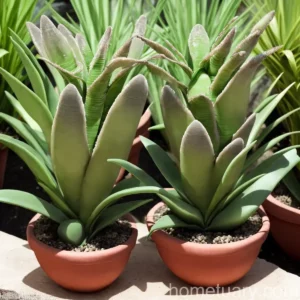
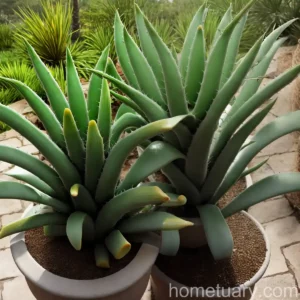
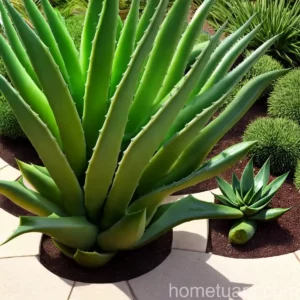
- Foliage: The plant’s long, narrow leaves form dense clumps, adding to its ornamental appeal even when not in bloom.
- Growth Habit: Kniphofia hirsuta ‘Fire Dance’ typically forms upright clumps, reaching a height of around 18-24 inches and a spread of 12-18 inches.
This unique combination of fiery blooms and arresting foliage makes the red-hot poker plant a sought-after addition to gardens and landscapes, providing a burst of color and visual interest.
Culture of Red-Hot Poker (Kniphofia Hirsuta ‘Fire Dance’)
Understanding the natural habitat and preferred growing conditions is essential for successfully cultivating the red-hot poker plant. Let’s delve into the cultural requirements that contribute to the plant’s optimal growth and development.
Natural Habitat
The red-hot poker plant, Kniphofia hirsuta, is native to South Africa, where it thrives in regions characterized by abundant sunlight and well-drained, sandy soils. In its natural habitat, the plant often graces savannas, grasslands, and rocky slopes, adapting to the conditions prevalent in these environments.
Growth Habits
To mimic its natural habitat, it’s important to create an environment that emulates the plant’s preferred growing conditions. Here are some key aspects to consider:
- Sunlight: Full to partial sunlight is crucial for the red-hot poker plant’s growth, as it is accustomed to open, sunny landscapes in its native South African habitat.
- Soil: Well-draining, sandy or loamy soils that are slightly acidic to neutral provide an ideal foundation for the plant to flourish. Good drainage is particularly important to prevent waterlogged conditions that can be detrimental to the plant’s health.
- Water: The red-hot poker plant thrives in moderately dry to moderately moist conditions once established, making it well-suited to regions with minimal rainfall.
By creating an environment that mirrors the plant’s natural habitat, you can maximize the red-hot poker plant’s potential for robust growth and prolific flowering.
Uses of the Red-Hot Poker Plant (Kniphofia Hirsuta ‘Fire Dance’)
The red-hot poker plant, with its captivating blooms and unique visual appeal, offers a range of practical and aesthetic uses. Let’s explore the diverse applications of Kniphofia hirsuta ‘Fire Dance’ in garden settings and beyond.
Garden Ornament
One of the primary uses of the red-hot poker plant is as a striking ornamental addition to gardens and landscapes. The plant’s vibrant blooms and dense foliage create an eye-catching display, adding a dynamic focal point to flower beds, borders, and rock gardens. Whether planted in clusters or as standalone specimens, the red-hot poker plant can transform outdoor spaces with its arresting presence.
Pollinator Attraction
The tubular flowers of Kniphofia hirsuta ‘Fire Dance’ are particularly attractive to pollinators, including bees, butterflies, and hummingbirds. By incorporating this plant into garden designs, you can actively contribute to supporting local pollinator populations and enhancing the biodiversity of the surrounding ecosystem.
Cut Flower Arrangements
The conspicuous and long-lasting blooms of the red-hot poker plant make it a popular choice for cut flower arrangements. Its vibrant inflorescences add a dramatic touch to floral displays, making it a favored selection for bouquets and flower compositions.
Wildlife Habitat
Beyond its visual appeal, the red-hot poker plant serves as a habitat for various beneficial insects and small creatures, contributing to the overall ecological balance of the garden. The plant’s dense clumps of foliage provide shelter and nesting sites, fostering a thriving microhabitat within the landscape.
Medicinal and Cultural Uses
In some traditional cultures, certain species of Kniphofia have been used for medicinal purposes, although it’s important to research the specific properties and potential applications of the ‘Fire Dance’ variety before considering any medicinal use.
Erosion Control
The robust growth habit of Kniphofia hirsuta ‘Fire Dance’ can also contribute to erosion control in sloping or vulnerable areas, thanks to its extensive root system and ability to stabilize soil.
By leveraging the various uses of the red-hot poker plant, you can integrate it effectively into diverse garden designs and landscape schemes, harnessing its beauty and functionality.
Care and Maintenance of Red-Hot Poker (Kniphofia Hirsuta ‘Fire Dance’)
Successfully caring for the red-hot poker plant involves attending to its specific requirements concerning water, sunlight, fertilization, soil, pruning, and propagation. Let’s delve into each of these aspects in detail to ensure the plant’s optimal health and vigor.
Water
Establishing an appropriate watering regimen is essential for the red-hot poker plant’s well-being, contributing to its overall growth and flowering performance. Understanding the plant’s water requirements and practicing mindful irrigation can significantly impact its vitality.
Watering Requirements
- Establishment Phase: During the initial establishment phase, provide regular, consistent watering to facilitate the development of a robust root system. Keep the soil evenly moist but not waterlogged to support healthy growth.
- Mature Plants: Once established, Kniphofia hirsuta ‘Fire Dance’ demonstrates good drought tolerance, requiring moderate water inputs. Allow the soil to dry partially between watering sessions, as excessive moisture can lead to root rot and other issues.
- Seasonal Adjustments: Adjust the frequency of watering based on seasonal conditions, increasing water during periods of prolonged drought and reducing it during cooler, wetter months.
By understanding the plant’s water needs and adapting your watering practices accordingly, you can promote its resilience and vitality throughout the growing season.
Sunlight
As a sun-loving perennial, the red-hot poker plant thrives in bright, open spaces that receive ample sunlight. Providing the plant with the necessary sunlight exposure is instrumental in fostering robust growth and abundant flowering.
Sunlight Requirements
- Full Sun: Kniphofia hirsuta ‘Fire Dance’ flourishes in full sun conditions, where it receives at least 6-8 hours of direct sunlight daily. Position the plant in a location that offers unobstructed sun exposure, optimizing its photosynthetic activity and overall vigor.
Fertilizer
Supplemental fertilization can bolster the red-hot poker plant’s growth and flowering performance, providing essential nutrients to support its vitality throughout the growing season.
Fertilization Methods
- Balanced Fertilizer: Apply a balanced, slow-release fertilizer in early spring to provide the plant with a steady supply of essential nutrients. Opt for a fertilizer with a formulation such as 10-10-10 or 20-20-20, ensuring a balanced ratio of nitrogen, phosphorus, and potassium.
- Frequency: Reapply the fertilizer every 4-6 weeks during the active growing season, ceasing fertilization in late summer to avoid stimulating late-season growth that may be susceptible to frost damage.
By implementing a targeted fertilization regimen, you can enhance the red-hot poker plant’s vigor and encourage robust blooming, elevating its visual impact within the garden.
Soil
The quality and composition of the soil play a pivotal role in the red-hot poker plant’s overall health and vitality. Understanding the plant’s soil preferences and making appropriate amendments can contribute to its successful cultivation.
Soil Type
- Well-Draining Soil: Kniphofia hirsuta ‘Fire Dance’ thrives in well-draining soils that prevent waterlogging and promote healthy root development. Amend heavy clay soils with organic matter or coarse sand to improve drainage and aeration.
- Soil pH: Aim for a slightly acidic to neutral pH range, ideally between 6.0 and 7.0, to create an optimal growing environment for the red-hot poker plant.
By providing well-draining, fertile soil with suitable pH levels, you can establish an ideal foundation for the plant’s growth and flowering.
Pruning
Pruning is an integral aspect of caring for the red-hot poker plant, enabling you to maintain its shape, remove spent blooms, and manage its overall appearance effectively.
Pruning Tips
- Deadheading: Regularly deadhead faded or spent flowers to encourage prolonged blooming and prevent the plant from expending energy on seed production.
- Spring Pruning: Perform a thorough cleanup and light pruning in early spring, removing any dead, damaged, or overgrown foliage to rejuvenate the plant and stimulate new growth.
- Division: Periodically divide mature clumps of Kniphofia hirsuta ‘Fire Dance’ every 3-4 years to control its size and vigor, promoting healthier growth and flowering.
Applying appropriate pruning techniques can help maintain the red-hot poker plant’s health and aesthetic appeal, ensuring its continued vibrancy in the garden.
Propagation
Expanding your red-hot poker plant collection or sharing it with fellow gardening enthusiasts can be achieved through successful propagation methods. Exploring the options for propagating Kniphofia hirsuta ‘Fire Dance’ can help you multiply its presence in the garden.
Propagation Techniques
- Division: Divide mature clumps of the plant in early spring before new growth emerges, ensuring that each division retains healthy roots and shoots. Replant the divisions in suitable locations, providing them with the same cultural conditions as the parent plant.
- Offsets: Harvest and replant offsets that emerge from the base of the plant, carefully detaching them and establishing them in individual containers or designated areas of the garden.
By mastering the art of propagating the red-hot poker plant, you can create new plantings and expand its ornamental impact across different areas of the garden.
Container Cultivation of Red-Hot Poker (Kniphofia Hirsuta ‘Fire Dance’)
While the red-hot poker plant thrives in open landscapes, it can also be cultivated successfully in containers, adapting its dynamic presence to smaller garden spaces and patio settings. Understanding the considerations for container cultivation is essential for harnessing the plant’s ornamental potential in diverse environments.
Container Popularity
Integrating the red-hot poker plant into container gardens provides an opportunity to showcase its vibrant blooms and striking foliage in confined spaces, such as patios, decks, and balconies. The plant’s vertical appeal and bold colors make it an excellent choice for adding visual interest to container compositions.
Suitable Containers
- Size and Depth: Select large, deep containers that accommodate the plant’s extensive root system and provide ample room for growth. Ensure that the containers have drainage holes to prevent waterlogging and promote healthy root development.
- Material: Opt for durable, weather-resistant containers made from materials such as terracotta, fiberglass, or composite materials, balancing aesthetic appeal with practical functionality.
By opting for well-designed containers and establishing suitable growing conditions, you can successfully cultivate the red-hot poker plant in confined spaces, elevating the visual allure of outdoor settings.
Popularity of the Red-Hot Poker Plant
The red-hot poker plant, known for its arresting beauty and resilience, has garnered popularity among gardeners and horticulture enthusiasts worldwide. Its distinctive features and ornamental appeal contribute to its widespread recognition and demand in diverse garden settings.
Ornamental Value
The vibrant blooms of Kniphofia hirsuta ‘Fire Dance’ elevate its ornamental value, capturing attention with its bold colors and distinctive form. The plant’s ability to thrive in various climates and soil conditions further enhances its appeal, making it a versatile choice for gardeners seeking visually impactful additions to their landscapes.
Landscape Applications
The versatility of the red-hot poker plant extends to its potential applications in landscaping, where it can be utilized to create striking focal points, border plantings, and massed displays. Its adaptability to different soil types and sunlight conditions makes it a valuable asset in diverse garden designs.
Wildlife Attraction
The plant’s role in attracting beneficial pollinators and fostering a thriving ecosystem in the garden further underscores its appeal, aligning with the principles of sustainable and pollinator-friendly landscaping.
By acknowledging the red-hot poker plant’s widespread popularity and incorporating it into garden designs, you can harness its allure and contribute to dynamic, visually captivating outdoor spaces.
Common Diseases of Red-Hot Poker (Kniphofia Hirsuta ‘Fire Dance’)
While the red-hot poker plant exhibits resilience and robust growth, it is susceptible to certain diseases that can impact its health and ornamental appeal. Recognizing common diseases and their diagnosis is crucial for implementing targeted management strategies and preserving the plant’s vigor.
Disease Diagnosis
To effectively identify and address diseases affecting Kniphofia hirsuta ‘Fire Dance,’ it’s essential to be familiar with the symptoms and signs associated with prevalent ailments. Here are some common diseases that can impact the plant:
- Rust: Rust infections manifest as orange to yellow pustules on the undersides of leaves, often accompanied by leaf discoloration and deformity.
- Leaf Spot: Fungal leaf spot diseases can cause circular lesions with distinctive margins on the plant’s foliage, leading to aesthetic degradation and potential defoliation.
- Crown Rot: Excessive moisture and poor drainage can contribute to crown rot, characterized by wilting, yellowing, and eventual collapse of the plant’s crown and root system.
By actively monitoring the plant for signs of diseases and promptly addressing any issues, you can mitigate their impact and maintain the red-hot poker plant’s vitality.
Common Pests Affecting Red-Hot Poker (Kniphofia Hirsuta ‘Fire Dance’)
In addition to diseases, the red-hot poker plant may encounter certain pests that can compromise its health and aesthetics. Recognizing common pests and implementing targeted control measures is essential for preserving the plant’s vigor and ornamental value.
Pest Identification
Familiarizing yourself with the pests that are likely to affect Kniphofia hirsuta ‘Fire Dance’ enables you to detect and address infestations promptly. Here are some common pests that may impact the plant:
- Aphids: These small, sap-sucking insects can congregate on the plant’s tender shoots and flower buds, causing distorted growth and a sticky, sugary residue known as honeydew.
- Spider Mites: The presence of spider mites can lead to stippled, discolored foliage and fine webbing on the plant, signifying infestation and potential damage.
- Thrips: Thrips can cause silvery or bronzed streaks on the plant’s leaves and flowers, impacting its aesthetic appeal and overall vigor.
By diligently monitoring the red-hot poker plant for signs of pest activity and implementing targeted control measures, you can safeguard its health and visual allure.
Botanist’s Tips for Red-Hot Poker (Kniphofia Hirsuta ‘Fire Dance’)
Drawing on the expertise of experienced botanists and horticulturists, we can glean valuable insights and tips for cultivating and caring for the red-hot poker plant. Here are some botanist-approved tips to enhance your success with Kniphofia hirsuta ‘Fire Dance’:
- Optimal Drainage: Prioritize well-draining soil and containers to prevent waterlogged conditions, promoting healthy root development and minimizing the risk of root diseases.
- Mindful Pruning: Practice regular deadheading and light pruning to maintain the plant’s shape and stimulate continuous blooming, enhancing its ornamental value.
- Balanced Fertilization: Apply a balanced, slow-release fertilizer to provide essential nutrients without promoting excessive vegetative growth, striking a harmonious balance that supports flowering and overall vigor.
By integrating these expert tips into your cultivation practices, you can elevate your approach to caring for the red-hot poker plant and optimize its visual impact.
Fun Facts About Kniphofia Hirsuta ‘Fire Dance’
Uncover some fascinating and lesser-known facts about the red-hot poker plant, shedding light on its captivating nature and ecological significance:
- Ecological Roles: The vibrant blooms of Kniphofia hirsuta ‘Fire Dance’ play a significant role in attracting pollinators and supporting local ecosystems, contributing to the overall biodiversity of the surrounding environment.
- Historical Significance: Certain species of Kniphofia have historical ties to indigenous cultures, where they have been utilized for medicinal and cultural purposes, reflecting the plant’s diverse and enduring heritage.
- Adaptation Abilities: The red-hot poker plant showcases remarkable tolerance to drought and warmer temperatures, showcasing its adaptive traits and resilience in challenging environmental conditions.
By uncovering these engaging facts, you can gain a deeper appreciation for the red-hot poker plant and its multifaceted attributes, transcending its ornamental value.
Links to External Resources
To further expand your knowledge and exploration of the red-hot poker plant, here are some valuable external resources that offer additional insights, guidance, and visual inspiration:
1. [Royal Hort