Red Hot Cat’s Tail (Acalypha Hispida)
The Red Hot Cat’s Tail, scientifically known as Acalypha hispida, is a striking plant with its unique and vibrant appearance. With its fluffy red flowers.
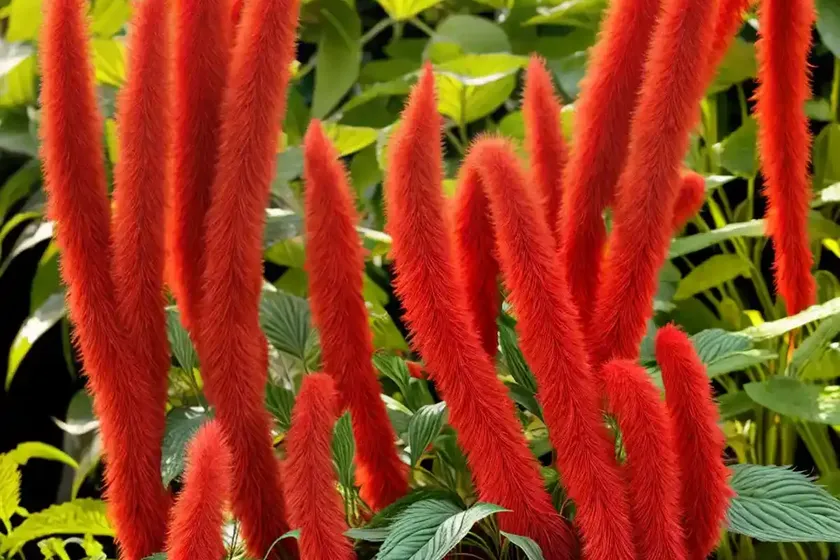
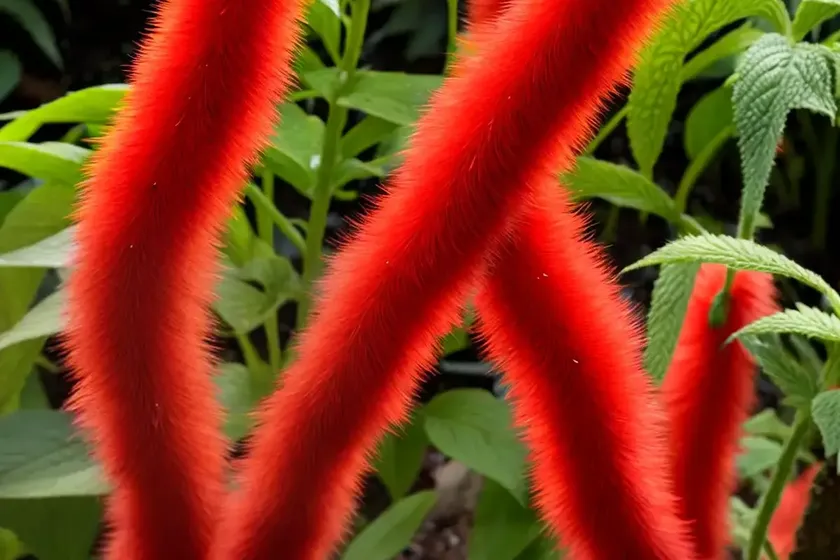
The Red Hot Cat’s Tail, scientifically known as Acalypha hispida, is a striking plant with its unique and vibrant appearance. With its fluffy red flowers and elegant leaves, it is an appealing addition to any garden or indoor space. This blog post will delve into the various aspects of caring for the Red Hot Cat’s Tail, from its cultural requirements to propagation methods, common diseases, and fun facts that make this plant a fascinating subject of botanical appreciation.
Key Takeaways
Before we dive deep into the details, let’s summarize the key takeaways of the Red Hot Cat’s Tail:
– The Red Hot Cat’s Tail (Acalypha hispida) is a striking plant known for its fluffy red flowers.
– It requires sufficient sunlight, regular watering, well-draining soil, and periodic fertilization for optimal growth.
– Pruning is essential to maintain its shape and promote healthy growth.
– Propagation can be achieved through stem cuttings.
– It is important to be mindful of common diseases and pests that can affect the plant.
– The Red Hot Cat’s Tail is a popular choice for both indoor and outdoor cultivation.
Now, let’s explore each of these aspects in detail to understand how to best care for the captivating Acalypha hispida.
What is Acalypha hispida?
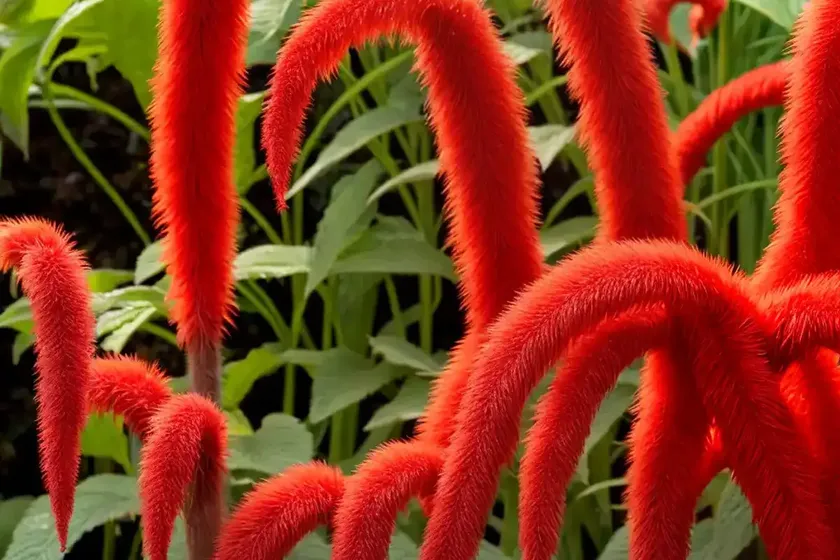
Acalypha hispida, commonly known as the Red Hot Cat’s Tail, is a species of flowering plant in the spurge family, Euphorbiaceae. It is native to New Guinea and is cultivated for its ornamental appeal. The plant is characterized by its long, pendulous spikes of densely packed, tiny flowers that resemble cat tails, hence its common name. The vibrant red color of its flowers makes it a visually striking addition to gardens, landscapes, and indoor spaces.
Plant Characteristics
The Red Hot Cat’s Tail possesses several distinct characteristics, making it a unique and visually appealing plant:
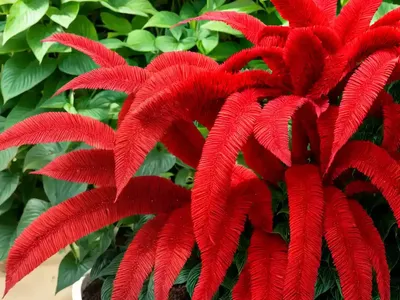
– Flowers: The plant’s flowers are its most distinctive feature, consisting of numerous tiny, densely packed red-colored flowers that form elongated, tail-like structures.
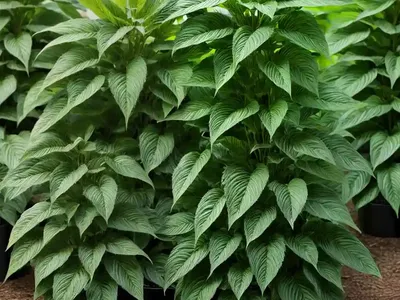
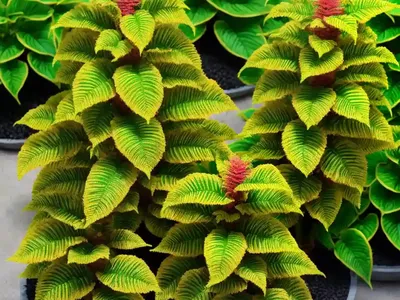
– Leaves: The plant’s leaves are elongated and have a lustrous green color, adding an elegant contrast to the vibrant red flowers.
– Growth Habit: Acalypha hispida typically grows as a bushy, spreading shrub with an upright, yet cascading growth habit, giving it a graceful appearance.
– Size: When cultivated in optimal conditions, the plant can reach a height and spread of approximately 3-5 feet, creating a substantial presence in the garden or indoor setting.
Culture
Cultivating the Red Hot Cat’s Tail involves providing it with the right conditions and care to ensure its healthy growth and abundant flowering. Let’s explore the cultural aspects of caring for this captivating plant below.
Water
Acalypha hispida requires consistently moist soil to thrive. While it is important to avoid waterlogging, the plant should not be allowed to dry out completely between watering sessions. Regular, thorough watering, especially during the growing season, will help maintain the plant’s vigor and promote continuous flowering.
It is essential to monitor the moisture levels in the soil and adjust the watering frequency based on environmental factors such as temperature and humidity. Additionally, using a well-draining potting mix or ensuring that the garden soil has good drainage will help prevent waterlogging, which can lead to root rot and other detrimental conditions.
Sunlight
Sufficient sunlight is crucial for the healthy growth and flowering of the Red Hot Cat’s Tail. When cultivated outdoors, the plant thrives in partial shade to full sun, with an ideal balance of direct sunlight and partial shade. In contrast, indoor plants benefit from bright, indirect light, such as near a south-facing window or under bright artificial lighting.
Ensuring that the plant receives the right amount of sunlight promotes robust growth and vibrant flowering. Consistent exposure to adequate light also helps maintain the plant’s overall health and vigor.
Fertilizer
Regular fertilization is essential to provide the Red Hot Cat’s Tail with the nutrients it needs for healthy growth and prolific flowering. Using a balanced, water-soluble fertilizer formulated for flowering plants can support the plant’s nutritional requirements and promote abundant blooms.
During the active growing season, which typically spans spring to early fall, the plant can be fed with a diluted fertilizer solution every two to four weeks. It is important to follow the manufacturer’s recommendations regarding application rates and dilution to avoid over-fertilization, which can lead to adverse effects on the plant’s health.
Soil
The Red Hot Cat’s Tail thrives in well-draining, fertile soil that provides a suitable growing medium for its roots. Whether planted in containers or in garden beds, the plant benefits from a well-aerated, nutrient-rich soil that offers good drainage to prevent waterlogging.
When cultivating the plant in containers, a high-quality potting mix designed for flowering plants or a blend of peat, perlite, and organic matter can create a favorable environment for the Red Hot Cat’s Tail’s root system. In garden settings, amending the soil with organic matter can improve its structure and fertility, contributing to the plant’s overall health.
Pruning
Pruning plays a crucial role in maintaining the shape, size, and overall appearance of the Red Hot Cat’s Tail. Regular pruning helps remove spent flowers, control the plant’s size, and rejuvenate its growth, ensuring a neat and attractive presentation.
Deadheading
Removing spent flowers through deadheading not only enhances the plant’s visual appeal by encouraging continuous blooming but also prevents the allocation of energy into seed production. By redirecting its resources towards new growth and flower production, deadheading promotes the plant’s vitality and floriferous nature.
Size Control
Periodic pruning assists in controlling the plant’s size and shape, preventing it from becoming unruly or overcrowding its surroundings. Trimming back wayward stems and maintaining a desirable form contributes to the plant’s overall aesthetics and ensures that it remains a well-behaved ornamental addition.
Renovation Pruning
Renovation pruning, typically performed in early spring, involves cutting back overgrown or leggy stems to rejuvenate the plant and stimulate fresh growth. This practice can be particularly beneficial for older specimens or those that have become sparse and lackluster in their appearance.
Propagation
Propagating the Red Hot Cat’s Tail can be a rewarding endeavor, enabling gardeners and plant enthusiasts to expand their collection or share this captivating plant with others. The following propagation methods are suitable for Acalypha hispida:
Stem Cuttings
Propagating the Red Hot Cat’s Tail through stem cuttings is a straightforward and effective method to produce new plants. Here’s a basic guide to propagating Acalypha hispida using stem cuttings:
-
Select a healthy, non-flowering stem from the parent plant. The cutting should be approximately 4-6 inches long and possess several leaf nodes.
-
Remove the lower leaves from the cutting to expose the nodes. This is where the roots will develop.
-
Dip the cut end of the stem into a rooting hormone powder to promote root formation, if desired.
-
Plant the cutting in a well-draining rooting medium such as perlite or a mix of peat and perlite.
-
Place the cutting in a warm, bright location with indirect sunlight, and ensure that the rooting medium remains consistently moist but not waterlogged.
With proper care and adequate humidity, the cutting should develop roots within a few weeks. Once established, it can be transitioned into a larger container or planted directly into the garden.
Container Popularity
The Red Hot Cat’s Tail is well-suited for container cultivation, offering versatility and an attractive visual display. Its pendulous, vibrant blooms and elegantly cascading growth habit make it an appealing choice for adorning patios, balconies, and indoor living spaces.
When cultivating the plant in containers, it is important to select a pot that provides adequate space for the plant’s root system to grow. Furthermore, using a high-quality potting mix that offers good drainage and aeration is essential for ensuring the plant’s health and longevity in a container environment.
The portability of container-grown Acalypha hispida allows for flexible placement and mobility, making it a popular choice for individuals seeking to adorn their outdoor or indoor spaces with a visually captivating and low-maintenance plant.
Common Diseases
While the Red Hot Cat’s Tail is relatively resilient, it is not immune to certain diseases and pests that can hinder its growth and vitality. Understanding the common diseases that affect Acalypha hispida, along with measures to prevent and address them, is crucial to maintaining the plant’s health.
Disease Diagnosis
Powdery Mildew: Characterized by the appearance of white, powdery patches on the plant’s leaves, powdery mildew is a fungal disease that can affect the Red Hot Cat’s Tail, particularly in conditions of high humidity and poor air circulation. Infected leaves may become distorted or discolored, impacting the plant’s visual appeal.
Prevention and Treatment: To prevent powdery mildew, ensure proper air circulation and avoid overhead watering, which can create humid conditions conducive to fungal growth. Fungicidal sprays or neem oil can be used to treat mild to moderate cases of powdery mildew.
Root Rot: Excessive moisture and poor drainage can lead to root rot, a fungal condition that damages the plant’s roots, causing wilting, yellowing leaves, and a general decline in the plant’s health.
Prevention and Treatment: To prevent root rot, avoid overwatering and ensure proper drainage. If root rot is suspected, it is crucial to address the issue promptly by adjusting the plant’s watering regimen, improving soil drainage, and, if necessary, trimming away affected roots.
Common Pests
Aphids: These small, soft-bodied insects can gather on the undersides of the Red Hot Cat’s Tail’s leaves, feeding on the plant’s sap and causing damage such as leaf curling, yellowing, and the presence of sticky honeydew.
Prevention and Treatment: Aphids can be dislodged with a strong stream of water or controlled using insecticidal soap. Encouraging natural predators such as ladybugs can also help in keeping aphid populations in check.
Spider Mites: Spider mites are tiny arachnids that can infest the Red Hot Cat’s Tail, causing stippled or bronzed leaves and fine webbing on the plant’s surface.
Prevention and Treatment: Regularly showering the plant with water can help deter spider mites. Additionally, insecticidal sprays formulated for mite control can be used to manage infestations.
Botanist’s Tips
As a plant scientist or botanist, it is imperative to share expert tips for the successful cultivation and care of the Red Hot Cat’s Tail. Below are some essential tips for ensuring the health and vitality of Acalypha hispida:
- Monitor Moisture Levels: Regularly check the moisture levels in the soil to maintain optimal watering practices and prevent imbalances that can affect the plant’s health.
- Provide Adequate Light: Ensure that the plant receives the right amount of sunlight based on its specific requirements, whether cultivated indoors or outdoors. Adjust the placement of the plant as needed to optimize its exposure to light.
- Implement Pruning Practices: Incorporate regular pruning to maintain the plant’s shape and encourage continuous flowering. Deadhead spent flowers and perform renovation pruning as needed to keep the plant looking its best.
- Monitor for Pests and Diseases: Regularly inspect the Red Hot Cat’s Tail for signs of pests and diseases, taking prompt action to address any issues that may arise. Prevention and early intervention are key to preserving the plant’s health.
Fun Facts
Acalypha hispida is not only visually captivating but also boasts interesting characteristics that make it a captivating subject of botanical interest. Here are some fun facts about the Red Hot Cat’s Tail:
- The plant’s intriguing common name, “Cat’s Tail,” stems from the resemblance of its flower spikes to the tails of cats, particularly when they are in motion due to the slightest breeze.
- Acalypha hispida is often utilized as an ornamental accent for tropical-themed gardens and landscapes, contributing an exotic and vibrant touch to the overall aesthetic.
- The plant’s red flowers are not actually petals but modified leaves known as bracts, which serve the function of attracting pollinators and enhancing the plant’s reproductive success.
Links to External Resources
For additional information on the cultivation and care of Acalypha hispida, as well as its botanical attributes and unique features, the following external resources provide valuable insights and guidance:
- Royal Horticultural Society – Acalypha hispida
- Missouri Botanical Garden – Acalypha hispida
- University of Florida IFAS Extension – Acalypha hispida
By exploring these trusted resources, enthusiasts and horticulturalists can expand their knowledge of Acalypha hispida and gain valuable insights into its cultivation, propagation, and unique characteristics.
In conclusion, the Red Hot Cat’s Tail (Acalypha hispida) presents a captivating blend of ornamental appeal, cultural versatility, and unique characteristics that make it an alluring addition to diverse gardening and landscaping settings. By understanding its cultural requirements, propagation methods, common diseases and pests, and unique features, plant enthusiasts can cultivate and appreciate this impressive species to its full potential. Whether adorning a garden, balcony, or indoor space, the Red Hot Cat’s Tail enriches the botanical tapestry with its vibrant allure and distinctive floral display.