Red Elderberry (Sambucus Racemosa ‘Sutherland Gold’)
As a plant scientist, I am constantly fascinated by the diversity and beauty of the plant kingdom. In this comprehensive guide, we will delve into the.
Introduction
As a plant scientist, I am constantly fascinated by the diversity and beauty of the plant kingdom. In this comprehensive guide, we will delve into the world of the red elderberry plant, scientifically known as Sambucus racemosa ‘Sutherland Gold.’ This remarkable plant belongs to the Adoxaceae family and is renowned for its stunning red berries and vibrant golden foliage. We will explore its cultural requirements, uses, propagation techniques, common pests and diseases, and so much more. Whether you are a seasoned gardener or a newcomer to the world of horticulture, this guide aims to provide valuable insights into the captivating nature of the red elderberry.
What is Red Elderberry (Sambucus racemosa ‘Sutherland Gold’)?
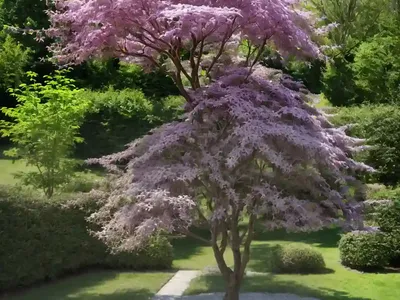
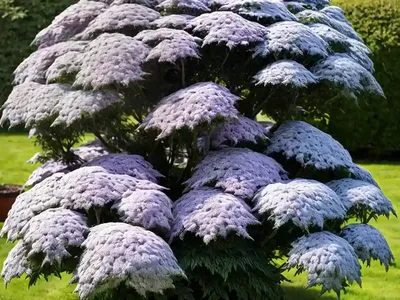
Red elderberry, scientifically known as Sambucus racemosa ‘Sutherland Gold,’ is a striking deciduous shrub that is cherished for its ornamental and ecological attributes. Belonging to the Sambucus genus within the Adoxaceae family, this plant is native to North America and Europe, thriving in a variety of habitats ranging from moist woodlands to mountainous regions. The ‘Sutherland Gold’ cultivar is particularly prized for its distinctive golden foliage, which sets it apart from the traditional green-leaved varieties.
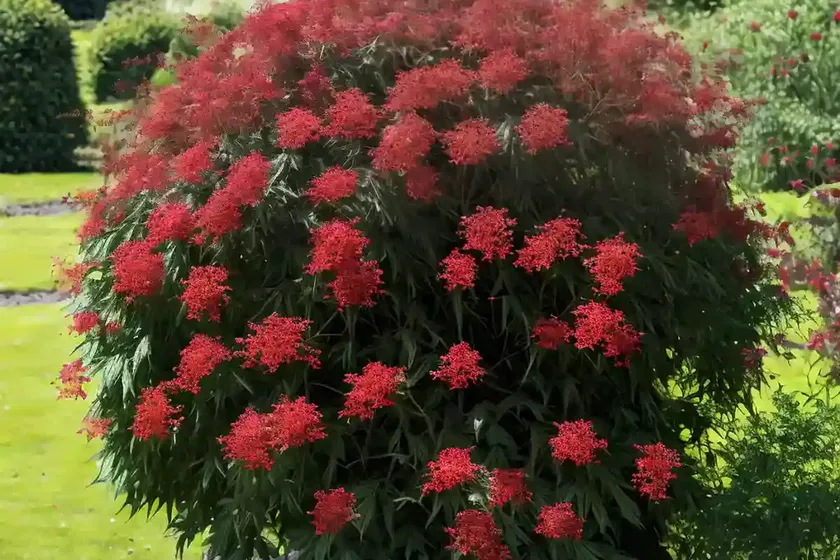
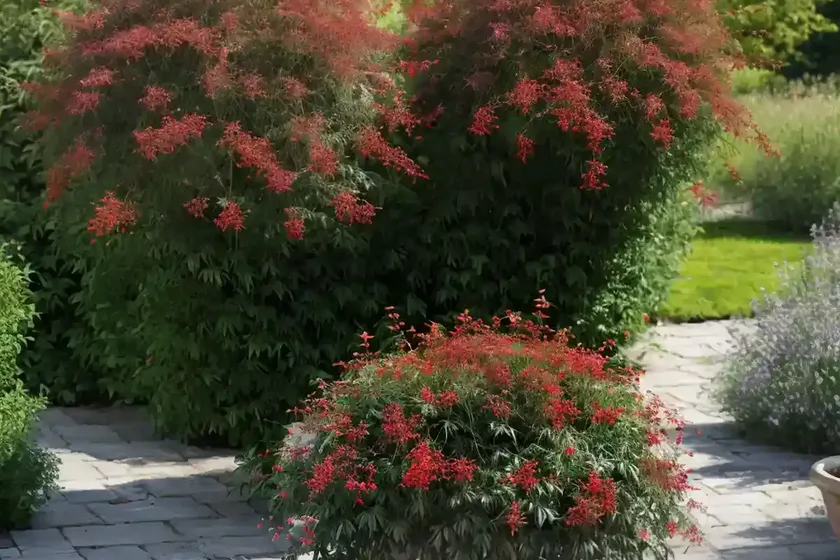
This perennial shrub is characterized by its large clusters of red berries, adding a vibrant splash of color to the landscape. Not only is it visually appealing, but the red elderberry also plays a crucial role in supporting wildlife, attracting a myriad of birds and insects with its abundant nectar and fruits. Furthermore, certain parts of the plant have been traditionally utilized for their medicinal and culinary properties, contributing to its multifaceted appeal.
Key Takeaways – Red Elderberry (Sambucus racemosa ‘Sutherland Gold’)
Here are some of the key takeaways about the red elderberry plant that we will be exploring in detail:
- Culture
- Uses
- Water
- Sunlight
- Fertilizer
- Soil
- Pruning
- Propagation
- Container Popularity
- Common Diseases
- Disease Diagnosis
- Common Pests
- Botanist’s Tips
- Fun Facts
- Links to External Resources
Throughout this comprehensive guide, we will delve into each of these aspects to provide a holistic understanding of the red elderberry plant and its cultivation.
Culture
Cultivating the red elderberry plant requires an understanding of its specific cultural requirements. Here, we will explore the plant’s needs in terms of water, sunlight, fertilizer, and soil to ensure its optimal growth and development.
Water
Red elderberry plants thrive in moist, well-drained soil, making regular watering essential, especially during dry periods. Adequate moisture levels are crucial for the plant, particularly during its establishment phase. However, it is important to avoid waterlogged conditions, as this can lead to root rot and other detrimental effects. A balance must be achieved to provide consistent, moderate moisture without causing water stagnation.
Sunlight
When it comes to sunlight requirements, red elderberry plants exhibit a preference for partial to full sunlight. While they can tolerate some shade, they tend to thrive in sunnier locations, which contribute to the development of their vibrant foliage and prolific berry production.
Fertilizer
In terms of fertilizer, red elderberry plants can benefit from a balanced, slow-release fertilizer applied in the early spring. This can provide the necessary nutrients for healthy growth and berry production. However, it is essential to avoid excessive fertilization, as this can lead to excessive vegetative growth at the expense of fruiting.
Soil
Red elderberry plants favor rich, well-drained soils with a slightly acidic to neutral pH. The soil should be nutrient-rich, providing the necessary support for robust growth and fruit production. Additionally, incorporating organic matter into the soil can enhance its structure and fertility, creating an optimal environment for the red elderberry plants to thrive.
Uses
The red elderberry (Sambucus racemosa ‘Sutherland Gold’) offers a range of uses, from its ornamental appeal to its ecological significance and potential culinary and medicinal applications.
Ornamental Appeal
One of the primary uses of the red elderberry is its ornamental value. The ‘Sutherland Gold’ cultivar, in particular, is cherished for its stunning golden foliage, which adds a bright and cheerful element to landscapes and gardens. The vibrant coloration of the leaves creates a striking visual impact, especially when contrasted with the clusters of red berries that adorn the plant. As a result, the red elderberry is often utilized as a decorative and eye-catching feature in garden beds, borders, and naturalized settings.
Ecological Significance
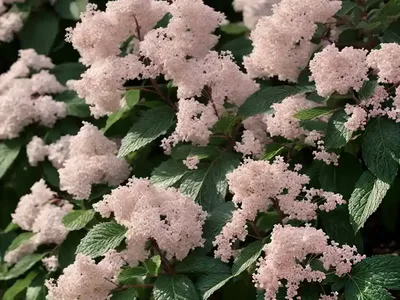
Beyond its visual appeal, the red elderberry plays a crucial role in supporting wildlife. The abundant nectar produced by its flowers attracts pollinators such as bees and butterflies, contributing to the overall biodiversity of the ecosystem. Additionally, the red berries are highly attractive to birds, serving as a valuable food source, especially during the fall and winter months. As a result, the red elderberry is recognized for its role in enhancing the ecological balance and providing sustenance for various wildlife species.
Culinary and Medicinal Applications
In addition to its ornamental and ecological uses, certain parts of the red elderberry plant have been traditionally utilized for culinary and medicinal purposes. The berries, when carefully prepared, can be used to create jams, jellies, and syrups, enhancing their culinary appeal. Furthermore, the flowers of the elderberry have been employed in the production of elderflower cordial and other beverages, adding a unique floral flavor to culinary creations. Medicinally, elderberries are renowned for their potential immune-boosting and antioxidant properties, and elderberry-based products are often used to support overall health and well-being.
Pruning
Pruning is an essential aspect of maintaining the health and vigor of red elderberry plants. Proper pruning practices can help to manage the plant’s growth, promote optimal fruit production, and enhance its overall aesthetic appeal.
Timing
Pruning of red elderberry plants is typically carried out during the dormant season, which occurs in late winter to early spring. This timing helps to minimize the impact on the plant while ensuring that new growth can emerge once the growing season begins. It is important to avoid heavy pruning during the active growing phase, as this can diminish the plant’s ability to produce flowers and berries.
Techniques
When pruning red elderberry plants, it is important to remove any dead, damaged, or diseased wood to maintain the plant’s health and vitality. Additionally, thinning out crowded or crossing branches can help improve air circulation and light penetration, leading to better fruit production and overall plant vigor. Careful shaping and selective pruning can also be employed to maintain the plant’s desired form and size, contributing to its visual appeal within the landscape.
Propagation
Propagating red elderberry plants can be achieved through various methods, offering opportunities to expand their presence in garden settings or natural habitats.
Seed Propagation
One common method of propagating red elderberry plants is through seed propagation. The collected seeds can be stratified to break their dormancy and then sown in a suitable growing medium. This method allows for the creation of new plants, each with the potential to exhibit unique traits and characteristics.
Division
Another approach to propagation involves dividing established red elderberry plants. This technique can be employed to create multiple plants from a single specimen, allowing for the expansion of a red elderberry population within a given area.
Cuttings
Propagation via cuttings offers an effective means of reproducing red elderberry plants while maintaining specific characteristics. Semi-hardwood cuttings can be taken from healthy, disease-free plant material and rooted to establish new plants. This method allows for the retention of desirable traits found in the parent plant.
Propagation enables the propagation of red elderberry plants also creates opportunities for conservation efforts and the introduction of new plantings, contributing to the overall preservation and promotion of this significant species.
Container Popularity
The red elderberry (Sambucus racemosa ‘Sutherland Gold’) exhibits a growing popularity as a container plant, offering an attractive and versatile option for various gardening and landscaping settings.
Decorative Feature
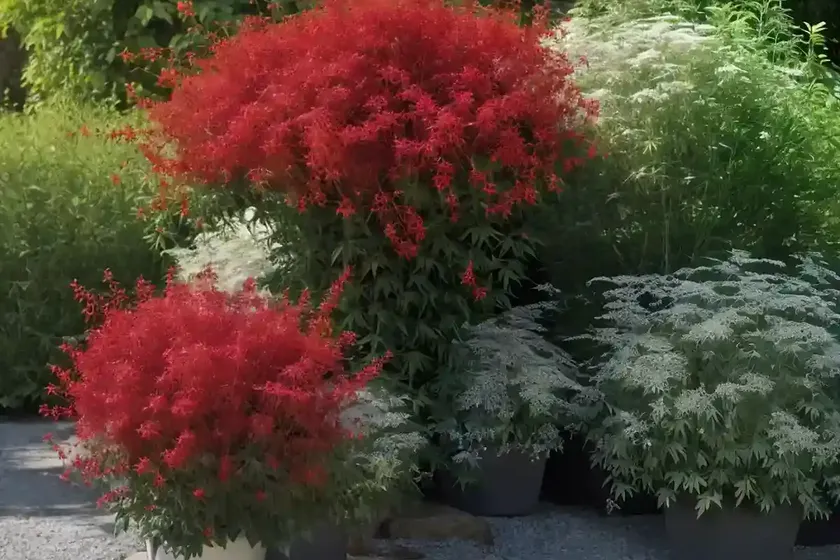
When grown in containers, the red elderberry serves as an eye-catching and decorative feature, adding visual interest and striking color to patios, balconies, and outdoor living spaces. The golden foliage and red berries create a vibrant display that can enhance the overall aesthetic appeal of container gardens.
Space Constraints
For individuals with limited outdoor space, cultivating red elderberry plants in containers presents a practical solution. This allows for the inclusion of this beautiful shrub in smaller gardens, courtyards, and urban environments, where space may be at a premium.
Versatile Placement
Containers provide flexibility in terms of placement, allowing for the strategic positioning of red elderberry plants to maximize their visual impact. They can be placed as standalone specimens, incorporated into mixed container plantings, or used to create focal points within outdoor environments.
The growing popularity of red elderberry as a container plant reflects its adaptability and aesthetic appeal, making it a noteworthy addition to various horticultural endeavors.
Common Diseases
Like all plants, red elderberry (Sambucus racemosa ‘Sutherland Gold’) is susceptible to certain diseases that can impact its health and vitality. Understanding these common diseases is essential for effective management and cultivation practices.
Powdery Mildew
Powdery mildew, caused by various fungal species, can affect the foliage of red elderberry plants, resulting in the development of a powdery, white coating on the leaves. This fungal disease can lead to reduced photosynthetic function and overall plant vigor if left unaddressed.
Leaf Spot
Leaf spot diseases, characterized by the presence of dark, necrotic spots on the leaves, can also affect red elderberry plants. These spots may be indicative of fungal or bacterial pathogens, and their presence can impact the plant’s overall aesthetics and physiological processes.
Root Rot
Excessive moisture or poorly drained soils can contribute to the development of root rot in red elderberry plants. This condition, caused by fungal pathogens, affects the roots and can lead to wilted foliage, stunted growth, and overall decline in plant health.
Botrytis Blight
Botrytis blight, caused by the fungus Botrytis cinerea, can lead to the development of gray mold on the flowers, fruits, and foliage of red elderberry plants. This can result in aesthetic degradation as well as potential yield and quality losses.
Anthracnose
Anthracnose, caused by various fungal pathogens, can manifest as dark, sunken lesions on the stems, leaves, and fruits of red elderberry plants. It has the potential to weaken the plant and affect its overall performance.
Disease Diagnosis
Effectively diagnosing and addressing diseases affecting red elderberry plants requires careful observation and a thorough understanding of the symptoms and causal agents involved. Accurate identification of diseases is crucial for implementing targeted management strategies and preserving the health of the plants.
Symptom Recognition
When assessing red elderberry plants for signs of disease, it is important to closely examine the foliage, stems, flowers, and fruits for any unusual symptoms. These may include discoloration, wilting, spots, mold, or any other abnormal growth or changes in the plant’s appearance.
Pathogen Identification
In cases where disease symptoms are present, it is essential to identify the causal agents responsible for the observed issues. This may involve laboratory analysis, pathogen isolation, or the assistance of diagnostic tools to accurately pinpoint the specific pathogens involved.
Integrated Management
Once a diagnosis has been made, integrated management approaches can be employed to address the identified diseases. This may involve cultural practices, such as improving air circulation and reducing moisture levels, as well as the targeted application of fungicides or other disease control measures.
Common Pests
In addition to diseases, red elderberry (Sambucus racemosa ‘Sutherland Gold’) is susceptible to certain pests that can impact its overall health and performance. Understanding these common pests and their management is crucial for maintaining the vitality of the plants.
Aphids
Aphids are small, sap-sucking insects that can infest the foliage and stems of red elderberry plants, leading to distorted growth, yellowing leaves, and a reduction in overall plant vigor. Their presence can also lead to the development of sooty mold on the affected plant parts.
Spider Mites
Spider mites are tiny arachnids that can cause stippling and discoloration on the foliage of red elderberry plants as they feed on the plant’s juices. Their infestations can result in weakened plants and diminished aesthetic quality.
Scale Insects
Scale insects can be found on the stems and undersides of leaves of red elderberry plants, where they feed on plant sap. Their presence can lead to reduced plant vigor, yellowing foliage, and the potential for the development of sooty mold.
Caterpillars
Caterpillars, the larval stage of certain moth species, can feed on the foliage of red elderberry plants, resulting in the presence of chewed or skeletonized leaves. Severe infestations can lead to defoliation and a decline in overall plant health.
Japanese Beetles
Japanese beetles are known to feed on the foliage and flowers of red elderberry plants, causing significant damage and aesthetic degradation. Their presence can result in the skeletonization of leaves and a reduction in the plant’s visual appeal.
Botanist’s Tips
As a plant scientist, I am pleased to offer the following botanist’s tips for the successful cultivation and appreciation of red elderberry (Sambucus racemosa ‘Sutherland Gold’):
- Adequate Moisture: Ensure consistent, moderate moisture levels to support the growth and vitality of red elderberry plants, while avoiding waterlogged conditions.
- Sunlight Considerations: Provide a sunny to partially shaded location for red elderberry plants to thrive, promoting optimal foliage coloration and berry production.
- Pruning Best Practices: Employ proper pruning techniques to maintain the health and aesthetic appeal of red elderberry plants, focusing on selective removal and shaping.
- Disease and Pest Monitoring: Regularly monitor red elderberry plants for signs of diseases and pests, implementing proactive management strategies to ensure plant health.
- Wildlife Interaction: Appreciate the ecological significance of red elderberry plants in attracting and supporting wildlife, contributing to the overall biodiversity of the environment.
By incorporating these botanist’s tips into the care and cultivation of red elderberry plants, individuals can enhance their growing success and enjoyment of these remarkable shrubs.
Fun Facts
The world of plants is filled with intriguing and captivating details, and the red elderberry (Sambucus racemosa ‘Sutherland Gold’) is no exception. Here are some fun facts about this unique plant:
- Wildlife Magnet: Red elderberry plants are known for attracting a diverse array of wildlife, including birds, bees, and butterflies, contributing to the dynamic ecology of their surroundings.
- Cultural Significance: In various cultures, elderberry plants have been associated with folklore, traditions, and medicinal uses, reflecting their enduring appeal and significance.
- Culinary Delights: The berries of the red elderberry can be used to create a range of culinary delights, from jams and jellies to refreshing beverages, showcasing their versatile and flavorful nature.
- Medicinal Legacy: Throughout history, elderberries have been utilized for their potential medicinal properties, offering immune-boosting and antioxidant benefits in traditional remedies.
These fun facts underscore the diverse and captivating attributes of the red elderberry, adding to its allure and appeal.
Links to External Resources
For further exploration and in-depth information about the red elderberry (Sambucus racemosa ‘Sutherland Gold’), I recommend the following external resources:
- USDA Plants Database – Sambucus racemosa
- Royal Horticultural Society – Sambucus racemosa ‘Sutherland Gold’
- Missouri Botanical Garden – Sambucus racemosa ‘Sutherland Gold’
These resources offer valuable insights, botanical details, and additional perspectives on the red elderberry, serving as enriching sources of knowledge for enthusiasts and horticulturalists alike.
In conclusion, the red elderberry (Sambucus racemosa ‘Sutherland Gold’) stands as a captivating and multifaceted plant, cherished for its ornamental beauty, ecological significance, and potential uses. By understanding its cultural requirements, uses, propagation techniques, common pests and diseases, and other key aspects, individuals can gain a comprehensive appreciation for this remarkable species and its role within the natural world. As a plant scientist, I am continually inspired by the wonders of the red elderberry and its enduring influence on the landscape and beyond.
The article provides a comprehensive guide to the red elderberry plant, covering its cultural requirements, uses, pruning, propagation, common diseases, pests, botanist’s tips, and fun facts. The information is presented in a clear and accessible manner, providing valuable insights for enthusiasts and horticulturalists. The inclusion of external resource links enhances the article’s educational value, offering readers additional avenues for exploration and learning.