Red Dock (Rumex Bucephalophorus)
As a plant scientist, I am excited to delve into the world of Red Dock (Rumex bucephalophorus), a remarkable plant with a rich history, diverse uses, and.
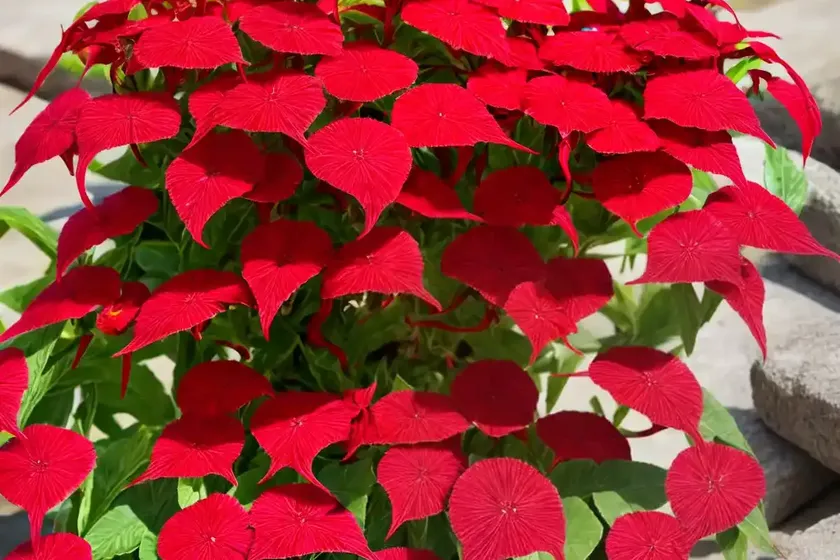
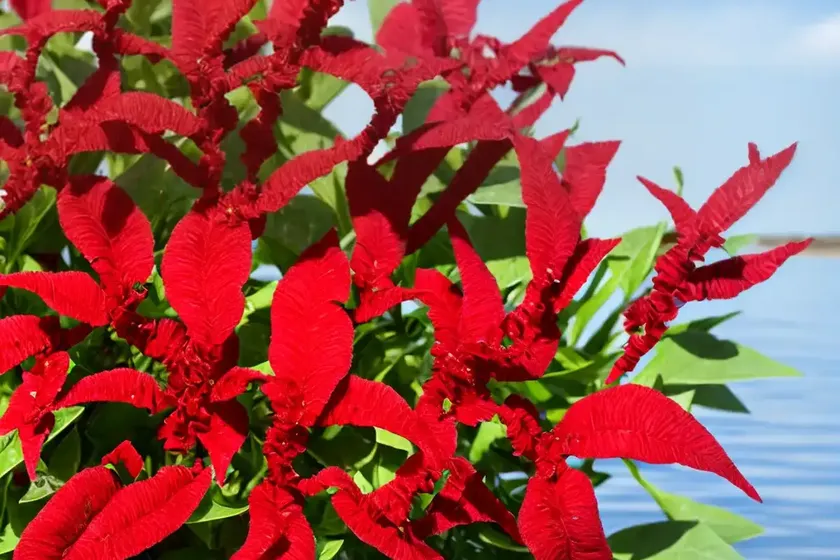
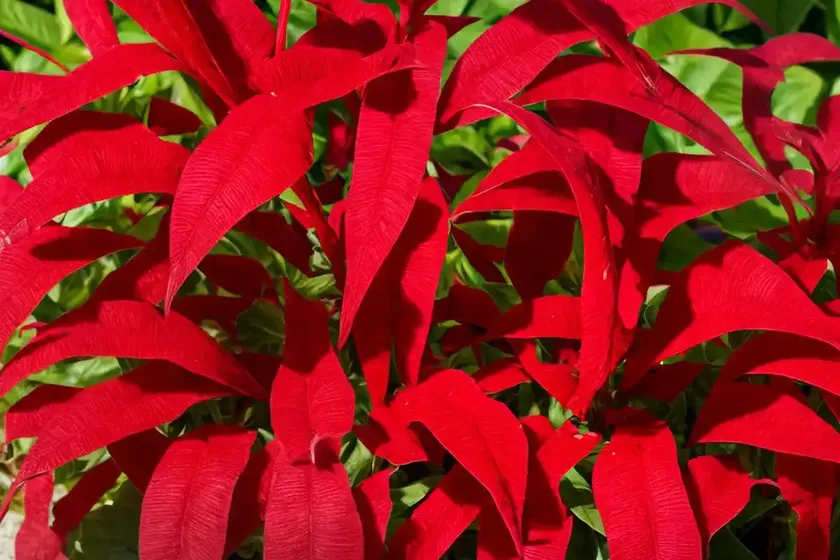
As a plant scientist, I am excited to delve into the world of Red Dock (Rumex bucephalophorus), a remarkable plant with a rich history, diverse uses, and fascinating cultural significance. In this comprehensive guide, we will explore the characteristics, cultivation techniques, medicinal uses, folklore, and much more related to Red Dock, providing valuable insights for plant enthusiasts, herbalists, and nature lovers.
What is Red Dock (Rumex bucephalophorus)?
Red Dock, scientifically known as Rumex bucephalophorus, is a perennial plant belonging to the genus Rumex in the family Polygonaceae. It is commonly referred to as red sorrel or cattle dock and is native to the Mediterranean region but has also naturalized in various parts of the world, including North America.
Key Takeaways – Red Dock (Rumex bucephalophorus)
Before we dive deeper into the various aspects of Red Dock, let’s take a quick look at some of the key takeaways associated with this intriguing plant:
-
Medicinal Uses: Red Dock has a long history of medicinal use, with its leaves and roots being utilized in traditional herbal remedies for various health conditions.
-
Culinary Uses: The plant’s leaves are edible and have been incorporated into culinary recipes in different cultures, adding a tangy flavor to dishes.
-
Cultural Significance: Red Dock holds symbolism and folklore significance in diverse cultures, contributing to its spiritual and traditional importance.
-
Adaptability: This plant demonstrates adaptive traits and has been used in landscaping, permaculture, and as a companion plant in gardens.
-
Habitat and Ecosystems: Understanding its natural habitat and ecological interactions provides valuable insights for conservation and biodiversity efforts.
Characteristics of Rumex bucephalophorus
Understanding the characteristics of Red Dock is essential for successfully cultivating and appreciating this plant. Let’s explore the key traits and features that define Rumex bucephalophorus.
Plant Morphology
-
Leaves: The leaves of Red Dock are distinct and arrow-shaped, with a vibrant green color that may develop reddish hues, especially in younger foliage. The leaves are generally smooth with a slightly acidic taste, contributing to their culinary and medicinal uses.
-
Flowers: The plant produces small, inconspicuous flowers that are arranged in elongated clusters. These flowers are typically greenish to reddish and add to the aesthetic appeal of the plant.
-
Roots: Red Dock possesses a slightly fleshy, branching root system that contributes to its perennial nature. The roots have been historically used in herbal preparations, emphasizing their medicinal potential.
Growth Habit
-
Size: Red Dock exhibits a moderate growth habit, typically reaching a height of around 1 to 2 feet (30 to 60 cm) when mature. This compact size makes it suitable for various garden settings, including containers and mixed plantings.
-
Spread: The plant has a spreading nature, forming dense clumps over time. This growth pattern can be leveraged for ground cover purposes and to enhance the visual appeal of outdoor spaces.
Adaptations
-
Drought Tolerance: Red Dock has moderate drought tolerance, making it suitable for cultivation in regions with dry or arid climates. Its ability to thrive with minimal water inputs contributes to its resilience.
-
Soil Preferences: The plant exhibits adaptability to a range of soil types, including well-draining soils with moderate fertility. It can tolerate slightly acidic to slightly alkaline soil conditions, showcasing its versatility.
Natural Habitat
- Red Dock is commonly found in open woodlands, grasslands, disturbed areas, and along roadsides. Its natural habitat encompasses diverse ecological niches, highlighting its ecological resilience.
Medicinal Uses of Red Dock
One of the most compelling aspects of Red Dock is its extensive history of medicinal use, spanning various cultures and traditional healing systems. The plant’s leaves and roots contain bioactive compounds that have been harnessed for their therapeutic properties.
Therapeutic Compounds
-
Anthraquinones: Red Dock contains anthraquinone derivatives, including emodin and rhein, which exhibit laxative and anti-inflammatory effects when used appropriately.
-
Vitamins and Minerals: The leaves of Red Dock are a source of essential nutrients, including vitamin C, vitamin A, and various minerals such as potassium and magnesium, contributing to its nutritional value.
Traditional Remedies
-
Digestive Health: In traditional herbal medicine, Red Dock has been used to support digestive health, offering relief from occasional constipation and promoting overall gastrointestinal wellness.
-
Skin Care: The application of Red Dock preparations has been associated with soothing skin irritations and promoting the healing of minor wounds, attributed to its anti-inflammatory and astringent properties.
Preparations and Administration
-
Herbal Infusions: The leaves of Red Dock can be prepared as a soothing herbal infusion, allowing the extraction of beneficial compounds that support overall well-being.
-
Topical Applications: External preparations, such as poultices and washes derived from Red Dock, have been employed to address skin-related concerns and promote skin health.
Growing Red Dock in Home Gardens
Cultivating Red Dock in home gardens presents an opportunity to appreciate its ornamental, culinary, and medicinal attributes. Understanding its cultural requirements and best practices for growth and maintenance is essential for a successful garden experience.
Culture
Cultivating Red Dock involves understanding its requirements for water, sunlight, soil, and overall care. Let’s delve into the various aspects of nurturing this distinctive plant in home garden settings.
Water
-
Watering Frequency: Red Dock prefers moderate water availability, with a focus on maintaining evenly moist but well-draining soil conditions. Irrigate the plant when the soil surface appears dry, aiming to provide consistent moisture without waterlogging the roots.
-
Drought Resistance: While Red Dock exhibits a degree of drought tolerance, especially once established, it is essential to provide supplemental irrigation during prolonged dry spells to support optimal growth and vigor.
Sunlight
-
Light Requirements: Red Dock thrives in partial to full sunlight, making it suitable for garden locations with varying light exposure. Ensure that the plant receives at least 4 to 6 hours of direct sunlight daily for robust growth and foliage development.
-
Shade Tolerance: While the plant prefers sunlight, it can tolerate partial shade, particularly in hotter climates or during intense midday sun exposure.
Fertilizer
-
Nutrient Needs: Red Dock benefits from periodic fertilization to support its growth and vigor. Apply a balanced, slow-release fertilizer in early spring, following the recommended dosage based on the specific product guidelines.
-
Organic Amendments: Incorporating organic matter, such as compost or well-rotted manure, into the soil during planting or as a top dressing contributes to the long-term fertility and health of the growing environment.
Soil
-
Soil Type: Red Dock thrives in well-draining, loamy soils with a slightly acidic to slightly alkaline pH range. Amend heavy or compacted soils with organic matter to improve texture and drainage.
-
Container Cultivation: When growing Red Dock in containers, use a quality potting mix that promotes adequate aeration and moisture retention. Choose containers with drainage holes to prevent waterlogged conditions.
Pruning
Pruning Red Dock primarily involves the removal of spent flowers, diseased or damaged foliage, and any excessive growth to maintain the plant’s shape and overall appearance. Utilize clean, sharp pruning shears to make precise cuts, minimizing the risk of damage to the plant.
Propagation
Propagating Red Dock can be achieved through division or seed sowing, providing options for expanding its presence in the garden or sharing it with fellow gardening enthusiasts.
Division
- Propagate Red Dock through division by carefully separating established clumps into smaller sections, ensuring that each division has a portion of the root system and several shoots for successful establishment.
Seed Sowing
- Collect mature seeds from the plant and sow them in prepared seedbeds or containers filled with well-draining soil. Keep the soil consistently moist to support germination and early growth.
Container Popularity
Red Dock’s moderate size and adaptability make it well-suited for container cultivation, offering flexibility for gardeners with limited outdoor space or those interested in designing attractive patio or balcony displays. Its ornamental foliage and potential for culinary use add to its appeal in container gardens.
Container Common Diseases
When growing Red Dock in containers, it is essential to be aware of potential diseases that may affect the plant. Here are some common diseases that can impact Red Dock in container settings:
Root Rot
-
Cause: Overwatering and excessively wet soil conditions can lead to the development of root rot, caused by soilborne pathogens that thrive in soggy environments.
-
Symptoms: Yellowing or wilting foliage, stunted growth, and a foul odor emanating from the soil are indicative of root rot. Inspect the root system for signs of decay and discoloration.
-
Control Measures: Adjust the watering practices to allow the soil to dry slightly between waterings, and consider repotting the plant in well-draining soil if root rot is suspected.
Leaf Spot
-
Cause: Fungal pathogens can cause leaf spot, leading to the development of dark, water-soaked lesions on the foliage of Red Dock.
-
Symptoms: Circular, discolored spots on the leaves, often surrounded by a yellow halo, indicate the presence of leaf spot. Over time, the affected foliage may exhibit premature defoliation.
-
Control Measures: Remove and dispose of affected foliage to reduce the spread of the disease. Apply an appropriate fungicidal spray following the product label instructions.
Red Dock Plant Care Tips
To ensure the healthy growth and longevity of Red Dock in home garden settings, consider the following care tips and best practices:
-
Regular Monitoring: Keep a watchful eye on the plant for signs of stress, diseases, or pest infestations. Promptly address any emerging issues to maintain the plant’s vitality.
-
Mulching: Apply a layer of organic mulch around the base of Red Dock to conserve soil moisture, suppress weed growth, and insulate the root zone from temperature fluctuations.
-
Seasonal Considerations: Adjust the care routine based on seasonal changes, such as modifying watering frequency during periods of extreme heat or scaling back fertilization in winter months.
-
Harvesting Guidance: When harvesting Red Dock leaves for culinary or medicinal purposes, select mature leaves from healthy plants, avoiding overharvesting to promote continued growth and productivity.
Rumex bucephalophorus Varieties
While Red Dock is primarily represented by its species, Rumex bucephalophorus, variations in leaf coloration and growth habits may exist within cultivated populations, leading to potential distinctions among individual plants.
Leaf Color
- Red Dock plants may exhibit variations in leaf pigmentation, resulting in foliage that ranges from predominantly green to those displaying red or maroon hues. These variations can add visual interest and diversity to garden displays.
Growth Habit
- Differences in growth habit, such as compact clumping versus more sprawling growth, may be observed among Red Dock specimens, contributing to the overall aesthetic appeal and functional use in garden design.
Red Dock Plant Diseases and Pests
The health and vitality of Red Dock can be impacted by various diseases and pests, necessitating vigilance and proactive management to maintain its well-being. Let’s explore some of the common diseases and pests that can affect Red Dock plants.
Disease Diagnosis
Powdery Mildew
-
Symptoms: A powdery, white coating on the upper surfaces of the leaves, often accompanied by stunted growth and distortion of new foliage, indicates the presence of powdery mildew.
-
Control Measures: Improve air circulation around the plant, avoid overhead watering, and apply a horticultural oil or fungicidal spray to address the fungal infection.
Rust
-
Symptoms: Rust infections manifest as yellow to orange pustules on the undersides of the leaves, leading to premature leaf drop and reduced plant vigor.
-
Control Measures: Remove and dispose of affected foliage, maintain a clean garden environment, and consider applying a suitable fungicide to manage rust outbreaks.
Common Pests
Aphids
-
Identification: Small, soft-bodied insects congregating on the undersides of leaves and actively feeding on plant sap are indicative of aphid infestations.
-
Control Measures: Use a strong stream of water to dislodge aphids, introduce natural predators like ladybugs, or apply insecticidal soap as a targeted control measure.
Leaf Miners
-
Identification: Leaf miner larvae create serpentine tunnels within the leaves, leading to visible damage and aesthetic concerns.
-
Control Measures: Remove and destroy affected leaves to impede the development of leaf miner populations, and consider utilizing biological control agents for long-term management.
Botanist’s Tips
As a plant scientist with a passion for Rumex bucephalophorus, I offer the following tips and insights to enhance the experience of cultivating and appreciating Red Dock in home and garden settings:
-
Herbal Preparations: Explore the diverse applications of Red Dock in herbal formulations, such as teas, tinctures, and infused oils, to harness its potential for promoting well-being.
-
Companion Planting: Consider incorporating Red Dock as a companion plant in vegetable gardens, as its presence may contribute to pest management and overall ecosystem balance.
-
Educational Initiatives: Engage in educational programs and community outreach to highlight the cultural, ecological, and health-related aspects of Red Dock, fostering a deeper appreciation for this plant.
Fun Facts
Uncover fascinating tidbits and anecdotes about Red Dock that showcase its intriguing nature and historical significance:
-
Red Dock has been utilized in traditional dyeing processes, yielding various shades of red and pink from its pigmented components.
-
Certain Native American tribes have attributed symbolic value to Red Dock, incorporating its presence into tribal rituals and medicinal practices.
Links to External Resources
To further expand your knowledge and exploration of Red Dock, consider exploring the following external resources for valuable information and insights:
- Rumex bucephalophorus: A Comprehensive Guide (Royal Horticultural Society)
- Medicinal Uses of Red Dock (Herbal Academy)
- Culinary Applications of Rumex bucephalophorus (Edible Wild Food)
In conclusion, Red Dock (Rumex bucephalophorus) emerges as a multi-faceted plant with a captivating blend of ornamental, culinary, medicinal, and cultural significance. By delving into its characteristics, cultivation techniques, folklore, and uses, we gain a deeper appreciation for the diverse contributions of Red Dock to the natural world and human experiences. Embracing the timeless allure of Red Dock invites us to connect with tradition, explore its therapeutic potential, and celebrate its role in enriching our lives and environments.
As we continue to immerse ourselves in the captivating realm of plants, the story of Red Dock serves as a testament to the enduring legacy and nuanced beauty of the botanical world.
With gratitude for the wonders of nature,
[Your Name]
Plant Scientist


