Red-berry Elder (Sambucus Racemosa)
In this comprehensive guide, we’ll delve into the world of the Red-berry elder, also known as Sambucus racemosa. This beautiful shrub has captured the.
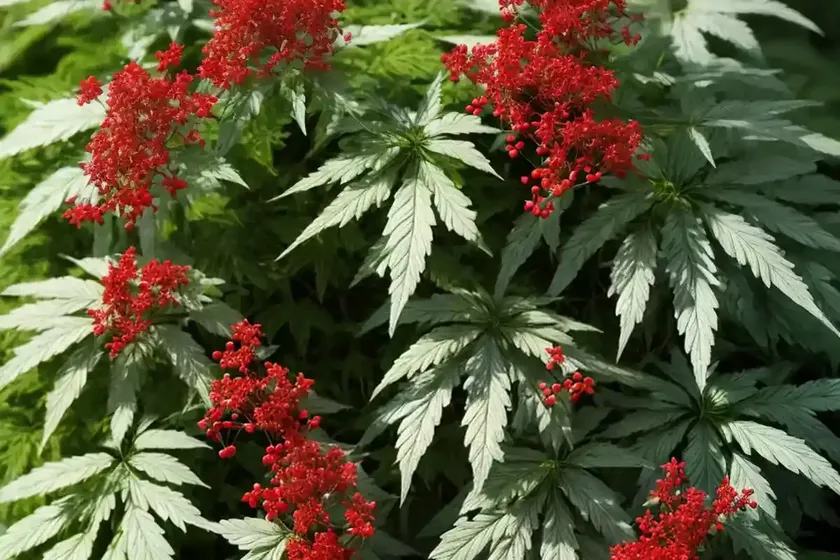
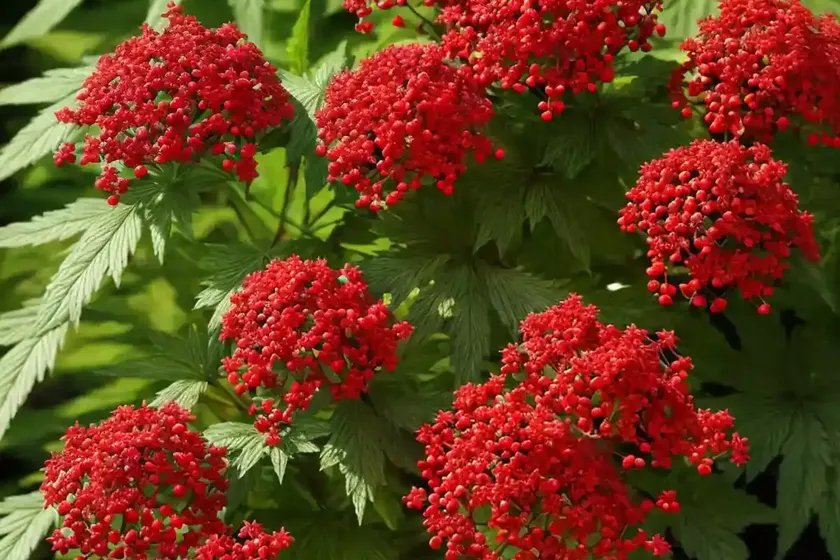
In this comprehensive guide, we’ll delve into the world of the Red-berry elder, also known as Sambucus racemosa. This beautiful shrub has captured the interest of plant enthusiasts and gardeners alike due to its stunning appearance and diverse cultural and medicinal uses. From its habitat and growth requirements to its potential benefits and common pests, we’ll cover every aspect of this remarkable plant.
What is Red-Berry Elder (Sambucus racemosa)?
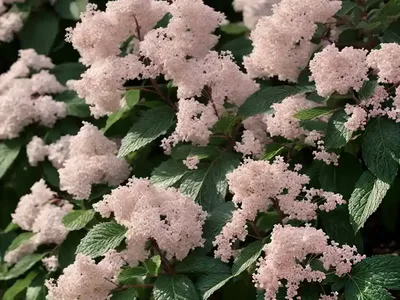
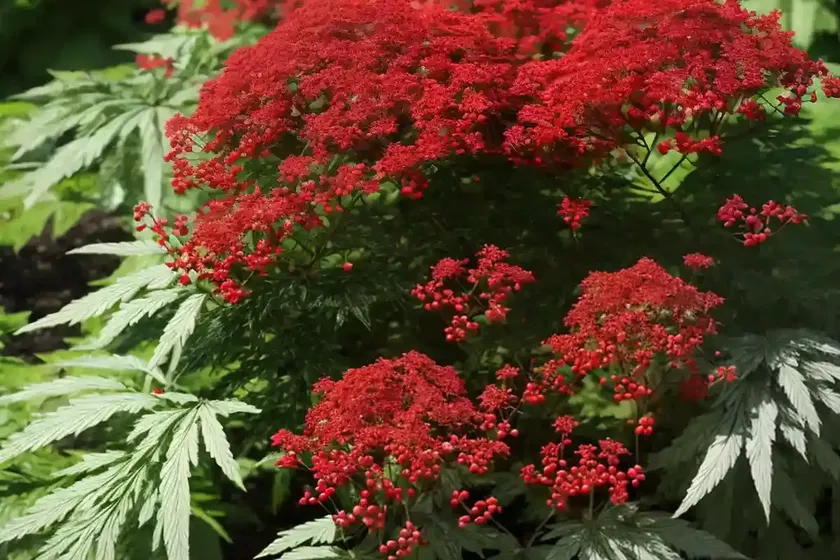
Red-berry elder (Sambucus racemosa) is a deciduous shrub that belongs to the Adoxaceae family. It is native to many regions across the Northern Hemisphere, including North America, Europe, and Asia. The plant is known for its distinctive clusters of bright red berries and small cream-colored flowers. It typically grows in mountainous forests, forest edges, and along streams and rocky slopes.
Key Takeaways – Red-berry elder (Sambucus racemosa)
Before we dive into the specifics of the Red-berry elder, it’s important to highlight some key takeaways about this fascinating plant.
- Plant Name: Red-berry elder (Sambucus racemosa)
- Common Names: Red-berry elderberry, red elderberry
- Habitat: Mountainous forests, forest edges, rocky slopes
- Features: Clusters of bright red berries, cream-colored flowers
- Cultural and Medicinal Uses: Used in landscaping, folk medicine, and culinary practices
- Wildlife Value: Attracts birds and pollinators
- Growth: Deciduous shrub
- Hardiness Zone: Typically grows in hardiness zones 3-7
Now that we’ve covered the basic overview, let’s explore various aspects related to the cultivation, uses, and care of the Red-berry elder.
Culture
Understanding the cultural requirements of the Red-berry elder is crucial for successfully growing and maintaining this shrub in a garden or natural landscape setting. The culture of a plant encompasses various factors such as water, sunlight, fertilizer, soil, and pruning.
Water
Red-berry elder thrives in well-drained soil and typically prefers consistent moisture. While it can tolerate short periods of dryness, it’s important to ensure that the plant receives adequate water during hot and dry spells, especially during the growing season and when the plant is establishing itself. If grown in containers or pots, regular watering is essential to maintain optimal soil moisture levels.
Sunlight
When it comes to sunlight requirements, Red-berry elder does well in partial shade to full sun. It can tolerate a range of light conditions, making it a versatile choice for various garden settings. In regions with intense heat, providing some shade during the hottest part of the day can be beneficial for the plant’s overall health.
Fertilizer
For optimal growth and fruit production, a balanced and organic fertilizer can be applied in early spring before new growth begins. A slow-release fertilizer can help provide essential nutrients to the plant over an extended period. It’s important to follow the recommended application rates and avoid excessive use of fertilizer, which can potentially harm the plant.
Soil
Red-berry elder thrives in well-drained, fertile soil. The addition of organic matter, such as compost, can enhance the soil’s structure and fertility, providing an ideal growing environment for this shrub. Additionally, maintaining a slightly acidic to neutral soil pH is conducive to the plant’s overall health and vigor.
Pruning
Pruning plays a significant role in shaping the growth of Red-berry elder and promoting its overall health. Pruning is usually carried out in late winter or early spring before the plant begins its new growth cycle. This can involve the removal of dead or damaged wood, shaping the plant for aesthetic purposes, and encouraging vigorous growth. As with any pruning activity, it’s important to use sharp and sterilized tools to minimize the risk of disease transmission.
Uses
Red-berry elder has a rich history of cultural, medicinal, and culinary uses, making it a versatile and valuable plant for many communities and individuals. From its decorative qualities to its potential health benefits, the uses of this shrub are diverse and varied.
Landscaping
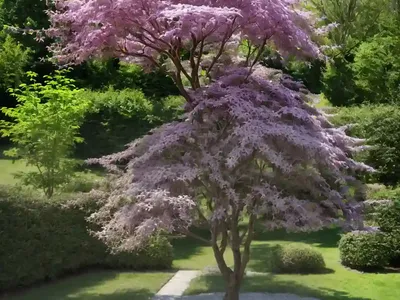
One of the primary uses of Red-berry elder is its ornamental value in landscaping. The vibrant red berries and delicate flowers make it an attractive addition to gardens, naturalized landscapes, and mixed shrub borders. Its ability to attract birds and pollinators adds ecological value to outdoor spaces, contributing to the overall biodiversity of an area.
Culinary Practices
The berries of Red-berry elder can be used in various culinary applications, including jams, jellies, and syrups. They can also be incorporated into baked goods, teas, and alcoholic beverages, adding a unique and flavorful twist to recipes. Foraging and utilizing the berries in culinary endeavors have been a tradition in many cultures, showcasing the diverse uses of this plant beyond its visual appeal.
Folk Medicine
In traditional herbal medicine, various parts of the Red-berry elder plant, including the berries, bark, and flowers, have been used to prepare remedies for coughs, colds, and other respiratory ailments. Additionally, the plant has been employed for its potential diaphoretic and anti-inflammatory properties, making it a valued botanical agent in folk medicine practices.
Water
Understanding the water requirements of the Red-berry elder is crucial for ensuring its health and vitality. When planting Red-berry elder, it’s important to provide adequate water during the establishment phase. Established plants typically require regular watering, especially during dry periods, to maintain optimal soil moisture levels. It’s essential to strike a balance, as excessive waterlogging can lead to root rot and other issues.
Sunlight
Red-berry elder thrives in partial shade to full sun, making it adaptable to a range of lighting conditions. While it can tolerate shade, providing ample sunlight can promote better flowering and fruit production. In hotter regions, some afternoon shade can protect the plant from intense heat, helping it thrive in diverse environments.
Fertilizer
A balanced and organic fertilizer can be beneficial for Red-berry elder, providing essential nutrients for healthy growth and fruit development. Applying fertilizer in early spring, before new growth emerges, can support the plant’s nutritional needs throughout the growing season. It’s important to follow recommended application rates and avoid excessive fertilization, which can result in imbalanced growth and potential harm to the plant.
Soil
The ideal soil for Red-berry elder is well-drained and rich in organic matter. Incorporating compost and other amendments can improve soil fertility and structure, creating an optimal growing environment for the plant. Additionally, maintaining a slightly acidic to neutral soil pH is conducive to the plant’s overall health and performance.
Pruning
Pruning is an essential aspect of Red-berry elder care, aiding in shaping the plant, removing dead or damaged wood, and promoting vigorous growth. Pruning is typically conducted in late winter or early spring before the plant begins its seasonal growth. The use of sharp, sanitized tools is vital to minimize the risk of disease transmission and ensure clean cuts for the plant’s overall well-being.
Propagation
The propagation of Red-berry elder can be achieved through various methods, allowing gardeners and enthusiasts to expand their plant collection and share the beauty of this shrub with others. Propagation methods include seed sowing, hardwood cuttings, and division, each offering unique advantages and considerations.
Seed Sowing
Propagation from seeds can be an exciting and rewarding way to grow Red-berry elder. Harvesting ripe berries and extracting the seeds for sowing can lead to the successful germination of new plants. The stratification of seeds, either through cold stratification or warm stratification, can enhance germination rates and promote robust seedling development.
Hardwood Cuttings
Taking hardwood cuttings from established Red-berry elder plants is a reliable method of propagation. Collecting mature wood during the dormant season and preparing cuttings with the proper techniques can lead to the successful rooting and establishment of new plants. Providing the right environmental conditions and care can further enhance the success of hardwood cutting propagation.
Division
Dividing established Red-berry elder plants can be an effective way to propagate and rejuvenate the shrub. This method involves carefully lifting and dividing the plant into sections, each containing viable roots and shoots. Division can aid in expanding the plant’s presence in the garden and ensuring its long-term vigor.
Container Popularity
Red-berry elder is gaining popularity as a container plant, offering a stunning and versatile option for gardens, patios, and outdoor living spaces. Growing Red-berry elder in containers can provide several advantages, allowing individuals to enjoy its beauty and benefits in various settings.
Versatility
Growing Red-berry elder in containers offers flexibility and versatility, as it can be placed in different locations and environments to suit specific design preferences. From urban balconies to rural gardens, the container-grown Red-berry elder can thrive and enhance the visual appeal of outdoor spaces.
Space Optimization
Containers offer an opportunity to optimize space and incorporate Red-berry elder into various settings, even where traditional in-ground planting may not be feasible. This can be particularly beneficial for individuals with limited outdoor space, as well as for creating eye-catching displays on patios, decks, and entrances.
Mobility
Container-grown Red-berry elder provides mobility, allowing individuals to move the plant to different locations as needed. This flexibility is advantageous for seasonal changes, event hosting, or simply for altering the visual layout of outdoor spaces.
Accessibility
Growing Red-berry elder in containers can enhance accessibility and ease of care, as it allows for personalized maintenance and attention. Individuals can closely monitor the plant’s growth, moisture levels, and overall well-being, fostering a deeper connection with this remarkable shrub.
Common Diseases
Red-berry elder, like many plants, is susceptible to certain diseases that can impact its overall health and appearance. Understanding common diseases and their management is essential for maintaining the plant’s well-being and preventing the spread of illnesses.
Anthracnose
Anthracnose is a fungal disease that can affect Red-berry elder, causing dark lesions on leaves and stems. To manage anthracnose, it’s important to practice good sanitation, remove and destroy affected plant parts, and apply appropriate fungicidal treatments as needed.
Powdery Mildew
Powdery mildew is a common fungal disease that can develop on Red-berry elder, leading to a powdery white coating on leaves and shoots. Adequate air circulation, regular monitoring, and the use of fungicidal treatments can help prevent and address powdery mildew issues.
Leaf Spot
Leaf spot diseases, caused by various fungal pathogens, can manifest as dark or discolored spots on Red-berry elder leaves. Pruning affected branches, promoting proper air circulation, and providing balanced fertilization can aid in managing and preventing leaf spot diseases.
Disease Diagnosis
Diagnosing diseases in Red-berry elder involves careful observation of symptoms, understanding environmental conditions, and potentially seeking professional guidance when necessary. Recognizing the signs of common diseases can facilitate prompt intervention and effective management strategies.
Common Pests
Red-berry elder can be susceptible to certain pests that can impact its growth and overall health. Being aware of common pests and their management can help protect the plant and maintain its vigor.
Aphids
Aphids can infest Red-berry elder, causing damage to leaves and potentially transmitting viral diseases. Insecticidal soaps, neem oil, and biological controls can be used to manage aphid populations and minimize their impact on the plant.
Scale Insects
Scale insects can pose a threat to Red-berry elder, feeding on plant sap and leading to weakened growth. Applying horticultural oils and removing heavily infested plant parts can aid in controlling scale insect populations and reducing their harmful effects.
Leafhoppers
Leafhoppers are another potential pest of Red-berry elder, causing stippling and discoloration of leaves. Monitoring populations, employing natural predators, and creating unfavorable conditions for leafhoppers can contribute to effective pest management.
Botanist’s Tips
As a plant scientist, I would like to share some valuable tips to promote the health and well-being of Red-berry elder. These tips encompass aspects of cultivation, maintenance, and appreciation of this remarkable plant.
Fun Facts
Delving into the realm of fun facts about Red-berry elder can provide unique insights and appreciation for this captivating plant.
- Red-berry elder is known for attracting a variety of bird species, contributing to the ecological balance of its surrounding environment.
- The berries of Red-berry elder are a valuable food source for wildlife, including birds and small mammals, adding to the plant’s ecological significance.
- In certain regions, the berries of Red-berry elder have been used to prepare jams, jellies, and wines, showcasing the plant’s diverse culinary potential.
Links to External Resources
For individuals seeking additional information and resources on Red-berry elder (Sambucus racemosa), the following links provide valuable insights into the plant’s characteristics, uses, and care:
- The Wildlife Trusts – Red-Berry Elder
- Royal Horticultural Society – Sambucus racemosa
- USDA Plants Database – Sambucus racemosa
In conclusion, the Red-berry elder (Sambucus racemosa) embodies a rich tapestry of cultural, culinary, and ecological value, making it a plant of significant interest and importance. By understanding its cultural requirements, uses, potential issues, and best practices, individuals can cultivate and appreciate this remarkable shrub in diverse settings, contributing to the enhancement of their outdoor spaces and ecological landscapes.