Rain Lily (Zephyranthes Treatiae)
Rain lilies are enchanting flowering plants that captivate the hearts of many plant enthusiasts. Among the numerous species of rain lilies, Zephyranthes.
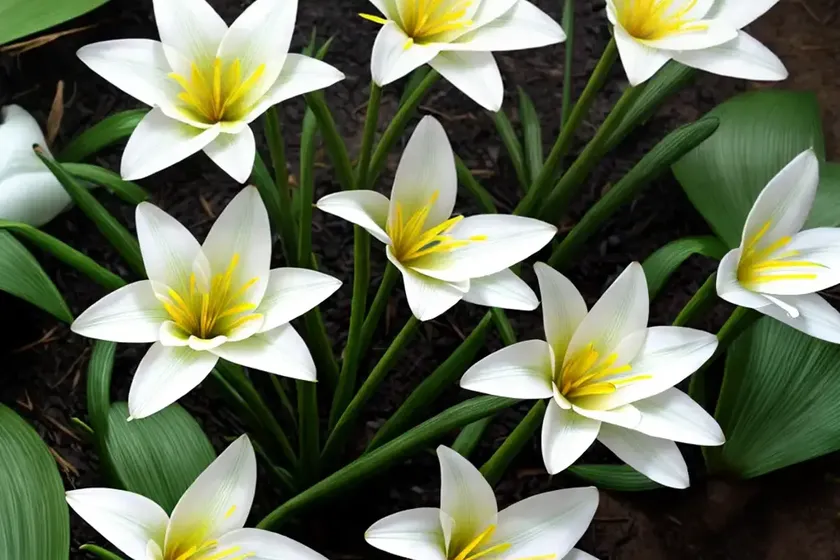
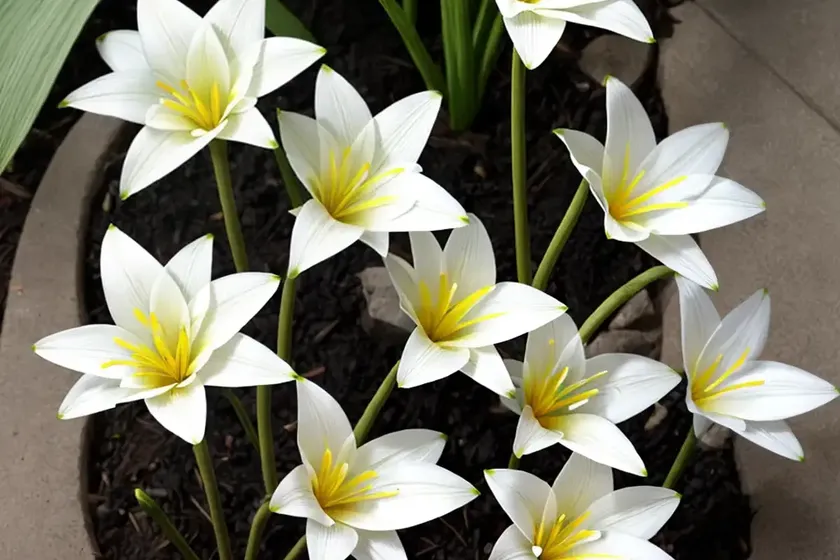
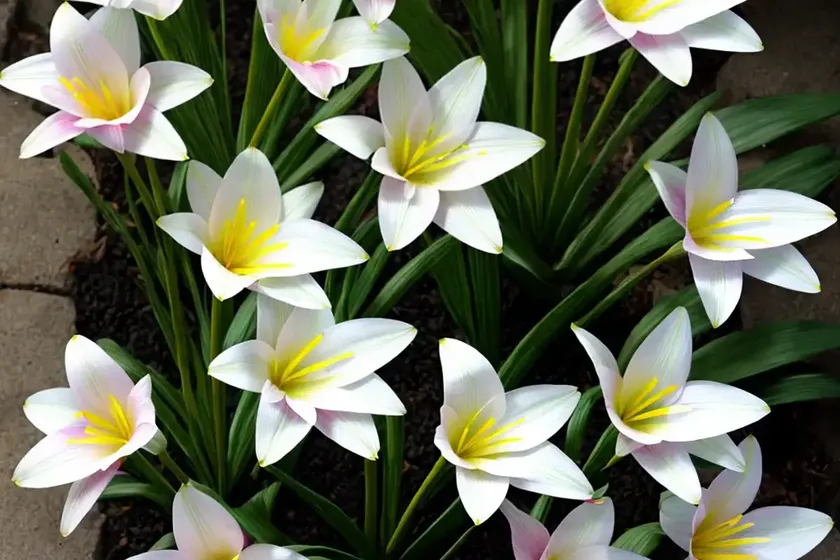
Rain lilies are enchanting flowering plants that captivate the hearts of many plant enthusiasts. Among the numerous species of rain lilies, Zephyranthes treatiae stands out for its exquisite beauty and adaptability. In this comprehensive guide, we will delve into the world of rain lilies, with a particular focus on Zephyranthes treatiae. From its culture and uses to maintenance tips and propagation techniques, this article aims to provide a wealth of knowledge for both novice and seasoned gardeners. So, let’s embark on a botanical journey to unravel the wonders of Zephyranthes treatiae – the splendid rain lily.
What is Rain Lily (Zephyranthes treatiae)?
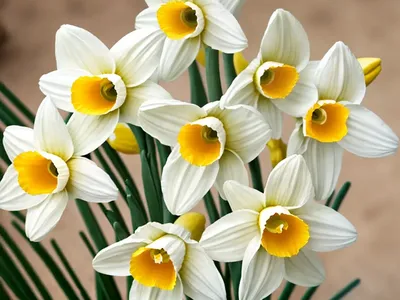
Rain lilies, belonging to the genus Zephyranthes, are perennial bulbous plants that are treasured for their charming, trumpet-shaped flowers and effortless care requirements. Zephyranthes treatiae, commonly known as rain lily, is a species revered for its delicate petals and graceful presence. Native to specific regions, the rain lily has garnered attention for its ability to bloom rapidly after rain showers, hence its name.
Key Takeaways – Rain Lily (Zephyranthes treatiae)
Before we embark on a journey to explore the various facets of Zephyranthes treatiae, it is essential to grasp some key takeaways about this exceptional plant. Here are the essential points encapsulating its nature and characteristics:
- Scientific Name: Zephyranthes treatiae
- Common Name: Rain Lily
- Family: Amaryllidaceae
- Native Habitat: Specific regions of Central and South America
- Growth Habit: Perennial bulbous plant
- Flower Characteristics: Trumpet-shaped, delicate petals
- Adaptability: Performs well in containers and garden landscapes
- Special Feature: Rapid blooming after rain showers
- Maintenance: Low maintenance and easy to care for
With these key takeaways in mind, let’s delve into the specifics of Zephyranthes treatiae, covering its culture, uses, and various care aspects.
Culture
Understanding the culture of Zephyranthes treatiae is crucial to ensure its optimal growth and blooming. From water and sunlight requirements to soil and fertilizer needs, here’s a comprehensive look at the culture of this enchanting rain lily.
Water
One of the most intriguing characteristics of rain lilies, including Zephyranthes treatiae, is their remarkable response to water. These plants are known for their ability to burst into bloom soon after a refreshing rain shower. When it comes to watering them in garden settings, it is important to strike a balance. While rain lilies appreciate moist soil, they do not favor waterlogged conditions, which can lead to bulb rot.
Rain Lily Watering Tips:
- Frequency: Water deeply but infrequently, allowing the soil to partially dry out between waterings.
- Rainfall Simulation: To mimic the natural blooming response, consider giving the rain lilies a thorough watering session.
- Container Care: For potted Zephyranthes treatiae, ensure proper drainage to prevent water accumulation at the bottom of the container.
Sunlight
Zephyranthes treatiae thrives in bright and sunny conditions, showcasing their best blooms when exposed to ample sunlight. Planting them in locations with partial to full sun exposure can enhance their flowering performance and overall vigor.
Sunlight Requirements:
- Ideal Exposure: Aim for locations with at least 6 hours of direct sunlight per day.
- Shade Considerations: While rain lilies adore sunlight, they can still tolerate partial shade, especially in areas with intense afternoon sun.
Fertilizer
Feeding rain lilies with a balanced fertilizer can bolster their growth and flowering capabilities. However, it’s crucial to administer fertilizers cautiously, avoiding excessive application that can lead to foliar burn or nutrient imbalances.
Fertilizing Tips:
- Balanced Formula: Utilize a well-balanced, water-soluble fertilizer, diluting it to half-strength.
- Frequency: Fertilize Zephyranthes treatiae once every 3-4 weeks during the growing season, reducing applications in fall and winter.
- Soil Testing: Periodically assess the soil to determine any specific nutrient deficiencies that may need to be addressed through targeted fertilization.
Soil
The soil composition plays a pivotal role in the health and performance of rain lilies. Well-draining, nutrient-rich soil forms the foundation for enabling Zephyranthes treatiae to thrive and produce stunning blooms.
Soil Conditions:
- Ideal Medium: Opt for well-draining, loamy soil with good fertility.
- Container Mix: When cultivating rain lilies in containers, use a potting mix that promotes efficient drainage while retaining adequate moisture.
- pH Range: Aim for slightly acidic to neutral soil pH levels, typically in the range of 6.0 to 7.0.
Uses
Rain lilies, including the captivating Zephyranthes treatiae, serve various purposes in the realm of gardening and landscaping. Understanding the potential uses of these exquisite plants can guide gardeners in integrating them creatively into their outdoor spaces.
Garden Ornament
The elegant blooms of Zephyranthes treatiae make it a fascinating addition to garden beds, borders, and rock gardens. Their petite size and ethereal flowers contribute a touch of delicacy and charm to outdoor landscapes, creating eye-catching focal points.
Rain Lily Garden Uses:
- Bedding Plants: Plant Zephyranthes treatiae in clusters to form captivating bedding displays.
- Rock Garden Inclusions: Incorporate these petite rain lilies in rock gardens for a splash of natural elegance.
- Border Plantings: Utilize rain lilies to define garden borders or pathways, adding visual appeal to the overall design.
Container Cultivation
The adaptability of rain lilies in container settings opens avenues for diverse decorative and ornamental possibilities. From patio planters to balcony gardens, Zephyranthes treatiae thrives in containers, showcasing its magnificent blooms up close.
Container Uses:
- Patio Planters: Adorn outdoor living spaces with containers filled with blooming Zephyranthes treatiae.
- Balcony Displays: Create captivating displays on balconies and terraces, elevating the aesthetic appeal of compact urban spaces.
- Interior Decor: Bring the allure of rain lilies indoors by adorning interior spaces with potted plants, adding a touch of natural beauty to home environments.
Pruning
Pruning plays a significant role in maintaining the health and aesthetic appeal of Zephyranthes treatiae. While rain lilies do not require extensive pruning, a few simple techniques can enhance their vigor and blooming performance.
Deadheading
Removing spent blooms, also known as deadheading, facilitates continuous flowering and prevents the plants from expending energy on seed production. Deadheading Zephyranthes treatiae involves snipping off faded flowers to encourage the emergence of new blossoms.
Deadheading Techniques:
- Regular Inspection: Monitor the plants regularly for spent blooms, promptly removing them to stimulate further flowering.
- Pruning Shears: Utilize sharp, clean pruning shears to carefully snip off the faded flowers, ensuring minimal stress on the plant.
Note: Be cautious not to damage the foliage or emerging buds while deadheading, as this can affect the overall health of the rain lilies.
Propagation
Expanding the presence of Zephyranthes treatiae in gardens often entails propagation to create new plants. Understanding the propagation methods for rain lilies offers gardeners opportunities to multiply their cherished specimens.
Division
Dividing the clumps of Zephyranthes treatiae bulbs is a straightforward and effective method of propagation. This process allows gardeners to create new plantings from established specimens, revitalizing the garden with an abundance of delightful rain lilies.
Division Steps:
- Early Spring: Perform division in early spring, as new growth initiates and the plants enter an active growth phase.
- Bulb Inspection: Lift the clumps of rain lilies from the soil, carefully examining the bulbs for healthy, plump segments.
- Segment Separation: Gently separate the individual bulbs, ensuring each segment retains healthy roots and foliage.
- Replanting: Plant the divided bulbs at the desired locations, providing optimal growing conditions and consistent care.
Seed Propagation
While division remains the primary propagation method for Zephyranthes treatiae, growing rain lilies from seeds presents an alternative approach for creating new plants. This method allows for the exploration of genetic diversity and the potential development of unique variations.
Seed Propagation Guidelines:
- Seed Collection: Harvest mature seeds from spent flower heads, ensuring they are fully ripe and viable.
- Sowing Time: Plant the seeds in well-prepared soil in spring, providing adequate warmth and moisture for germination.
- Seedling Care: Tenderly care for the emerging seedlings, protecting them from adverse conditions and nurturing their development into robust young plants.
Container Popularity
The allure of rain lilies, including Zephyranthes treatiae, in container gardening extends beyond their captivating blooms. Their adaptability to container settings and their ease of care make them popular choices for enhancing outdoor and indoor spaces with natural beauty.
Patio Displays
The compact size and prolific blooming of Zephyranthes treatiae make them ideal candidates for patio displays, brightening up outdoor seating areas and entertainment spaces.
Container Varieties:
- Color Selection: Explore the diverse hues of rain lilies, opting for pink rain lily or white rain lily varieties to complement specific color schemes.
- Mixed Plantings: Combine Zephyranthes treatiae with other container-friendly plants to create dynamic and visually appealing arrangements.
Interior Décor
In addition to exterior settings, rain lilies add a touch of elegance to interior décor, infusing living spaces with the freshness and vibrancy of nature.
Indoor Container Uses:
- Tabletop Elegance: Place potted Zephyranthes treatiae on tabletops and counters to create captivating focal points.
- Window Gardens: Utilize containers of rain lilies to establish charming window gardens, bringing the beauty of the outdoors inside.
Common Diseases
While Zephyranthes treatiae is generally resilient, it is not immune to certain diseases and maladies that can affect its health and appearance. Being aware of common diseases and their preventive measures is crucial for maintaining the vitality of these enchanting rain lilies.
Fungal Infections
Fungal diseases, such as leaf spots and bulb rots, can pose a threat to the health of Zephyranthes treatiae under conditions of excessive moisture or poor air circulation.
Prevention and Treatment:
- Adequate Airflow: Promote good air circulation around the plants to discourage the development and spread of fungal infections.
- Fungicidal Measures: Utilize appropriate fungicidal treatments to address fungal issues, following label instructions and precautions diligently.
Bulb Disorders
Bulb-related disorders, including soft rot and bulb mites, can undermine the vigor and growth of rain lilies, requiring prompt intervention to mitigate their impact.
Bulb Care Recommendations:
- Proper Planting Depth: Plant Zephyranthes treatiae bulbs at the correct depth to prevent premature rotting and damage.
- Bulb Inspection: Regularly inspect the bulbs for signs of decay or infestation, taking immediate action to address any issues detected.
Disease Diagnosis
Recognizing symptoms of diseases and disorders afflicting Zephyranthes treatiae is essential for accurate diagnosis and targeted management strategies.
Diagnostic Indicators:
- Foliage Changes: Discoloration, spotting, and wilting of leaves may indicate fungal infections or physiological disorders.
- Bulb Inspection: Soft or mushy areas on the bulbs, along with unusual discoloration or odors, can signify bulb-related issues requiring attention.
Common Pests
Despite their resilience, rain lilies, including Zephyranthes treatiae, can fall victim to various pests that seek to exploit their resources for nourishment and habitat. Understanding the common pests and their control measures is vital for safeguarding the well-being of these charming plants.
Aphids
Aphids, tiny sap-sucking insects, can colonize the tender shoots and buds of Zephyranthes treatiae, causing distortion and damage to the plant tissues.
Aphid Control Strategies:
- Natural Predators: Encourage the presence of beneficial insects, such as ladybugs and lacewings, which prey on aphids and help maintain their populations in check.
- Horticultural Oils: Safely apply horticultural oils to suffocate and deter aphids while minimizing impacts on beneficial organisms.
Thrips
Thrips, slender insects with rasping mouthparts, can infest the flowers and foliage of rain lilies, causing stippling and silvery discoloration.
Thrips Management:
- Cultural Practices: Regularly remove and dispose of infested plant parts to reduce thrips populations and limit their impact on Zephyranthes treatiae.
- Insecticidal Solutions: Implement targeted insecticide applications, opting for products certified for thrips control in ornamental plants.
Botanist’s Tips
Harnessing the insights and recommendations of experienced botanists can offer valuable guidance for cultivating and caring for Zephyranthes treatiae. From selection considerations to maintenance strategies, here are essential tips from seasoned experts in the field of botanical science.
Selection Criteria
When acquiring Zephyranthes treatiae for cultivation, it is crucial to prioritize healthy, high-quality specimens with robust bulbs and foliage.
Botanist’s Selection Tips:
- Bulb Condition: Inspect the bulbs for firmness and absence of blemishes or signs of decay, indicating vigorous and viable specimens.
- Foliage Health: Choose plants with lush, vibrant foliage, free from damage or discoloration, as indicators of optimal health.
Seasonal Care
Adhering to seasonal care protocols tailored to the growth patterns and requirements of Zephyranthes treatiae is fundamental for ensuring consistent vitality and blooming performance.
Botanist’s Seasonal Care Guide:
- Spring: Provide ample moisture and nutrients to support new growth and blooming, while monitoring for early signs of pests and diseases.
- Summer: Shield the plants from excessive heat and maintain adequate hydration, especially during dry spells, to prevent stress and dehydration.
- Fall: Adjust watering and fertilization as the growth rate diminishes, preparing the rain lilies for the onset of dormancy in winter.
Cultivation Techniques
Implementing proven cultivation techniques recommended by botanists can optimize the health and prosperity of Zephyranthes treatiae, bolstering their resilience and attractiveness.
Botanist’s Cultivation Insights:
- Soil Preparation: Prioritize well-draining soil mixes rich in organic matter, ensuring optimal conditions for root development and nutrient uptake.
- Watering Practices: Emphasize deep, thorough watering sessions to encourage robust root systems and diminish water-related issues, such as shallow root formation.
Fun Facts
Exploring the captivating world of rain lilies unveils numerous intriguing facts and anecdotes that illuminate the enchanting nature of plants like Zephyranthes treatiae.
Enigmatic Blooming Behavior
The rapid blooming response of rain lilies, triggered by rainfall or artificial irrigation, has fascinated plant enthusiasts and researchers for generations.
Blooming Phenomenon:
- Rainfall Influence: Zephyranthes treatiae and its counterparts often bloom within hours to days of significant rainfall, showcasing their innate response mechanisms.
- Cultural Significance: In various cultures, rain lilies hold symbolism associated with renewal and rejuvenation, echoing their blooming patterns linked to rainy conditions.
Ethereal Flowering Period
The ephemeral and ethereal nature of rain lily blooms captivates the imagination, inspiring admiration and wonder among those who behold their delicate beauty.
Fleeting Beauty:
- Bloom Duration: The flowers of Zephyranthes treatiae exhibit a brief yet captivating presence, often lasting for a few days before gently fading away.
- Artistic Inspirations: The alluring allure of rain lily blooms has inspired artists and poets, who seek to capture and immortalize their fleeting charm.
Links to External Resources
To delve deeper into the world of Zephyranthes treatiae and rain lilies in general, consider exploring the wealth of resources available from botanical institutions, horticultural societies, and expert gardeners.
- American Horticultural Society – An esteemed organization offering comprehensive resources on ornamental plants, including rain lilies and Zephyranthes treatiae.
- Royal Botanic Gardens, Kew – The renowned institution provides valuable botanical information, conservation initiatives, and plant care guidelines.
- The Rain Lily Chronicles Blog – A compelling blog dedicated to the enchanting world of rain lilies, delving into their cultivation, uses, and fascinating attributes.
Conclusion
As we conclude our comprehensive exploration of Zephyranthes treatiae, it is evident that these mesmerizing rain lilies possess an allure and adaptability that are truly remarkable. From their cultural preferences to the art of propagation, the world of Zephyranthes treatiae is rich with insights and possibilities for gardeners and plant enthusiasts. Embracing the charming presence of rain lilies, including Zephyranthes treatiae, can infuse outdoor and indoor spaces with the elegance and fragrance of nature, creating delightful havens of beauty and tranquility.
In the realm of gardening, the allure of Zephyranthes treatiae invites us to celebrate the wonders of nature and embrace the harmonious interplay between plant and gardener, ushering in a world of creativity and enchantment. Let the gentle presence of rain lilies grace your gardens, containers, and landscapes, serving as enduring symbols of resilience and natural grace in the botanical tapestry of life.
So, as you embark on your journey with Zephyranthes treatiae, may these exquisite rain lilies bring joy, inspiration, and a touch of floral magic into your horticultural endeavors.
*Rain Lily Care, Zephyranthes treatiae, Rain Lily Bulbs, How to Grow Rain Lilies, Pink Rain Lily, White Rain Lily, Zephyranthes treatiae Care, Rain Lily Planting Tips, Rain Lily Varieties, Zephyranthes treatiae Bulbs, Rain Lily Propagation, Growing Rain Lilies from Seeds, Rain Lily Blooming Season, Zephyranthes treatiae Flowers, Rain Lily Garden, Zephyranthes treatiae Landscape, Rain Lily Maintenance, Rain Lily Watering, Zephyranthes treatiae Sunlight Requirements, Rain Lily Soil Conditions, Zephyranthes treatiae Pests and Diseases, Rain Lily Container Gardening, Zephyranthes treatiae Perennial Plant, Rain Lily Companion Plants, Zephyranthes treatiae Native Habitat, Rain Lily Seasonal Care, Zephyranthes treatiae Garden Design, Rain Lily Landscape Ideas, Zephyranthes treatiae Garden Features, Rain Lily Gardening Tips, Zephyranthes treatiae Flower Arrangements, Rain Lily Naturalizing, Zephyranthes treatiae Wildlife Attraction, Rain Lily Pollinators, Zephyranthes treatiae Fragrance, Rain Lily Medicinal Properties, Zephyranthes treatiae Folklore and Symbolism, Rain Lily Cultural Significance, Zephyranthes treatiae Plant Family, Rain Lily Conservation Status, Zephyranthes treatiae Growth Habit, Rain Lily Seasonal Color, Zephyranthes treatiae Garden Borders, Rain Lily Garden