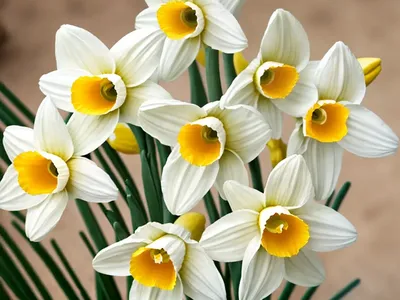
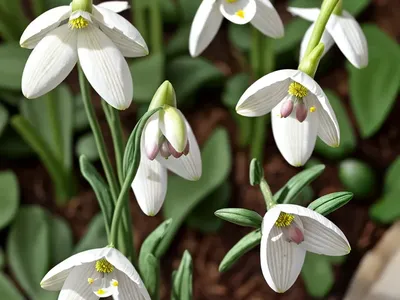
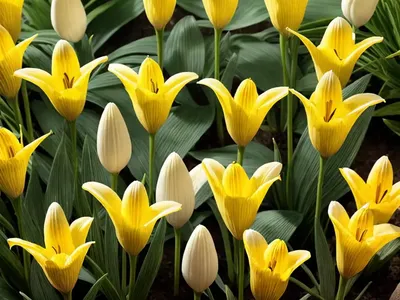
Rain Lily (Zephyranthes Candida)
Rain lilies are exquisite flowering plants that belong to the genus Zephyranthes and are known for their delicate and striking flowers. Among the many.
Introduction to Rain Lily
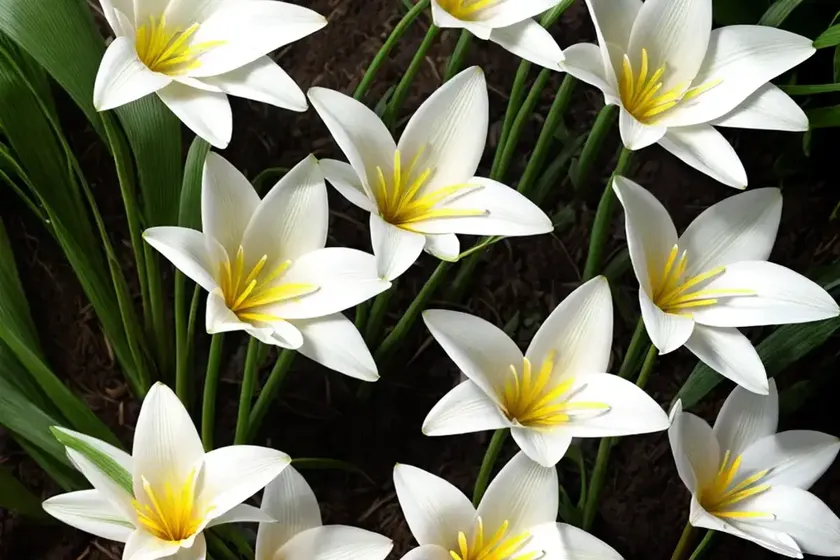
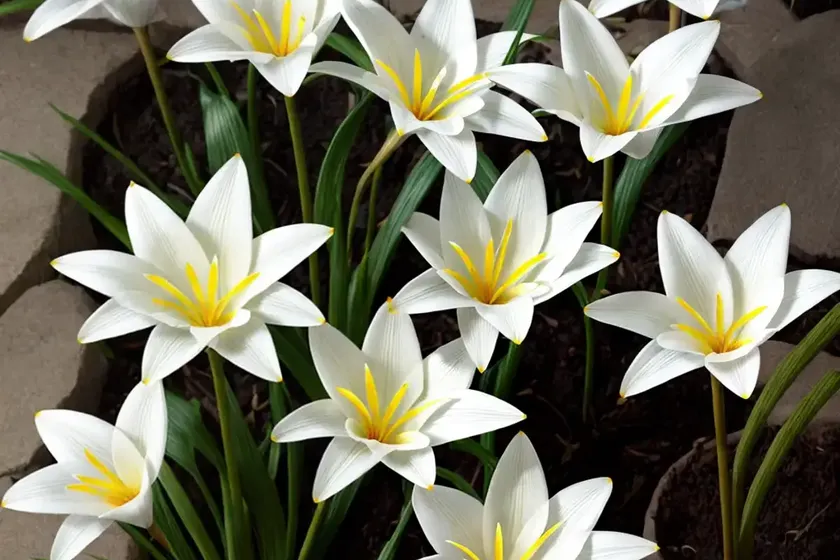
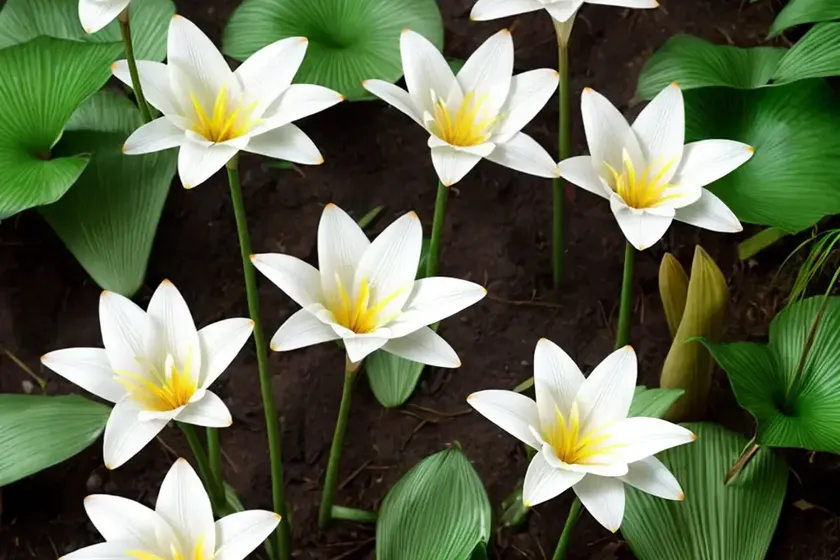
Rain lilies are exquisite flowering plants that belong to the genus Zephyranthes and are known for their delicate and striking flowers. Among the many species in this genus, Zephyranthes candida stands out for its charming white flowers and ease of cultivation. These resilient plants have gained popularity among gardening enthusiasts for their ability to brighten up the landscape with their lovely blooms. In this comprehensive guide, we will delve into the various aspects of rain lilies, from their cultural requirements to their uses and maintenance.
Key Takeaways
Before we delve into the specifics of caring for rain lilies, let’s take a quick look at the essential points we will be covering in this guide.
Rain Lily (Zephyranthes candida)
- Common Name: Rain Lily
- Scientific Name: Zephyranthes candida
- Family: Amaryllidaceae
- Hardiness Zone: 7-11
- Foliage: Herbaceous, grass-like
- Flower Color: White
- Cultural Requirements: Well-draining soil, ample sunlight, regular watering
- Uses: Ornamental gardens, landscaping, container gardening
Now, let’s explore each of these aspects in detail to gain a comprehensive understanding of how to care for and make the most of these charming plants.
Culture
Water
Rain lilies are named for their tendency to bloom after a heavy rain, making them popular for their association with rainfall. Consequently, they have adapted to thrive in well-drained soil that is not overly waterlogged. When watering rain lilies, it is essential to avoid overwatering, as excessive moisture can lead to rotting of the bulbs. On the other hand, they should not be allowed to completely dry out, as this can impede their growth and flowering. Therefore, it is best to maintain a balanced approach to watering, ensuring that the soil remains consistently moist but not waterlogged.
Sunlight
These plants thrive in bright, indirect sunlight but can also tolerate partial shade. While they can adapt to various light conditions, they typically perform best in locations that receive at least six hours of sunlight per day. Insufficient sunlight may lead to reduced flowering, so it is essential to provide them with adequate light to support their blooming cycle.
Fertilizer
Rain lilies do not have particularly high fertilizer requirements, but they can benefit from a light application of a balanced, slow-release fertilizer in the spring. This can help support their growth and flowering, providing them with the nutrients they need to thrive.
Soil
The ideal soil for rain lilies is well-draining and rich in organic matter. They prefer soil with a slightly acidic to neutral pH and can thrive in a range of soil types, including sandy or loamy soil.
Pruning
Pruning rain lilies is a straightforward process. After the flowers have faded, the spent blooms can be deadheaded to maintain the plant’s appearance and encourage further flowering. Additionally, any yellowing or damaged foliage can be trimmed away to maintain the plant’s health and aesthetics.
Propagation
Rain lilies can be easily propagated by division. Over time, the bulbs will produce offsets that can be carefully separated from the parent plant and replanted in a suitable location. This process allows for the expansion of rain lily displays in gardens and can also be a way to share these delightful plants with fellow gardening enthusiasts.
Container Popularity
Given their compact size and dazzling flowers, rain lilies are highly popular for container gardening. They can add a touch of elegance to balconies, patios, and other small spaces, making them a versatile choice for gardeners with limited outdoor areas. Their adaptability to containers also means that they can be brought indoors over winter in colder climates, allowing enthusiasts to enjoy their beauty year-round.
Common Diseases
Disease Diagnosis
While rain lilies are generally robust and resilient, they can occasionally be susceptible to fungal diseases such as gray mold and bulb rot if they are subjected to consistently damp conditions. It is essential to address any signs of disease promptly, ensuring that affected plants are isolated and provided with appropriate care to recover.
Common Pests
Rain lilies are relatively resistant to pests, but they may occasionally attract thrips and aphids. Regular monitoring can help detect and address any pest issues promptly, minimizing their impact on the plants’ health and vigor.
Botanist’s Tips
As a botanist specializing in ornamental plants, I have some additional tips for cultivating and caring for rain lilies:
- Protect the bulbs from excessive moisture during dormancy, as this can cause them to rot.
- Consider mulching around rain lilies to help retain moisture and suppress weed growth while also providing protection during colder months.
Fun Facts
- In addition to their ornamental uses, rain lilies have therapeutic significance in traditional medicine, where they are used for various purposes.
- Rain lilies are often associated with renewal and rejuvenation, making them symbolic of fresh starts and new beginnings.
Conclusion
Rain lilies, particularly the Zephyranthes candida variety, are enchanting plants that bring beauty and elegance to gardens, landscapes, and containers. With their resilient nature and captivating blooms, they offer a delightful addition to any outdoor space, whether it be a sunny garden bed or a small balcony. By understanding and meeting their cultural requirements, enthusiasts can cultivate and enjoy the beauty of these lovely plants, creating vibrant displays that brighten even the rainiest of days.
Links to External Resources
For further information on rain lilies and related topics, consider exploring the following resources:
- Rain Lilies: Flowers that appear as if by magic
- Zephyranthes candida: White Rain Lily
- Growing Rain Lilies
By: Kendra Smith, Ph.D.
Ph.D. in Botany, specializing in Ornamental Plants
Author’s Note: The information presented in this guide is based on my research and professional experience with rain lilies and their cultivation. I hope that it proves valuable to gardening enthusiasts and plant lovers alike as they seek to enhance their understanding of these delightful plants and cultivate them in their own outdoor spaces.