Quercus ilex (Holm Oak): A Comprehensive Guide
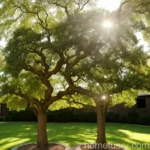
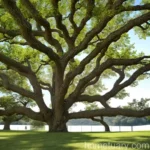
Quercus ilex, commonly known as Holm Oak, is a magnificent evergreen oak tree that belongs to the family Fagaceae. This species is native to the Mediterranean region and is renowned for its adaptability, resilience, and ecological significance. In this comprehensive guide, we will delve into the characteristics, cultivation, uses, and maintenance of Quercus ilex, addressing various aspects such as habitat, care, diseases, pests, propagation, and much more.

What is Quercus ilex (Holm Oak)?
Quercus ilex, commonly known as Holm Oak or Holly Oak, is an evergreen tree species native to the Mediterranean region, including parts of southern Europe, North Africa, and western Asia. It is distinguished by its dark green, leathery leaves, which feature a waxy coating to minimize water loss, and acorns that serve as a vital food source for various wildlife species. The tree’s botanical name, Quercus ilex, is derived from Latin, with “quercus” meaning “oak” and “ilex” referring to an evergreen oak in the Ilex genus.
The Holm Oak is a prominent species in Mediterranean ecosystems and has been used for various purposes, including landscaping, timber production, and providing shelter and food for wildlife. Due to its adaptability and resilience, Quercus ilex has become valued not only for its ecological significance but also for its cultural and aesthetic importance.
Key Takeaways – Quercus ilex (Holm Oak)
Let’s dive into the key aspects of the Quercus ilex tree, covering its cultural and ecological significance, uses, and essential care requirements.
Quercus ilex Facts
- Scientific Name: Quercus ilex
- Common Names: Holm Oak, Holly Oak
- Family: Fagaceae
- Habitat: Mediterranean region
- Type: Evergreen tree
- Symbolism: Strength, endurance, and longevity
Culture
Habitat and Distribution
Quercus ilex is adapted to the Mediterranean climate, characterized by hot, dry summers and mild, wet winters. This species thrives in a range of habitats, including coastal regions, lowland areas, and upland forests. It can tolerate a variety of soil conditions, from sandy to clay-rich soils, and is well-suited to the rugged landscapes of the Mediterranean region.
Ecological Significance
The Holm Oak plays a crucial role in Mediterranean ecosystems, providing food and shelter for numerous animal species. Its dense foliage and acorns support diverse wildlife, including birds, mammals, and invertebrates. Additionally, the tree’s extensive root system aids in soil retention and erosion control, contributing to the stability and fertility of the surrounding environment.
Symbolism and Cultural Importance
In various cultures, the Holm Oak symbolizes strength, endurance, and resilience. Its evergreen nature and longevity are associated with steadfastness and stability, making it a revered tree in folklore and traditional beliefs. In some regions, the tree’s wood and acorns have been used in rituals, crafts, and culinary practices, further highlighting its cultural significance.
Uses
Landscaping and Ornamental Value
Quercus ilex is widely utilized in landscaping and garden design due to its attractive foliage, well-defined habit, and tolerance of diverse growing conditions. It serves as an excellent specimen tree, providing year-round interest and enhancing the visual appeal of parks, urban spaces, and private gardens. Furthermore, its adaptability to pruning makes it suitable for hedging and topiary, allowing for creative and versatile landscape designs.
Timber and Wood Uses
The wood of Quercus ilex is valued for its durability and strength, making it suitable for various woodworking applications. Historically, the timber has been utilized in the construction of furniture, flooring, and agricultural implements. Additionally, the tree’s bark has been employed for tanning leather, further emphasizing its economic importance.
Wildlife Habitat and Forage
The Holm Oak is a vital source of food and habitat for a wide array of wildlife. Its abundant acorn production sustains numerous bird and mammal species, including jays, squirrels, and wild boar. The dense canopy of the tree provides shelter and nesting sites for birds, contributing to the overall biodiversity of its ecosystem.
Water, Sunlight, and Soil
Watering Requirements
Quercus ilex is well-adapted to the Mediterranean climate and exhibits moderate drought tolerance once established. However, during the establishment phase, regular watering is essential to promote root development and ensure the tree’s vitality. Adequate moisture levels, particularly in well-draining soils, contribute to the overall health and vigor of the tree.
Sunlight Needs
Being a sun-loving species, Quercus ilex thrives in full sunlight and benefits from exposure to direct sunlight for a significant portion of the day. It is ideally suited to open, unshaded locations and exhibits optimal growth and foliage density under ample sunlight conditions.
Soil Preferences
The Holm Oak is remarkably adaptable to different soil types, including loamy, sandy, and clay-rich soils. It prefers well-draining substrates and is relatively tolerant of alkaline soils. However, it is essential to avoid waterlogged or excessively compacted soils to prevent issues such as root rot and poor aeration.
Fertilizer and Pruning
Fertilization Guidelines
When necessary, a balanced, slow-release fertilizer can be applied to Quercus ilex to support its growth and overall vigor. Fertilization is especially beneficial in nutrient-poor soils or when the tree displays signs of nutrient deficiencies. Care should be taken to apply the fertilizer evenly and avoid excessive nitrogen levels, which can lead to imbalanced growth or increased susceptibility to certain pests and diseases.
Pruning and Maintenance
Proper pruning practices are essential for maintaining the health, form, and aesthetic appeal of Quercus ilex. Routine pruning can help manage the tree’s size, shape, and canopy density, as well as remove dead or damaged branches. Additionally, shaping the tree through selective pruning can accentuate its ornamental value and promote robust, well-structured growth.
Propagation and Container Planting
Propagation Methods
Quercus ilex can be propagated through various methods, including seed germination and vegetative propagation techniques such as grafting and cuttings. While growing the tree from seed requires patience and time for the development of a mature specimen, vegetative propagation can yield genetically identical clones and hasten the production of new plants with desirable traits.
Container Planting
The Holm Oak is amenable to container cultivation, allowing for its inclusion in gardens, patios, and urban landscapes. When planted in containers, attention should be given to providing adequate space for root development, ensuring proper drainage, and adjusting watering and fertilization practices to accommodate the tree’s growth in a confined environment.
Common Diseases and Pests
Disease Susceptibility
While Quercus ilex is relatively resistant to many diseases, it can be affected by certain fungal pathogens, such as powdery mildew and oak root fungus, especially in conditions of excessive moisture or poor air circulation. Timely intervention and proper cultural practices can mitigate the impact of these diseases and maintain the tree’s health.
Pest Management
Common pests that may affect Quercus ilex include scale insects, oak processionary moths, and gall wasps. Monitoring the tree for signs of pest activity, promoting a healthy growing environment, and considering targeted control measures when necessary can help safeguard the tree from pest-related damage.
Botanist’s Tips
Holm Oak Cultivation
When cultivating Quercus ilex, selecting suitable planting sites and providing optimal growing conditions are crucial for the tree’s long-term success. Careful attention to soil preparation, water management, and periodic maintenance can significantly enhance the tree’s resilience and ornamental value in landscaping and horticultural settings.
Seasonal Care Considerations
Adapting care practices to seasonal changes is essential for nurturing Quercus ilex throughout the year. From adjusting watering frequency in response to seasonal rainfall patterns to timing pruning activities during dormant periods, aligning care routines with the tree’s natural cycles promotes its vitality and overall well-being.
Fun Facts
Finally, let’s explore some intriguing and lesser-known facts about Quercus ilex:
- The Holm Oak’s leaves are often utilized in traditional medicine for their astringent and diuretic properties.
- The wood of Quercus ilex is prized for its use in crafting barrels for aging wine and spirits, contributing to the flavor profiles of premium beverages.
- In mythology and folklore, the Holm Oak is associated with deities, magical properties, and protective symbolism, reflecting its enduring cultural relevance.
Links to External Resources
For further exploration of Quercus ilex and related topics, the following external resources provide valuable insights and in-depth information:
- Royal Botanic Gardens, Kew – Quercus ilex
- University of Florida IFAS Extension – Holm Oak Trees
- Mediterranean Garden Society – Quercus ilex in Mediterranean Gardens
- The Morton Arboretum – Oak Tree Diseases and Pests
- RHS Gardening – Pruning Evergreen Trees
In conclusion, Quercus ilex, or Holm Oak, stands as a remarkable tree species with diverse ecological, cultural, and horticultural significance. Its adaptability, ornamental value, and contributions to wildlife and landscapes make it a cherished component of Mediterranean environments and beyond. By understanding and appreciating the characteristics and care requirements of Quercus ilex, we can cultivate a deeper connection with this extraordinary tree and its myriad benefits.
cite: true
Editor: @sudhirs185