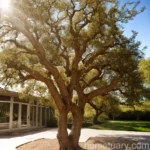
Quercus alba (White Oak): A Comprehensive Guide
Introduction
Welcome to this comprehensive guide to Quercus alba, more commonly known as White Oak. In this article, we will delve into the fascinating world of White Oak trees, exploring their description, characteristics, uses, habitat, cultivation, care, diseases, pests, and much more. As a plant scientist, I am excited to share my expertise on this iconic tree species.
What is Quercus alba (White Oak)?
Quercus alba, or White Oak, is a species of oak native to eastern and central North America. It belongs to the family Fagaceae, which includes a diverse range of trees and shrubs. White Oak is highly valued for its lumber, as well as for its ornamental and ecological significance.
Quercus alba Description
White Oak is a deciduous tree that typically reaches heights of 60 to 100 feet at maturity, with a spread of 50 to 80 feet. The trunk is often short and heavily branched, and its bark is characterized by a light gray color and a scaly texture. The leaves of White Oak are distinctive, showcasing a lobed shape with rounded tips and a dark green color. In the autumn, the foliage transforms into a stunning display of red, brown, and purple hues.
Key Takeaways – Quercus alba (White Oak)
Culture
White Oak trees are deeply rooted in American culture and history. They have been revered for their strength, durability, and beauty for centuries. It is not uncommon to find White Oak trees featured in literature, art, and folklore, symbolizing longevity, wisdom, and resilience.
Uses
The uses of White Oak are diverse and significant. From its prized timber for furniture and flooring to its role in wildlife habitat and ecological restoration, White Oak holds a special place in various industries and ecosystems.
White Oak Tree Facts
- Scientific Name: Quercus alba
- Family: Fagaceae
- Native Range: Eastern and central North America
- Height: 60 to 100 feet
- Spread: 50 to 80 feet
- Bark: Light gray and scaly
- Leaves: Lobed with rounded tips, dark green, autumn colors of red, brown, and purple
Quercus alba Characteristics
- Deciduous tree
- Strong and durable timber
- Ornamental value in landscaping
- Important species in forest ecosystems
White Oak Tree Information
- Highly valued for lumber
- Significant in folklore and cultural symbolism
- Provides habitat for various wildlife species
- Supports ecological diversity
Quercus alba Uses
White Oak has a wide range of uses, making it a versatile and valuable tree species. Some of its primary uses include:
1. Timber for furniture, flooring, and construction.
2. Landscaping and ornamental purposes in parks and gardens.
3. Wildlife habitat and food source for birds, mammals, and insects.
4. Ecological restoration and reforestation efforts.
White Oak Tree Benefits
The benefits of White Oak extend beyond its practical uses. Its presence in landscapes and natural areas brings aesthetic, ecological, and cultural advantages. From providing shade and enhancing biodiversity to inspiring art and storytelling, White Oak contributes to the well-being of both people and the environment.
Quercus alba Habitat
White Oak trees thrive in a variety of habitats within their native range. They are often found in well-drained upland soils, including dry ridges, slopes, and rocky hillsides. White Oak can also tolerate a range of soil types, from acidic to alkaline, and is well adapted to different moisture levels.
White Oak Tree Distribution
White Oak trees are distributed across eastern and central North America, spanning a wide geographic area that includes diverse climates and ecosystems. Their adaptability and resilience have contributed to their widespread presence in forests, woodlands, and urban settings.
Quercus alba Taxonomy
The taxonomy of Quercus alba reflects its classification within the plant kingdom and its relationship to other species within the oak genus Quercus. Understanding the taxonomic details of White Oak sheds light on its evolutionary history and botanical characteristics.
White Oak Tree Species
As a distinct species within the Quercus genus, White Oak exhibits unique traits and ecological interactions that differentiate it from other oak species. Exploring the diversity of oak species offers insights into the evolutionary and ecological dynamics of these iconic trees.
Quercus alba Growth
The growth patterns of White Oak trees are influenced by various factors, including environmental conditions, soil quality, and genetic traits. Understanding the growth habits of White Oak is essential for successful cultivation and management of these trees.
White Oak Tree Size
White Oak trees attain impressive sizes as they mature, forming majestic crowns and substantial trunks. Their size and form contribute to their visual impact and ecological roles in forest communities.
Quercus alba Leaves
The leaves of Quercus alba are one of its defining features, showcasing a distinctive shape and vibrant colors. Examining the morphology and function of White Oak leaves reveals their ecological significance and aesthetic appeal.
White Oak Tree Bark
The bark of White Oak trees provides physical protection and regulatory functions for the tree’s trunk and branches. Its appearance and texture undergo changes as the tree matures, reflecting its age and environmental exposure.
Quercus alba Wood
The wood of White Oak is renowned for its strength, durability, and attractive grain patterns. It has been widely used in traditional and modern woodworking, contributing to the creation of high-quality furniture, flooring, and architectural features.
White Oak Tree Acorns
Acorns are a crucial part of the reproductive and ecological cycle of White Oak trees. They serve as a food source for wildlife and play a role in the regeneration of oak forests.
Quercus alba Wildlife
White Oak trees support a diverse array of wildlife species, offering shelter, nesting sites, and food resources. Their ecological interactions contribute to the richness and complexity of forest ecosystems.
White Oak Tree Ecology
The ecological roles of White Oak encompass interactions with soil, water, climate, and other organisms, shaping the dynamics of forest communities and landscapes. Understanding White Oak ecology is essential for sustainable forest management and conservation.
Quercus alba Conservation
Conserving White Oak trees is of paramount importance, given their ecological significance, cultural value, and economic contributions. Efforts to protect and restore White Oak populations are critical for maintaining healthy forest ecosystems.
White Oak Tree Symbolism
The symbolism of White Oak in human cultures and traditions reflects its enduring and multi-faceted significance. From folklore and mythology to modern environmental awareness, White Oak embodies diverse symbolic meanings.
Quercus alba Landscape
Integrating White Oak trees into landscapes enhances the aesthetic, ecological, and functional aspects of outdoor environments. Whether in natural or urban settings, White Oak contributes to the beauty and sustainability of landscapes.
White Oak Tree Planting
Planting White Oak trees requires attention to site selection, soil preparation, and post-planting care to ensure their successful establishment and long-term growth. Proper planting practices are essential for the health and vigor of White Oak trees.
Quercus alba Care
Effective care and maintenance practices are essential for promoting the health and vitality of White Oak trees. From watering and fertilizing to pruning and pest management, adopting appropriate care strategies is crucial for the well-being of White Oak trees.
White Oak Tree Pruning
Pruning White Oak trees involves strategic removal of branches and foliage to enhance their structure, aesthetics, and overall health. Understanding the principles of tree pruning is vital for achieving desirable outcomes and minimizing potential risks.
Quercus alba Diseases
White Oak trees are susceptible to various diseases that can impact their growth and longevity. Identifying and managing these diseases is essential for preserving the health and productivity of White Oak trees.
White Oak Tree Pests
Pests pose a potential threat to the well-being of White Oak trees, requiring proactive monitoring and control measures to mitigate their impact. Understanding the biology and behavior of common pests is essential for effective pest management.
Quercus alba Cultivation
Cultivating White Oak trees involves a range of practices aimed at promoting their growth, regeneration, and ecological functions. Sustainable cultivation methods contribute to the conservation and utilization of White Oak resources.
White Oak Tree Adaptations
White Oak trees have evolved various adaptations to thrive in diverse environments and ecological conditions. Exploring their adaptive traits sheds light on their resilience and ecological success.
Quercus alba Seedling
The early stages of White Oak’s life cycle involve seedling establishment, growth, and survival in the forest understory. Understanding the dynamics of White Oak seedlings is essential for forest regeneration and management.
White Oak Tree Gardening
Integrating White Oak trees into garden settings offers opportunities for enhancing biodiversity, aesthetics, and educational experiences. Gardening with White Oak requires attention to species selection and ecological considerations.
Quercus alba Timber
The timber qualities of White Oak have made it a sought-after material for woodworking and craftsmanship. Exploring the properties and uses of White Oak timber highlights its value and versatility in various industries.
White Oak Tree Furniture
White Oak timber is a favored material in furniture making, valued for its durability, attractive grain patterns, and workability. White Oak furniture contributes to the beauty and functionality of interior and exterior spaces.
Quercus alba Shade Tree
White Oak’s broad canopy and dense foliage make it an excellent shade tree, providing cooling effects and aesthetic enhancements in outdoor environments. Its use as a shade tree offers numerous benefits for people and wildlife.
White Oak Tree Lumber
White Oak lumber is widely utilized in construction, flooring, and woodworking applications, reflecting its strength, stability, and visual appeal. The use of White Oak lumber contributes to the durability and beauty of built environments.
Quercus alba Deciduous
As a deciduous tree species, White Oak undergoes seasonal changes in leaf color and foliage renewal, contributing to the dynamic character of forests and landscapes. The deciduous nature of White Oak has ecological and aesthetic implications.
White Oak Tree Hardwood
The hardwood characteristics of White Oak timber make it highly valued for a range of applications, from fine furniture to barrels for aging spirits. The hardness, durability, and grain patterns of White Oak hardwood contribute to its desirability in woodworking.
Quercus alba Leaf Shape
The distinct leaf shape of White Oak is a key feature for identifying and appreciating this iconic tree species. Examining the form and function of White Oak leaves reveals their adaptations and ecological roles.
White Oak Tree Ecosystem
White Oak trees play integral roles in forest ecosystems, influencing nutrient cycling, wildlife populations, and overall ecosystem dynamics. Understanding the contributions of White Oak to ecosystems is essential for conservation and sustainable management.
Quercus alba Wildlife Habitat
White Oak trees provide critical habitat for a diversity of wildlife species, from birds and mammals to insects and fungi. Their significance for wildlife habitat underscores their importance for ecosystem health and biodiversity.
White Oak Tree Autumn Color
The vibrant autumn colors exhibited by White Oak trees are a spectacle in natural and landscaped environments, adding visual interest and seasonal beauty. Understanding the factors that influence autumn coloration in White Oak enhances appreciation for its ecological and aesthetic contributions.
Quercus alba Landscape Design
Incorporating White Oak trees into landscape designs offers opportunities for enhancing the beauty, function, and ecological value of outdoor spaces. Designing with White Oak requires attention to site conditions, species selection, and long-term maintenance considerations.
White Oak Tree Native Range
The native range of White Oak encompasses a diverse array of habitats and environmental conditions, reflecting its adaptability and resilience. Understanding its native range provides insights into its ecological requirements and distribution patterns.
Quercus alba Climate Tolerance
White Oak trees exhibit a degree of climate tolerance, allowing them to thrive in different temperature and precipitation regimes within their native range. Their ability to withstand diverse climatic conditions contributes to their widespread distribution.
White Oak Tree Medicinal Uses
In traditional and indigenous medicine, various parts of White Oak have been used for their medicinal properties. Exploring the medicinal uses of White Oak offers insights into its cultural significance and potential health benefits.
Quercus alba Historical Significance
White Oak has played important historical roles in American culture, economy, and natural history. Understanding its historical significance provides context for appreciating its enduring relevance and value.
White Oak Tree Mythology
Mythological and symbolic associations with White Oak are found in diverse cultural traditions, reflecting its enduring presence in human consciousness and storytelling. Exploring White Oak mythology enriches our understanding of its cultural and symbolic meanings.
Quercus alba Drought Resistance
White Oak trees possess adaptations for tolerating periods of drought and water stress, contributing to their survival in various environmental conditions. Their drought resistance is an essential trait for withstanding climate variability.
White Oak Tree Soil Requirements
Understanding the soil preferences and tolerances of White Oak trees is crucial for their successful growth and establishment. Soil requirements for White Oak encompass factors such as texture, drainage, pH, and nutrient availability.
Quercus alba Timber Industry
The timber industry has long relied on White Oak for its exceptional qualities and diverse applications in woodworking, construction, and manufacturing. Its importance in the timber industry underscores its economic and cultural significance.
White Oak Tree Environmental Benefits
The environmental benefits of White Oak encompass its contributions to carbon sequestration, ecological diversity, soil stability, and water conservation. Recognizing the environmental values of White Oak underscores its relevance for sustainable land stewardship.
Botanist’s Tips
As a botanist, I would like to offer some tips for those interested in cultivating or appreciating White Oak trees:
– Select planting sites with well-drained soil and adequate sunlight for optimal growth.
– Consider the long-term implications of White Oak tree placement in landscapes to maximize their benefits and minimize potential conflicts with infrastructure or other vegetation.
– Monitor for signs of pests and diseases, and promptly address any issues to maintain tree health.
– Appreciate the ecological and cultural significance of White Oak trees, and consider their conservation and sustainable use in relevant contexts.
Fun Facts
To conclude our exploration of Quercus alba, here are some fun facts about White Oak:
– The USS Constitution, a historic naval ship, was constructed using White Oak timbers, earning it the nickname “Old Ironsides” due to its remarkable durability.
– White Oak acorns are an important food source for wildlife, and their high tannin content makes them less susceptible to decay, contributing to their longevity in the forest ecosystem.
– White Oak is the state tree of Connecticut, Illinois, and Maryland, reflecting its cultural and botanical significance in these regions.
Links to External Resources
If you’d like to explore more information about Quercus alba, here are some helpful external resources:
– Missouri Botanical Garden – Quercus alba
– USDA Forest Service – Silvics of North America: White Oak
– The Morton Arboretum – White Oak