Pygmy Date Palm (Phoenix Roebelenii Palm)
As a plant scientist, it’s always fascinating to explore and study different plant species. In this comprehensive guide, we will delve into the intricacies.
Introduction
As a plant scientist, it’s always fascinating to explore and study different plant species. In this comprehensive guide, we will delve into the intricacies of the Pygmy Date Palm (Phoenix roebelenii), a popular choice for indoor and outdoor landscaping. We will cover the plant’s culture, uses, water and sunlight requirements, fertilizer needs, soil preferences, pruning techniques, propagation methods, common diseases and pests, and much more. By the end of this guide, you will have a well-rounded understanding of how to care for and cultivate the beautiful Pygmy Date Palm.
What is Pygmy Date Palm (Phoenix roebelenii)?
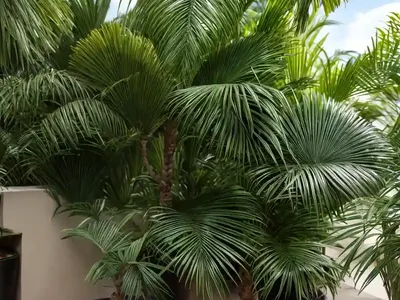
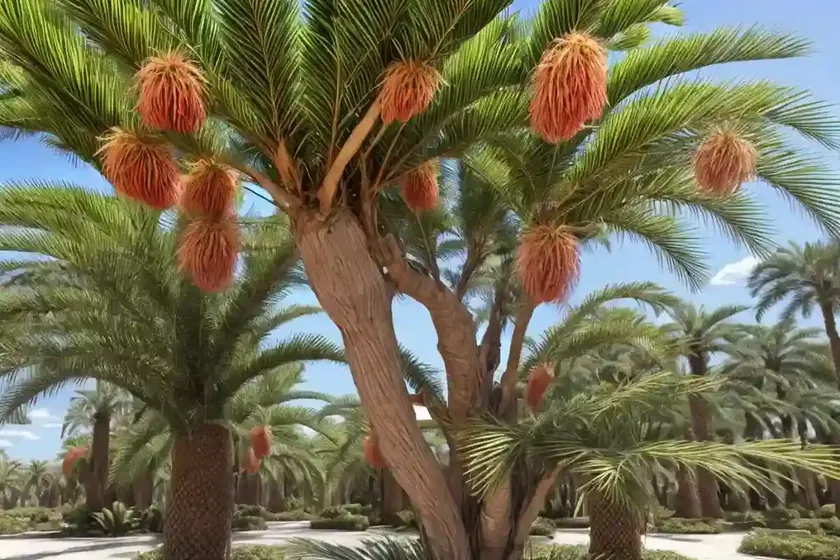
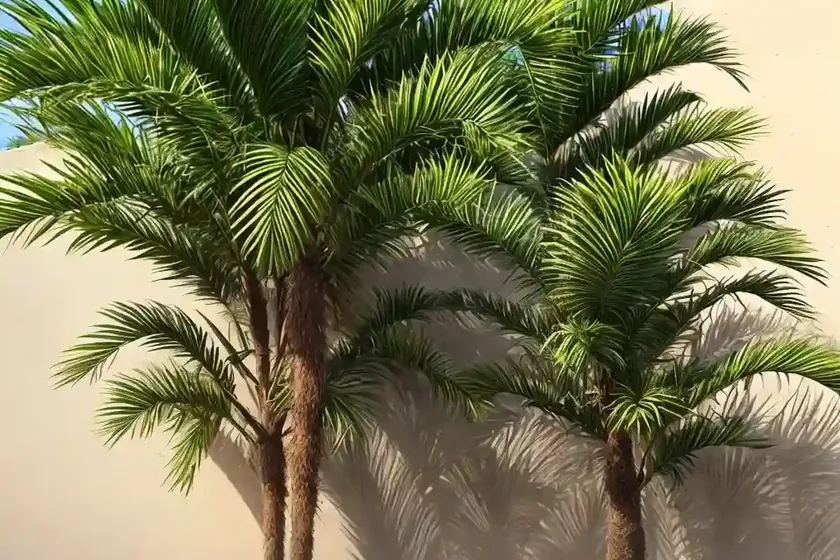
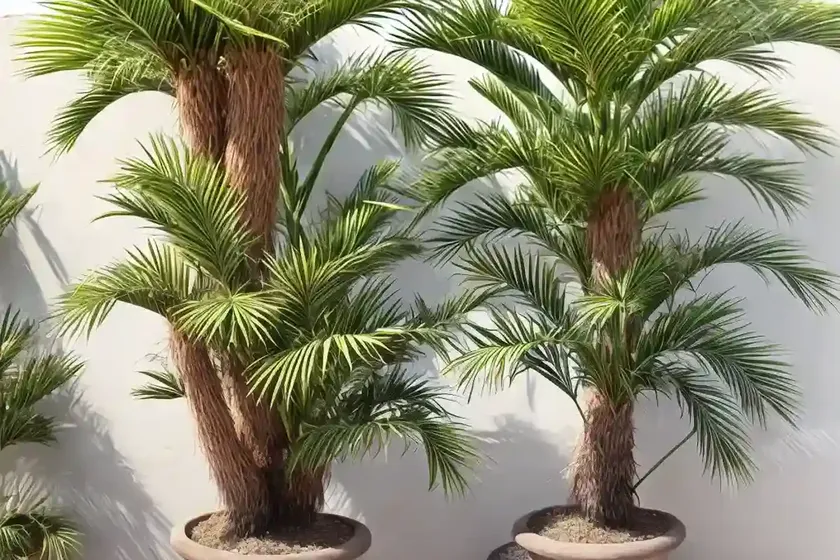
The Pygmy Date Palm, scientifically known as Phoenix roebelenii, is an ornamental dwarf palm species native to Southeast Asia. It belongs to the Arecaceae family and is characterized by its slender trunk, feather-like fronds, and arching habit. Its botanical name “Phoenix” is derived from the Greek word for date palm, while the specific epithet “roebelenii” pays tribute to the German plant collector Carl Roebelen.
This palm species has gained immense popularity as a landscaping and ornamental plant due to its graceful appearance, adaptability to various climates, and relatively low maintenance requirements. It is a versatile plant that can thrive both indoors and outdoors, making it an ideal choice for adding a touch of tropical elegance to any environment.
Key Takeaways – Pygmy Date Palm (Phoenix roebelenii)
Before we dive into the specifics of caring for the Pygmy Date Palm, let’s take a quick glance at the key takeaways that we will cover in this guide.
Culture
- Native Habitat: Understanding the natural environment of the Pygmy Date Palm.
- Landscape Uses: Exploring the diverse ways in which this palm species is utilized in landscaping.
Water
- Watering Requirements: Addressing the specific water needs of the Pygmy Date Palm.
- Drought Tolerance: Understanding the plant’s ability to withstand dry conditions.
Sunlight
- Light Requirements: Identifying the optimal sunlight conditions for the Pygmy Date Palm.
- Indoor vs. Outdoor: Discussing the plant’s suitability for indoor and outdoor settings.
Fertilizer
- Fertilization Schedule: Establishing a suitable fertilizer regimen for promoting healthy growth.
- Nutrient Deficiencies: Identifying and addressing potential nutrient deficiencies in the palm.
Soil
- Soil Preferences: Exploring the best soil types for cultivating the Pygmy Date Palm.
- Soil pH: Understanding the plant’s tolerance for different soil pH levels.
Pruning
- Pruning Guidelines: Learning the art of pruning to maintain the palm’s aesthetic appeal.
- Disease Prevention: Addressing the role of pruning in disease prevention and management.
Propagation
- Propagation Methods: Exploring the various techniques for propagating the Pygmy Date Palm.
- Seed Germination: Understanding the process of germinating palm seeds.
Container Popularity
- Indoor Cultivation: Highlighting the popularity of Pygmy Date Palms as indoor container plants.
- Container Size: Discussing the ideal container size for healthy palm growth.
Common Diseases
- Disease Identification: Recognizing common diseases that affect the Pygmy Date Palm.
- Treatment Strategies: Addressing preventive measures and treatment options for palm diseases.
Common Pests
- Pest Identification: Identifying common pests that pose a threat to the Pygmy Date Palm.
- Integrated Pest Management: Implementing effective pest control strategies.
Botanist’s Tips
- Expert Recommendations: Incorporating insights and tips from experienced botanical professionals.
- Best Practices: Emphasizing key strategies for successful Pygmy Date Palm care.
Fun Facts
- Fascinating Tidbits: Uncovering interesting and lesser-known facts about the Pygmy Date Palm.
Now, let’s embark on an in-depth exploration of these key aspects of caring for the Pygmy Date Palm.
Culture
Native Habitat
The Pygmy Date Palm (Phoenix roebelenii) is indigenous to the rainforests and swamps of Southeast Asia, particularly in regions of Laos, Vietnam, and Thailand. It thrives in tropical and subtropical climates, where it can be found growing in moist, shaded areas with ample humidity. In its natural habitat, the Pygmy Date Palm serves as an essential part of the lush undergrowth, contributing to the biodiversity of its ecosystem.
Landscape Uses
The versatility and aesthetic appeal of the Pygmy Date Palm make it a popular choice for landscaping purposes. Whether used as a standalone specimen, in groups, or as part of mixed plantings, this palm species adds a touch of elegance to various outdoor settings. It is often integrated into tropical and Mediterranean garden designs, where its slender form and graceful fronds create a striking visual impact.
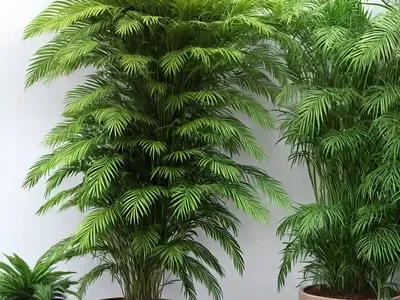
The Pygmy Date Palm is also favored for container gardening and is commonly featured in interior landscaping, adorning office spaces, hotel atriums, and residential interiors. Its adaptability to both indoor and outdoor environments makes it a sought-after choice for adding a tropical ambiance to interior décor or outdoor landscapes.
Water
Watering Requirements
Proper watering is crucial for the health and vitality of the Pygmy Date Palm. While it is essential to provide sufficient moisture, overwatering can lead to root rot and other moisture-related issues. The watering needs of the Pygmy Date Palm vary based on factors such as environmental conditions, soil type, and the plant’s stage of growth.
Here are some general guidelines for watering the Pygmy Date Palm:
– Frequency: Water the plant when the top inch of the soil feels dry to the touch. In most cases, this translates to approximately once or twice a week, adjusting as needed based on seasonal changes and environmental factors.
– Establishing Moisture Balance: Aim to maintain consistent soil moisture without allowing the root ball to become waterlogged. Adequate drainage is essential to prevent water from stagnating around the roots.
– Observing Signs of Thirst: Pay attention to visual cues such as drooping or discolored fronds, which can indicate the need for more frequent watering. Conversely, yellowing or wilting may be a sign of overwatering.
Drought Tolerance
Despite its preference for moderately moist conditions, the Pygmy Date Palm exhibits a degree of drought tolerance once established. Its ability to withstand brief periods of water scarcity makes it a resilient choice for environments where consistent watering may be challenging. However, prolonged drought stress can lead to decreased vitality and visual decline, so it’s important to strike a balance between maintaining adequate moisture and allowing the plant to adapt to occasional dry spells.
Sunlight
Light Requirements
The Pygmy Date Palm thrives in bright, indirect light, making it well-suited for placement in spaces with ample natural illumination. When grown indoors, it benefits from exposure to filtered sunlight, such as near east- or west-facing windows where it can receive gentle morning or afternoon rays. Outdoors, it flourishes in partially shaded areas, particularly in regions with intense sunlight, where it can be shielded from direct midday sun.
Indoor vs. Outdoor
One of the notable qualities of the Pygmy Date Palm is its adaptability to different light conditions, enabling it to thrive both indoors and outdoors. This flexibility makes it an attractive choice for interior settings where it may receive limited natural light, as well as for outdoor landscapes where it can contribute to shaded garden beds or patio areas. Whether utilized as an indoor potted plant or a garden feature, the Pygmy Date Palm adds a touch of tropical allure to any setting.
Fertilizer
Fertilization Schedule
Regular fertilization is essential for promoting healthy growth and ensuring the vitality of the Pygmy Date Palm. By providing essential nutrients, fertilizer helps support the plant’s overall development and fortifies its resistance to stressors such as disease and environmental challenges. When establishing a fertilization regimen for this palm species, it’s important to consider the specific nutrient requirements and the seasonal variations in nutrient uptake.
Here are some key considerations for fertilizing the Pygmy Date Palm:
– Balanced Formulations: Select a well-balanced fertilizer specially formulated for palms, as these formulations typically contain the essential macro and micronutrients that are vital for palm health.
– Application Frequency: During the growing season, which usually spans spring and summer, apply fertilizer every 2-3 months to provide a steady supply of nutrients. In regions with longer growing seasons, monthly fertilization may be beneficial.
– Avoiding Excesses: Refrain from over-fertilizing, as excessive nitrogen can lead to imbalances and potential damage to the plant. Following the recommended application rates is crucial for promoting healthy growth without inducing nutrient imbalances.
Nutrient Deficiencies
Early detection and correction of nutrient deficiencies are crucial for maintaining the vigor and visual appeal of the Pygmy Date Palm. Some common signs of nutrient deficiencies include yellowing or browning of fronds, stunted growth, and overall decline in health. While regular fertilization helps prevent deficiencies, it’s important to be attentive to the plant’s response to nutrient availability and make adjustments as needed.
Soil
Soil Preferences
Selecting the right soil type is pivotal for ensuring optimal growth and health of the Pygmy Date Palm. The ideal soil should provide adequate aeration, drainage, and nutrient retention while supporting the development of healthy root systems. Understanding the specific soil preferences of Phoenix roebelenii is essential for creating an environment that promotes successful cultivation.
Here are the key soil attributes to consider for the Pygmy Date Palm:
– Well-Draining Texture: Choose a well-draining soil mix that allows excess water to escape freely, preventing waterlogging and root suffocation.
– Moisture Retention: While good drainage is essential, the soil should also retain some moisture to support the plant’s hydration needs, particularly in drier conditions.
– Organic Matter Content: A soil mix enriched with organic matter, such as peat moss or compost, can enhance the soil’s nutrient content and support microbial activity, fostering a healthy root environment.
Soil pH
The optimal soil pH for the Pygmy Date Palm falls within the slightly acidic to neutral range, typically between 6.0 and 7.5. Maintaining a pH within this range ensures that essential nutrients are readily available to the plant, promoting robust growth and vitality. Regular monitoring of soil pH can help identify any deviations from the ideal range and facilitate timely corrective measures.
Pruning
Pruning Guidelines
Proper pruning is an integral aspect of Pygmy Date Palm care, contributing to the plant’s appearance, health, and overall longevity. By selectively removing dead or damaged fronds and maintaining a tidy crown, pruning helps enhance the aesthetic appeal of the palm and reduces the risk of potential disease or pest issues.
Here are some key guidelines for pruning the Pygmy Date Palm:
– Dead Frond Removal: Regularly remove dead or yellowed fronds to maintain a neat and attractive appearance. Cutting fronds at the base of the crown using sterile pruning tools can help prevent the spread of disease.
– Caution with Green Fronds: Exercise caution when pruning healthy, green fronds, as excessive removal can stress the plant and impede its ability to photosynthesize and produce energy.
– Pruning Timing: Prune the Pygmy Date Palm as needed throughout the year, focusing on the removal of unsightly or deteriorating fronds. Avoid heavy pruning during the plant’s active growth and flowering periods, as this can disrupt its natural physiological processes.
Disease Prevention
Beyond its aesthetic benefits, pruning plays a crucial role in disease prevention by eliminating potential sites for pathogen proliferation and reducing the accumulation of debris that can harbor harmful microorganisms. By maintaining a clean and well-pruned appearance, the Pygmy Date Palm is better equipped to resist diseases, fostering a healthier and more resilient plant overall.
Propagation
Propagation Methods
The propagation of the Pygmy Date Palm can be achieved through various methods, including seed germination and offshoot division. Each propagation technique offers unique advantages and considerations, allowing growers to expand their palm collection or share plants with others.
Here’s a brief overview of the primary propagation methods for the Pygmy Date Palm:
Seed Germination
- Seed Selection: Gather mature, viable seeds from a healthy Pygmy Date Palm specimen.
- Germination Medium: Plant the seeds in a well-draining, sterile germination medium and maintain consistent moisture.
- Temperature and Light: Provide warm, consistently moist conditions with indirect light to encourage germination.
- Patience: Germination may take several weeks to months, so patience is essential during the seedling establishment phase.
Offshoot Division
- Offset Identification: Locate and select healthy, actively growing offshoots or “pups” emerging from the base of mature palms.
- Division Technique: Carefully separate the offshoot from the parent plant, ensuring that it has its own root system and ample foliar growth.
- Transplanting: Plant the divided offshoot in a suitable container or prepared garden bed, providing optimal growing conditions to support its establishment.
Seed Germination
The seed propagation method offers the advantage of producing genetically diverse offspring, allowing for the introduction of new traits and potential variations in growth habits or visual appearance. However, it also requires patience and careful attention to the unique needs of seedlings as they transition from germination to established plants.
Offshoot Division
Utilizing offshoot division can yield relatively mature plants more rapidly than seed germination, as the offshoots are essentially miniature replicas of the parent palm, ready to be established in their own growing environment. This method also ensures the preservation of desirable genetic characteristics found in the original palm.
Container Popularity
Indoor Cultivation
The Pygmy Date Palm is widely recognized for its success as an indoor container plant, earning popularity for its elegant appearance, adaptability to indoor conditions, and relatively low maintenance requirements. When cultivated in containers, this palm species adds a touch of tropical sophistication to interior spaces, serving as a striking focal point or complementing existing interior décor.
Container Size
When selecting a container for the Pygmy Date Palm, it’s important to consider the plant’s growth potential and the long-term container requirements. Choosing an appropriately sized container not only provides adequate space for root development but also supports the stability and balance of the palm as it matures.
Here are some considerations for selecting a suitable container size:
– Room for Growth: Choose a container that allows ample room for the palm’s roots to expand as the plant grows, preventing root constriction and potential stunting.
– Stability and Balance: Select a container with a wide base and sufficient weight to prevent tipping, particularly in environments with air circulation or potential movement.
– Drainage Provision: Ensure that the container has adequate drainage holes to prevent water accumulation and maintain healthy root conditions.
Common Diseases
Disease Identification
Like any plant, the Pygmy Date Palm is susceptible to certain diseases and physiological disorders that can impact its appearance and overall health. Recognizing the signs and symptoms of common palm diseases is essential for implementing timely management strategies and safeguarding the plant’s well-being.
Here are some prevalent diseases that may affect the Pygmy Date Palm:
– Fusarium Wilt: This fungal disease can cause rapid decline of the palm, resulting in wilting, yellowing, and eventual death of the plant. Fusarium wilt is often untreatable once symptoms appear, emphasizing the importance of preventive measures.
– Ganoderma Butt Rot: Identified by the presence of conks and frond wilting, Ganoderma butt rot is a devastating disease that can lead to irreversible damage in affected palms. Early detection and intervention are critical for preserving palm health and preventing the spread of the pathogen.
– Palm Leaf Spot Diseases: Various fungal and bacterial pathogens can cause leaf spot diseases, manifesting as visible spots or lesions on the fronds. Monitoring frond health and providing favorable growing conditions can aid in minimizing the risk of these diseases.
Treatment Strategies
Applying appropriate treatment strategies and preventive measures is essential for managing and mitigating the impact of palm diseases. While certain diseases may present significant challenges, early intervention and proactive management can support the palm’s ability to recover and thrive.
Fusarium Wilt Management
- Preventive Practices: Implement cultural practices such as proper irrigation, soil management, and overall palm care to minimize the risk of Fusarium wilt.
- Treatment Limitations: As Fusarium wilt has no definitive cure, prevention and avoidance of contaminated soil is vital for maintaining palm health.
Ganoderma Butt Rot Control
- Stump Removal: Promptly remove infected palms and stumps to prevent the spread of Ganoderma butt rot to healthy palms.
- Fungicide Application: In some cases, fungicidal treatments may be used to manage Ganoderma butt rot, although their effectiveness can vary.
Common Pests
Pest Identification
Several pests have the potential to inflict damage on the Pygmy Date Palm, compromising its appearance and overall health. Identifying and addressing common pests in a timely manner is crucial for safeguarding the palm and reducing the risk of pest-related complications.
Here are some prevalent pests that may impact the Pygmy Date Palm:
– Spider Mites: These tiny arachnids can infest the palm, causing stippling and discoloration on the fronds as they feed on plant sap. Widespread infestations can lead to severe stress and visual decline.
– Scale Insects: Scale infestations can lead to the formation of conspicuous waxy coverings on the fronds, inhibiting photosynthesis and compromising palm vigor.
– Mealybugs: Mealybugs can congregate on the fronds and stems, sapping the plant’s resources and potentially transmitting viral diseases.
Integrated Pest Management
The implementation of integrated pest management (IPM) practices is key to effectively managing pest infestations and minimizing the reliance on chemical treatments. By combining preventive measures, biological controls, and targeted interventions, growers can address pest issues while maintaining a balanced and sustainable approach to palm care.
Spider Mite Control
- Mitigating Dry Conditions: Spider mites thrive in dry conditions, so maintaining adequate humidity and regular watering can deter infestations.
- Horticultural Oil Application: Utilizing horticultural oils can help suffocate and control spider mite populations without harming beneficial organisms.
Scale Insect Management
- Mechanical Removal: Physically remove scale insects from the fronds using a soft brush or cloth, focusing on early detection and intervention.
- Natural Predators: Encourage the presence of natural predators such as ladybugs or parasitic wasps to help control scale populations.
Botanist’s Tips
Expert Recommendations
Drawing from the expertise of seasoned botanists and plant enthusiasts can offer valuable insights and recommendations for successful Pygmy Date Palm care. Incorporating expert tips and best practices into your approach to palm cultivation can enhance your ability to create an optimal growing environment for these graceful ornamental plants.
Soil Considerations
- Well-Draining Mix: Select a well-draining soil mix with ample aeration to support healthy root development and prevent waterlogging.
- Organic Amendments: Incorporate organic matter such as compost or peat moss to enhance soil structure and nutrient availability, promoting robust palm growth.
Watering Practices
- Regulated Moisture: Establish a consistent watering schedule to balance soil moisture, avoiding prolonged dry periods or excessive water accumulation.