Purple Coneflower (Echinacea): A Comprehensive Guide
Welcome plant enthusiasts! In this blog post, we are going to delve into the captivating world of Purple Coneflower, scientifically known as Echinacea. The Purple Coneflower is a beautiful and beneficial plant that has captured the interest of gardeners, herbalists, and researchers alike. Its stunning flowers, medicinal properties, and ecological importance make it a valuable addition to any garden or natural landscape. We will explore its cultural significance, uses, growing conditions, propagation, common diseases, and much more. So, let’s embark on a fascinating journey into the realm of Purple Coneflower!
What is Purple Coneflower (Echinacea)?
Purple Coneflower, or Echinacea, is a genus of herbaceous flowering plants in the daisy family, Asteraceae. This genus is native to North America and is primarily known for its prominent and distinctive flower heads. Echinacea plants are renowned for their medicinal properties and have a rich history of traditional uses by various indigenous cultures.
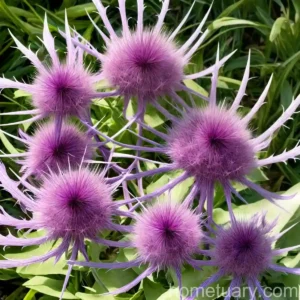
Among the numerous species within the Echinacea genus, Echinacea purpurea, commonly known as Purple Coneflower, is one of the most popular and extensively cultivated species. It is celebrated for its vibrant, daisy-like flowers with prominent coppery-orange to deep purple central cones, which serve as a magnet for pollinators.
Key Takeaways – Purple Coneflower (Echinacea)
Before we dive deeper into the world of Purple Coneflower, let’s highlight some key takeaways that we will be exploring in detail:
- Purple Coneflower Health Benefits: Explore the medicinal properties and health benefits associated with Purple Coneflower.
- Echinacea Plant Uses: Understand the diverse uses of Echinacea in traditional and contemporary applications.
- Purple Coneflower Medicinal Properties: Delve into the specific medicinal properties that make Purple Coneflower valuable.
- Echinacea Flower Characteristics: Learn about the unique characteristics of Echinacea flowers and their ecological significance.
- Purple Coneflower Varieties: Discover different varieties and cultivars of Purple Coneflower available for cultivation.
- Echinacea Planting Tips: Gain insights into the best practices for planting and establishing Purple Coneflower.
- Purple Coneflower Growing Conditions: Understand the essential growing conditions required for the successful cultivation of Purple Coneflower.
- Echinacea Care Instructions: Learn about the maintenance and care guidelines for maintaining healthy Purple Coneflower plants.
- Purple Coneflower Herbal Remedies: Explore the use of Purple Coneflower in herbal remedies and natural healthcare.
- Echinacea Immune-Boosting Properties: Uncover the immune-boosting properties associated with Echinacea plants.
Now that we have set the stage, let’s delve into each of these aspects in greater detail.
Culture
Uses
The cultural significance and uses of Purple Coneflower extend across various domains, including traditional medicine, landscaping, and ecological conservation.
Medicinal Uses
One of the most renowned aspects of Purple Coneflower is its extensive use in traditional medicine. Echinacea has been traditionally used by Native American tribes for centuries to treat a wide range of ailments, including infections, wounds, and snake bites. It is known for its immune-stimulating, anti-inflammatory, and antiviral properties. Today, Purple Coneflower continues to be a key player in natural remedies and herbal supplements, particularly in boosting the immune system and alleviating symptoms of respiratory infections.
Landscaping and Ornamental Uses
Beyond its medicinal properties, Purple Coneflower is prized for its ornamental value. Its striking flowers and adaptability to a wide range of growing conditions make it a popular choice in landscaping and garden design. The plant’s vibrant blooms attract pollinators, such as bees and butterflies, making it a valuable addition to pollinator gardens and wildlife habitats.
Water
Purple Coneflower is known for its remarkable tolerance to drought conditions, making it a resilient and low-maintenance plant. While established plants are relatively drought-tolerant, consistent watering during periods of prolonged dryness can promote healthier and more vigorous growth. When watering Purple Coneflower, it is essential to ensure that the soil is well-draining to prevent waterlogging, which can lead to root rot.
Sunlight
In terms of sunlight requirements, Purple Coneflower flourishes in full sun to partial shade. Adequate sunlight is vital for promoting robust flowering and overall plant vigor. When selecting a planting location, it is advisable to choose a spot that receives at least 6-8 hours of direct sunlight per day for optimal growth and bloom production.
Fertilizer
Purple Coneflower is considered a relatively low-maintenance plant when it comes to fertilization. In fertile, well-amended soils, it often thrives without the need for regular fertilization. However, for plants growing in nutrient-deficient soils or containers, a balanced, slow-release fertilizer applied in early spring can support healthy growth and abundant flowering. It is important to follow the recommended application rates on the fertilizer label to prevent over-fertilization, which can lead to excessive vegetative growth at the expense of flower production.
Soil
Purple Coneflower is adaptable to various soil types, including loamy, sandy, or clay soils, as long as they are well-draining. However, it truly thrives in fertile, humus-rich soils with a slightly acidic to neutral pH range of 6.0 to 7.0. Prior to planting, amending the soil with organic matter, such as compost or well-rotted manure, can enhance soil fertility and structure, promoting better growth and resilience in the plant.
Pruning
One of the attractive qualities of Purple Coneflower is its minimal maintenance requirements, including pruning. Deadheading, the process of removing spent flowers, can prolong the bloom period and prevent the plant from self-seeding excessively. Additionally, cutting back the flower stems to the basal foliage after the initial wave of flowering can encourage a second flush of blooms later in the season. However, allowing a portion of the spent flowers to remain on the plant can provide food for seed-eating birds and also support the naturalization of the plant.
Propagation
Purple Coneflower can be propagated through several methods, including division, stem cuttings, and seed sowing. Each method offers unique advantages and challenges, and the choice of propagation method can depend on factors such as time, resources, and desired outcomes.
Division
Dividing mature clumps of Purple Coneflower is a common method of propagation and is typically carried out in early spring or fall. To divide the plant, carefully dig up the root mass and use a sharp, clean tool to separate the clumps into smaller sections, each containing healthy roots and growing points. Replant the divisions in prepared soil and ensure adequate moisture to support their establishment.
Stem Cuttings
Propagation from stem cuttings is another viable method for increasing Purple Coneflower stock. Select healthy, non-flowering stems and take cuttings of approximately 4-6 inches in length. Remove the lower leaves and place the cut end in a well-draining rooting medium. Once roots have developed, the new plants can be transplanted into individual containers or directly into the garden.
Seed Sowing
Growing Purple Coneflower from seeds offers an affordable and rewarding way to propagate new plants. Sow the seeds in a seed-starting mix in early spring or late fall, keeping the medium consistently moist until germination occurs. Once seedlings have developed several sets of true leaves, they can be transplanted into larger containers or directly into the garden.
Container Popularity
The adaptability and relatively compact size of Purple Coneflower make it well-suited for container cultivation. Its striking flowers and ability to attract pollinators make it an appealing choice for adding color and ecological value to patios, balconies, and other outdoor spaces. When growing Purple Coneflower in containers, it is essential to select pots with adequate drainage holes to prevent waterlogging, as excessively moist conditions can lead to root rot. Additionally, choosing a high-quality, well-draining potting mix can provide the necessary support and nutrition for healthy plant growth.
Container Common Diseases
When cultivating Purple Coneflower in containers, it is important to be mindful of potential diseases that can affect the plants. Common container diseases that may impact Purple Coneflower include:
-
Root Rot: Excessive moisture and poor drainage can predispose plants to root rot, a fungal disease that can cause wilting, yellowing foliage, and stunted growth. To prevent root rot, ensure that containers have ample drainage and avoid overwatering the plants.
-
Powdery Mildew: Powdery mildew, characterized by a powdery white growth on leaves and stems, can afflict Purple Coneflower plants in humid or crowded container conditions. Providing good air circulation and avoiding overhead watering can help mitigate the risk of powdery mildew.
-
Botrytis Blight: This fungal disease, also known as gray mold, can develop in damp, cool conditions and may lead to the decay of plant tissues. Proper spacing between container-grown plants and maintaining adequate ventilation can reduce the chances of botrytis blight.
Disease Diagnosis
Diagnosing diseases in Purple Coneflower, whether grown in the ground or in containers, involves careful observation of the plant’s symptoms and consideration of environmental conditions. If a plant exhibits signs of disease, such as wilting, yellowing, or unusual growths, it is essential to investigate the potential causes and promptly address the issue.
Steps for Disease Diagnosis:
- Symptom Identification: Carefully observe the plant for any abnormal changes in growth, leaf color, or flower development.
- Environmental Assessment: Consider the prevailing environmental conditions, including temperature, humidity, and soil moisture, which can influence disease development.
- Pathogen Examination: If applicable, inspect the plant for signs of specific pathogens, such as fungal spores or insect damage, to narrow down the potential causes of disease.
- Consultation and Action: If the cause of the disease remains unclear, seek guidance from local agricultural extension services, plant clinics, or experienced horticulturists to determine an appropriate course of action.
Common Pests
While Purple Coneflower is relatively resistant to most pests, it can occasionally face challenges from certain insect adversaries. Being aware of potential pests and adopting proactive pest management strategies can help safeguard the health and vitality of Purple Coneflower plants.
Aphids
Aphids are small, sap-sucking insects that can infest the tender growing tips of Purple Coneflower, causing distorted growth and honeydew secretion. Regularly inspecting plants for aphid presence and using methods such as physical removal or insecticidal soap can help manage aphid infestations effectively.
Red Spider Mites
These tiny arachnids can be problematic for Purple Coneflower, especially during hot, dry weather. Red spider mites feed on plant fluids, leading to stippled, discolored foliage and webbing on the undersides of leaves. Increasing humidity around the plants and using miticide treatments can help control red spider mite populations.
Leafhoppers
Leafhoppers are agile, wedge-shaped insects known for their rapid movements and piercing-sucking mouthparts. They feed on plant sap and can transmit diseases while causing stippling and yellowing of foliage. Insecticidal sprays and maintaining a clean garden environment can aid in managing leafhopper populations.
Botanist’s Tips
As avid gardeners and plant enthusiasts, it’s essential to consider a few key tips when it comes to cultivating and caring for Purple Coneflower. Here are some botanist-approved tips for success:
- Selecting Suitable Varieties: When choosing Purple Coneflower varieties, consider factors such as flower color, mature plant size, and disease resistance to find the best options for your garden.
- Planting in Well-Draining Soil: Ensuring that the planting site has well-draining soil is crucial for preventing root diseases and promoting healthy root development.
- Maintaining Pollinator Habitats: Encouraging the presence of pollinators, such as bees and butterflies, through the cultivation of Purple Coneflower can contribute to overall garden health and biodiversity.
- Observing Seasonal Care: Pay attention to seasonal care tasks, such as dividing overgrown clumps in early spring and providing winter protection for young plants, to promote long-term plant success.
Fun Facts
To add an extra layer of intrigue to our exploration of Purple Coneflower, here are some fascinating and lesser-known fun facts about this captivating plant:
- Purple Coneflower has a rich history of use in traditional and Native American medicine, where it was valued for its immune-boosting properties and wound healing abilities.
- In addition to its medicinal uses, Purple Coneflower has become an iconic feature of prairie restoration efforts and wildlife habitats, serving as a valuable food source and nesting site for various animal species.
- The colorful and enduring flowers of Purple Coneflower have inspired numerous cultivars and hybrids, with an array of flower colors, sizes, and forms available to gardeners and plant enthusiasts.
- Purple Coneflower is a favorite among herbal tea enthusiasts, who value its pleasant, mildly sweet flavor and potential health benefits.
Now that we have gained a deeper understanding of Purple Coneflower and its diverse attributes, let’s explore some additional resources to further enrich our knowledge and appreciation of this remarkable plant.
Links to External Resources
Research Articles and Publications
- “Echinacea—A Source of Potent Antivirals for Respiratory Virus Infections” – Link
- “Impact of Plant Density and Nitrogen Rate on Growth, Yield, and Essential Oil Content of Echinacea purpurea” – Link
- “Pharmacognosy and Ethnopharmacology of Echinacea purpurea” – Link
- “Echinacea: A Miracle Plant” – Link
Gardening and Horticulture Resources
- The Royal Horticultural Society (RHS) – Echinacea Cultivation Guide – Link
- American Horticultural Society – Growing Echinacea in the Garden – Link
- University Extension Services – Cultivating Purple Coneflower – Link
Herbal Medicine and Natural Remedies
- National Center for Complementary and Integrative Health – Echinacea: What You Need To Know – Link
- HerbalGram – Echinacea Species and Their Active Constituents: Implications for the US Herbal Products Market – Link
- American Botanical Council – Echinacea Overview – Link
Now armed with a wealth of knowledge and resources, we can continue to explore the captivating world of Purple Coneflower and its multifaceted significance. Whether you are a gardener, herbalist, or simply an admirer of nature’s wonders, Purple Coneflower holds a special place as a plant of beauty, resilience, and therapeutic potential.
As we immerse ourselves in the endless wonders of the botanical realm, let’s carry forth our appreciation for plants and their profound contributions to our lives and the natural world.
Remember to stay curious, keep growing, and let nature’s beauty inspire you at every turn.
Happy gardening and botanical explorations!
Please note that the information presented in this blog post is for educational purposes and is not intended as a substitute for professional advice. Specific plant care practices may vary based on regional climate, soil conditions, and individual plant requirements. Always consult with local horticultural experts and resources for tailored guidance on plant cultivation and health.